Americans Who Moved to Southeast Asia in Their 30s and Actually Stayed: The Real Cost of Living, the Visa Reality, and the Loneliness Nobody Posts About
We may earn money or products from the companies mentioned in this post. This means if you click on the link and purchase the item, I will receive a small commission at no extra cost to you ... you're just helping re-supply our family's travel fund.
There is an entire content industrial complex built around the premise that moving to Southeast Asia will transform your life, your bank account, and your sense of self. The photography is warm. The testimonials are aspirational. The income-to-cost ratio is presented as an obvious arbitrage opportunity that only Americans trapped by cultural myopia are failing to take.
Some of that is true. Southeast Asia is, in many locations, meaningfully less expensive than comparable quality of life in major US cities. The food is often extraordinary. The climate, for people who like heat, is preferable. The pace can be genuinely restorative.
What the content doesn’t tell you — what it structurally can’t tell you, because discomfort doesn’t monetize well — is what the experience looks like at year two and year four, when the novelty has resolved into ordinary life and the ordinary life has specific complications.
This piece is built from the accounts of people who went and stayed.
The Cost of Living: City by City, Not Approximation by Approximation
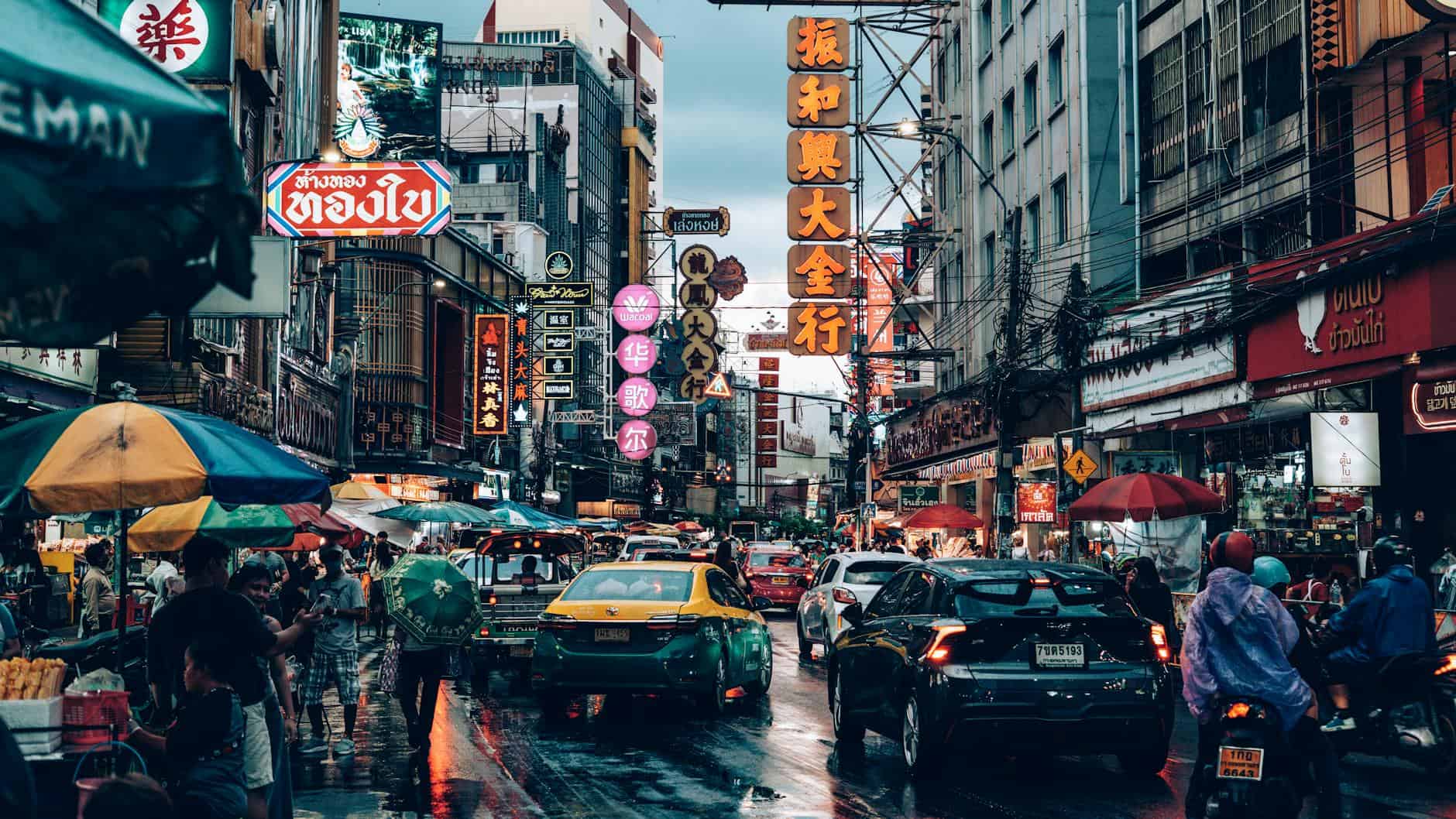
The biggest content lie about Southeast Asia is the implied uniformity. “Southeast Asia is cheap” is roughly as useful as “America is expensive” — technically gestural toward something true, practically useless for making decisions.
The variance within Southeast Asia is enormous. A comfortable middle-class life in Chiang Mai has a different price tag than the same life in Singapore (which is more expensive than most US cities), Bali (which has gotten dramatically more expensive), Bangkok (which varies wildly by neighborhood and lifestyle), or Ho Chi Minh City (which remains genuinely inexpensive).
Chiang Mai: The One That Started the Movement — and What It Actually Costs Now

Chiang Mai, Thailand’s second city, is where the digital nomad movement was born. Location-independent workers discovered it around 2012 to 2015 — cheap coworking spaces, excellent food, manageable size, good internet, stunning temples, mountains nearby.
In 2026, Chiang Mai is still cheaper than Bangkok and still significantly cheaper than comparable living in most US cities. But the price inflation driven by increased nomad and expat demand is real:
- Accommodation: A good one-bedroom apartment in Nimman (the expat-heavy neighborhood) runs 12,000 to 20,000 Thai baht per month ($330 to $550). The sub-$300 apartments exist in less central neighborhoods or older buildings with fewer amenities.
- Food: Eating street food and local restaurants, a comfortable daily food budget is 200 to 400 baht ($5.50 to $11). Eating at Western-style restaurants and coffee shops — which many long-term expats do regularly — pushes that to $25 to $45 per day.
- Total comfortable expat budget: $1,200 to $2,000 per month for a single person, including rent, food, scooter rental, and occasional activities. The $800/month figure that circulates in content is achievable but requires real frugality and willingness to live in less-desirable accommodations.
- Healthcare: Decent private health insurance in Thailand runs $100 to $200 per month. The private hospital system is genuinely good and inexpensive by US standards.
Bangkok: The City That Has Everything and Some Things You Didn’t Want
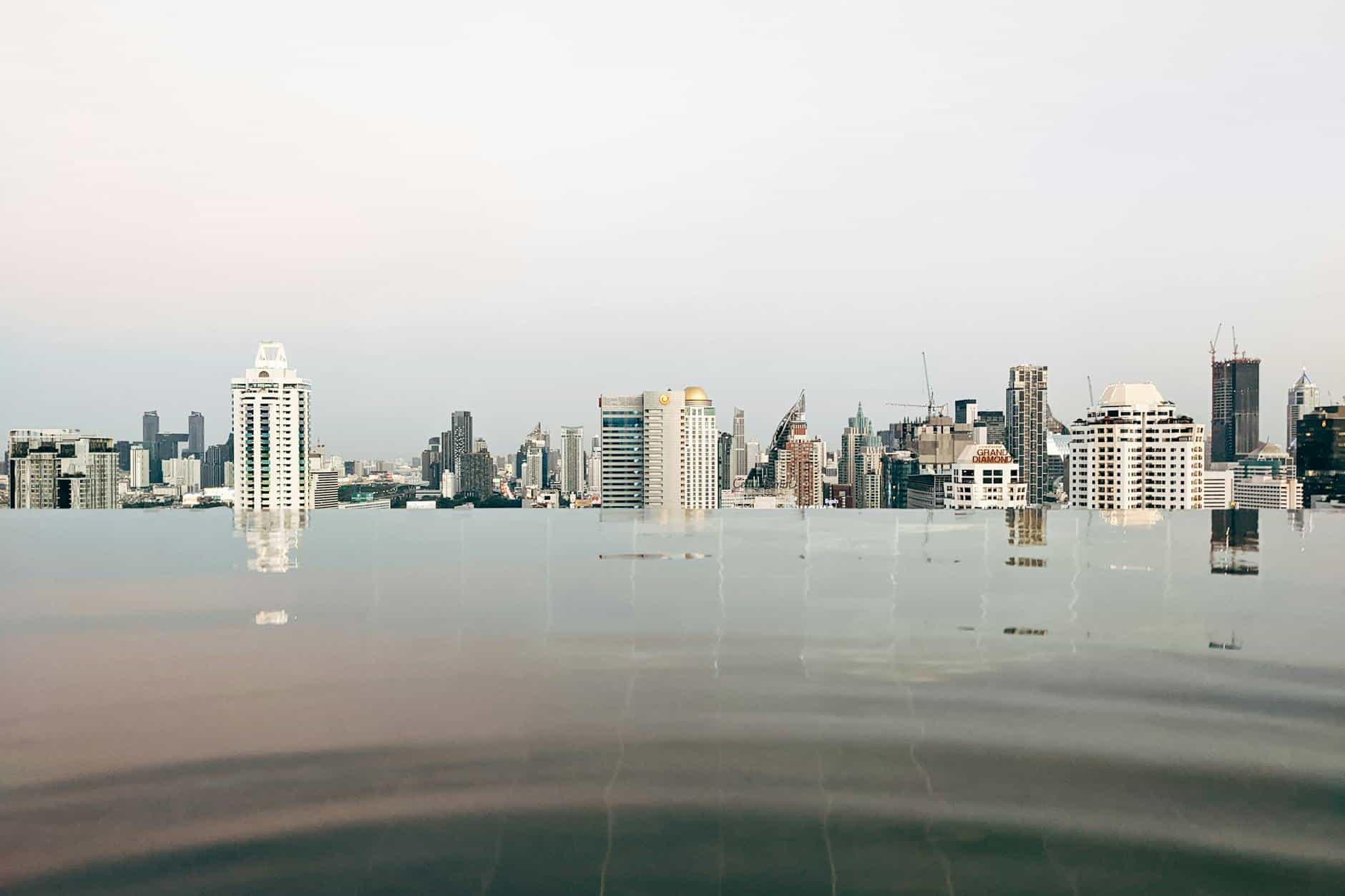
Bangkok is where expats go when they need more — more professional opportunities, more dating options, more nightlife, more international community, more urban infrastructure.
It is also larger, louder, hotter, more polluted, and more expensive than Chiang Mai.
- Accommodation: A good one-bedroom in a liveable Bangkok neighborhood (Ari, Phrom Phong, Thong Lo) runs 18,000 to 35,000 baht per month ($500 to $970). Sukhumvit condos with pool and gym can easily exceed that.
- Transport: The BTS Skytrain system is good in the areas it covers but doesn’t cover everything. Many expats add grab (ride-share) costs that run $200 to $400 per month depending on usage. Motorbike taxis for short trips are cheap but weather-dependent.
- Total comfortable expat budget: $1,800 to $3,500 per month, depending heavily on neighborhood and lifestyle choices.
- Air quality: Bangkok’s air quality is a consistent complaint from long-term expats. AQI readings in the 100 to 150 range (unhealthy for sensitive groups) are not unusual, particularly in dry season.
Bali: When an Island Becomes a Brand

Bali’s transformation in the last decade has been swift enough that people who went in 2018 and people who went in 2024 describe functionally different places.
- Canggu — the neighborhood most associated with the nomad lifestyle — has seen villa prices triple in five years in some cases. A one-bedroom villa that cost $500 per month in 2019 often costs $1,200 to $1,800 per month in 2024 and 2025.
- The overinfrastructure problem: Canggu’s roads, designed for a fraction of current traffic, are chronically gridlocked. Rides that should take 10 minutes take 45 during peak hours.
- The visa situation in Indonesia has improved with the introduction of a 60-day tourist visa extendable to 180 days, plus a newer digital nomad visa — but enforcement and implementation have been inconsistent, and many long-term residents still operate on visa runs or in legal gray areas.
- Total comfortable budget in Canggu: $2,000 to $3,500 per month — comparable to a mid-tier US city and significantly more than Thailand or Vietnam.
Bali is still beautiful. It is no longer cheap in the way it was, and many of the people who moved there for affordable paradise have moved again.
Ho Chi Minh City and Hanoi: The Countries That Are Still Actually Cheap
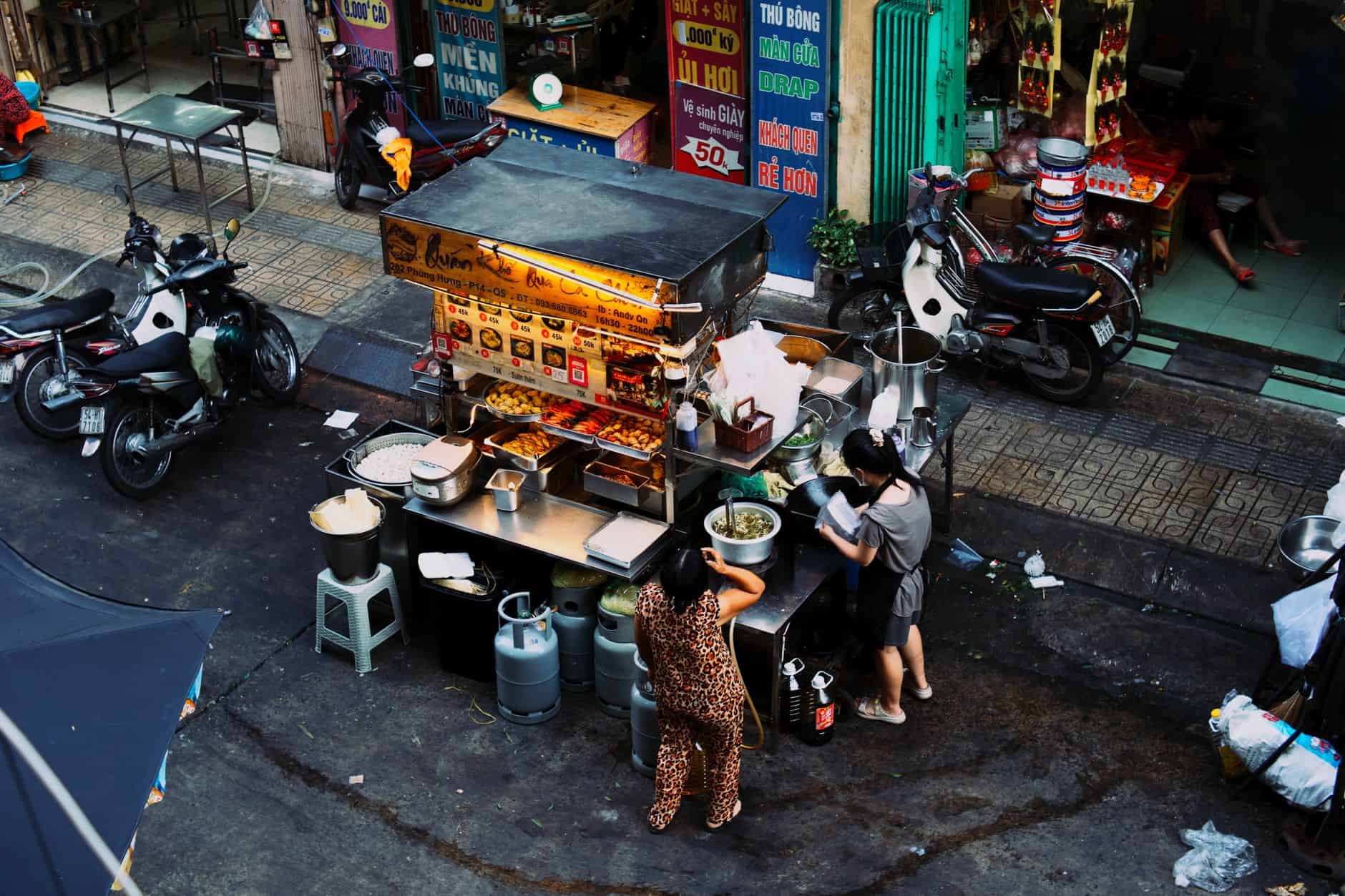
Vietnam is where people go when they want Southeast Asia prices without the inflation that’s overtaken Thailand and Bali:
- Accommodation in Ho Chi Minh City: A good apartment in District 2 or District 7 runs $400 to $800 per month. Central District 1 can be higher.
- Food: Genuinely inexpensive. Daily food on a local diet (pho, banh mi, com tam) is $5 to $10. Upgrading to Western restaurants adds cost but you’re still at $20 to $35 per day maximum in most cases.
- Total comfortable budget: $1,000 to $1,800 per month, making Vietnam the most financially compelling option for most Americans doing the comparison.
- The tradeoff: Vietnam’s visa situation is less favorable for long-term residents. The standard e-visa allows 90 days. A dedicated long-term visa requires employment, investment, or marriage to a Vietnamese citizen — options that take significant time to establish.
The Visa Reality: What the Content Never Tells You
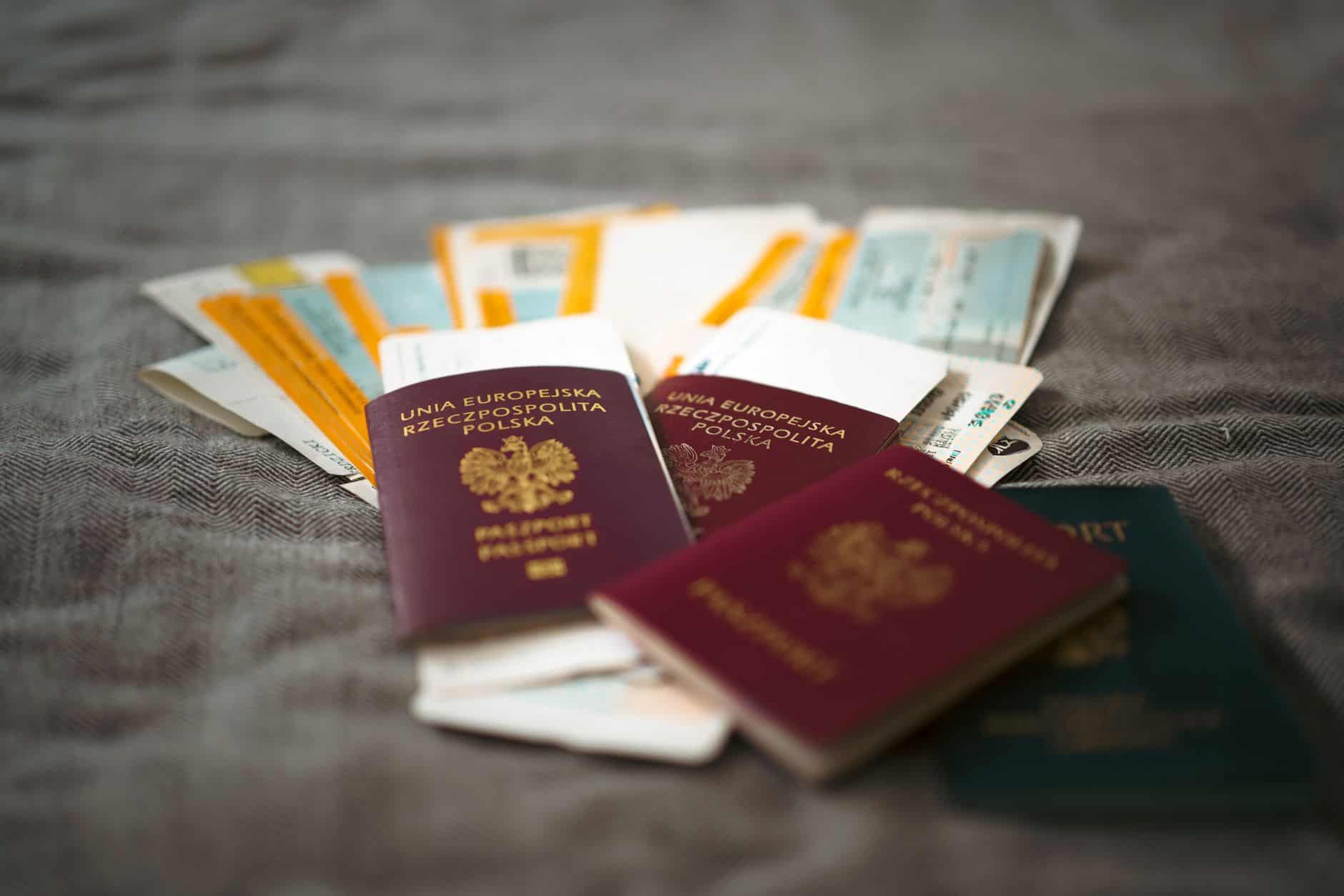
This is where the lifestyle content almost universally fails its audience. The “move to Southeast Asia” content shows the villa, the infinity pool, the street food at sunset. It does not show the visa run to a neighboring country, the immigration queue, the three months of uncertainty about whether this particular entry will be flagged.
The visa reality by country:
- Thailand: The LTR (Long-Term Resident) visa, launched in 2022, is a genuine long-term solution for remote workers earning $80,000+ annually. It requires documentation, fees, and an application process. For people who don’t qualify, the options are a series of tourist visa extensions, “education” visas tied to Thai language classes, or the Thailand Elite visa (cost: approximately $15,000 to $30,000 for 5 to 20 years).
- Indonesia: The digital nomad visa is formally available but inconsistently processed. Many expats still use the extension system that allows 180 days, then leave and re-enter.
- Vietnam: 90-day e-visa, period. Long-term legal residency is difficult without employment or investment.
- Malaysia: The DE Rantau digital nomad visa and the Malaysia My Second Home (MM2H) program offer legitimate long-term options, though MM2H requirements have become more restrictive in recent years.
The practical reality: most Americans living in Southeast Asia are either in legal but temporary status, in a gray zone of repeated visa extensions that technically comply with the rules but clearly aren’t the intended use, or they’ve formalized their situation through significant financial or legal commitment.
The Loneliness That Doesn’t Fit the Aesthetic

This is the part nobody posts.
The expat communities in Chiang Mai, Bangkok, Bali, and Ho Chi Minh City are real and supportive. There are Facebook groups, coworking communities, regular meetups, and genuine friendships formed. But the social infrastructure of an expat community is also inherently unstable: people leave. The friend you got close to six months in leaves for Vietnam. The friend from Vietnam moves to Portugal. The community has high turnover by definition because most members are, in some sense, passing through.
Long-term expats — three years and beyond — describe a specific kind of loneliness:
- Relationships formed quickly but frequently severed by departures
- Difficulty forming deep friendships with local Thai, Indonesian, or Vietnamese people due to language barriers and cultural distance
- Watching people from home live milestone events — weddings, births, aging parents — at a distance that makes showing up impossible
- A sense of being between worlds: too changed by the experience to fully re-integrate into American social contexts, not integrated enough to feel at home locally
The Instagram feed shows the community. It doesn’t show the specific emptiness of a Tuesday night when everyone you know locally has moved on and you’re in a great apartment in a beautiful city feeling completely alone.
Who Actually Stays vs. Who Goes Back

People who stay tend to have:
- Found a partner (local or expat) who anchors them
- Built a business with local employees or clients, creating community through economic ties
- Developed genuine language proficiency that opens access to local social networks
- Made a clear-eyed decision to call this home, not to use it as a temporary escape
People who go back tend to:
- Have arrived with a problem they were trying to escape (burnout, a relationship ending, general dissatisfaction) and discovered the problem came with them
- Underestimated the visa complexity and found the legal uncertainty more stressful than the cost savings were worth
- Found the loneliness unsustainable at year two when the novelty had worn off
- Had a health issue, family need, or career opportunity that pulled them back before they’d fully committed
What They Wish They’d Known Before Going

People who’ve been through it — both the ones who stayed and the ones who returned — offer consistent retrospective advice:
- “Go for three months first. Not two weeks. Three months, renting an apartment, living like you live there, before you decide.”
- “The cost of living content is all optimistic. Budget 30 percent more than any budget you read online.”
- “Learn some of the language before you go. Even basic Thai or Vietnamese changes the experience completely.”
- “Don’t go to escape. Go because you actually want to be there.”
- “Factor in flights home. You will go home more than you think, especially in the first two years. At $800 to $1,500 per round trip, three or four visits home per year is a significant budget line.”
- “The visa stuff is real and stressful. Budget for a Thailand Elite visa or find a legal path before you go, not after you’re already there.”
Southeast Asia is genuinely wonderful. It is not the content version of itself. The people who find it and keep it know the difference.