The Travel Destinations That Are Genuinely Better in the Off-Season — and the Ones Where ‘Off-Season’ Just Means Fewer Americans, Not Fewer Crowds
We may earn money or products from the companies mentioned in this post. This means if you click on the link and purchase the item, I will receive a small commission at no extra cost to you ... you're just helping re-supply our family's travel fund.
The travel internet has been telling you to “go in the off season” since at least 2008. It is advice that appears in approximately 100 percent of “how to avoid crowds” articles and that is approximately 60 percent correct — because whether the off-season actually improves your experience depends entirely on which destination, which specific months, and what you’re there for.
Some places are objectively, unmistakably better when the crowds thin. You see more, wait less, pay less, and experience the actual place rather than the tourism apparatus built to process you through it.
Other places swap one crowd for another. Americans leave; European or Asian tourists arrive. The high season shifts; the character of the crowds changes without the crowds themselves meaningfully thinning.
And some “off-season” destinations have an off-season for good reasons — weather, safety, conditions — that the “go off season!” content buries in small print.
Here is a specific breakdown of what the off-season actually delivers at real destinations.
The Real Difference Between ‘Off Season’ and ‘Shoulder Season’
The terms are used interchangeably and shouldn’t be:
- Off season: The period of lowest demand, often characterized by closed businesses, reduced services, or weather that makes the destination less functional. Prices are lowest. Experience varies most.
- Shoulder season: The weeks between peak and off-season. Weather is usually still acceptable, services are mostly operational, prices are reduced, crowds are thinner. This is almost always the better choice.
When travel writers say “go in the off season,” they often mean the shoulder season — but calling it the off season makes the advice sound more dramatic. The actual off-season at many destinations involves shuttered hotels, closed attractions, and weather that explains why the crowds aren’t there.
Destinations That Are Legitimately Better With Fewer Tourists
These are places where the crowd reduction produces a qualitatively different experience:
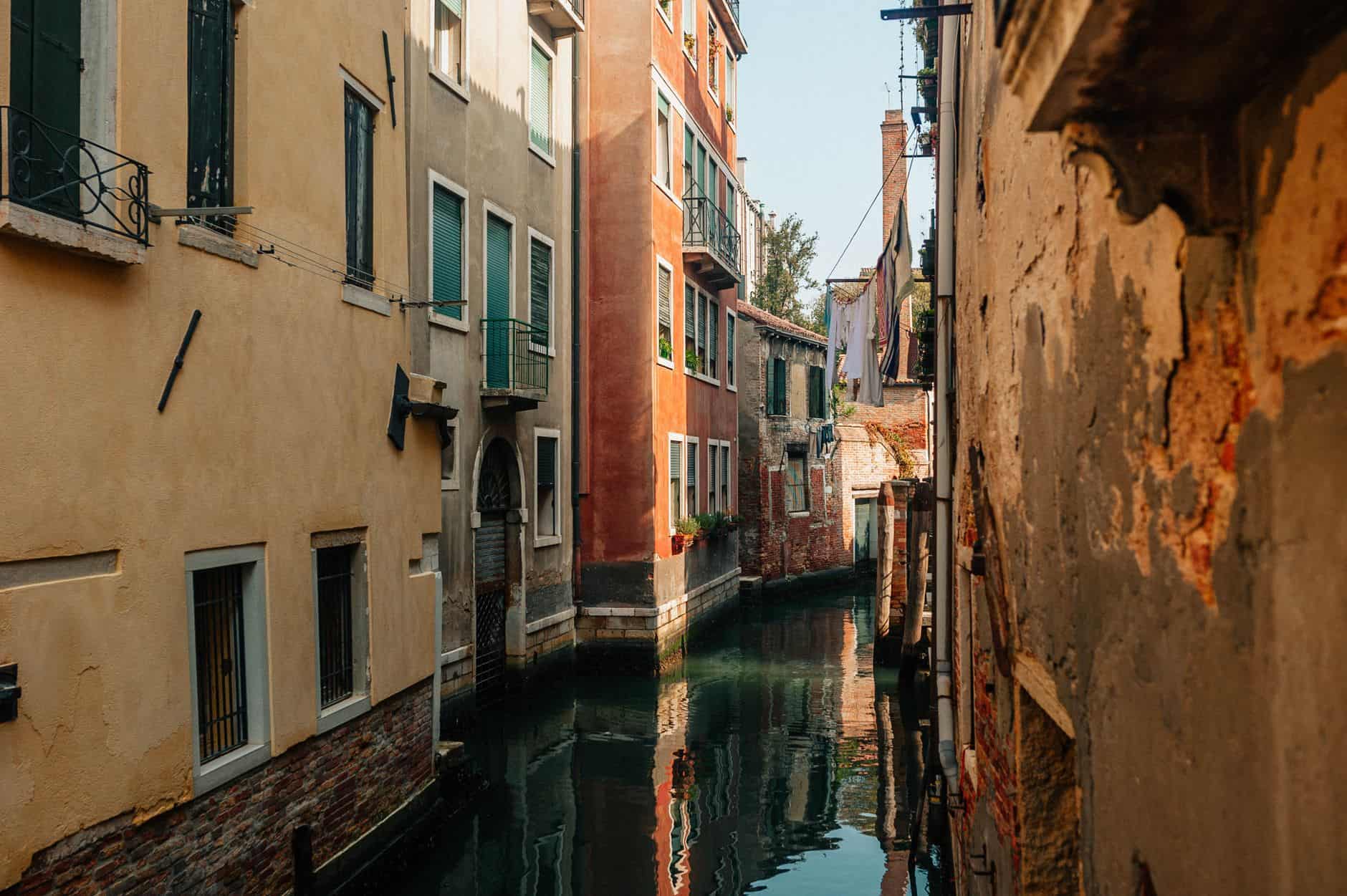
- Venice in January and February
Venice in July is an infrastructure crisis. Venice in January is a different city. The water is grey, the light is specific and extraordinary, the restaurants are empty enough that the owners sit with you, and the Rialto Market actually functions as a market rather than a photography backdrop. The caveats: acqua alta (high water flooding) is most frequent in November through January, and some smaller businesses close for January. But January and early February represent the genuine off-season that travel clichés are describing when they promise you a transformed experience. - Dubrovnik in November
Dubrovnik’s peak season has become unmanageable — the city introduced visitor caps for the old town because cruise ship day-trippers were reaching 8,000 to 10,000 per day in summer. In November, the ships largely stop. The old town is quiet in a way that’s close to what it must have been before Game of Thrones made it a pilgrimage site. Restaurants that spend summer turning tables rapidly will actually talk to you. Temperature in November averages 14 to 17°C (57 to 63°F) — cool but walkable. - Iceland in January and February (and March for Northern Lights)
Iceland in June and July is midnight sun, accessible roads, and full tourist infrastructure. Iceland in January is darkness, aurora borealis windows, dramatic storms, and prices that are 30 to 40 percent lower. The catch is real: some highland roads are completely closed, some tours don’t run, and the weather is genuinely harsh. But the northern lights window is at its best, and the landscape in winter has a quality that summer doesn’t approach.
Europe in November: The Honest Assessment
November is frequently cited as the best month for European travel by people who aren’t taking weather seriously enough. A more granular look:
- Works well in November: Rome (mild temperatures, thin crowds at museums, excellent restaurant service), Lisbon (cool and occasionally rainy but still walkable, prices significantly lower than summer), Vienna (Christmas market season begins late November, genuinely excellent), Prague (cold but functional, dramatically fewer crowds than summer, Christmas market atmosphere from late November)
- Marginal in November: London (grey, damp, dark by 4pm — acceptable if you’re going for culture and museums rather than outdoor experience), Amsterdam (similar to London, though canal-side atmosphere in crisp November air has its advocates), Berlin (cold and grey but the indoor cultural infrastructure makes it viable)
- Not recommended in November: Santorini (most hotels and restaurants closed, skeletal ferry service), Dubrovnik (actually great — see above), smaller Greek islands (tourist-dependent economies go into near-hibernation)
Southeast Asia’s Shoulder Months: When Rain Is the Point
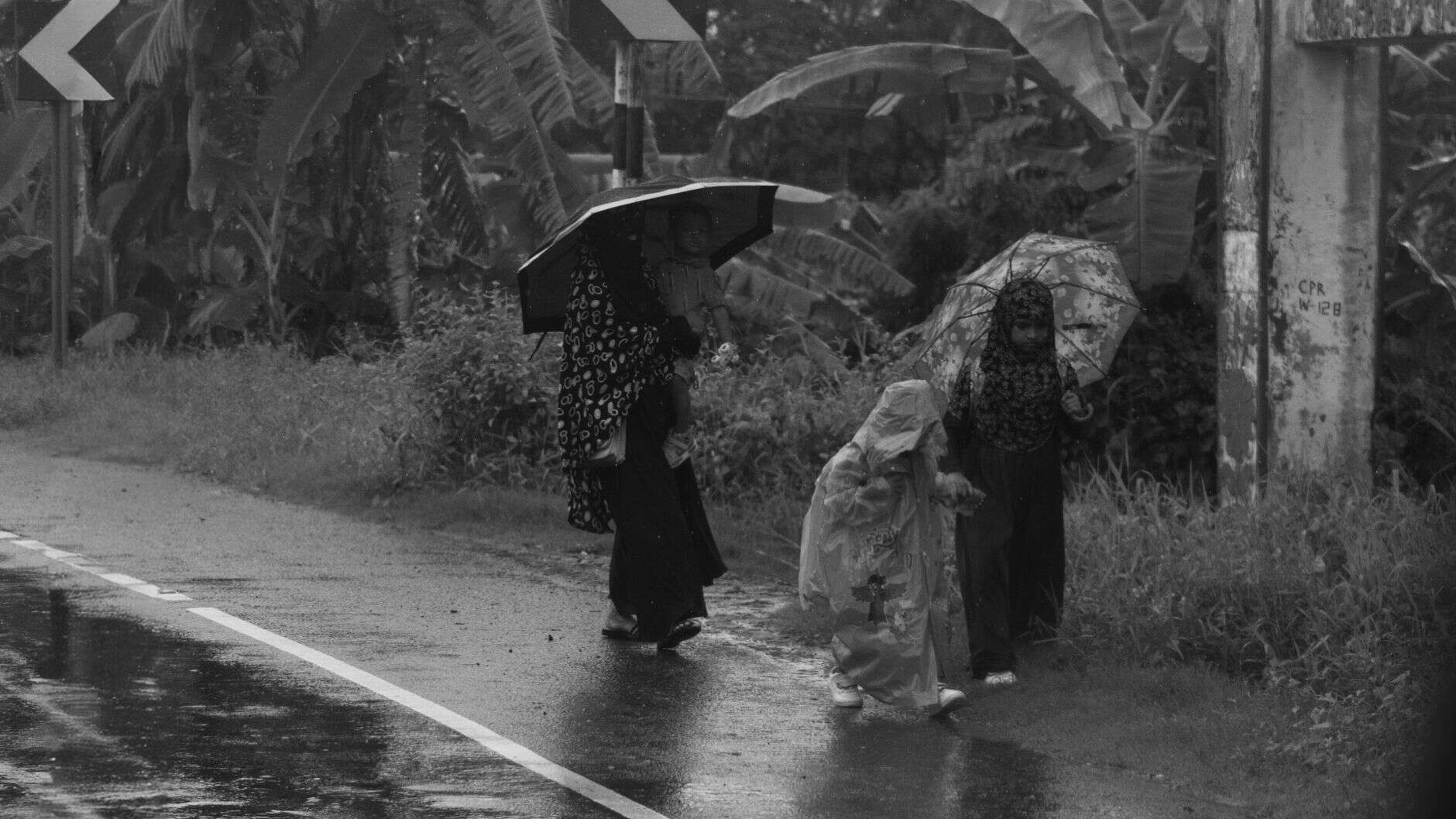
Southeast Asia’s “rainy season” marketing problem is that the word “rain” makes potential visitors imagine days of continuous downpour that make outdoor activity impossible. The reality is more nuanced:
- Thailand in May-June and September-October: These shoulder months bring rain, but typically in afternoon showers of one to three hours, not all-day events. Mornings are often clear. Prices drop 20 to 40 percent. The beaches are greener and less eroded. The tourists are dramatically fewer. The food is the same. This is a genuine off-season win for most travelers.
- Bali in the wet season (November through March): More genuinely impactful rainfall than Thailand’s shoulder season, with some days of continuous grey. The upside: lush vegetation at its peak, rice paddies their most intensely green, dramatically fewer tourists, and significantly lower accommodation prices. The downside: the surf is better for experienced surfers (bigger waves) but worse for beginners, and some days are genuinely limited by weather.
- Vietnam’s regional variation: This is the key insight about Vietnam that most content misses. Vietnam’s climate runs from north to south in opposite patterns. When it’s dry season in Ho Chi Minh City (November through April), it’s rainy season in Hanoi, and vice versa. “Rainy season Vietnam” is meaningless — you need to specify which part of the country.
The Caribbean in Hurricane Season: Specific Islands Where the Math Works
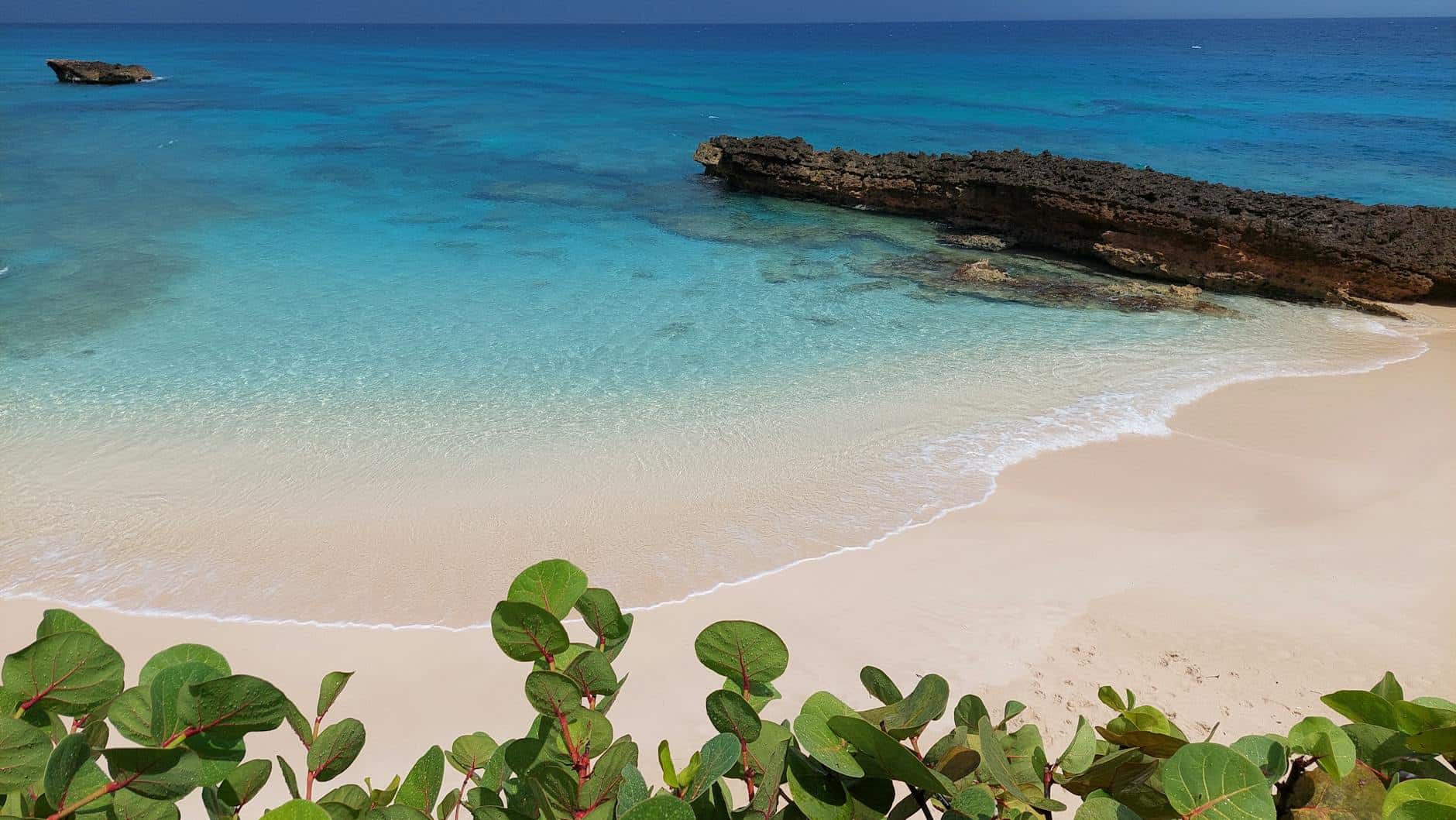
Hurricane season in the Caribbean runs June through November, with peak probability in August and September. Most travel content treats this as a binary: “avoid the Caribbean in hurricane season.” The reality is more specific:
- The ABC Islands (Aruba, Bonaire, Curaçao): These southern Caribbean islands sit below the hurricane belt. They have the same off-season price reductions without the meaningful hurricane risk. September in Aruba offers 30 to 50 percent lower hotel rates and half the crowds of January. This is a legitimate off-season opportunity.
- Trinidad and Tobago: Similarly positioned south of the primary hurricane path, with smaller tourist infrastructure but genuinely reduced prices in the low season.
- Barbados and other eastern Caribbean islands: Hurricane-prone but significantly less impacted on average than the northern Lesser Antilles. The risk is real but statistically modest if you have travel insurance and flexible departure options.
- The honest math: Book a refundable rate, get comprehensive travel insurance that covers hurricane disruption, and the financial risk of visiting the Caribbean in September is manageable. The non-financial risk (the hurricane itself, if it hits) is why insurance exists.
Japan Off-Peak: What ‘Better’ Actually Means in Context
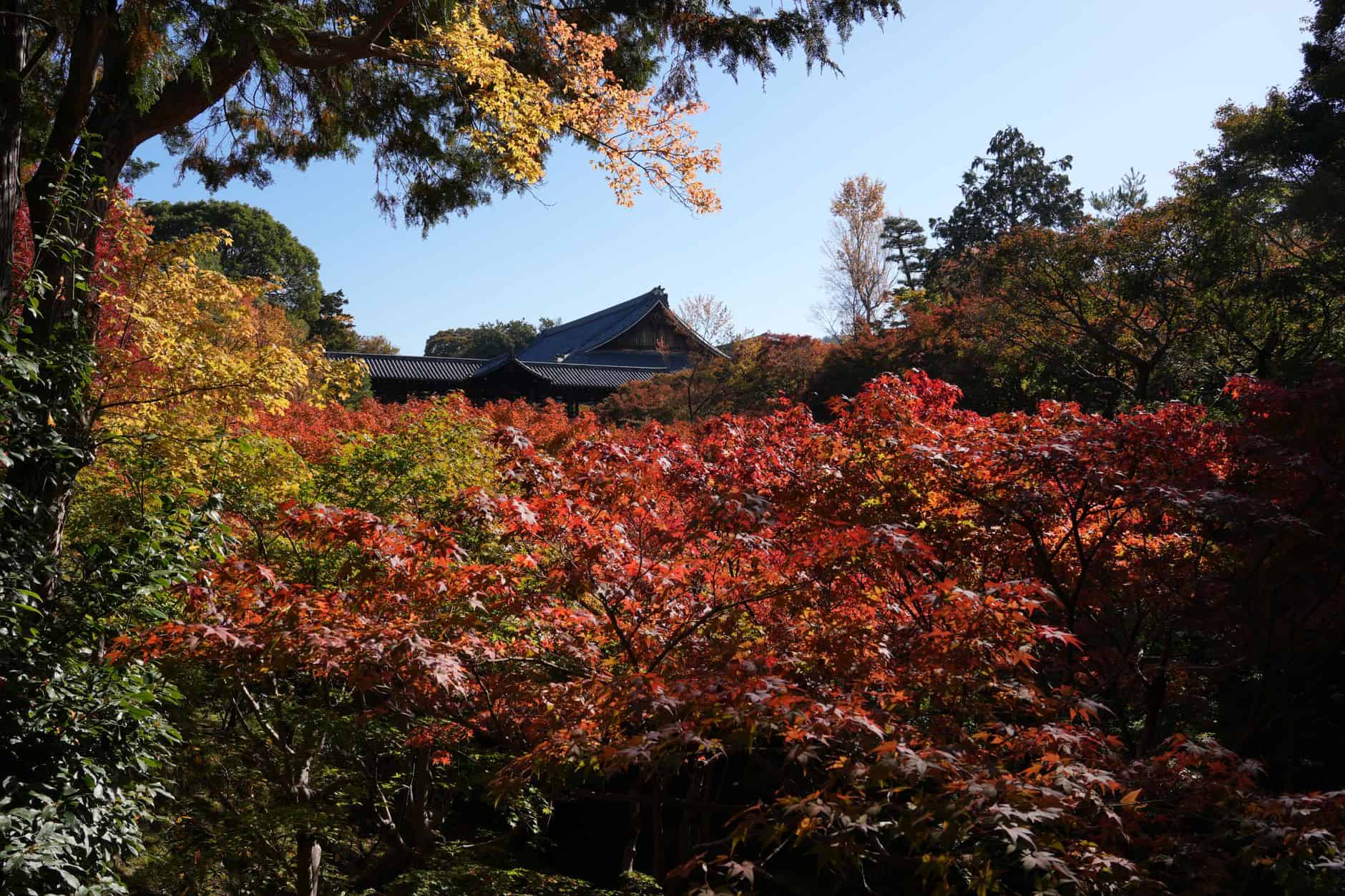
Japan is one of the destinations most frequently cited for off-season travel — and also one where the advice requires the most nuance, because Japan’s “off peak” periods are less about crowd reduction and more about experiential tradeoffs:
- Cherry blossom (late March to early April): Universally agreed to be spectacular, universally agreed to be insanely crowded. Not an off-season.
- Autumn foliage (mid-November to early December): Also spectacular, also popular but slightly less overwhelmingly so than cherry blossom season. Prices are high but manageable.
- January and February: The genuine off-peak. Crowds at Kyoto’s major temples are a fraction of peak season. Prices are 20 to 30 percent lower. The landscape in winter has an austere quality that many photographers prefer. The challenge: some outdoor activities are limited, some ryokan with outdoor baths are at maximum appeal but limited availability, and cold temperatures require real preparation.
- June (rainy season): Hydrangea season, which most foreigners miss entirely, produces some of Japan’s most distinctive seasonal imagery. Crowds are at a post-Golden Week low. The rain is real but manageable with the right gear and itinerary.
National Parks in the US: The Specific Window That Most People Miss
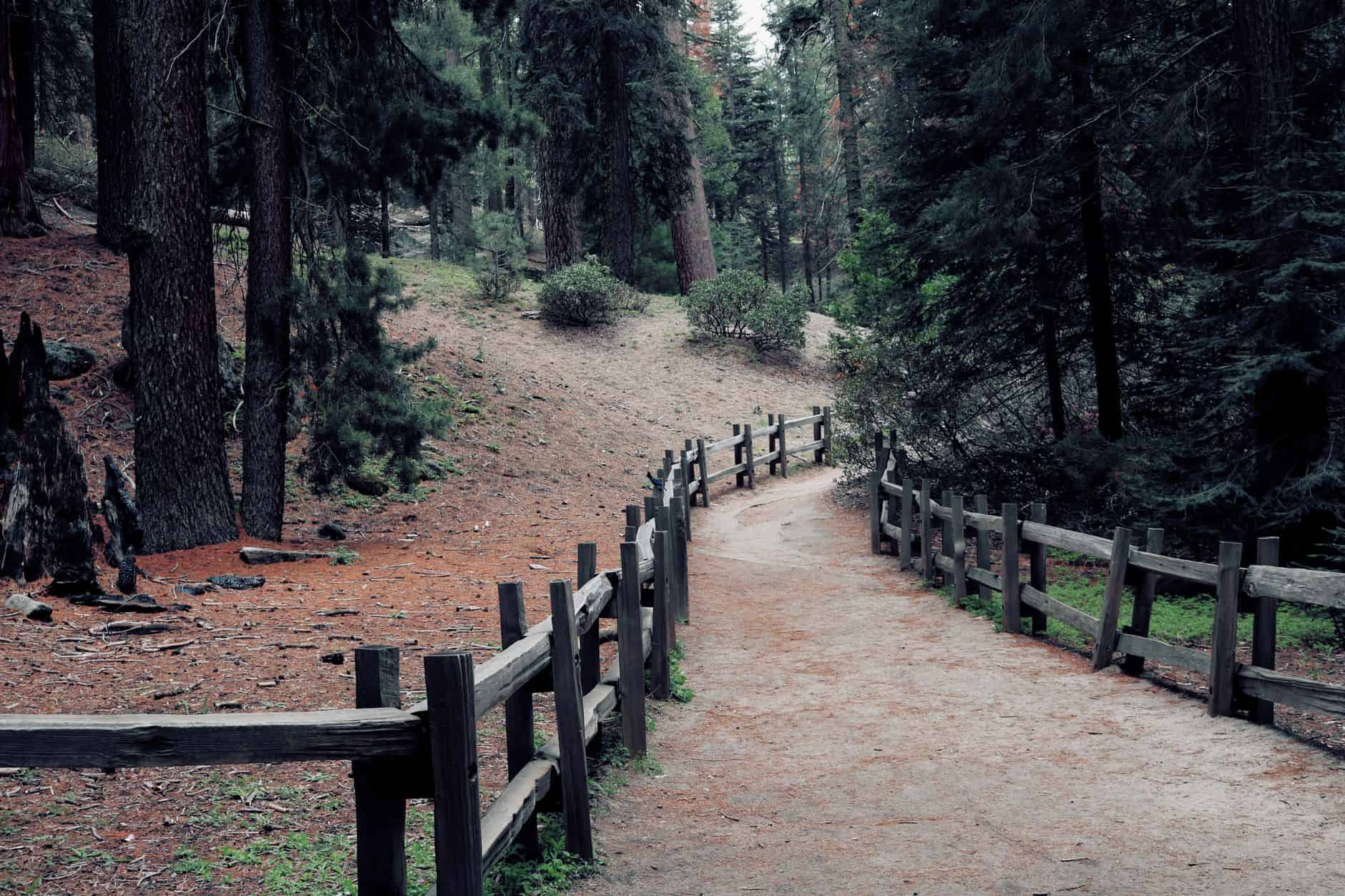
American national parks have experienced visitation increases that have transformed the experience at peak season. The specific off-season windows that work:
- Zion National Park in November: Zion in July involves mandatory shuttles, packed trails, and temperatures exceeding 100°F. Zion in November has open roads (the shuttle season ends in early November), temperatures in the 40s to 60s, fewer crowds than any other season, and the canyon colors at their autumn peak. This is the specific window that Zion regulars keep quiet about.
- The Grand Canyon South Rim in January: The rim road is open year-round. Snow on the canyon rim against the red rock is one of the park’s most striking visual experiences. Temperatures are cold but manageable with layers. Lodging is available without six-month-advance booking. The inner canyon is actually safer for hiking in January than in summer (where heat stroke risk is serious).
- Glacier National Park in September: The Going-to-the-Sun Road is typically open until mid-October. The summer crowds peak in July and August and thin meaningfully by mid-September. Fall colors begin. Temperatures are cooler for hiking. This is broadly understood within the hiking community but less known among general tourists.
- Yellowstone in May: The park reopens from winter closures in stages through May. Wildlife viewing in early May (before summer crowds arrive) is at its annual peak — bison calving, bears emerging, minimal human competition for viewing spots. Some facilities are still closed, but the core of the park is accessible.
Destinations Where ‘Off Season’ Just Means Different Tourists, Not Fewer
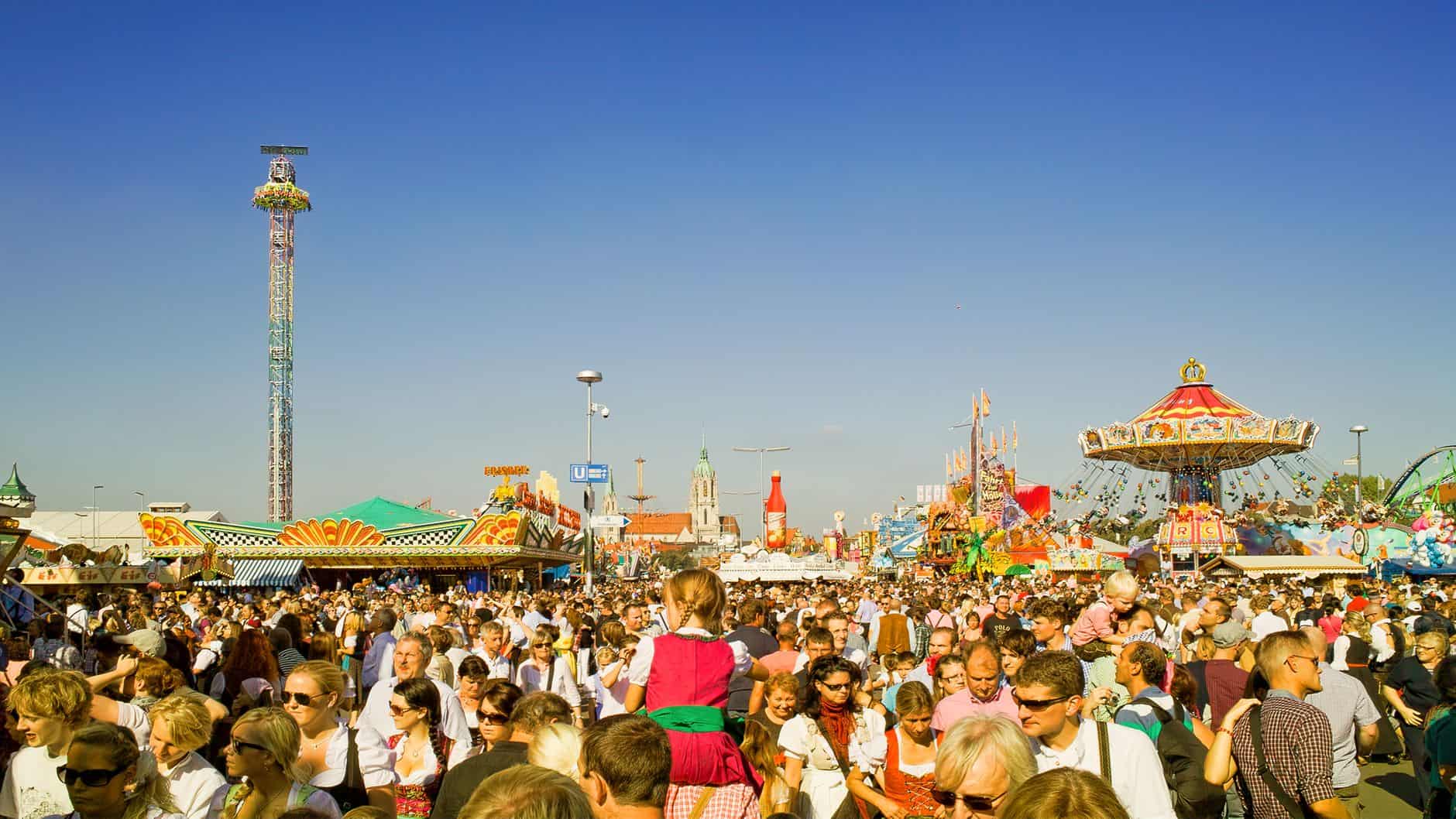
Honesty requires naming these:
- Barcelona: Barcelona receives tourists from different origin markets in different seasons — North Americans and Northern Europeans in summer, Spanish domestic tourists on holiday weekends year-round, Asian tourists distributed across the year. The “off season” (November through February) is genuinely quieter at major attractions but the city is never empty and “shoulder season” prices are relatively modest reductions.
- Cancún and the Mexican Caribbean: When American spring breakers leave, spring break from Canada, Mexico City, and other Latin American markets fills the gap. True low season exists in June and September, but “off season” advice that doesn’t specify months is misleading.
- Bali’s Canggu and Seminyak: These neighborhoods have attracted a permanent expat population and digital nomad community large enough that the “tourist” season is a permanent state, varying more in character (surf culture in one month, music festival crowd in another) than in total volume.
- Prague, Bruges, and other European “hidden gems”: These destinations have been “discovered” to the point where off-season in the European tourism calendar means they’re receiving Asian tour groups instead of Western European backpackers. Still better than peak, but not the transformation the clichés suggest.
The off-season advice that actually helps is specific: this place, these months, for this reason. Everything else is travel content filler that sounds wise and means nothing.