Airlines Lost Your Bag — Here’s the Claims Process Nobody Explains Until It’s Too Late, the Maximum Payout Math, and the Cases Where People Got Nothing
We may earn money or products from the companies mentioned in this post. This means if you click on the link and purchase the item, I will receive a small commission at no extra cost to you ... you're just helping re-supply our family's travel fund.
You’ve done everything right. You checked in early. You tagged the bag with your contact information. You watched it disappear down the conveyor belt at the check-in counter. You arrived at baggage claim and waited. And waited. And watched the carousel spin empty laps while the other passengers collected their bags and left.
Your bag is not coming.
What happens next is a process that airlines have designed to be navigable by the determined and opaque to everyone else. The maximum compensation you’re legally owed is not posted anywhere visible. The documentation requirements aren’t explained at the baggage claim desk. The difference between a delayed bag, a damaged bag, and a lost bag — and why that distinction matters enormously for your claim — is buried in airline policies that you agreed to when you bought the ticket.
Here is what you actually need to know.
The Three Categories of Bag Problems — and Why They’re Handled Differently

Airlines distinguish between three categories of baggage problems, and the category determines your rights, your timeline, and your ultimate compensation:
- Delayed baggage: The bag is separated from you temporarily and is expected to be recovered. This is the most common category. Airlines have 21 days (for international flights under the Montreal Convention) to locate and deliver a delayed bag before it’s reclassified as lost. During this period, you may be entitled to interim reimbursement for essential items you need to purchase.
- Lost baggage: Either the airline officially declares the bag lost, or the 21-day delay period has expired. At this point, you can file a formal claim for the bag’s contents.
- Damaged baggage: The bag was returned to you but with damage to the bag itself or the contents. This has a shorter reporting window — most airlines require you to report damage before you leave the airport, or within 24 hours for domestic US flights and 7 days for international flights.
The practical mistake most travelers make: treating a delayed bag as a waiting problem rather than starting documentation immediately. The clock starts running from the moment the bag doesn’t arrive, not from when you file.
The Maximum Payout Limits: What the Law Actually Requires

This is the number that surprises most people, because it’s lower than they expect and calculated in a way they don’t understand.
- Domestic US flights: Under the Department of Transportation regulations, airlines are liable for up to $4,700 per passenger for lost, damaged, or delayed baggage on domestic flights (this figure is adjusted periodically; the current figure reflects 2024 DOT adjustments). This is not automatic payment — you have to prove the value of what you lost.
- International flights under the Montreal Convention: The liability limit is expressed in Special Drawing Rights (SDRs) — a currency basket maintained by the IMF. The current limit is approximately 1,288 SDRs, which converts to roughly $1,700 USD as of 2025. This applies to most international travel on most major carriers.
The catch: “up to” doesn’t mean “automatically.” Airlines will pay the documented value of what you lost, up to the maximum limit. If you can’t document the value, they don’t have to pay it.
The Documentation You Need — and When You Need It

This is where most lost-bag claims fail. The documentation requirements:
- Property Irregularity Report (PIR): The form you file at the airport’s baggage claim desk immediately when the bag doesn’t arrive. You need this. Without a PIR number, most claims can’t even be initiated. File it at the airport, not when you get to the hotel.
- Receipts for the bag’s contents: You need to document what was in the bag and what it was worth. If you have receipts, this is straightforward. If you don’t have receipts — which is most people for most things — you can use purchase records from credit card statements, Amazon order history, or manufacturer documentation. Bank statements showing the transaction are usually acceptable.
- Receipts for interim purchases: If your bag is delayed and you buy emergency items — toiletries, a change of clothes — keep every receipt. These reimbursable expenses have limits (airlines typically cap at $50 to $100 per day for delays), but you can only claim what you can document.
- Proof of checked baggage: Your baggage claim ticket and the portion of your boarding pass that confirms you checked a bag. If you used a digital boarding pass, screenshot it before the flight or ensure you have the booking record.
- Travel dates and itinerary: This seems obvious but airlines have rejected claims due to incomplete itinerary documentation.
The Claims Process, Step by Step
- File the PIR at the airport immediately. Don’t leave without it. If the airline’s baggage desk is unstaffed or overwhelmed, ask for a supervisor. The PIR is not optional.
- Request the airline’s interim expense policy in writing. Ask specifically: what is the daily limit for interim expense reimbursement, what categories are covered, and what is the submission process. Get this in writing or screenshot the conversation.
- Purchase only what’s essential and document everything. Airlines will reimburse reasonable and necessary purchases. “I bought a cashmere sweater because mine was in the bag” is a tougher argument than “I bought a three-day supply of toiletries and two changes of clothes.”
- Track the bag through the airline’s system. Most airlines have a baggage tracking portal where you can monitor search status. Screenshots of these records strengthen your case.
- At 21 days, if not recovered, officially request reclassification as lost. You may need to prompt this — airlines don’t always proactively reclassify.
- Submit your formal claim with all documentation. This includes the PIR number, receipt documentation for bag contents, interim expense receipts, and any communication records with the airline.
- Escalate if the offer is unreasonable. If the airline’s settlement offer is significantly below documented value, you can escalate to the DOT’s consumer complaint system (for US domestic flights) or file a complaint with the aviation authority in the relevant country.
The Cases Where People Got Nothing — and Why

Lost-bag claims fail for predictable reasons:
- No PIR filed at the airport. This is the most common failure. A traveler waits, hopes the bag will turn up, goes to the hotel, and then realizes hours later the bag isn’t coming. By the time they contact the airline, the ability to file a proper claim is compromised.
- Can’t document the contents. A person packed $3,000 worth of clothing and equipment. They have no receipts because they bought things over years with cash or old credit cards. The airline offers $400 based on their estimate. With no documentation, the traveler has limited recourse.
- Claimed items that aren’t covered. Electronics, jewelry, cameras, and other high-value items are specifically excluded or severely limited in most airline liability policies. Someone who packed a $2,000 camera and $800 in jewelry may find those items completely excluded from the settlement.
- Missed the damage reporting window. A traveler whose bag arrived damaged didn’t notice until they got to the hotel. They report it the next morning, 18 hours after arrival. The domestic window is 24 hours, but some airlines have shorter windows — and they enforce them.
- Flew on a codeshare and couldn’t figure out who was responsible. When you book on one airline and fly on another, responsibility for baggage is typically with the operating carrier — but the passenger often files with the marketing carrier. The resulting confusion delays the claim past the filing deadline.
Your Credit Card Might Cover What the Airline Won’t
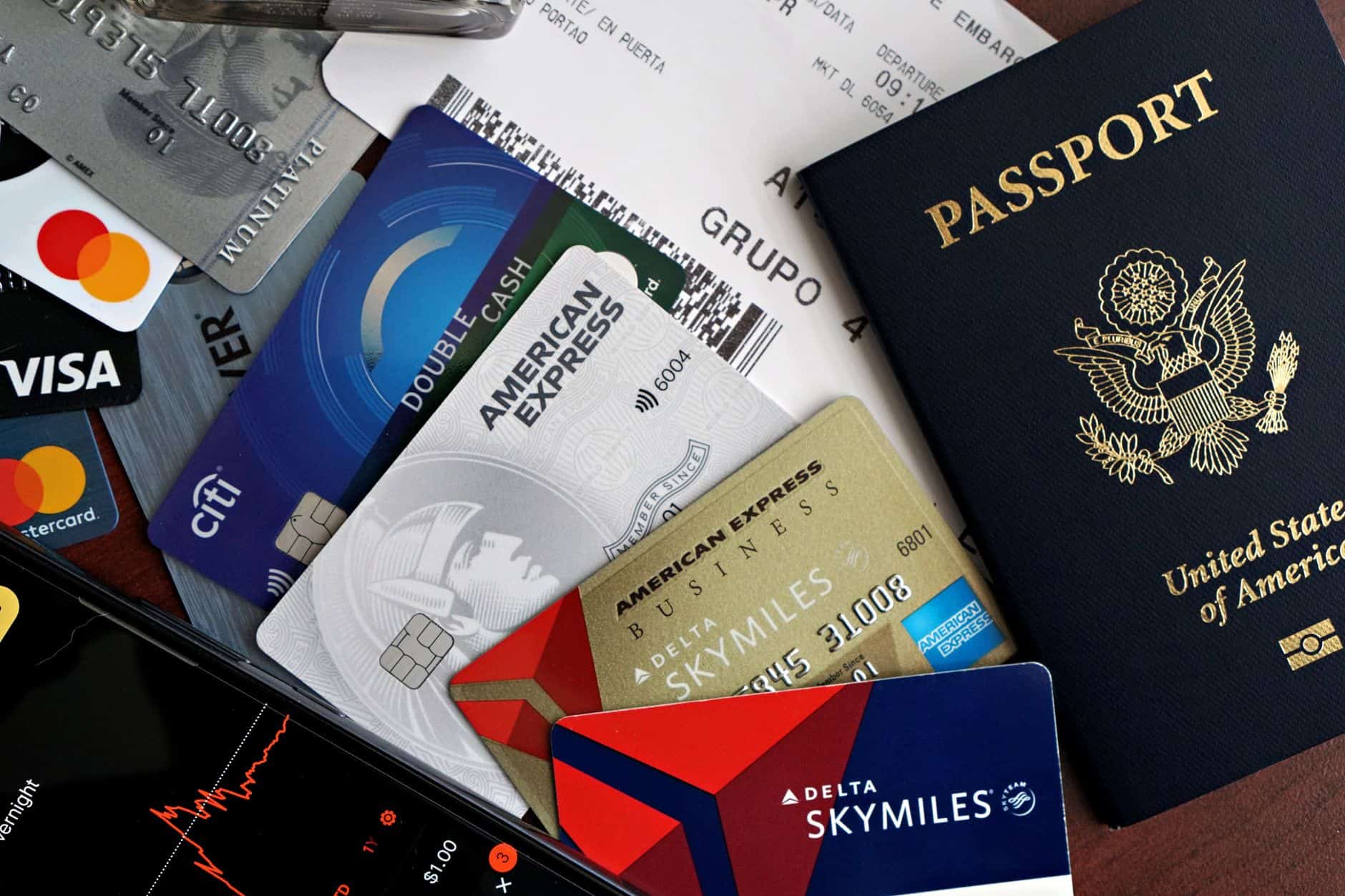
Many premium travel credit cards include baggage delay and lost luggage insurance that can supplement what the airline pays:
- Chase Sapphire Reserve: Baggage delay insurance reimbursing up to $100 per day for five days when the bag is delayed more than six hours. Lost luggage reimbursement of up to $3,000 per passenger.
- Amex Platinum: Premium Global Assist includes a baggage assistance hotline, and the card includes trip delay protection that can cover ancillary costs of travel disruption including baggage issues.
- Capital One Venture X: Lost luggage reimbursement and baggage delay protection are included, though limits vary.
The credit card coverage stacks on top of the airline’s liability — you can claim from the airline first and then claim the remaining gap from the credit card, up to the card’s limits. But you need to have paid for the ticket with that credit card for the coverage to apply.
Travel Insurance and Lost Bags: Read the Fine Print First

Travel insurance’s baggage coverage is highly variable across policies and significantly misunderstood:
- Most travel insurance policies have per-item limits on valuables — often $250 to $500 per item — that make expensive items effectively uncoverable
- Many policies require that you report the loss to police (for theft) or the airline (for airline-caused loss) within a specific time window, often 24 to 48 hours
- Some policies only cover bags lost during the “trip” as defined by the policy — which can create gaps if your bag is permanently lost before the policy’s trip definition begins
- The aggregate policy limit for baggage is often $1,000 to $3,000, which sounds substantial until you calculate how quickly that’s consumed by per-item limits on the things most worth insuring
The Items Airlines Will Never Pay For, Even With Documentation

The standard airline liability policy explicitly excludes several categories of items:
- Electronics (cameras, laptops, tablets) — often completely excluded or limited to minimal amounts
- Jewelry and watches — usually excluded
- Cash and financial instruments
- Fragile items that weren’t properly packed — if the airline can argue the item was inherently fragile and your packing contributed to the damage, they will
- Business equipment and samples
- Irreplaceable items — family photographs, custom artwork, items with sentimental but not assessed value
The practical implication: do not check electronics, jewelry, cash, or anything irreplaceable. Ever. The liability protection for checked bags was designed for clothing and ordinary travel supplies. Everything else either goes in your carry-on or stays home.
If you insist on checking valuables, the airline’s declared value program — where you pay a fee at check-in to declare a higher liability limit — is the only mechanism to get higher coverage from the airline. The fee is typically 0.5 to 1.5 percent of the declared excess value and must be purchased at check-in, not after the bag is lost.