Edina and Hopkins Have Better Restaurants Than Half of Downtown Minneapolis Now. Nobody Visiting the Twin Cities Knows That.
We may earn money or products from the companies mentioned in this post. This means if you click on the link and purchase the item, I will receive a small commission at no extra cost to you ... you're just helping re-supply our family's travel fund.
Visitors to the Twin Cities almost universally plan their trip around Minneapolis proper and maybe a walk through downtown St. Paul, with the surrounding suburbs treated as pass-through commuter zones rather than actual destinations. That assumption misses a genuine shift that’s happened over the past decade: suburbs like Edina, Hopkins, Minnetonka, and St. Louis Park have developed restaurant scenes, walkable downtown cores, and cultural amenities that increasingly rival or exceed what visitors find in central Minneapolis, driven by a combination of wealthy suburban demographics, deliberate downtown redevelopment, and, in Hopkins’s case, a light rail extension that’s remade a formerly sleepy suburb into a genuine walkable destination.
What actually changed in these specific suburbs

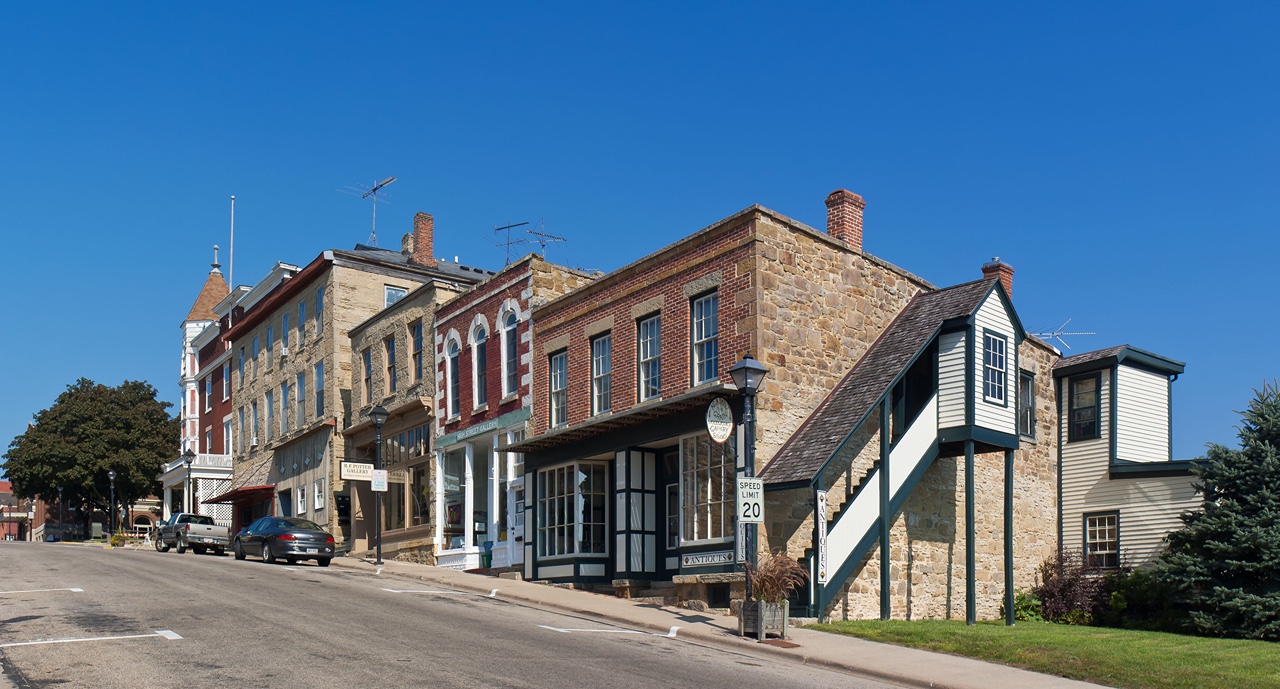
Edina’s 50th and France commercial district has functioned for decades as one of the Twin Cities’ most upscale shopping and dining strips, anchored by longtime staples and a steady stream of newer restaurant openings that increasingly draw diners specifically from Minneapolis rather than the reverse. The area benefits from Edina’s high median household income, consistently among the highest of any municipality in Minnesota, which supports restaurant price points and quality that a purely tourist-driven downtown district often can’t sustain outside of peak seasons. Hopkins has undergone a more dramatic transformation, driven substantially by the 2023 opening of the Green Line light rail extension connecting it directly to downtown Minneapolis, which triggered a wave of transit-oriented development and new restaurant and retail openings along Mainstreet, the town’s historic core, turning a sleepy former industrial suburb into a genuine draw in its own right.
Minnetonka and St. Louis Park have followed similar but somewhat less dramatic trajectories, with St. Louis Park’s Excelsior & Grand development creating a walkable, mixed-use town-center feel that didn’t exist in the area two decades ago, and Minnetonka’s proximity to Lake Minnetonka giving it a lake-town character distinct from the flatter, more purely commercial feel of some other suburbs.
Minneapolis city officials and business groups have acknowledged the downtown recovery challenge directly, launching initiatives aimed at converting vacant office space to residential use and offering incentives for new restaurant and retail openings, following a playbook other struggling American downtowns have attempted with mixed success nationally. Whether these efforts meaningfully close the gap with suburban competitors like Edina remains genuinely uncertain, since office-to-residential conversion is an expensive, slow process, and the suburbs’ advantages — stable, wealthy local demographics and lower commercial rents relative to prime downtown real estate — aren’t easily replicated through downtown-specific policy alone.
Why downtown Minneapolis has struggled by comparison
Downtown Minneapolis has faced a genuinely difficult post-pandemic recovery, with office vacancy rates climbing sharply as remote work reduced weekday foot traffic that many downtown restaurants depended on for lunch and after-work business. The city has also dealt with a public perception problem around downtown safety following the unrest after George Floyd’s murder in 2020, a perception that’s shifted crime and investment patterns in ways still being felt years later, regardless of current, on-the-ground safety statistics for most heavily trafficked areas. That combination — reduced office worker foot traffic and a lingering safety perception — has made it harder for downtown Minneapolis restaurants to sustain the kind of consistent, high-quality dining scene that a more residentially stable and wealthier suburb like Edina can support with local demand alone, independent of tourism or office worker lunch crowds.
What’s actually worth the drive from a Twin Cities visit
- 50th and France in Edina — upscale shopping and dining in a genuinely walkable strip
- Hopkins Mainstreet, now easily reachable via the Green Line extension light rail
- Excelsior & Grand in St. Louis Park for a mixed-use, town-center feel
- Wayzata, on Lake Minnetonka, for lake views paired with a small, upscale downtown strip
What this says about how Americans think about suburbs
The Green Line light rail extension’s impact on Hopkins specifically illustrates how directly transit investment can reshape a suburb’s commercial viability, since the line gave the town a genuine, car-free connection to downtown Minneapolis for the first time, immediately changing the calculus for restaurant and retail investors who previously viewed Hopkins as purely car-dependent and therefore limited in its walkable commercial potential. Other Twin Cities suburbs along planned future transit expansions are already seeing similar early-stage investment interest, suggesting the Edina-and-Hopkins pattern may extend to additional suburbs over the coming decade as the broader metro’s transit network continues growing.
The assumption that “downtown equals destination” and “suburb equals commuter pass-through” is baked deeply into how most American visitors plan city trips, a mental model that made more sense a few decades ago when suburban commercial development genuinely was limited mostly to strip malls and chain restaurants along arterial roads. Twin Cities suburbs like Edina and Hopkins represent a broader, quieter national trend of wealthy and well-planned suburbs building genuine walkable, dense commercial cores that increasingly compete directly with central cities for dining and retail dollars, a shift that’s happened gradually enough that most travel content and visitor guides haven’t caught up to recommending it, even as locals have long since adjusted their own dining habits accordingly.
Property values along the Green Line extension corridor in Hopkins have already climbed noticeably since the line’s 2023 opening, according to local realtors tracking the area, a pattern consistent with what transit-oriented development has produced in other American metros where new light rail service reliably increases nearby property values and commercial rents within just a few years of opening.