Airline Booking Systems Show People Prefer Window and Aisle Seats. Almost Nobody Wants the Middle. Here’s the Actual Psychology.
We may earn money or products from the companies mentioned in this post. This means if you click on the link and purchase the item, I will receive a small commission at no extra cost to you ... you're just helping re-supply our family's travel fund.
Seat selection data collected across airline booking systems consistently shows travelers overwhelmingly avoid middle seats in favor of window or aisle options, a pattern intuitive enough that it barely needs research to confirm. What’s less obvious is why people split so consistently between window and aisle specifically, and researchers studying seat-selection behavior have found the underlying psychology involves more than simple comfort preference.
What the Research Actually Found
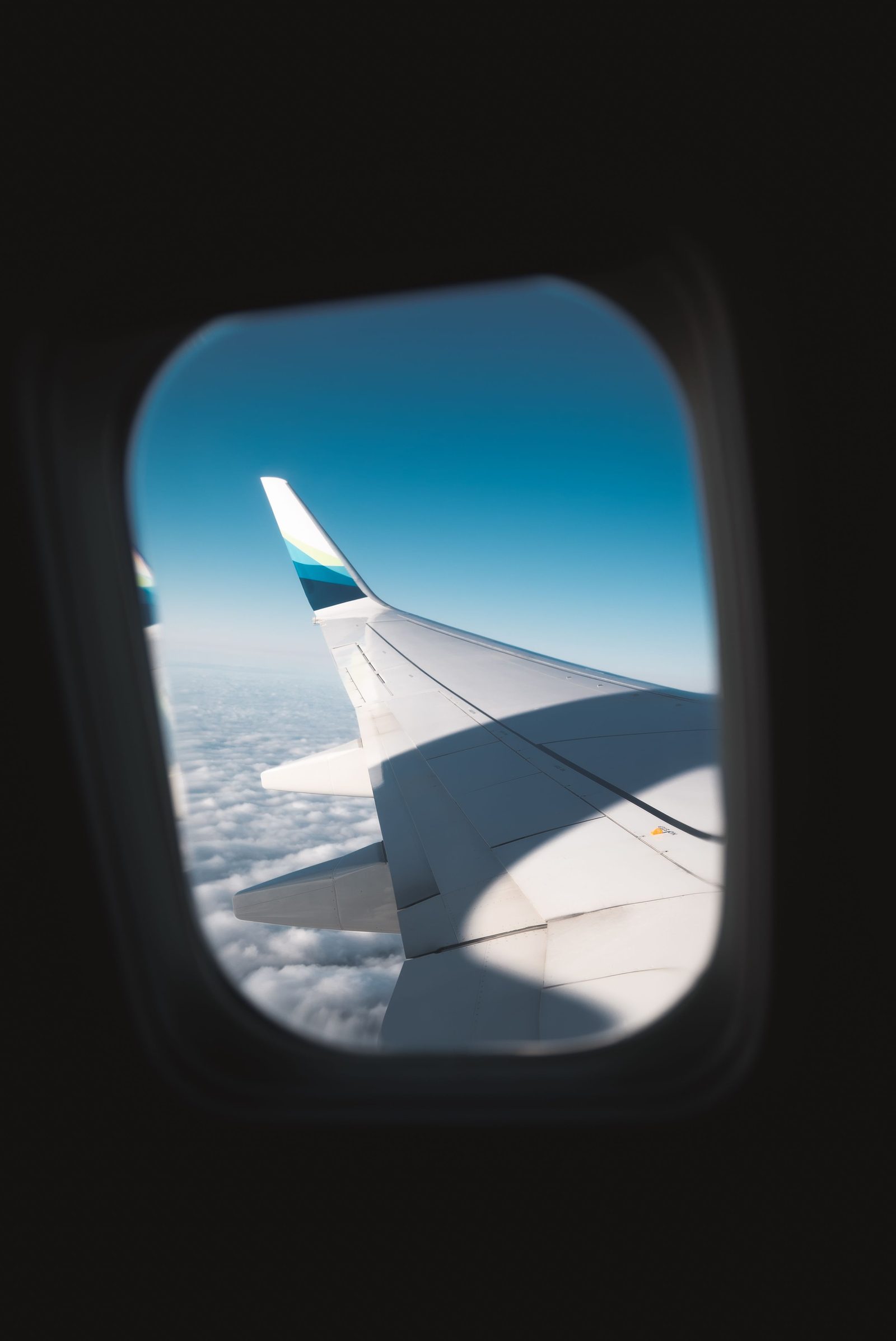
A study from University of Edinburgh researchers examining seat-selection behavior found that participants demonstrated not just a preference for window and aisle seats over middle seats, but also a measurable rightward bias — a tendency to select seats on the right side of the aircraft cabin regardless of how the seating chart was oriented on screen — along with a preference for seats toward the front of the plane (University of Edinburgh research). The researchers noted this contradicted some earlier work suggesting a general leftward perceptual bias in humans, described as pseudoneglect, and instead pointed to a more specific and previously undocumented rightward bias specific to how people visualize aircraft cabin layouts.
Why Window and Aisle Preferences Diverge So Sharply From Middle Seats
- Window seat preference correlates strongly with a desire for a fixed point of reference and personal territory — a wall to lean against and a view that provides a sense of control absent elsewhere in the cramped cabin environment
- Aisle seat preference correlates most strongly with a desire for freedom of movement and reduced feelings of confinement, particularly among travelers prone to claustrophobia or motion discomfort
- Middle seat aversion isn’t simply about lacking a specific amenity like a view or aisle access — it reflects a compounding loss of both personal space anchors that window and aisle seats each provide individually
- Frequent flyers disproportionately favor aisle seats specifically for the ability to exit without disturbing seatmates, a practical consideration that becomes more important the more often someone flies
How Airlines Have Learned to Monetize This Psychology Directly
Nearly every major airline now charges a premium for both window and aisle seat selection on basic economy fares, treating the psychological preference documented in seat-selection research as a direct revenue opportunity rather than simply a random assortment process. Some airlines have gone further, using data on which specific seats generate the highest willingness-to-pay across different aircraft configurations to set differentiated pricing tiers within economy class itself, extracting additional revenue precisely from the strength and predictability of passengers’ aversion to middle seats.
What This Means for How You Should Actually Book
Understanding your own specific motivation — control and a view versus freedom of movement — is a more useful starting point than defaulting to whichever seat type you’ve always chosen out of habit. Claustrophobic or restless travelers consistently report higher satisfaction with aisle seats regardless of flight length, while travelers who value the sense of a fixed personal space and enjoy looking out during takeoff, landing, or scenic routes tend to report higher satisfaction with windows, a distinction worth applying deliberately rather than defaulting to whichever seat happened to be available at booking.
What This Means for Solo Travelers Specifically
Solo travelers face a distinct version of the seat-selection calculus, since they don’t need to coordinate seating with a companion and can optimize purely for personal preference rather than compromise. Frequent solo business travelers overwhelmingly gravitate toward aisle seats specifically for the flexibility to move freely without needing to negotiate around anyone else, a pattern airline loyalty program data has reportedly picked up on in how frequent-flier seat assignment defaults are sometimes configured for top-tier members.
A Few Practical Booking Tips
- Seat map apps and airline websites now often show real-time availability for both seat types, useful for last-minute optimization at check-in
- Exit row seats combine aisle-style legroom with their own distinct trade-offs, including required physical ability to assist in an emergency evacuation
- Bulkhead seats eliminate the person-in-front recline issue but often lack underseat storage, a trade-off worth weighing against the seat-type preference itself
The Bottom Line for Your Next Seat Selection
The window-versus-aisle debate isn’t really about the view or the legroom — it’s about which specific kind of control over a cramped, temporary space matters more to you. Knowing that about yourself makes the choice at booking considerably easier.