The Great Lakes Towns Nobody Called a Vacation Destination Ten Years Ago
We may earn money or products from the companies mentioned in this post. This means if you click on the link and purchase the item, I will receive a small commission at no extra cost to you ... you're just helping re-supply our family's travel fund.
The Rust Belt narrative doesn’t fit these towns anymore, and the shift happened faster than most outsiders noticed.
Traverse City: cherries, wine, and eight new hotels
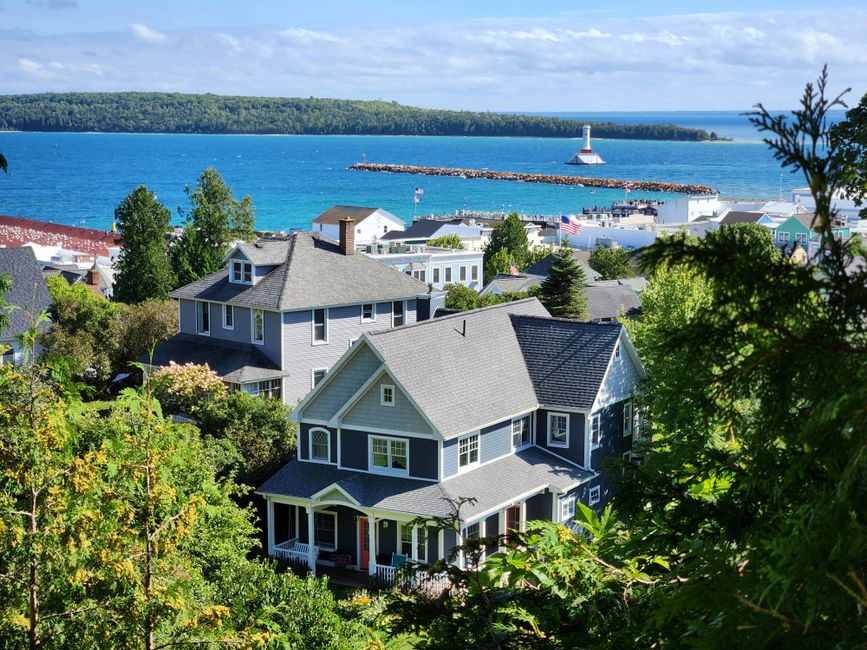
Traverse City built its modern identity around Grand Traverse Bay, the National Cherry Festival, and a wine region along the Old Mission and Leelanau peninsulas that now rivals parts of the West Coast for quality if not scale. Traverse City Tourism has tracked roughly eight new hotels opening in recent years, including a Hyatt House, Marriott Autograph, and Residence Inn, alongside a $10.5 million renovation of the historic Grand Traverse Resort. Short-term rental capacity has also grown year over year, mirroring the same pattern reshaping mountain towns out West.
Marquette: Lake Superior’s outdoor capital
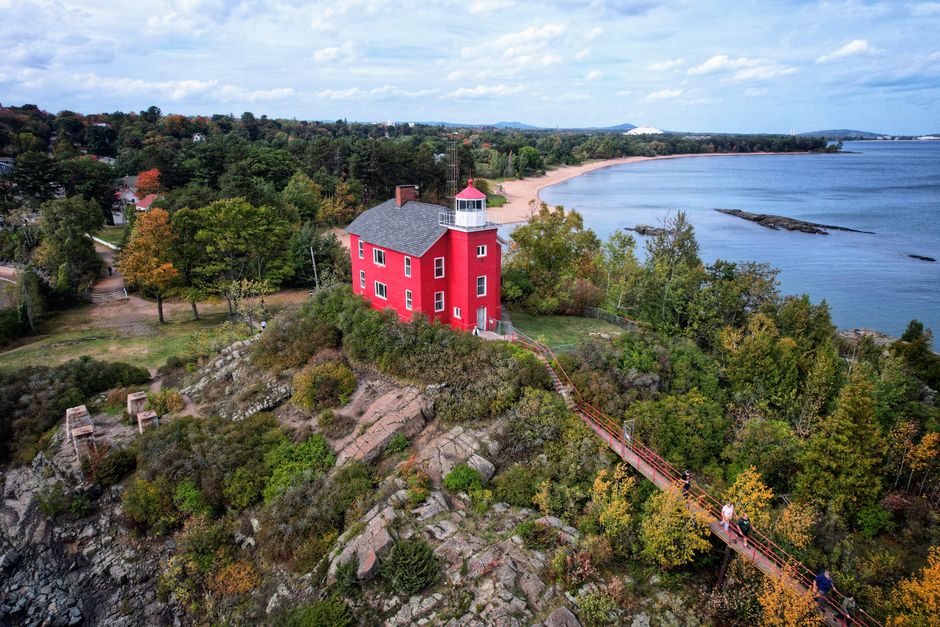
Marquette sits on Lake Superior’s southern shore in Michigan’s Upper Peninsula and has built a reputation around mountain biking, ore dock photography, and access to some of the least crowded Great Lakes shoreline left. Northern Michigan University anchors the local economy alongside tourism, and the town’s downtown has filled in with breweries and outfitters that didn’t exist twenty years ago.
Duluth: the port city that became a destination
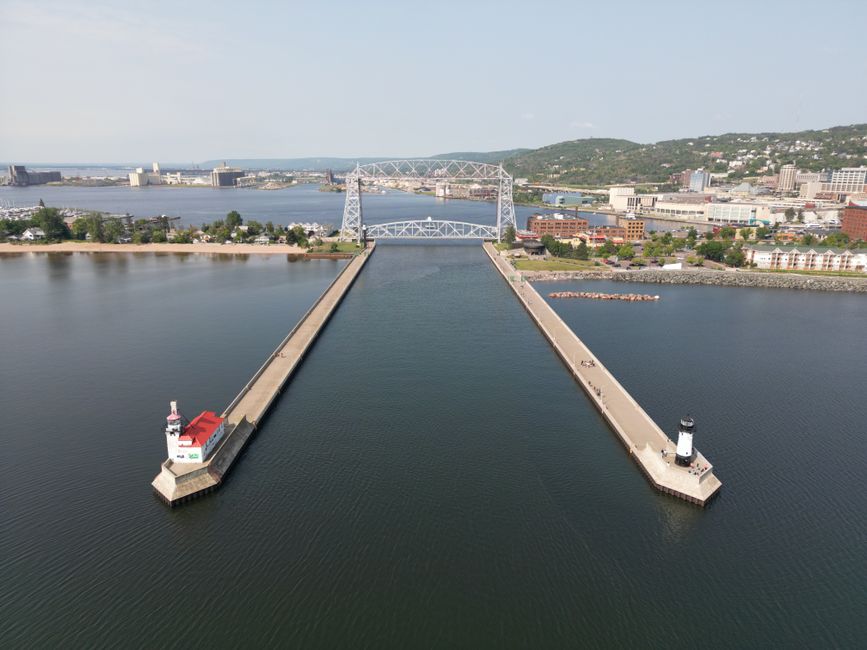
Duluth, Minnesota was long defined by its shipping industry and the Aerial Lift Bridge over the harbor entrance. Canal Park, once a warehouse district, is now the town’s tourist center, packed with hotels and restaurants overlooking Lake Superior. The city has leaned into its outdoor recreation access, from the Duluth Traverse mountain bike trail system to the Lakewalk path along the waterfront.
Erie: the quiet comeback on Lake Erie
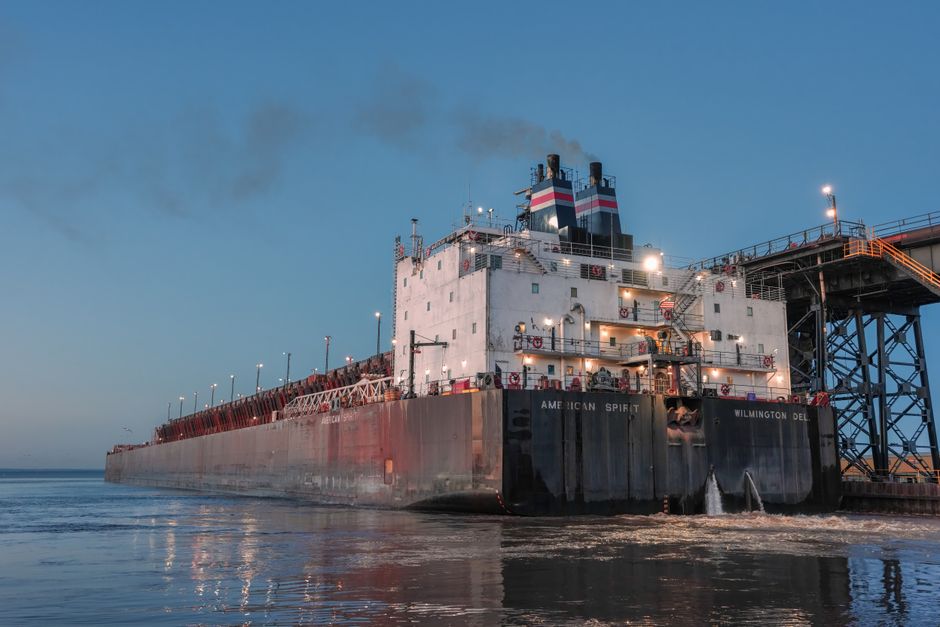
Erie, Pennsylvania has leaned on Presque Isle State Park, a sandy peninsula park that draws beach crowds unusual for a Rust Belt city, to reposition itself as a lake destination rather than just a manufacturing town in decline. It’s a slower transformation than Traverse City’s, but the direction is the same.
What’s driving the shift across all four
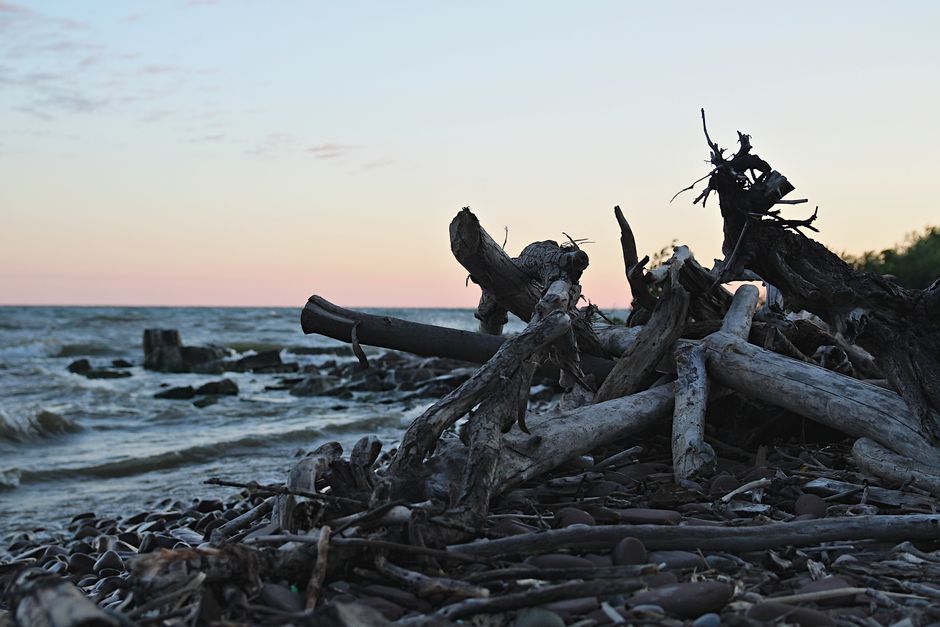
Each of these towns benefited from the same broader trend: Americans rediscovering domestic lake destinations as flights and coastal resorts got more expensive, combined with remote work letting people live somewhere scenic instead of somewhere convenient to an office.
- Traverse City has added roughly eight new hotels in recent years alongside a $10.5 million resort renovation
- Marquette leverages Lake Superior access and mountain biking to draw a younger outdoor-focused crowd
- Duluth converted its Canal Park warehouse district into its primary tourist hub
- Erie uses Presque Isle State Park’s beaches to reposition away from its manufacturing identity
None of these are boomtowns on the scale of Sun Belt cities. But for towns that spent decades being described only in terms of what they used to make, becoming a place people choose to visit, and increasingly to live, is its own kind of turnaround.
The common thread behind all four turnarounds
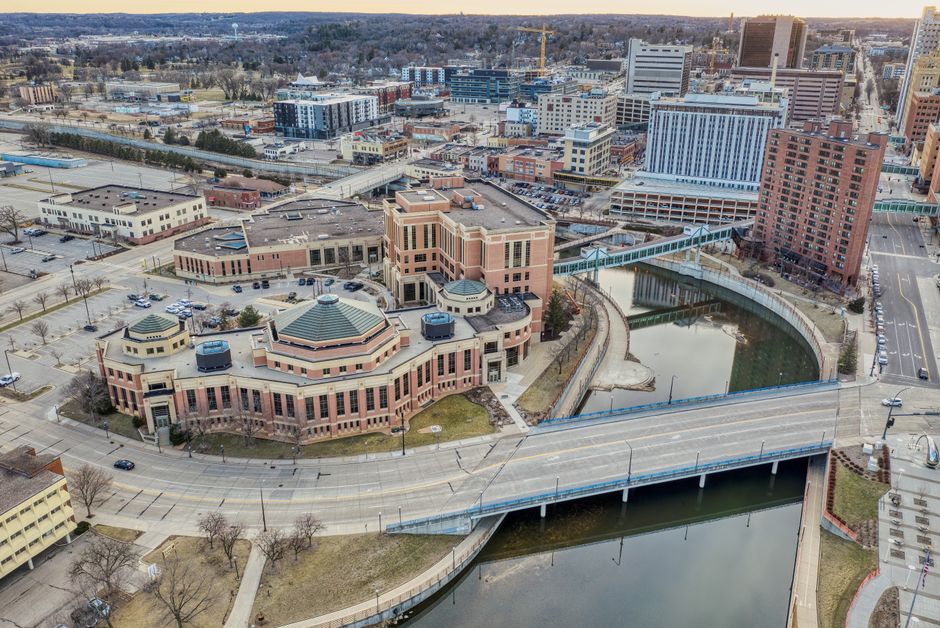
Each of these cities shares a similar arc: a period of population decline or stagnation tied to manufacturing and shipping losses, followed by deliberate reinvestment in waterfront access and downtown districts starting in the 2000s and accelerating over the past decade. Traverse City’s Grand Traverse Bay waterfront, Duluth’s Canal Park, Marquette’s ore dock overlooks, and Erie’s Presque Isle all represent the same basic strategy: turning industrial or underused shoreline into the primary reason to visit.
Remote work flexibility that expanded during the pandemic gave all four towns an additional boost, as professionals who no longer needed to live near a specific office began prioritizing quality of life and access to water and trails over proximity to a major metro. Real estate agents in Traverse City and Duluth have both reported buyers relocating from Chicago, Minneapolis, and Detroit specifically citing lake access as their top priority.
What’s different about each one
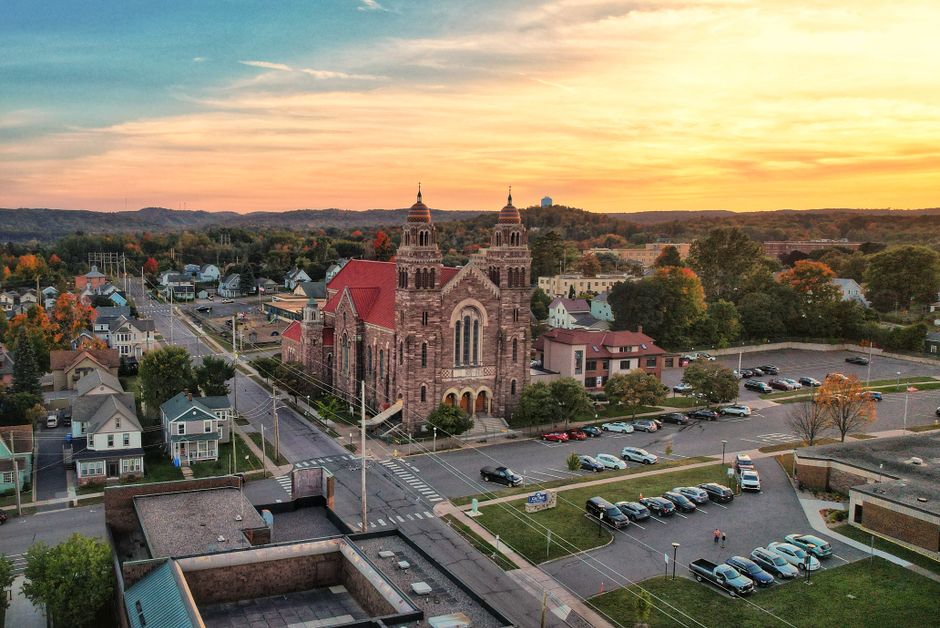
Traverse City leans hardest into food and wine tourism, with its cherry orchards and Old Mission Peninsula wineries giving it a culinary identity none of the other three fully share. Marquette leans into hard outdoor recreation, drawing a younger, grittier crowd of mountain bikers and rock climbers rather than wine tourists. Duluth splits the difference with a mix of outdoor access and a genuinely walkable downtown food scene, while Erie remains the most affordable and least crowded of the four, trading big-name attention for a slower pace.
The limits of the comeback
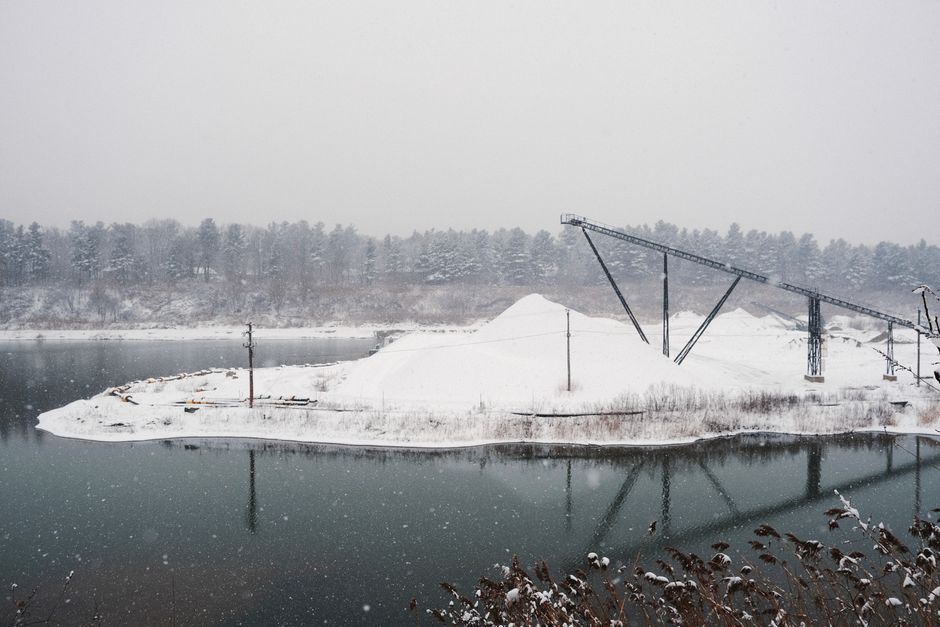
Winters remain a genuine obstacle for all four towns. Lake-effect snow in Marquette and Erie routinely exceeds 100 inches a season, and tourism revenue drops sharply outside the May through October window, leaving service industry workers with a distinctly seasonal income pattern that mirrors, on a smaller scale, the same boom-and-bust rhythm mountain towns out West experience.
- All four towns pursued deliberate waterfront and downtown redevelopment strategies starting in the 2000s
- Remote work migration since the pandemic has brought new buyers from Chicago, Minneapolis, and Detroit
- Traverse City’s identity centers on food and wine; Marquette’s centers on outdoor recreation
- Lake-effect snow and seasonal tourism patterns remain a persistent economic challenge across the region
The Rust Belt label is increasingly outdated for all four of these towns, even if winter still arrives the same way it always has.
Why these towns are worth visiting before they get bigger

All four towns remain considerably less crowded and less expensive than their coastal or mountain equivalents, even as hotel construction and real estate interest accelerate. A week in Traverse City during the National Cherry Festival, held each July, still costs meaningfully less than a comparable coastal New England beach week, while offering a similarly walkable downtown and genuine waterfront access.
That gap won’t necessarily last. Hotel development pipelines in Traverse City alone suggest the town’s lodging capacity will keep expanding for the next several years, a pattern that historically precedes broader price increases across an entire destination’s food, retail, and housing markets.
For now, travelers who make the trip north still find something increasingly rare along America’s coastlines: waterfront towns where a family can afford a week-long stay without the sticker shock that’s become standard on both the Atlantic and Pacific coasts, a gap that’s a large part of why the Great Lakes region keeps climbing domestic travel searches year after year.