What Budget Travel Influencers Don’t Show You About ‘Traveling for $30 a Day’
We may earn money or products from the companies mentioned in this post. This means if you click on the link and purchase the item, I will receive a small commission at no extra cost to you ... you're just helping re-supply our family's travel fund.
This article contains affiliate links. If you book through our links, we may earn a commission at no extra cost to you.
The video has the formula down. Open on a beautiful location — a beach in Thailand, a neighborhood in Colombia, a mountain town in Albania. The creator looks relaxed and genuinely happy. They walk through a day: the $2 breakfast from a street vendor, the $8 guesthouse room that’s actually charming, the $1.50 bus that takes them somewhere spectacular. Total for the day: under $30. Comments section: thousands of people saying they want this life.
The video is not a lie, exactly. The $30 is real. The location is real. The creator is genuinely there. But the format of the video — what it can and cannot show, what’s in the creator’s incentive structure to include and exclude — produces a picture that is consistently misleading in ways that become clear when you try to actually live it.
How the $30-a-Day Claim Is Actually Constructed

Before engaging with what the content leaves out, it’s worth understanding how the math is actually built.
Budget travel content operates on a specific form of averaging that can obscure significant variance. A $30-a-day average might include several days at $15 in a very cheap location and several days at $60 or $80 when travel between locations, a visa fee, or a one-time experience like a tour or a scuba lesson gets amortized across the month. The average is $30. The experience is significantly more variable than $30 suggests.
The accounting also typically excludes costs that are real but invisible to the per-day calculation. The flight to get to the cheap-travel country is not usually included in the daily budget, despite being a real cost that someone paid. The gear — the backpack, the travel-optimized clothing, the tech that makes content creation possible, the travel insurance that responsible content creators recommend but don’t always include in their own budget calculation — represents a real capital expenditure.
Some budget travel content implicitly accounts for the creator economy: free or discounted accommodation in exchange for promotion, affiliate revenue from the links in the bio, sponsorships from gear companies or booking platforms. These inputs are real financial contributions that lower the creator’s effective daily cost below what a viewer trying to replicate the lifestyle would pay.
What the Camera Doesn’t Show

The budget travel video has a visual aesthetic that is not accidental. The cheap guesthouse room that’s presented is the one that photographs well — the one with the interesting architectural detail or the charming window light. The dozens of rooms that were $3 per night and produced a specific kind of bodily anxiety about what might be sharing the mattress are not featured.
The street food that’s presented is the dish that works — that is visually appealing and that the creator’s digestive system handled without event. The food poisoning incident, which is a significantly more common experience in extended budget travel than the content frequency would suggest, is sometimes mentioned in a later video as a charming anecdote rather than the three days of genuine misery it represents.
The boredom is almost never shown. Extended budget travel involves significant amounts of time waiting — for buses, for boats, for visas, for the weather to change, for something to happen in a place where the initial novelty has fully worn off. The boredom is a real feature of the lifestyle that the highlight reel format cannot represent and that many people trying to replicate the lifestyle are not prepared for.
The loneliness is also rarely shown at full intensity. Solo budget travel can be profoundly lonely in ways that don’t map to the popular image of the resourceful independent traveler who finds connection everywhere. There are days — sometimes weeks — when you are genuinely alone, genuinely far from anyone who knows you, with no real plan and no real community. Some people find this liberating. Others find it difficult in ways they didn’t anticipate.
The Real Geographic Arbitrage
The $30-a-day lifestyle is not geographically universal. It works in specific places because those places have specific cost structures, and those cost structures are themselves functions of local income levels that have significant moral dimensions.
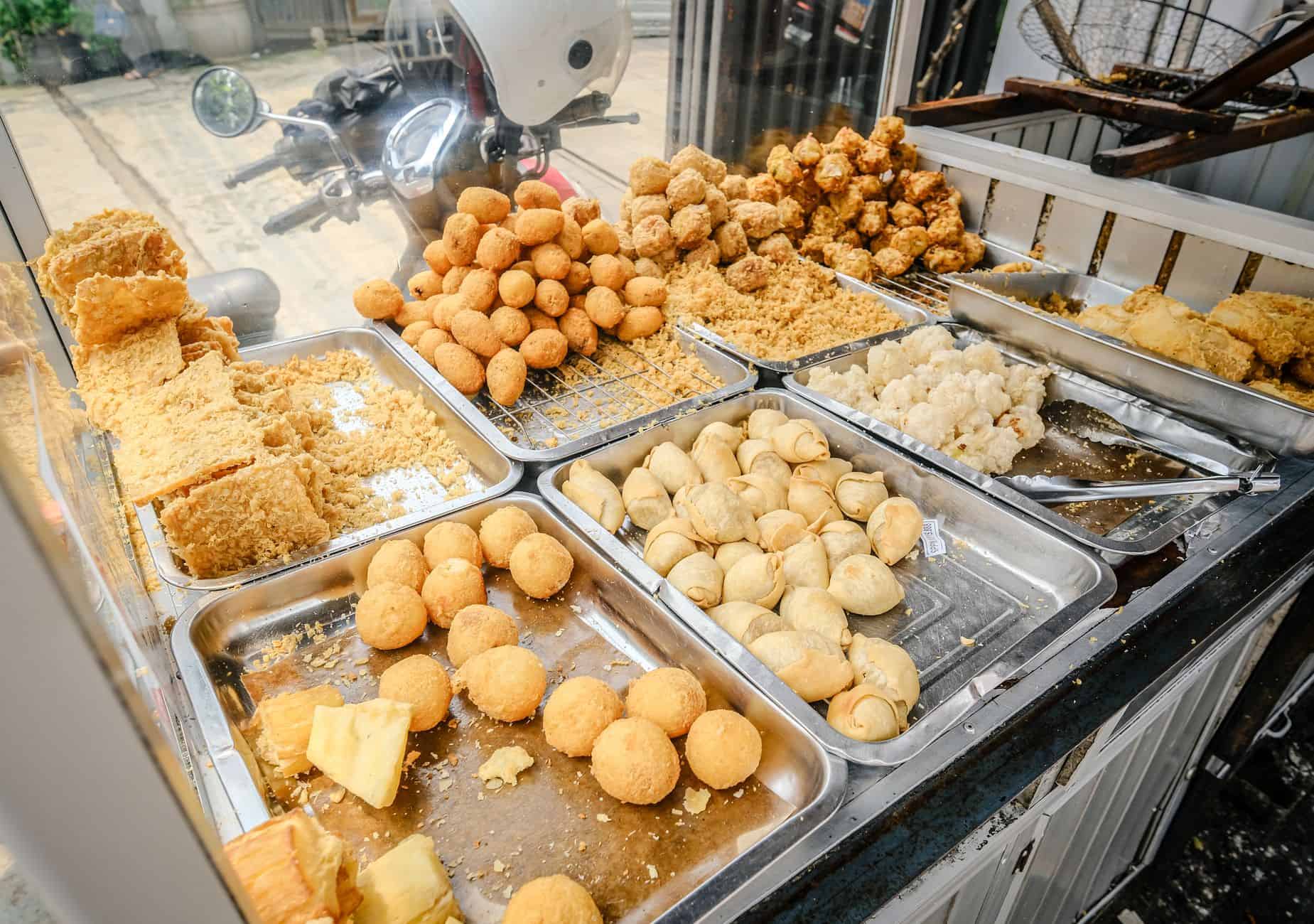
Southeast Asia, parts of Central America, Eastern Europe, and a handful of other regions offer the price point that makes extreme budget travel possible because the local cost of labor and goods reflects local wage levels that are substantially below what people in wealthy countries earn. The $2 meal is $2 because the person who made it earns a fraction of what a restaurant worker in a developed country would expect.
This is not a reason to avoid these destinations. Economic tourism generates real income in local economies. But the framing of “$30 a day is achievable” without acknowledging that it’s only achievable in countries where the local population lives on income levels that most Western travelers would find unimaginable is a meaningful omission.
The budget travel creators who are honest about this — who acknowledge that they’re leveraging significant income and wealth inequality when they spend $30 a day — are a minority. The more common framing presents geographic arbitrage as a feature of smart travel rather than a function of global inequality.
The Labor Cost of Extreme Budget Travel

The extreme budget travel lifestyle is not passive. Maintaining a very low daily cost in practice requires significant ongoing labor that the content format tends to compress or omit.
The research required to find genuinely cheap accommodation that is safe and functional, as opposed to cheap accommodation that is neither, is continuous and time-consuming. The negotiation required to get the price that the listing or the content suggests is available is a skill that takes time to develop and is culturally specific in ways that matter. The planning required to get from Point A to Point B via the cheapest available route — not the convenient route, the cheapest one, which might involve three buses, a shared taxi, and a long wait at a junction where nothing happens — is a multi-hour project for each leg of the journey.
The labor of content creation, for those who are also creating content about their travels, is substantial. The videos that look casual and spontaneous typically involve hours of shooting, hours of editing, and significant ongoing platform management. The creators who present this as a bonus — they get to document their adventures! — are accurately describing their preference while potentially understating the workload.
All of this labor has an opportunity cost. The time spent finding the $8 accommodation rather than the $20 accommodation, planning the multi-bus route rather than taking the tourist shuttle, researching the cheapest phone plan in a new country: this time cannot be used for anything else. Budget travel is, in a real sense, a job. A job that some people love, but a job.
What It Does to Your Social Life and Relationships

Extended budget travel of the kind that produces viral content is largely incompatible with the maintenance of existing relationships and significantly complicated as a context for building new ones.
The relationships that sustain people — the friendships built over years, the family connections, the romantic partnerships — require consistent presence and investment that geographic mobility of the extreme budget travel variety makes structurally difficult. There are creators who maintain these relationships across extended travel periods. It requires significant intentional investment, usually significant communication, and in many cases periodic returns to the same location that somewhat contradicts the perpetual-motion narrative.
The hostel social environment creates a specific kind of connection — intense, brief, geographically mobile — that functions well for some people and is profoundly unsatisfying for others. The friend you meet on Monday who’s flying to Vietnam on Thursday is a real friend, briefly. The accumulation of these brief friendships over months of budget travel produces a social history that is both rich and, for many people, not quite nourishing in the way that stable long-term friendship is.
Romantic relationships in the budget travel lifestyle are a specific subgenre of difficulty. The travel-couple content exists and is compelling. The reality, based on extended accounts from people who’ve attempted to sustain relationships across the budget travel lifestyle, is that it applies unusual stress to partnerships through the combination of constant proximity, financial stress, logistical strain, and incompatible adjustment timelines.
The Health and Safety Corners That Get Cut
The math of $30-a-day travel does not accommodate every safe health choice. This is not an argument against budget travel. It’s a description of actual trade-offs that the content doesn’t surface.
Travel insurance that adequately covers medical evacuation from a country where healthcare is significantly less capable than what a Western traveler would expect — the kind of insurance that actually matters in worst-case scenarios — can cost $80 to $100 per month or more. That’s $2.60 to $3.30 per day on insurance alone. In a $30-a-day budget, this is meaningful. Many budget travelers choose lower-coverage options or no insurance at all.
Vaccinations that travel medicine clinics recommend for specific destinations can cost several hundred dollars per course. Pre-trip dental work that prudent travelers should complete before extended travel in countries with limited dental care access: similar. These health investments are real costs that responsible travel medicine professionals recommend and that budget travel content rarely budgets for.
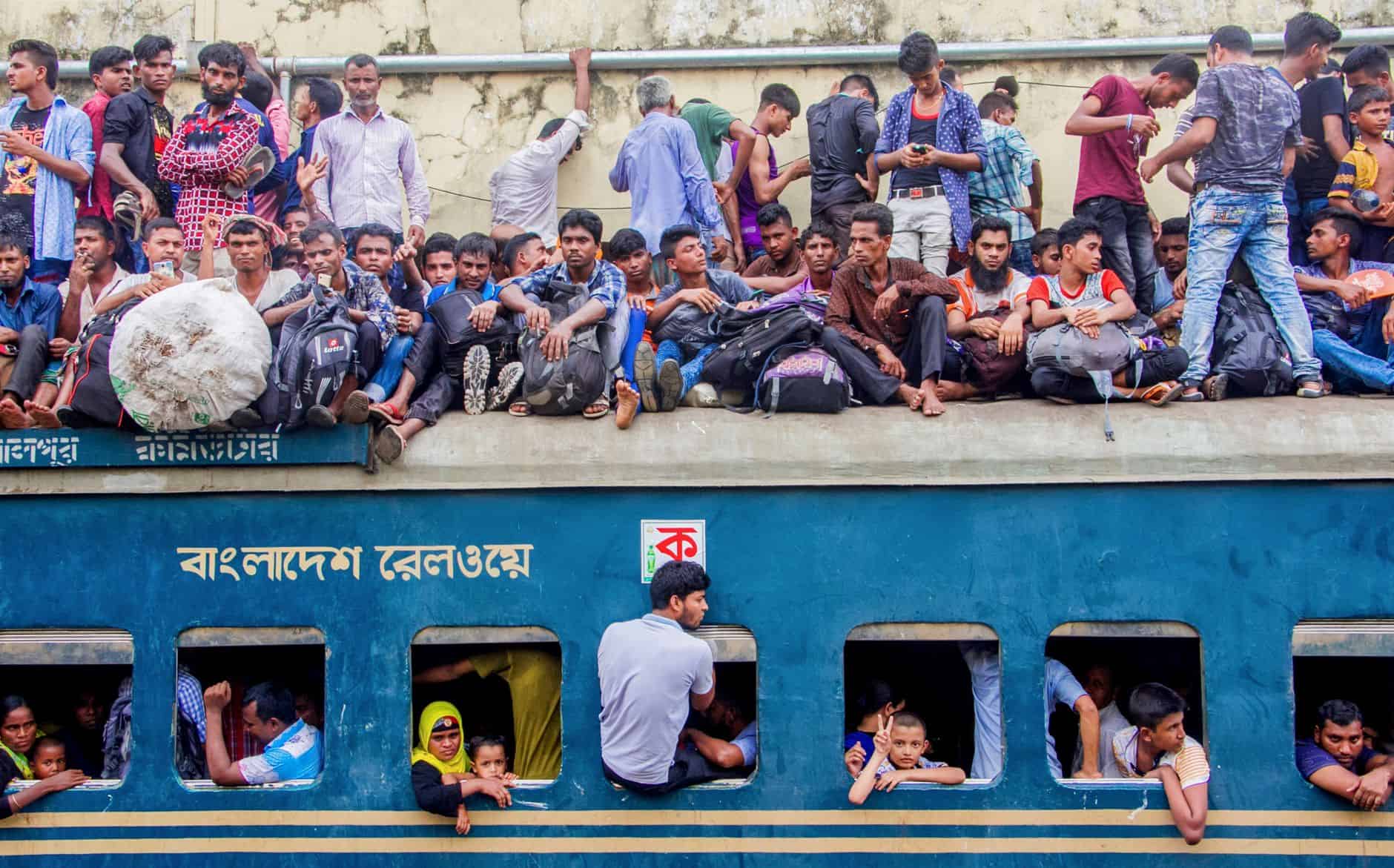
The transportation choices that $30-a-day travel requires are often the oldest, least maintained, and most accident-prone options available. The overloaded minibus, the night bus on mountain roads, the unlicensed taxi: these are not statistically identical to the safer alternatives. Budget travelers who’ve covered these miles and emerged without incident are, partly, lucky.
Who This Life Actually Works For — and For How Long
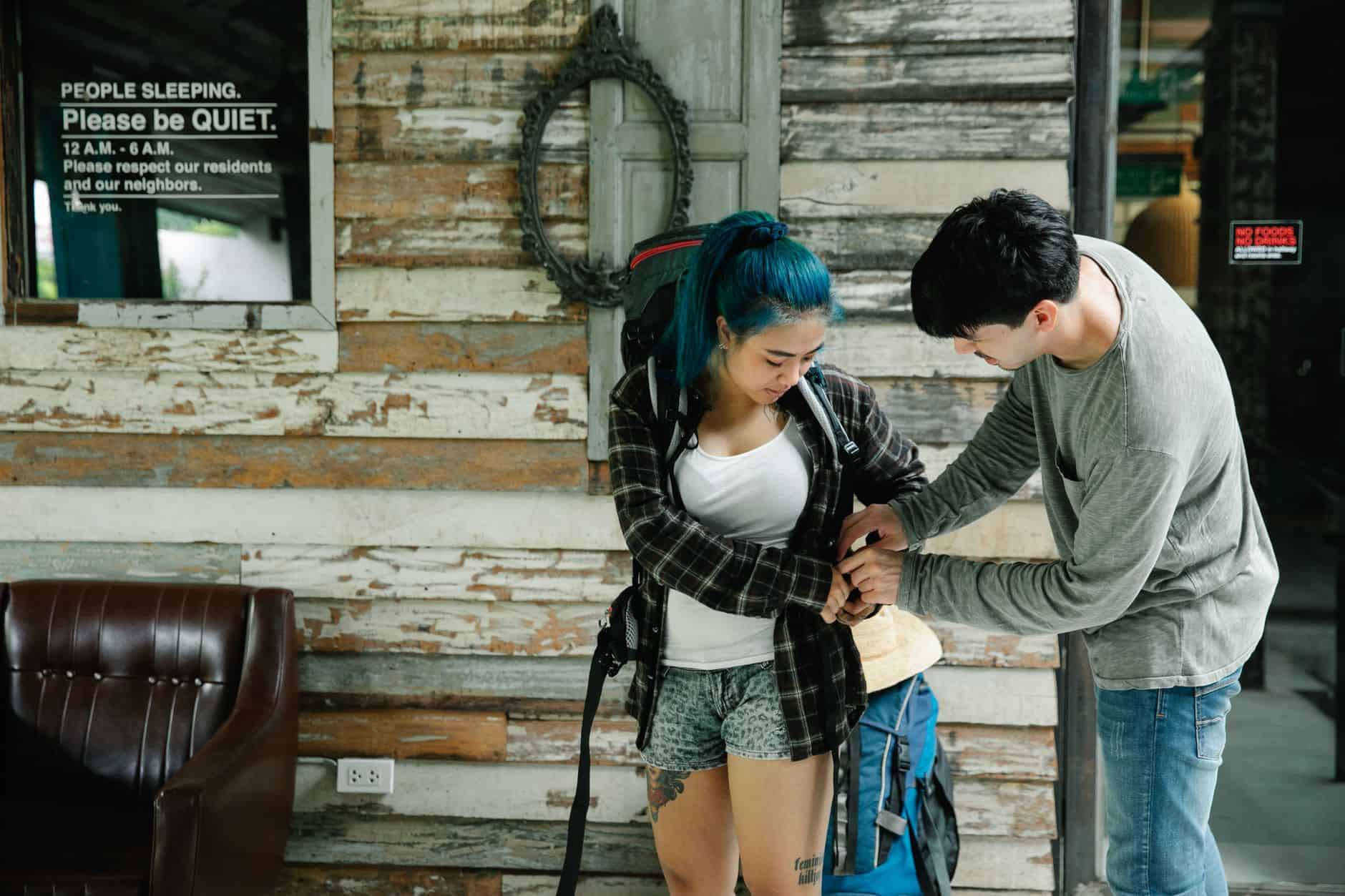
For a specific category of person, at a specific life stage, extreme budget travel is genuinely right. The person who is young enough to tolerate physical discomfort without lasting consequence, unattached enough that relationship maintenance across extended travel is manageable, financially positioned well enough that a period of low income won’t permanently damage their long-term financial trajectory, and psychologically oriented in a way that finds uncertainty energizing rather than distressing — this person can build a significant and rewarding period of life around budget travel.
The content creators who’ve made this lifestyle a career are largely from this category. Their specific position — young, unattached, with digital income that travels with them — is not the position of most of their audience. The viewer who’s 35, has a partner, a lease, and a career she can’t put on hold for a year is not receiving advice that applies to her situation when she consumes content calibrated for a very different one.
The duration question is equally important. Most people who’ve lived extended extreme budget travel have done it for a defined period rather than indefinitely. The lifestyle that works brilliantly at 24 for 18 months produces different results at 34 for 18 months. The body’s tolerance for hostel mattresses, long bus rides, and dietary uncertainty is not age-invariant. The social tolerance for geographic rootlessness changes as the relationships and commitments that ground people deepen.
None of this makes the lifestyle wrong. It makes it specific — a good choice for a specific person at a specific time, not the universally available freedom that the content format implies.