Cruise Ship Crew Members Work 10 to 12 Hours a Day for Months Without a Day Off. What They Say About Passengers Isn’t Always Flattering
We may earn money or products from the companies mentioned in this post. This means if you click on the link and purchase the item, I will receive a small commission at no extra cost to you ... you're just helping re-supply our family's travel fund.
Cruise ship crew members typically sign contracts running four to nine months, working schedules that regularly hit 10 to 12 hours a day, seven days a week, according to accounts crew members have shared publicly on forums, in interviews, and in social media posts that have circulated widely in recent years. They live in crew quarters below the waterline, share small cabins with roommates, and eat in a separate crew mess deck from the passengers they serve all day. That structural gap between crew life and guest life shapes a lot of what crew members say about the people they’re serving.
What Crew Members Actually Say
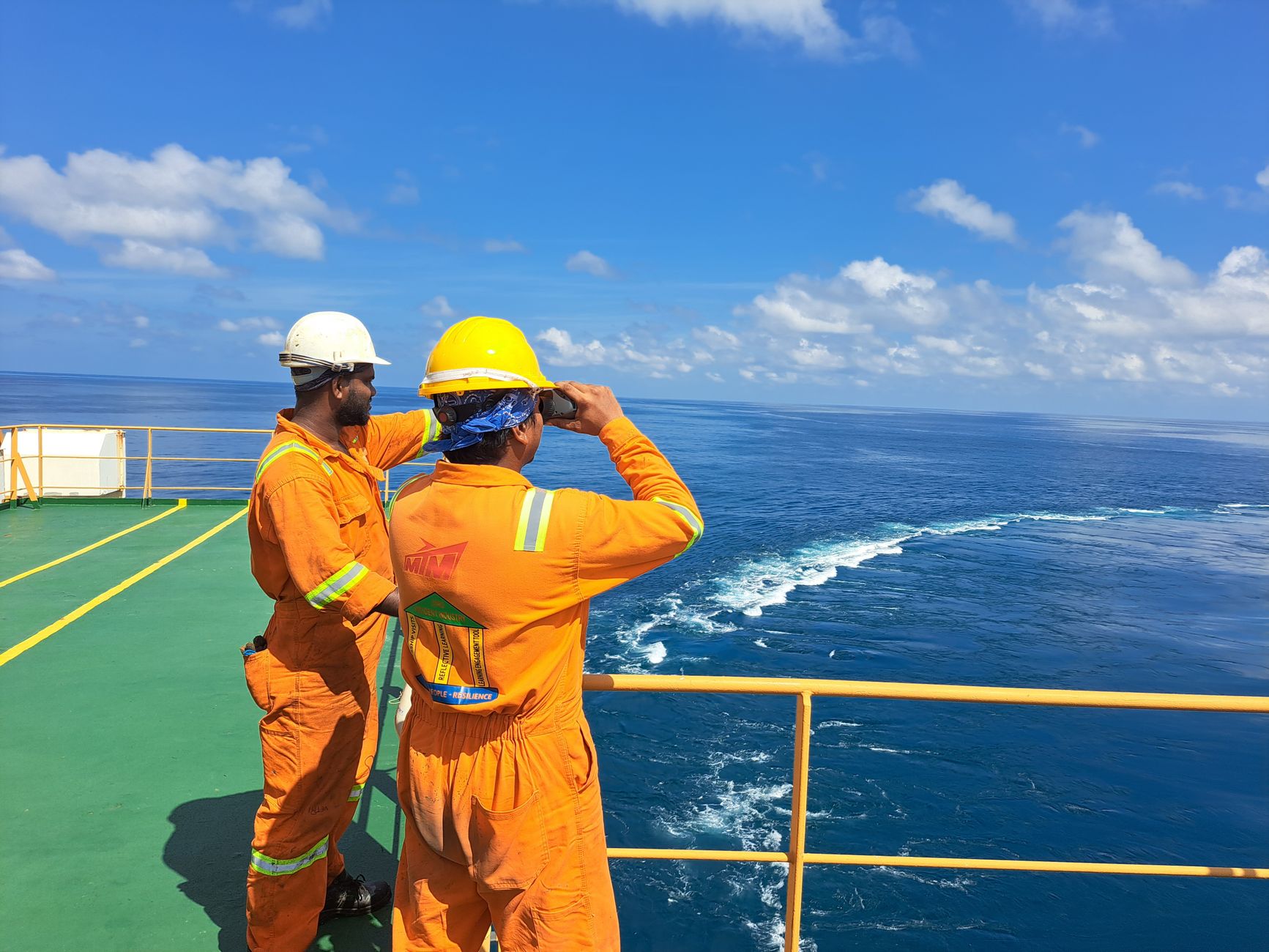
Public accounts from current and former crew, shared through platforms like Reddit’s cruise crew communities and TikTok accounts run by crew members, tend to circle a few recurring themes. Passengers frequently forget that crew members are working extended contracts far from home and treat minor service delays with outsized frustration. Room stewards and dining staff, whose income depends heavily on gratuities, have described specific frustration with passengers who remove or reduce the standard daily gratuity charge, since that charge is often the primary source of crew income rather than a bonus on top of a living wage.
Common Themes From Public Crew Accounts
- Frustration with passengers who treat crew members as invisible until something goes wrong, then escalate immediately to management
- Appreciation for guests who learn crew members’ names and treat cabin stewards and dining staff as people rather than functions
- Recurring commentary about how differently the same passenger behaves in the dining room versus at the pool bar after a few drinks
- Descriptions of the isolation of long contracts, sometimes eight or nine months without returning home, a detail rarely known by passengers
The Gratuity System Crew Members Actually Depend On
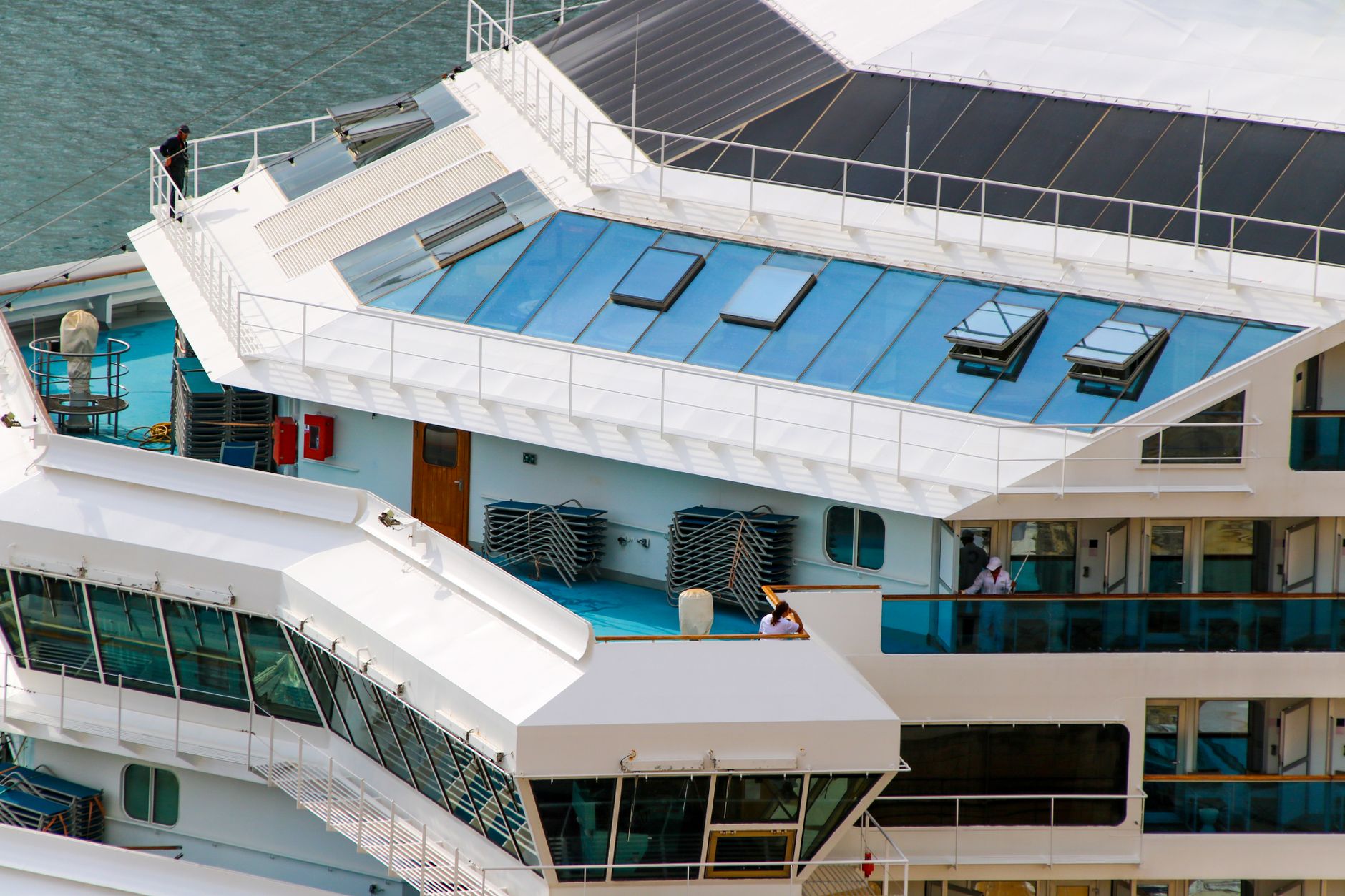
Most major cruise lines charge a standard daily gratuity, often in the range of $16 to $20 per passenger per day, that gets pooled and distributed among service staff including cabin stewards, dining room servers, and behind-the-scenes staff who never interact directly with guests. Crew members have been vocal, in public posts and interviews, that reducing or removing this charge at guest services, something cruise lines technically allow, has a direct and immediate impact on their take-home pay, since base salaries for many service roles are structured around the assumption that gratuities will be paid in full.
What Crew Wish Passengers Understood
- That the daily gratuity is closer to a wage supplement than an optional tip in the traditional restaurant sense
- That crew members typically cannot leave the ship at most ports due to work schedules, despite passengers assuming they get shore time too
- That repeat passengers who remember staff names and preferences make a measurably different experience for crew during long contracts
- That crew turnover and morale are closely tied to how guests treat staff, not just to pay or contract length
Why This Rarely Reaches Passengers

Cruise lines have strong incentives to keep crew commentary away from paying customers, and most contracts include conduct clauses limiting what crew can post publicly about working conditions. That’s part of why most passengers never hear this directly, only through crew members willing to risk sharing it anyway, usually after their contracts end. The gap between the vacation passengers experience and the labor that produces it is, by design, mostly invisible from the pool deck.
The Contracts Behind the Smiles
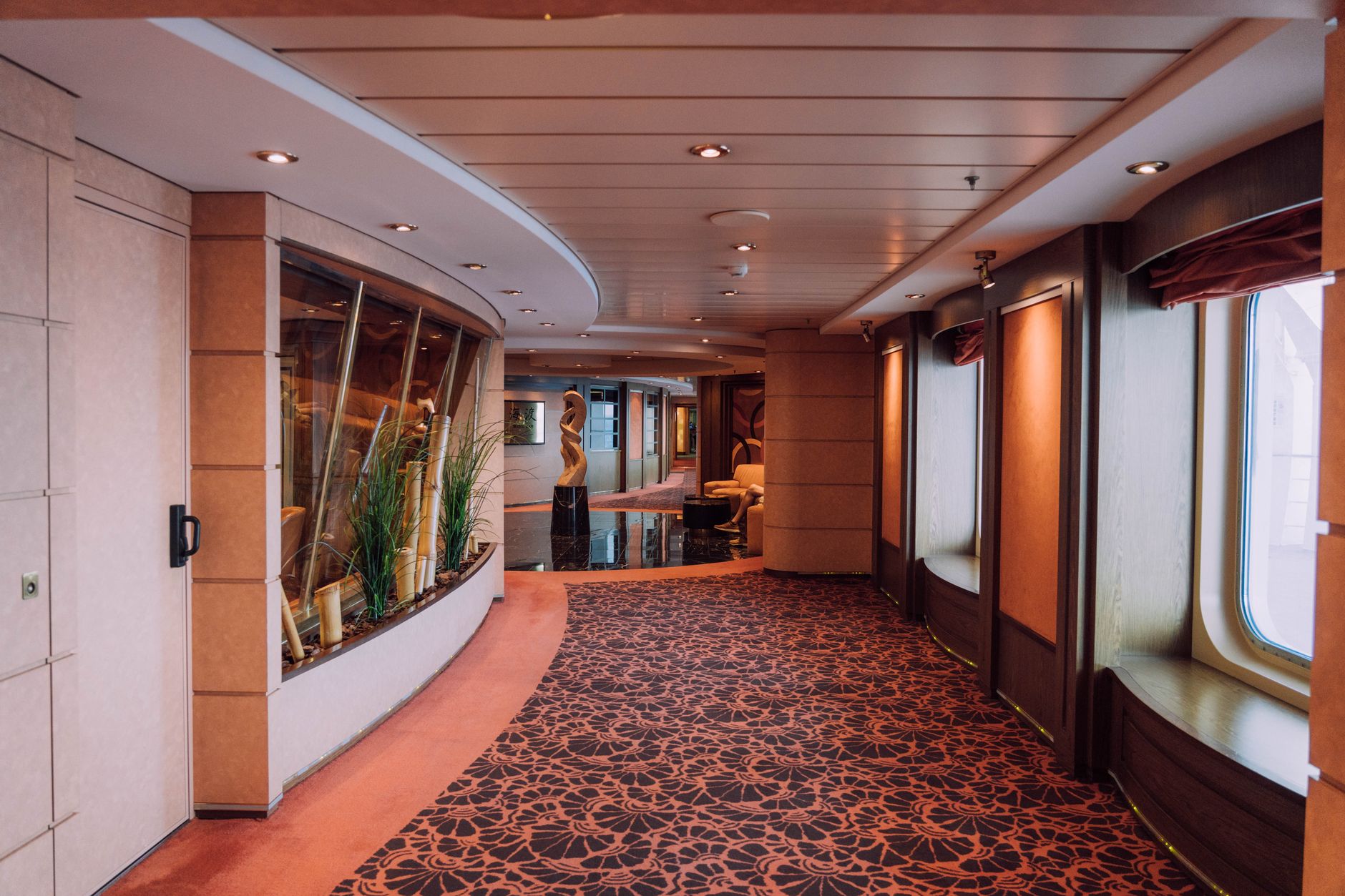
Crew contracts vary significantly by role and cruise line, but a common structure involves six to nine month terms with no scheduled days off, followed by a shorter period of unpaid leave at home before signing a new contract. Officers and senior staff, often from Western Europe or North America, tend to have better pay and cabin conditions than service-level crew, who are disproproportionately recruited from the Philippines, Indonesia, and parts of Eastern Europe and Central America. That recruitment pattern reflects wage arbitrage built into the cruise industry’s global staffing model, where labor costs are minimized by hiring from countries where the dollar-denominated pay, modest by Western standards, still represents a significant income relative to opportunities at home.
Crew members have described the psychological toll of the isolation more consistently than the toll of the physical workload itself. Extended time away from family, limited reliable internet access on older ships, and the strange intimacy of serving the same rotating cast of strangers every single day for months produces a specific kind of fatigue that doesn’t show up in any employee satisfaction survey passengers ever see. Several crew members who have spoken publicly note that the job can be genuinely rewarding, offering travel and income opportunities unavailable at home, while also being structurally exhausting in ways the cruise industry’s marketing rarely acknowledges.
What Responsible Passengers Can Actually Do
- Leave the full daily gratuity in place rather than reducing or removing it at guest services
- Tip supplementally in cash for exceptional service, since crew members have confirmed cash tips are not pooled the same way automatic gratuities are
- Learn and use crew members’ names rather than treating service staff as anonymous
- Avoid escalating minor service issues immediately to management, since public complaints can affect a crew member’s contract renewal
The cruise industry as a whole has started responding to some of this pressure, with a handful of lines publicly revising internal policies around crew rest hours and communication access following sustained public criticism. Whether that translates into meaningfully different working conditions industry-wide remains to be seen, since the underlying business model, low-cost global labor supporting a high-volume, low-margin passenger experience, has not fundamentally changed in the years since those criticisms first surfaced.
Passengers who want a more accurate read on shipboard conditions than the marketing materials provide can find detailed, first-person accounts on crew-run forums and online communities, where current and former cruise employees discuss contract terms, ship-specific working conditions, and pay more candidly than any official cruise line communication ever will.
Crew members have also pointed out a specific irritation that rarely occurs to passengers: being treated as interchangeable staff rather than as individuals, with guests frequently forgetting names within a single conversation despite name tags being worn visibly on every uniform, a small but recurring frustration that shows up often enough in crew interviews to be considered a genuine pattern rather than an isolated complaint.