Experienced Travelers Never Stand at the Baggage Carousel Before the Bags Arrive. First-Timers Always Do
We may earn money or products from the companies mentioned in this post. This means if you click on the link and purchase the item, I will receive a small commission at no extra cost to you ... you're just helping re-supply our family's travel fund.
Spend enough time in airports and you start noticing a pattern: the people who fly constantly move differently than the people who fly twice a year. It’s not about status or money. It’s a set of small, learned behaviors that save time, reduce stress, and avoid the specific friction points that first-time or infrequent travelers walk straight into, usually without realizing anyone is watching.
The Baggage Carousel Crowd
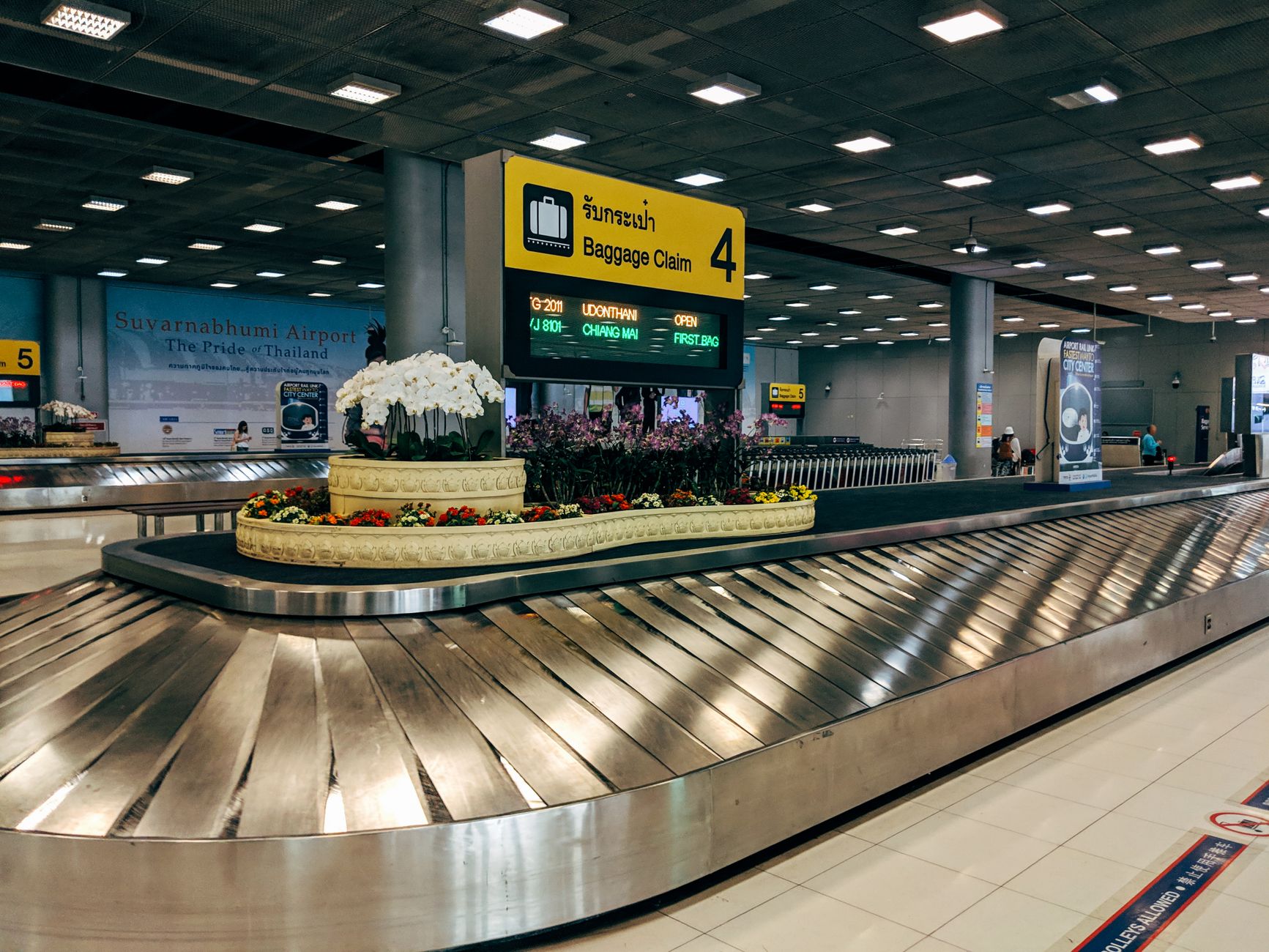
Frequent flyers know that checked bags rarely appear on the carousel for at least 15 to 20 minutes after a flight lands, often longer at larger hub airports. Infrequent travelers, still riding the adrenaline of landing, cluster tightly around the carousel the moment they arrive, blocking the space everyone else needs once bags actually start coming out. Experienced travelers find a bathroom, get a coffee, or just stand back from the crowd until they see bags moving, then step in.
Small Habits That Separate Frequent Flyers
- They never rush to board during general boarding, since assigned seats guarantee a spot regardless of boarding order
- They keep a physical or digital copy of every confirmation number rather than relying on searching email at the counter
- They know which seat pitch and legroom numbers matter for their body type before they book, rather than discovering it at 35,000 feet
- They pack liquids in a see-through pouch before reaching security, not while standing in the bin line
The TSA Line Behaviors That Give It Away
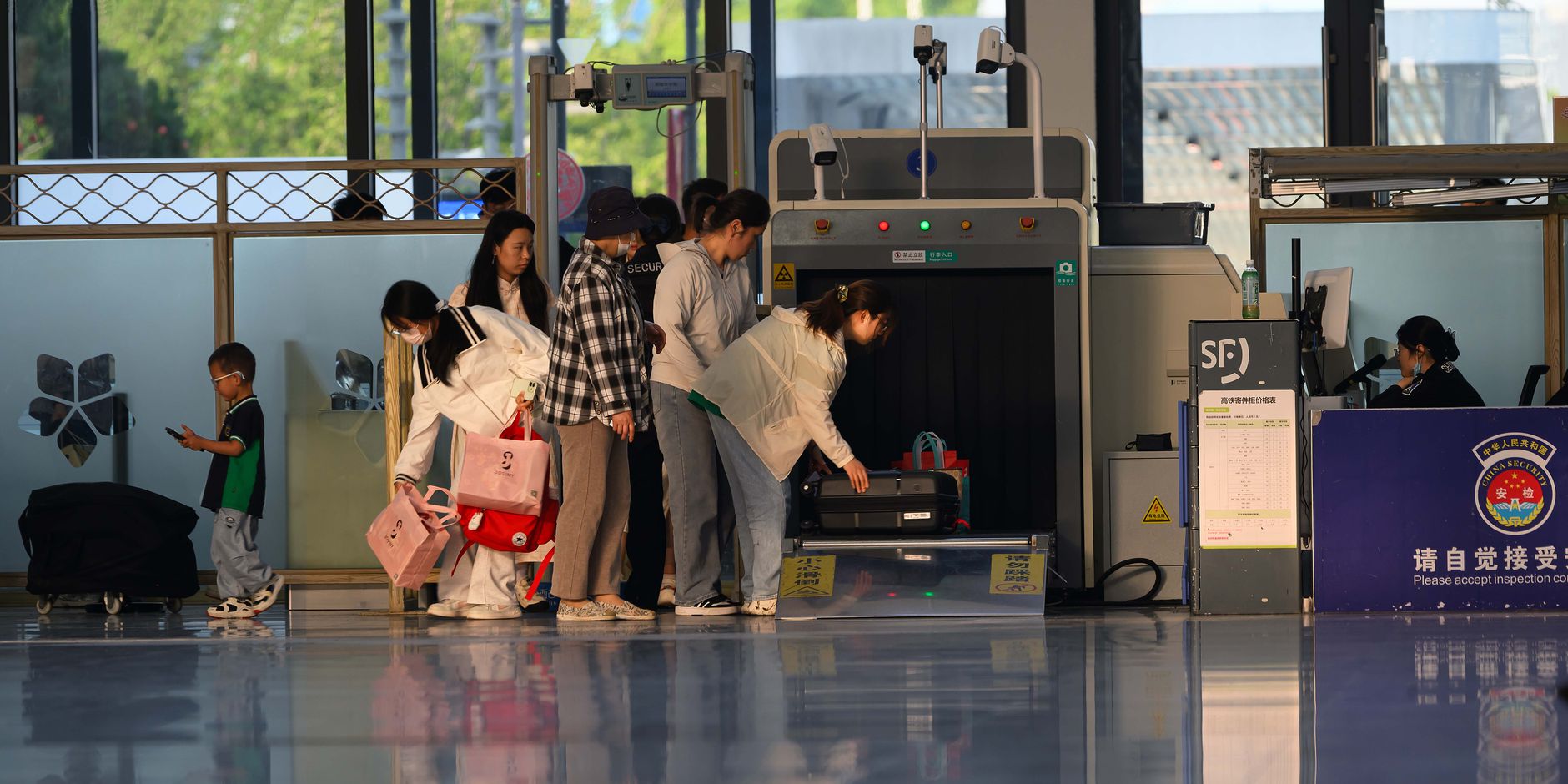
Security checkpoints are probably the single clearest tell. Regular travelers have their shoes half off before they reach the bin table, laptops already out of bags, and belts removed in one motion. First-time or infrequent flyers often don’t realize laptops need a separate bin until an agent tells them, holding up the line while they repack on the spot. None of this is really about competence. It’s pattern recognition built from repetition, the same way a commuter knows exactly which subway car door to stand near without thinking about it.
The Habits That Matter More Than People Think
- Checking gate numbers on the app rather than trusting the departure board, since gate changes often hit the app first
- Never gate-checking a bag that contains anything needed within the first hour of landing, since gate-checked bags come out last
- Booking layovers of at least 60 to 90 minutes domestically, because frequent flyers have all personally experienced the cost of cutting it closer
- Screenshotting boarding passes before takeoff in case cell service or app access is unreliable at the destination airport
Why This Actually Matters Beyond Convenience
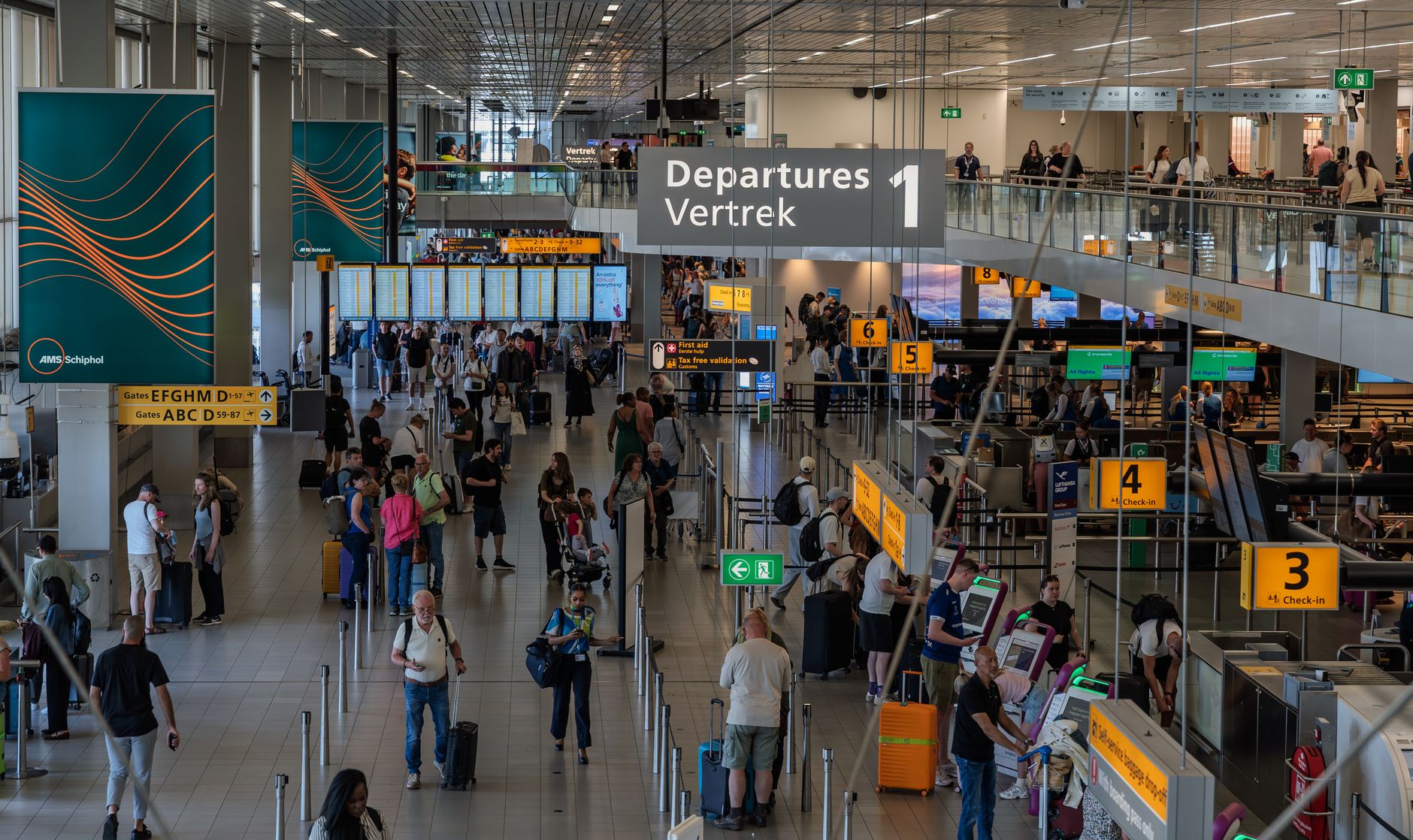
These habits compound. A traveler who avoids the carousel crowd, skips unnecessary boarding stress, and moves efficiently through security isn’t just saving a few minutes, they’re removing dozens of small stress points that otherwise accumulate into the exhausted, frazzled feeling associated with air travel generally. The busiest business travelers, the ones flying weekly, treat the airport less like an event and more like a hallway. That mental shift, more than any specific trick, is the real difference between people who dread flying and people who don’t think about it at all.
The Lounge and Priority Habits Nobody Explains
Frequent travelers also treat airport time itself differently, often arriving with enough buffer to sit down somewhere quiet rather than rushing straight to the gate. Many hold a credit card offering lounge access specifically because the math works out favorably against the accumulated cost of airport food and the value of a quieter place to work or rest between flights. First-time flyers rarely know these memberships exist or assume they are prohibitively expensive, when several travel rewards credit cards include lounge access as a standard benefit that ends up costing less annually than a handful of airport meals.
There is also a distinct difference in how each group handles disruption. When a flight gets delayed or cancelled, experienced travelers immediately start working the problem, checking rebooking options on the airline app before the gate agent even announces anything, looking at alternate nearby airports, and knowing which credit cards or loyalty programs offer meaningful compensation clauses. Infrequent travelers tend to wait in the physical line at the gate counter, often the slowest possible way to resolve a schedule disruption, when the same rebooking can usually happen faster through the airline’s own app or a phone call.
The Habits Worth Adopting Immediately
- Download the airline’s app and enable notifications before every trip, since gate and delay information often posts there before any announcement
- Keep a saved list of alternate flights on the same route in case of same-day disruption, rather than starting research from scratch under pressure
- Travel with a portable charger, since phone battery becomes critical exactly when things go wrong and gate outlets are scarce
- Learn the layout of your most-frequent airport in advance, including which security checkpoints tend to move fastest at which times of day
None of these habits are secret or exclusive to elite travelers. They are simply the accumulated result of repetition, the same way any frequently repeated task gets more efficient over time. The good news is that all of them are learnable well before someone’s hundredth flight, which means the gap between a stressful travel experience and a smooth one is mostly a matter of adopting a handful of specific habits rather than years of accumulated frequent-flier status or elite airline tier credit.
It’s also worth noting that airline staff themselves can usually spot a frequent traveler within seconds, largely through these same behavioral cues, and several gate agents have said informally that travelers who appear calm and prepared tend to receive more flexibility during irregular operations than those who appear visibly panicked.
The security line itself is another quiet tell. Experienced travelers have their laptop, liquids, and shoes organized before they reach the bins, while first-time or infrequent flyers often start unpacking only once they’re already standing at the X-ray belt, a habit that alone accounts for a disproportionate share of the slowdowns TSA officers report seeing during peak travel periods.