The Parts of Florida That Have Stopped Feeling Like Florida At All
We may earn money or products from the companies mentioned in this post. This means if you click on the link and purchase the item, I will receive a small commission at no extra cost to you ... you're just helping re-supply our family's travel fund.
Florida built its entire brand on palm trees, theme parks, and beach towns, but drive through certain parts of the state today and you’d struggle to recognize the postcard version at all. Explosive growth has reshaped entire regions into something closer to generic American suburbia, or in some cases, something closer to a different country entirely.
Doral: Florida’s Corporate Suburb
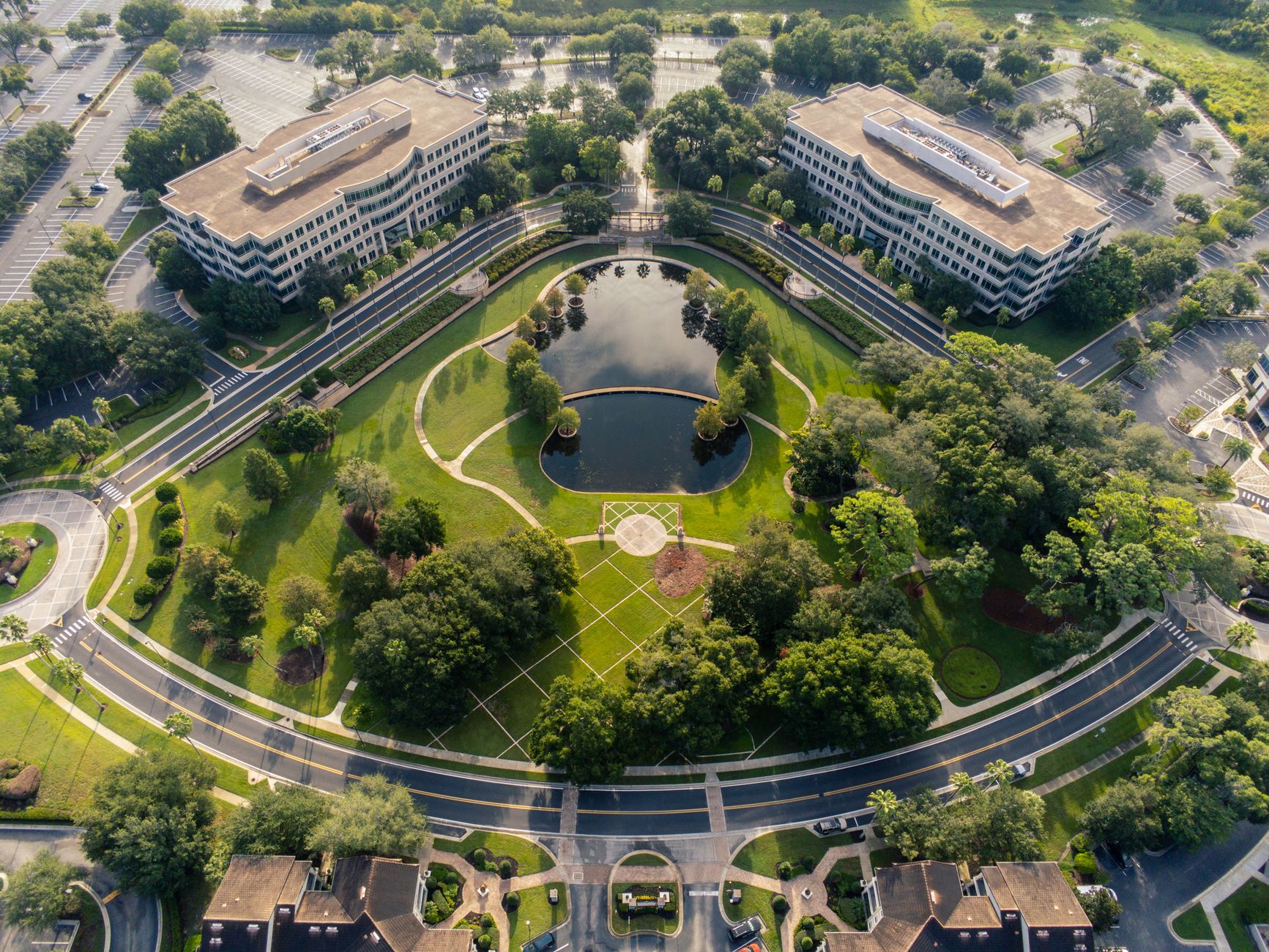
Doral, just outside Miami, has grown into a dense corridor of corporate headquarters, gated communities, and office parks that could be mistaken for suburban Atlanta or Dallas if you cropped out the palm trees. Major companies have set up regional headquarters here, drawn by Miami’s international business connections without the density and chaos of the urban core. The city’s identity has shifted so far from beach culture that many residents commute for their entire lives without seeing sand.
The Villages: A Retirement City the Size of a Small Metro
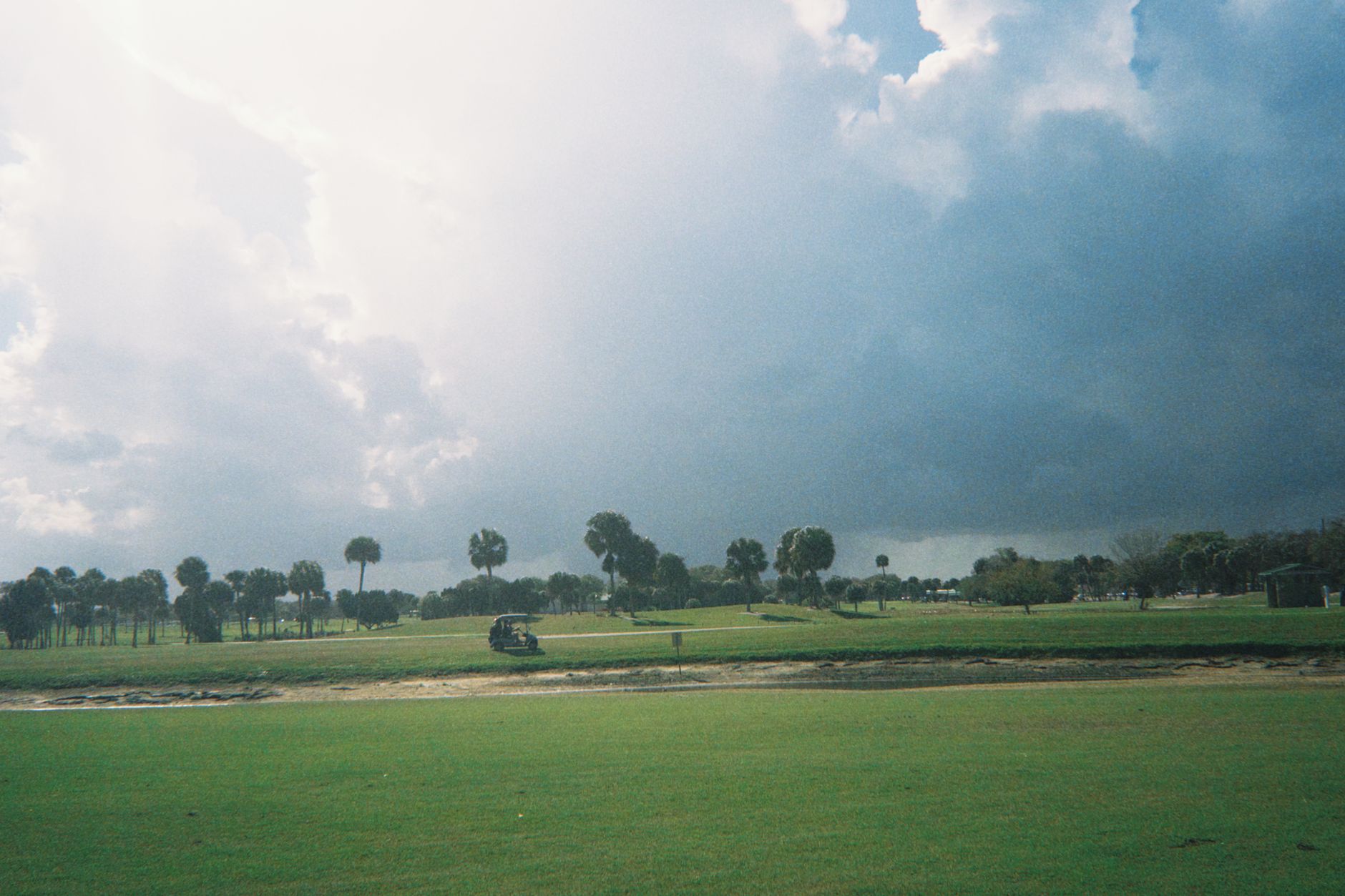
The Villages has grown into one of the fastest-growing metro areas in the entire country, built specifically for retirees and organized around an almost surreal infrastructure of golf cart paths connecting town squares designed to look like different eras of small-town America. It doesn’t feel like Florida so much as it feels like a themed development that happens to be located in Florida, with a median age far above the state average and a self-contained economy built around recreation centers, golf, and healthcare.
- Doral: a corporate office corridor near Miami dominated by headquarters relocations
- The Villages: a retirement-focused development functioning as its own self-contained metro
- Brickell, Miami: a dense high-rise financial district resembling Hong Kong more than coastal Florida
- Sunny Isles Beach: nicknamed ‘Little Moscow’ for its concentration of Russian-speaking residents and investment
- Cape Coral: a sprawling canal-based suburb built from platted lots with more canals than Venice
Brickell: Miami’s Vertical Financial District
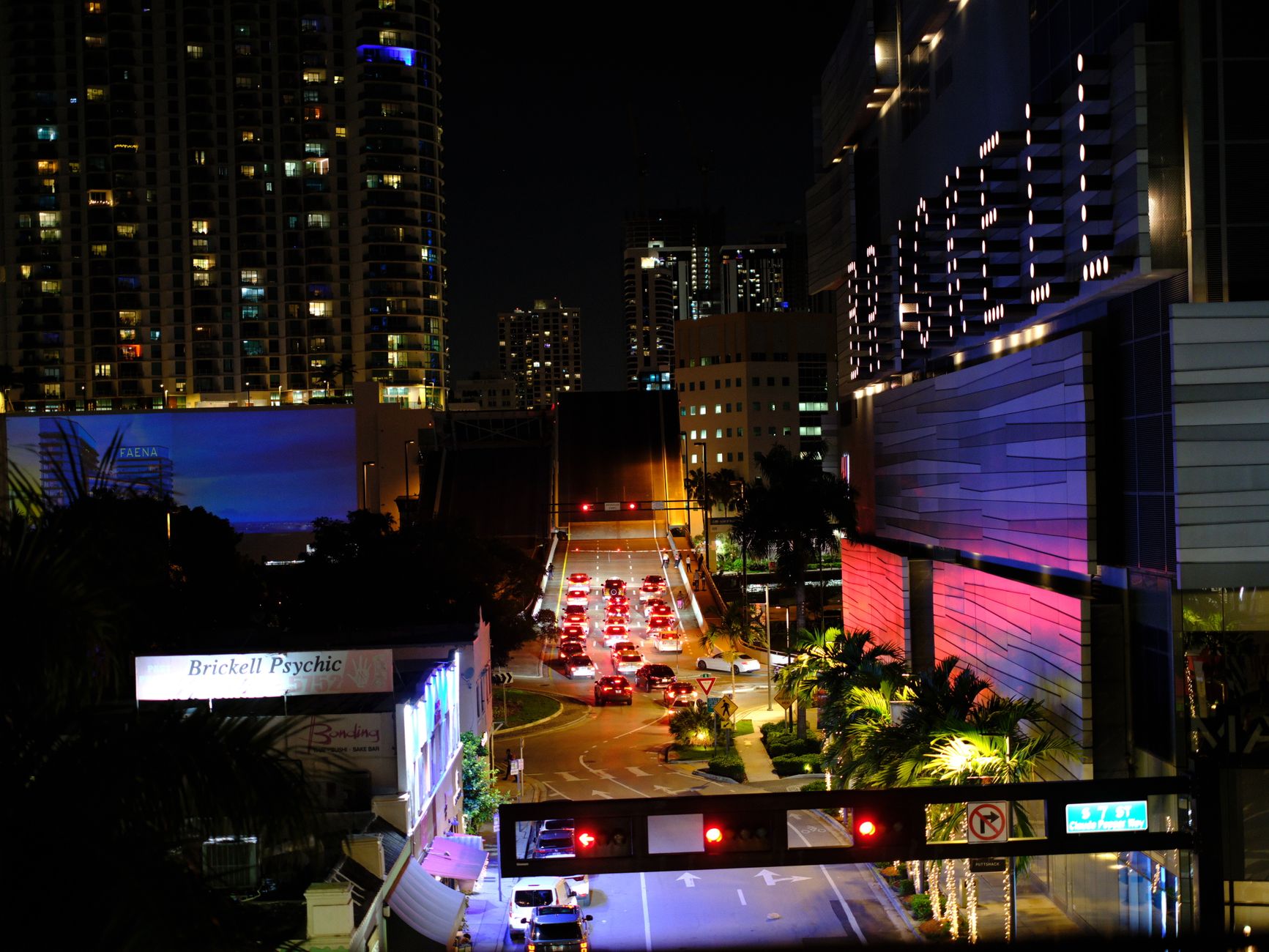
Brickell has transformed from a quiet residential strip into one of the densest concentrations of high-rise condo towers and financial firms in the country, drawing comparisons to Hong Kong or Singapore rather than anything traditionally associated with Florida. International banks and wealth management firms have moved substantial operations here, and the neighborhood’s population is now dominated by finance professionals and international investors rather than the retirees or beachgoers people associate with the state.
Sunny Isles Beach and the International Money
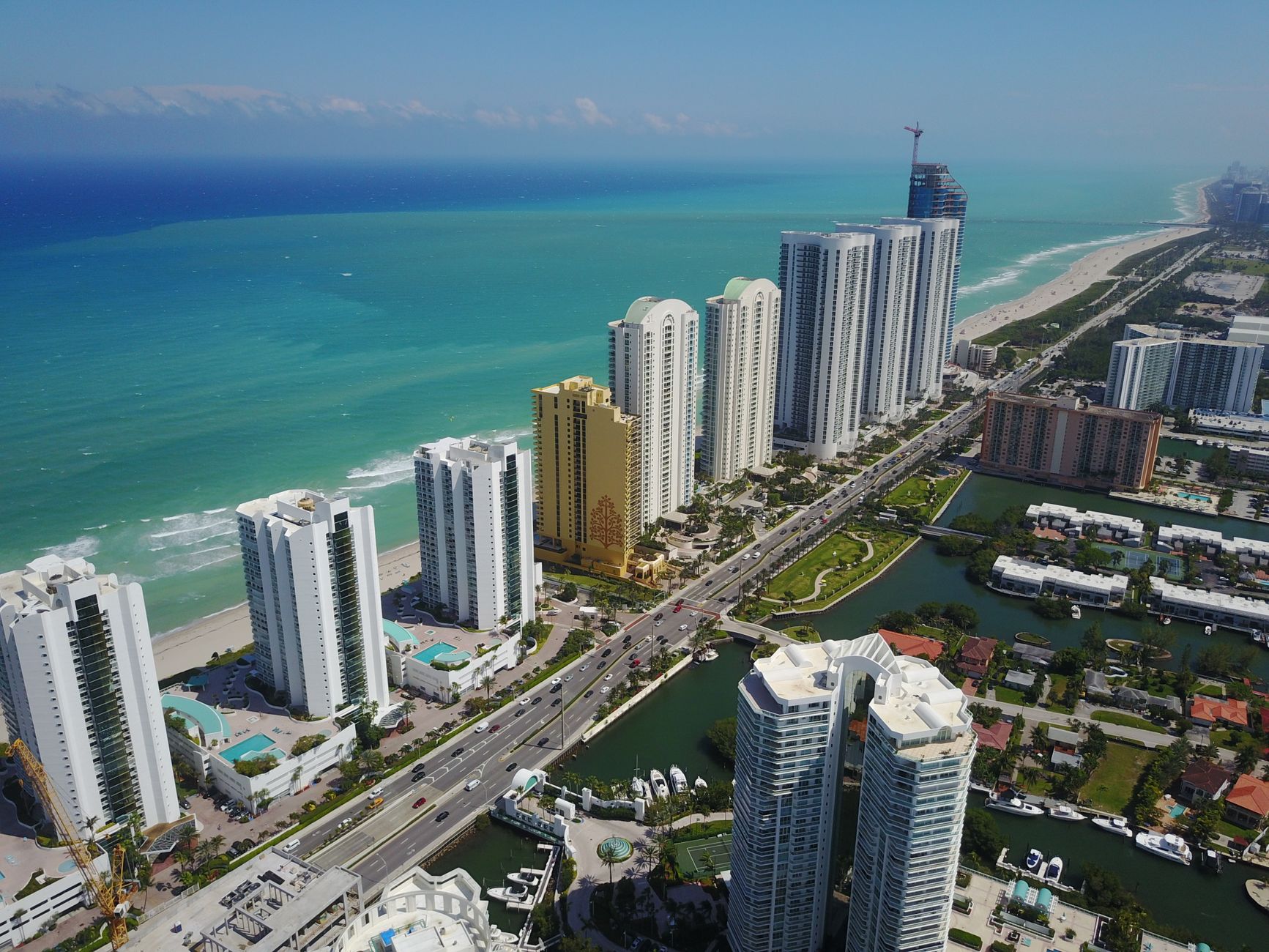
Sunny Isles Beach has earned nicknames referencing its heavy concentration of Russian-speaking residents and real estate investment, with signage in multiple languages and a luxury condo market that draws international buyers who may spend only a few weeks per year in the units they own. The beachfront skyline here looks more like Dubai’s coastline than the low-rise Florida beach towns most people picture.
Cape Coral’s Endless Canals
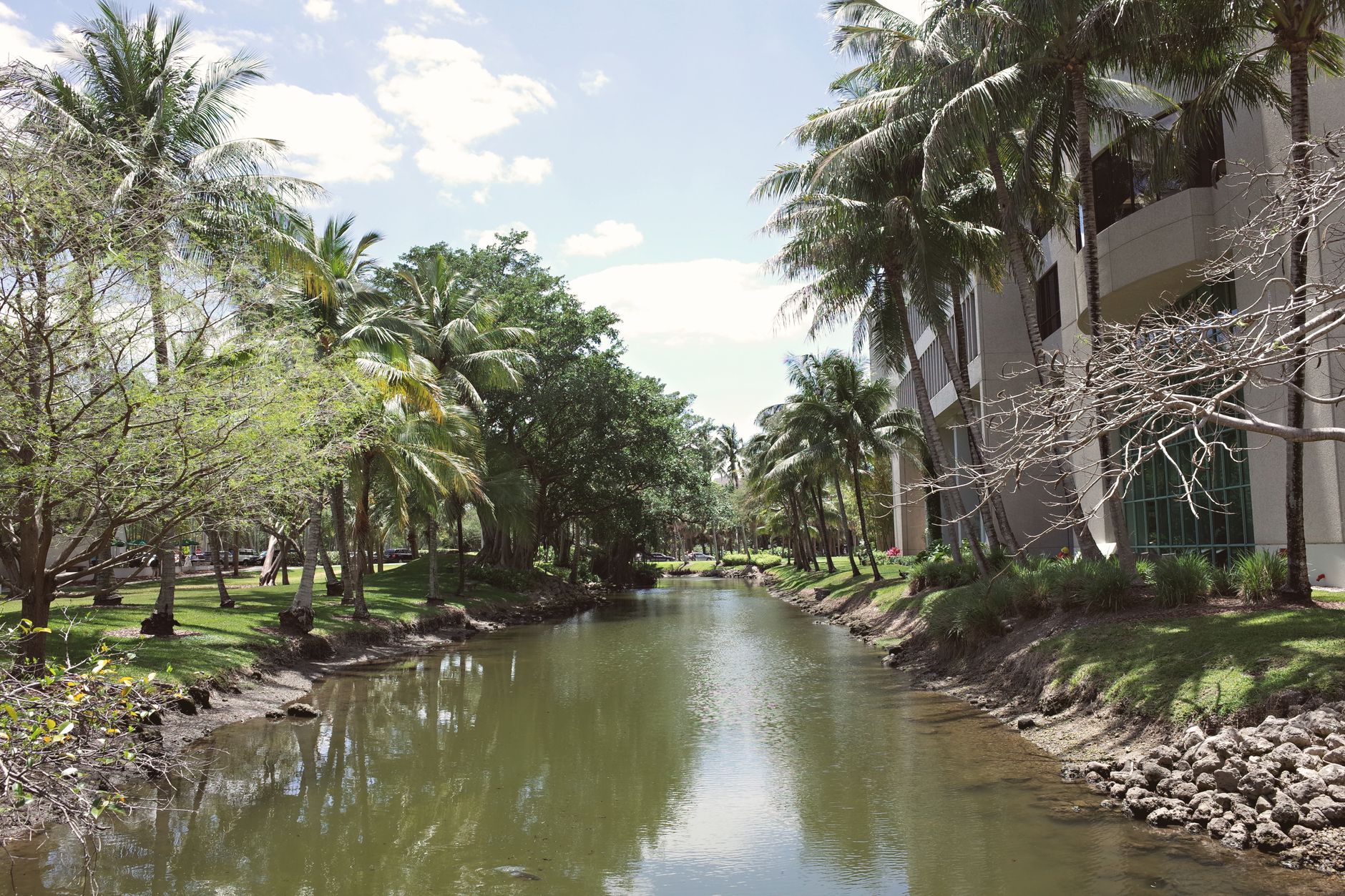
Cape Coral was platted decades ago with an ambitious canal system, and it has grown into one of the most sprawling suburban grids in the state, often cited as having more miles of canals than any other city in the world. Rather than a beach town, it functions as a car-dependent suburban expanse where the water exists primarily as a real estate amenity for boat docks rather than a public beach culture.
What’s Driving the Transformation
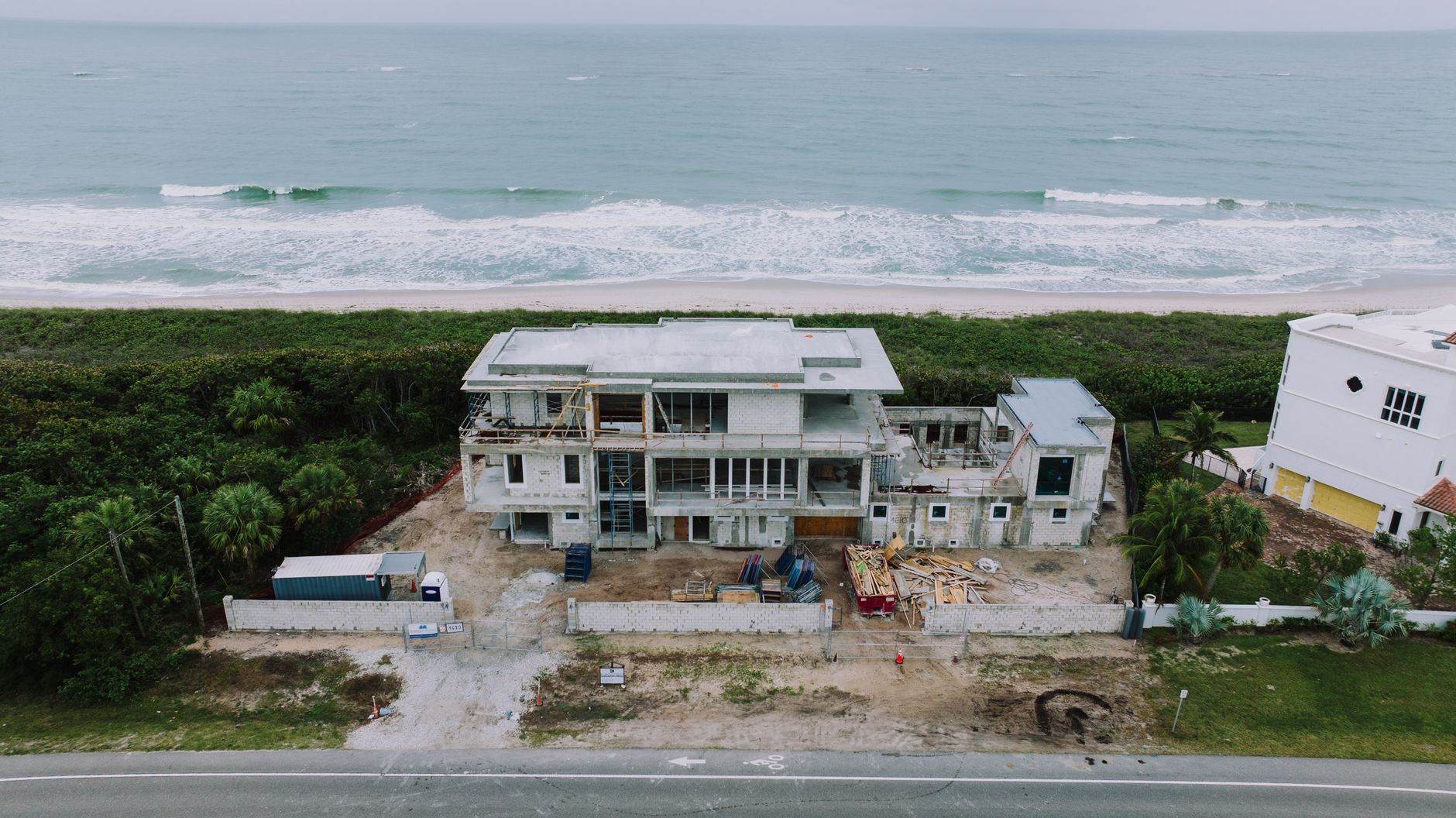
Florida’s lack of state income tax and steady population growth, one of the fastest in the nation for years running, has pulled in a mix of retirees, corporate relocations, and international investment that has little to do with the state’s traditional tourism identity. The result is a state increasingly split between the Florida of the brochures and a growing set of communities built around finance, retirement infrastructure, and international capital that could functionally exist almost anywhere with good weather and favorable tax policy.
Kissimmee and the Theme Park Sprawl
The area around Orlando’s theme parks has grown into a sprawling corridor of vacation home subdivisions, outlet malls, and chain hotels that bears almost no resemblance to the Florida of small beach towns or citrus groves. Kissimmee in particular has transformed into a landscape built almost entirely around servicing theme park tourism, with entire neighborhoods of short-term rental homes marketed specifically at vacationing families rather than long-term residents.
The International Buyer Effect
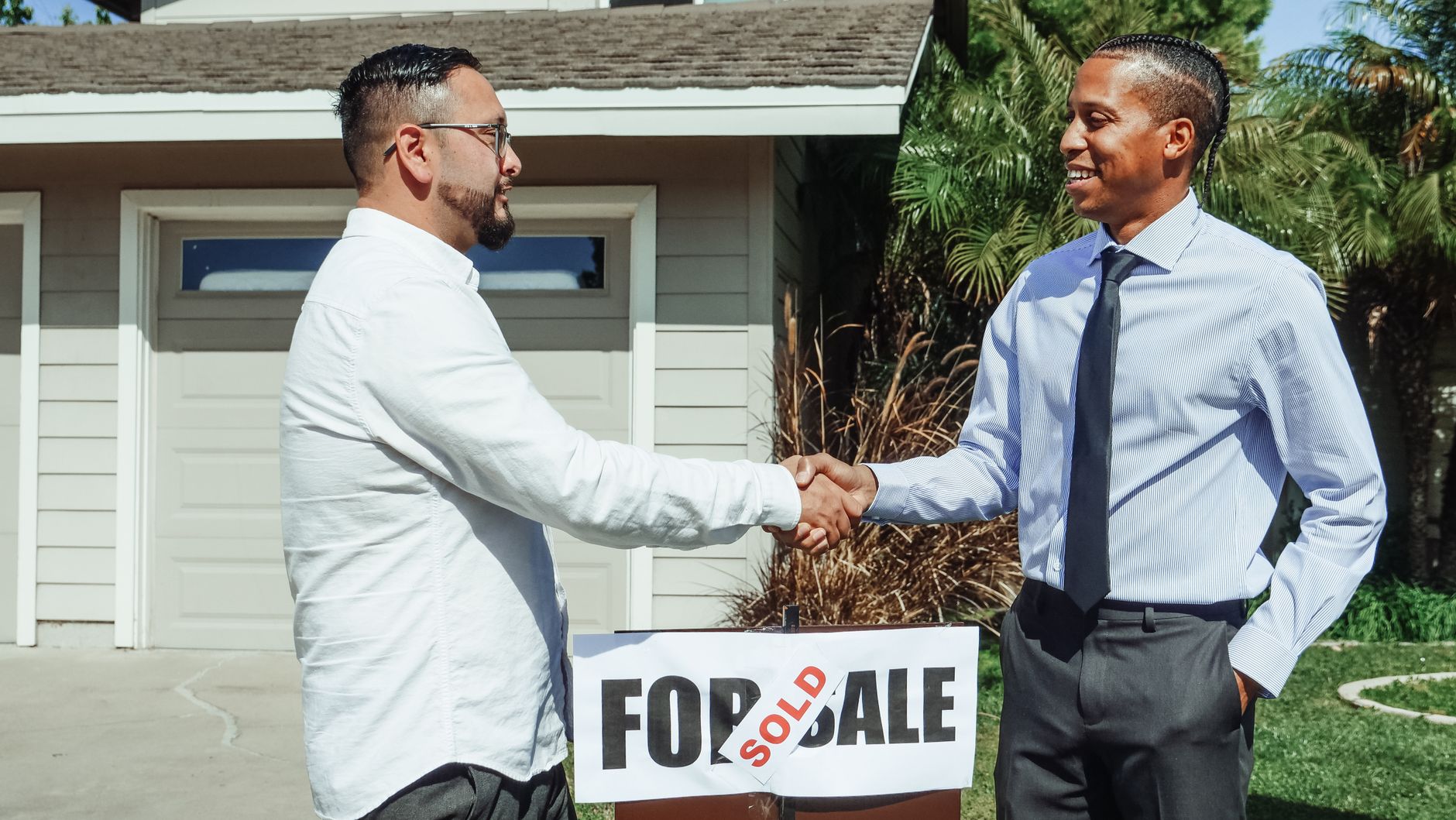
International capital, particularly from Latin America, has reshaped huge swaths of South Florida real estate, with entire condo towers pre-sold to overseas buyers before ground is even broken. This has created pockets of the state where English isn’t the dominant language heard on the street, and where the local economy runs more on international wealth management and real estate transactions than on the tourism and agriculture industries traditionally associated with the state.
What Old Florida Still Looks Like
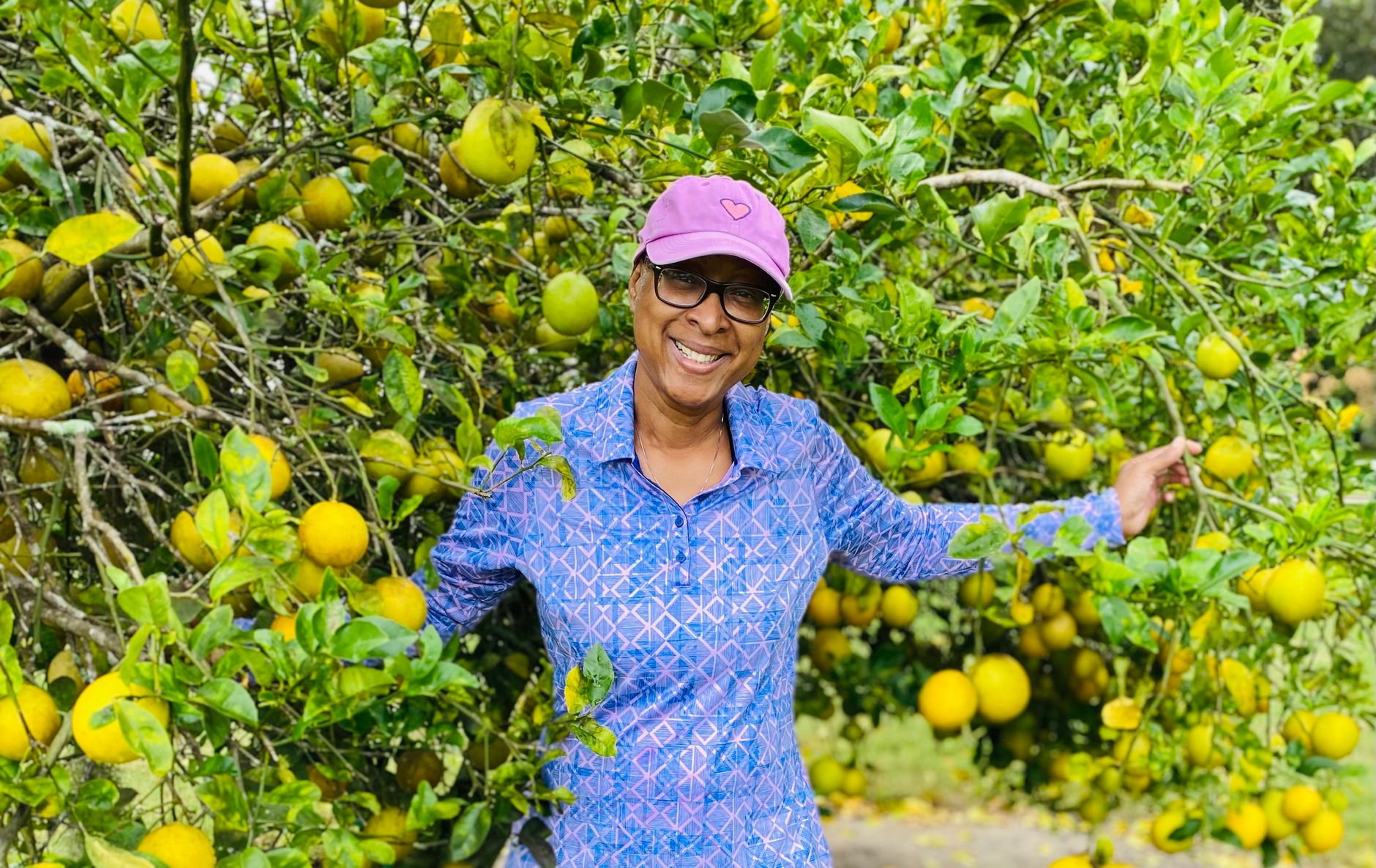
It’s worth noting that plenty of the state hasn’t transformed at all. Small towns in the citrus-growing interior, the fishing communities along the Nature Coast, and the historic districts of St. Augustine have largely resisted the corporate and international reshaping happening elsewhere. The split increasingly isn’t between Florida and not-Florida, it’s between a rapidly globalizing coastal and metro Florida and a slower-changing rural and small-town Florida that still looks a great deal like it did decades ago.
Why This Matters for Visitors
Anyone planning a trip based on a nostalgic idea of Florida should research their specific destination carefully, because the state now contains genuinely different experiences depending on which few square miles you choose, from a retirement mega-development to an international financial district to a citrus town that hasn’t changed much since the 1970s.
The Long View
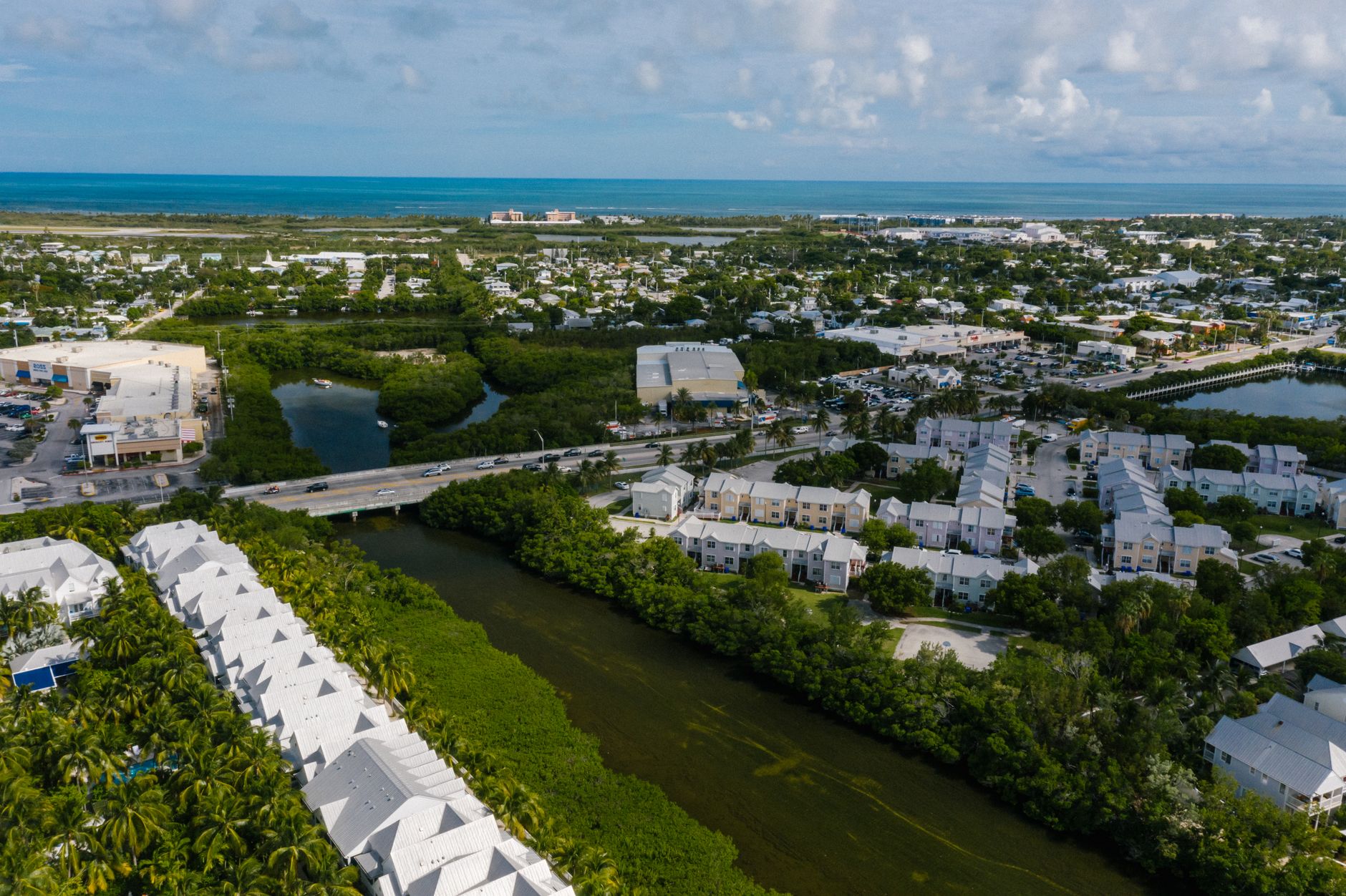
Florida’s split identity is likely to deepen rather than resolve, as international capital and retirement migration continue reshaping the coastal and metro corridors while the rural interior changes at a much slower pace. Anyone trying to understand the state ten years from now will need to think of it less as one place and more as several overlapping economies that happen to share a coastline.
It’s worth remembering that this transformation isn’t unique to Florida among Sun Belt states, but Florida’s combination of no income tax, hurricane-driven insurance dynamics, and heavy foreign investment has produced a uniquely fast and geographically uneven version of the pattern playing out in warm-weather states across the country.