The Airlines That Ranked Dead Last for Everything in 2026 — And the Ones That Actually Got Better
We may earn money or products from the companies mentioned in this post. This means if you click on the link and purchase the item, I will receive a small commission at no extra cost to you ... you're just helping re-supply our family's travel fund.
It’s summer booking season, which means millions of people are about to spend real money on flights without looking up a single data point about the airline they’re choosing. This post exists to fix that. The numbers are out. The rankings are published. Here is the actual state of U.S. airlines in 2026, and it is not what most people assume.
Why These Rankings Actually Matter Before You Book
Airline rankings aren’t abstract. A carrier that ranks last in on-time performance statistically means you’re more likely to sit on a delayed flight, miss a connection, and spend hours on hold with customer service. A carrier that ranks last in complaint resolution means your experience fighting for a refund will be significantly worse. These numbers translate directly to your travel experience.
The primary data sources for this article: the DOT’s Air Travel Consumer Report (the government’s official monthly tracking of airline performance), J.D. Power’s 2026 North America Airline Satisfaction Study, and annual rankings from the Wall Street Journal and Navan’s analysis of DOT 2025 full-year data.
On-Time Performance: Who’s Making It and Who Isn’t
Based on the DOT’s full-year 2025 data as analyzed by Navan, on-time performance (defined as arriving within 15 minutes of scheduled arrival) broke down this way among major U.S. carriers:
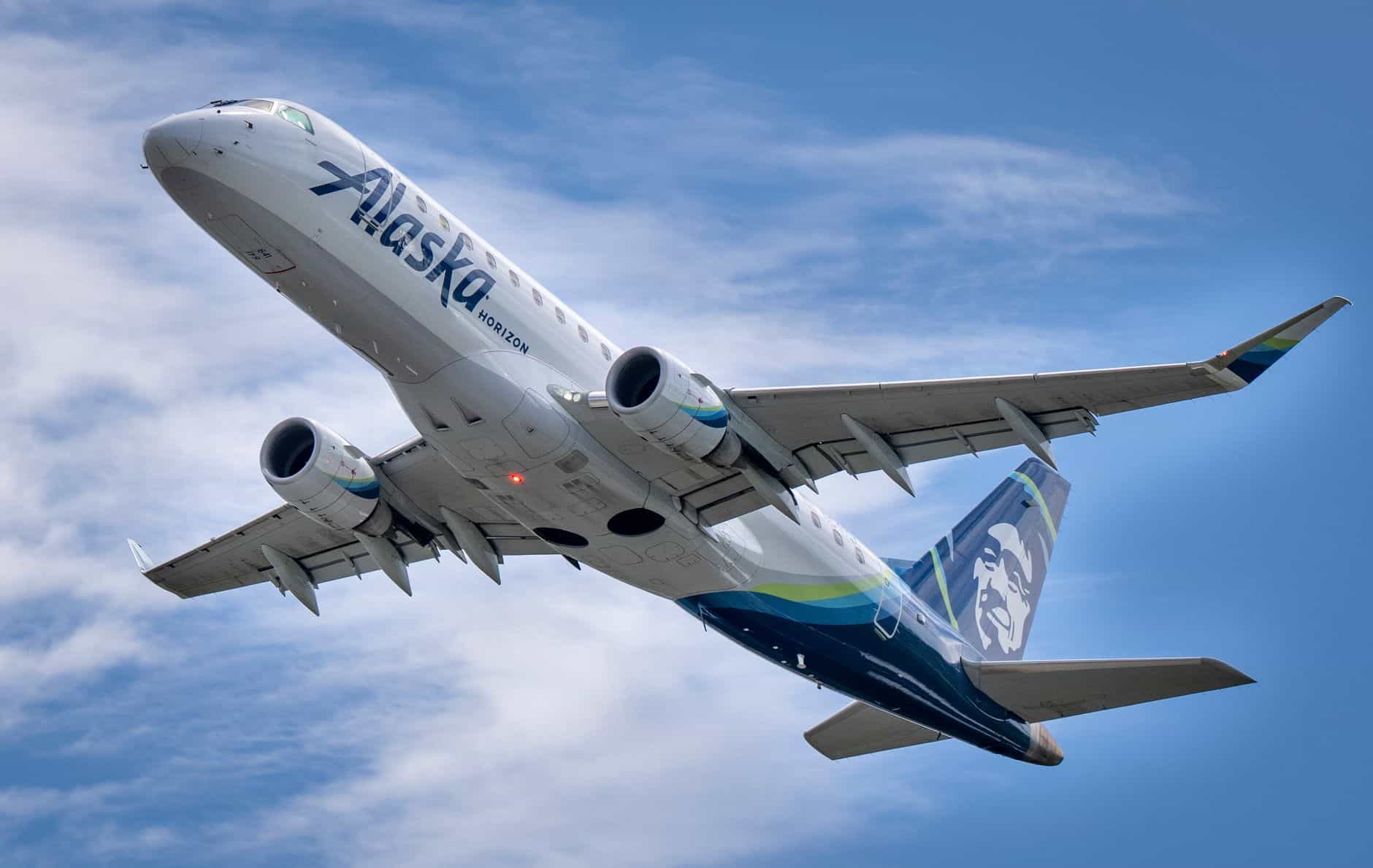
Alaska Airlines led the pack at 84.6 percent, followed by United at 81.3 percent, and Delta at 80.8 percent. American Airlines came in at 79.1 percent and Southwest at 78.4 percent. In the bottom tier: Allegiant at 75.2 percent, Frontier at 72.1 percent, Spirit at 69.5 percent before its collapse, and JetBlue dead last among major carriers at 68.2 percent.
That JetBlue number is striking given the airline’s J.D. Power performance (more on that below). JetBlue has chronically struggled with on-time performance for years, and 68.2 percent means roughly one in three JetBlue flights arrives late. If you’re booking a tight connection or need to make an event, that’s a meaningful risk to price into your decision.
American Airlines was the only major carrier to cancel more than two percent of its flights in calendar year 2025, canceling 2.2 percent — significantly higher than its peers, per reporting on the 2025 WSJ airline scorecard. That number compounds over a busy travel year.
Baggage Handling: Where Your Suitcase Goes to Die
Flight completion rates (the percentage of flights that operate without cancellation) show another tier of the picture. Southwest and Alaska led at 99.2 percent and 98.8 percent respectively, followed by Delta at 98.5 percent and United at 98.2 percent. At the bottom: JetBlue at 92.5 percent and Spirit at 93.0 percent before it folded. Frontier sat at 94.8 percent.
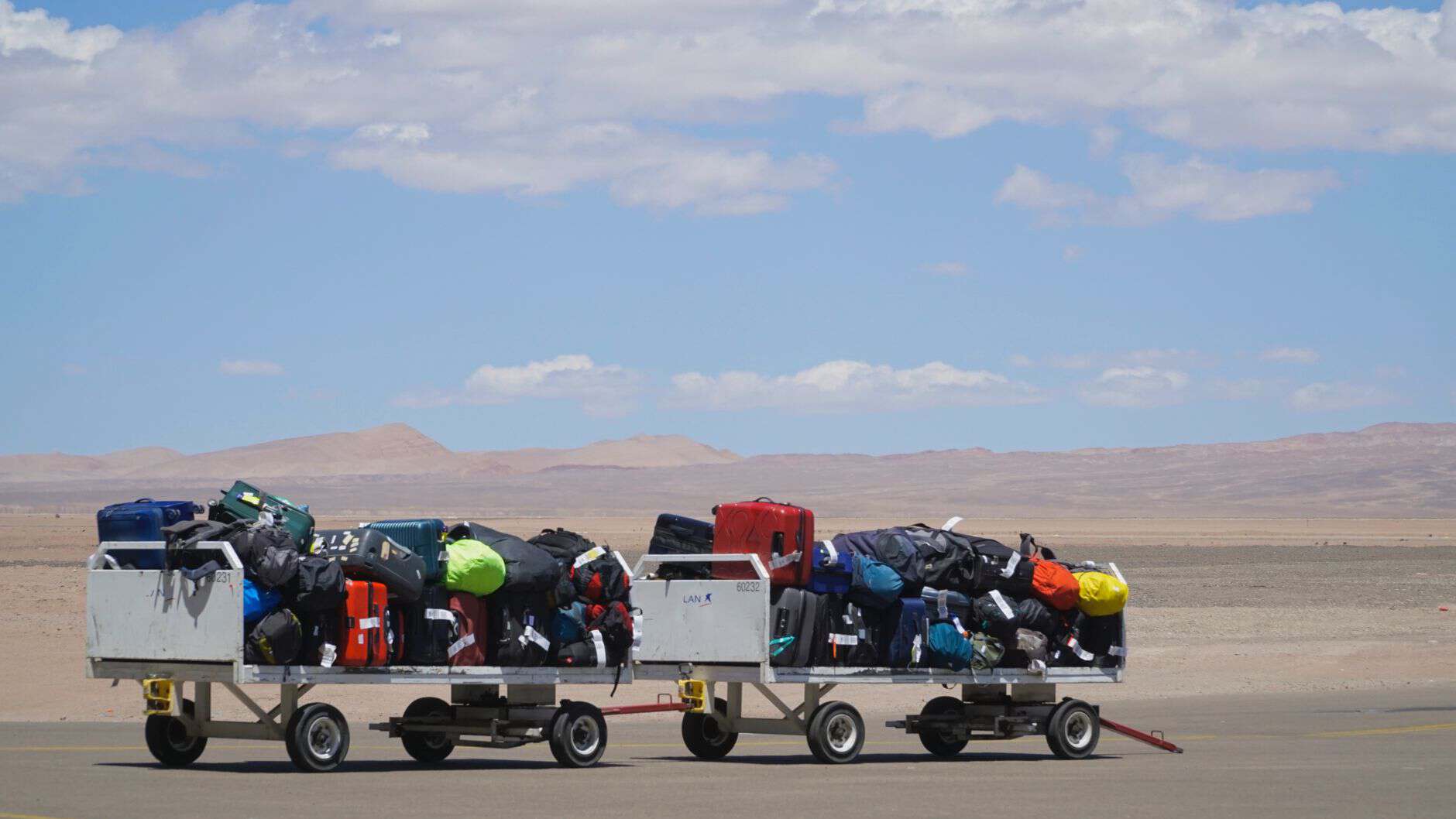
Baggage mishandling rates correlate closely with on-time performance — airlines that are chronically delayed have more rushed baggage transfers, more gate changes, and more chaotic baggage handling overall. If you’re checking bags on a carrier in the bottom third of on-time performance, your bags face meaningfully higher odds of delayed delivery or misrouting. The DOT requires airlines to refund checked bag fees if your domestic bag isn’t delivered within 12 hours of arrival, or 15–30 hours on international flights. That’s cold comfort when you’re standing at baggage claim in Miami at 11 p.m. without your luggage.
Customer Complaints: The Airlines People Hate the Most
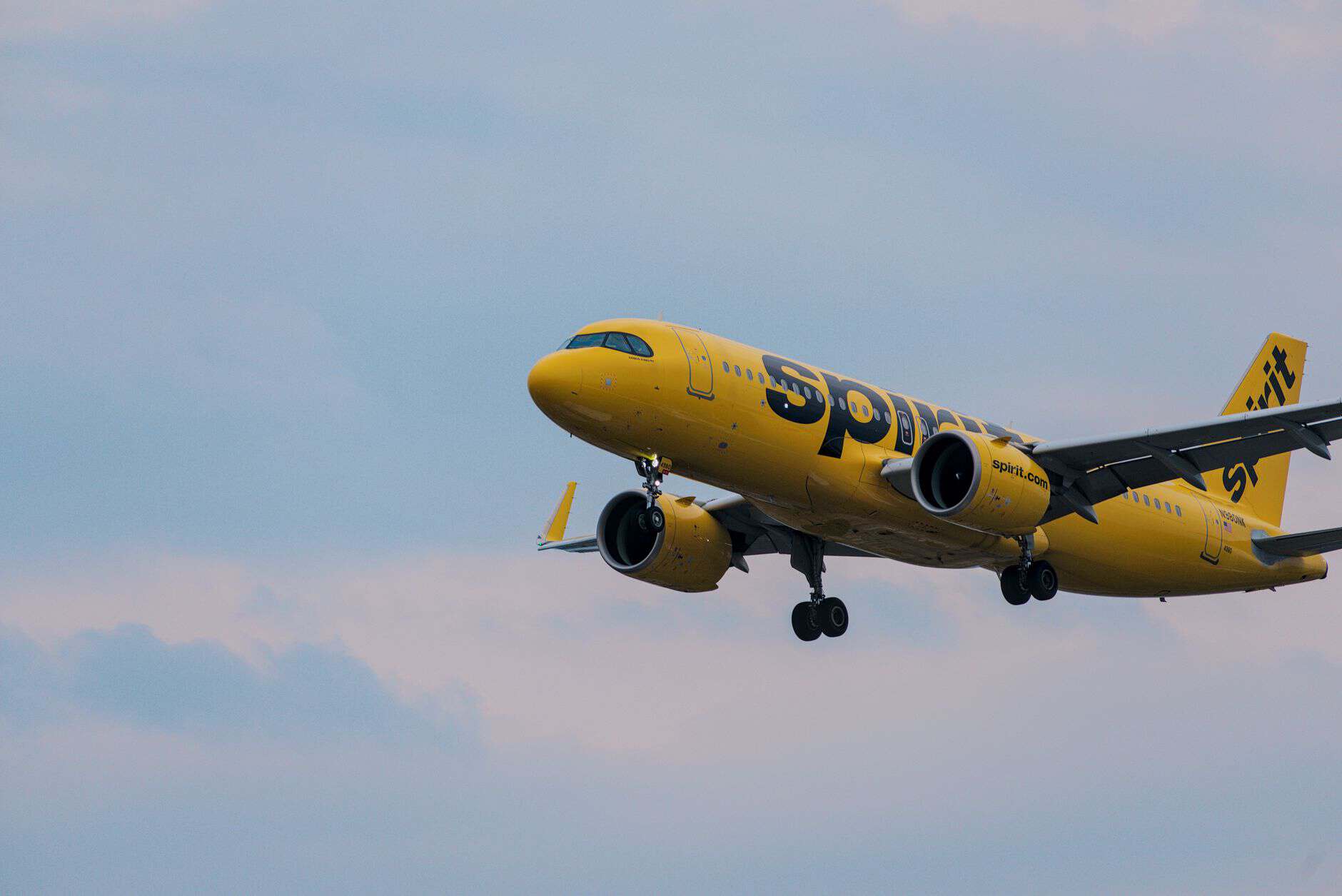
Customer complaint rates to the DOT have risen substantially in recent years, spiking more than 300 percent above pre-pandemic levels during the industry’s worst periods. Budget carriers consistently generate the highest complaint rates per passenger, with Frontier and Spirit leading that category in years where both were operating.
The nature of complaints matters. Budget carrier complaints cluster heavily around fee disputes, denied boarding, and customer service failures — precisely the areas where ultra-low-cost business models create the most friction. When your entire value proposition is the lowest possible headline fare, every fee encounter and every denied request becomes a complaint waiting to happen. Refund processing is another flashpoint: the DOT’s rule requiring airlines to process refunds within seven business days for credit card purchases is routinely violated by carriers who prefer to offer vouchers and hope passengers accept them.
Spirit Airlines: The Carrier That Ceased to Exist
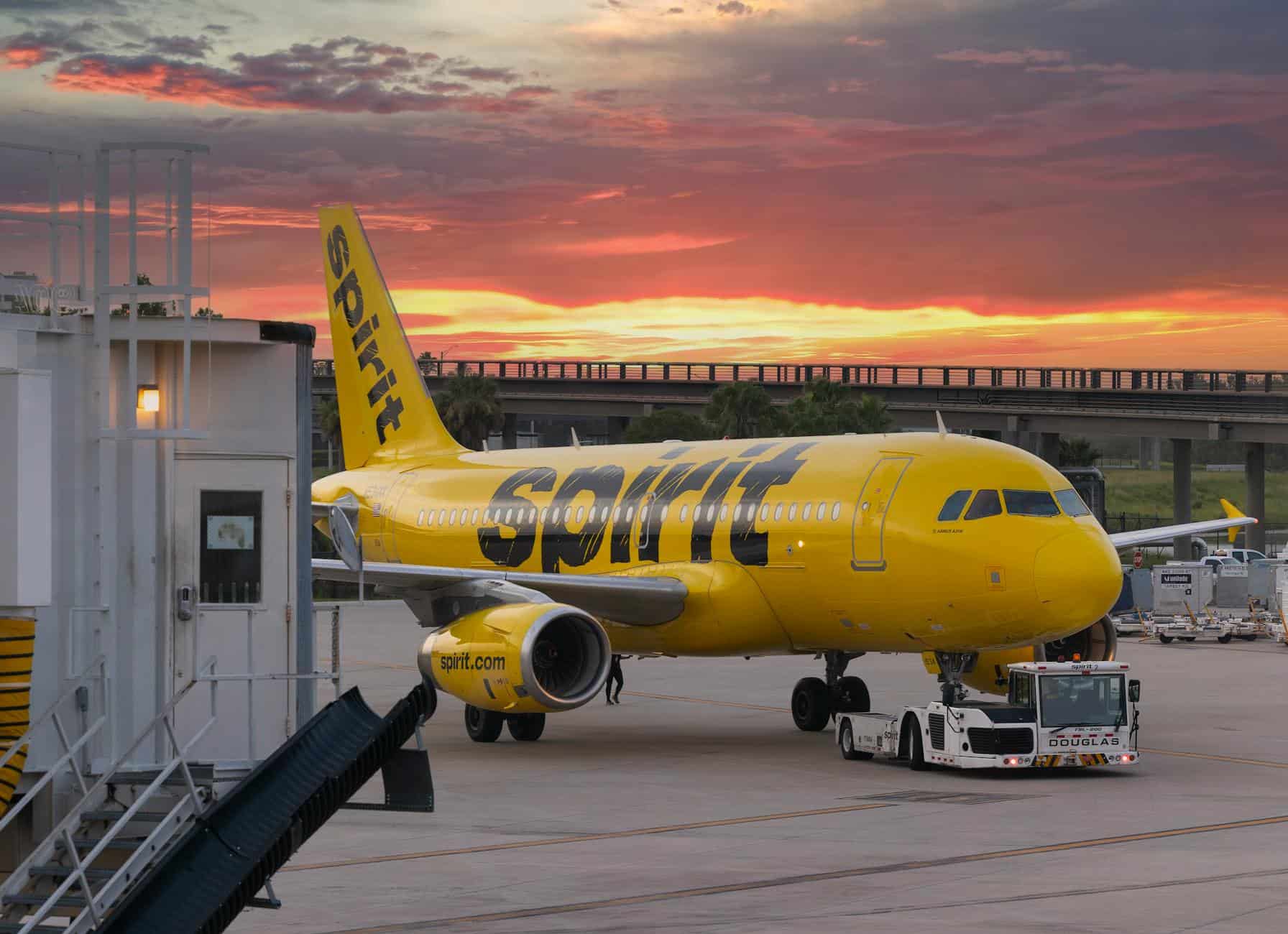
Spirit Airlines ceased all operations on May 2, 2026, per NPR’s reporting. The airline — which had filed for bankruptcy twice since 2024 — had been seeking a $500 million federal rescue package from the Trump administration. Negotiations collapsed, and the shutdown was immediate.
Spirit was the ninth-largest U.S. carrier by seating capacity and held a 3.9 percent market share as recently as February 2026 — down 51 percent from the same period the previous year. The DOT worked with other airlines to limit ticket prices and offer discounted fares to stranded Spirit passengers, and some carriers offered preferential hiring to Spirit’s employees.
The collapse matters for more than Spirit’s own passengers. Consumer advocates warned that Spirit’s presence on routes helped suppress fares system-wide. When an ultra-low-cost carrier disappears from a route, competing airlines have less competitive pressure to keep fares down. If Spirit served your most-used routes, expect prices to be meaningfully higher this summer.
Frontier: The Fees That Never Stop

Spirit is gone, but Frontier remains, and it offers an object lesson in how ultra-low-cost pricing actually works. Frontier’s optional fees as of June 2026 include: carry-on bags up to $100 at the gate per direction, checked bags at $79+ per direction depending on weight, overweight bags at $75–$129 per bag per direction, name changes at $75 per passenger, a care agent booking charge of $35 per passenger, an airport agent assistance charge of up to $25 per passenger, and a web check-in fee of up to $5 per passenger.
Yes, Frontier charges you to check in on their website. There is a $5 fee to use the web check-in function. They also charge a “carrier interface charge” — a fee for using any booking channel at all, up to $23 per passenger per segment — baked into the fare display. If you book the $39 advertised Frontier fare without reading the fee schedule, your actual out-of-pocket can easily triple or quadruple by the time you board.
Frontier’s on-time performance sat at 72.1 percent and its completion rate at 94.8 percent — middle of the budget carrier tier, but meaningfully below the major carrier baseline.
The JD Power Winners in 2026: Southwest, Delta, JetBlue
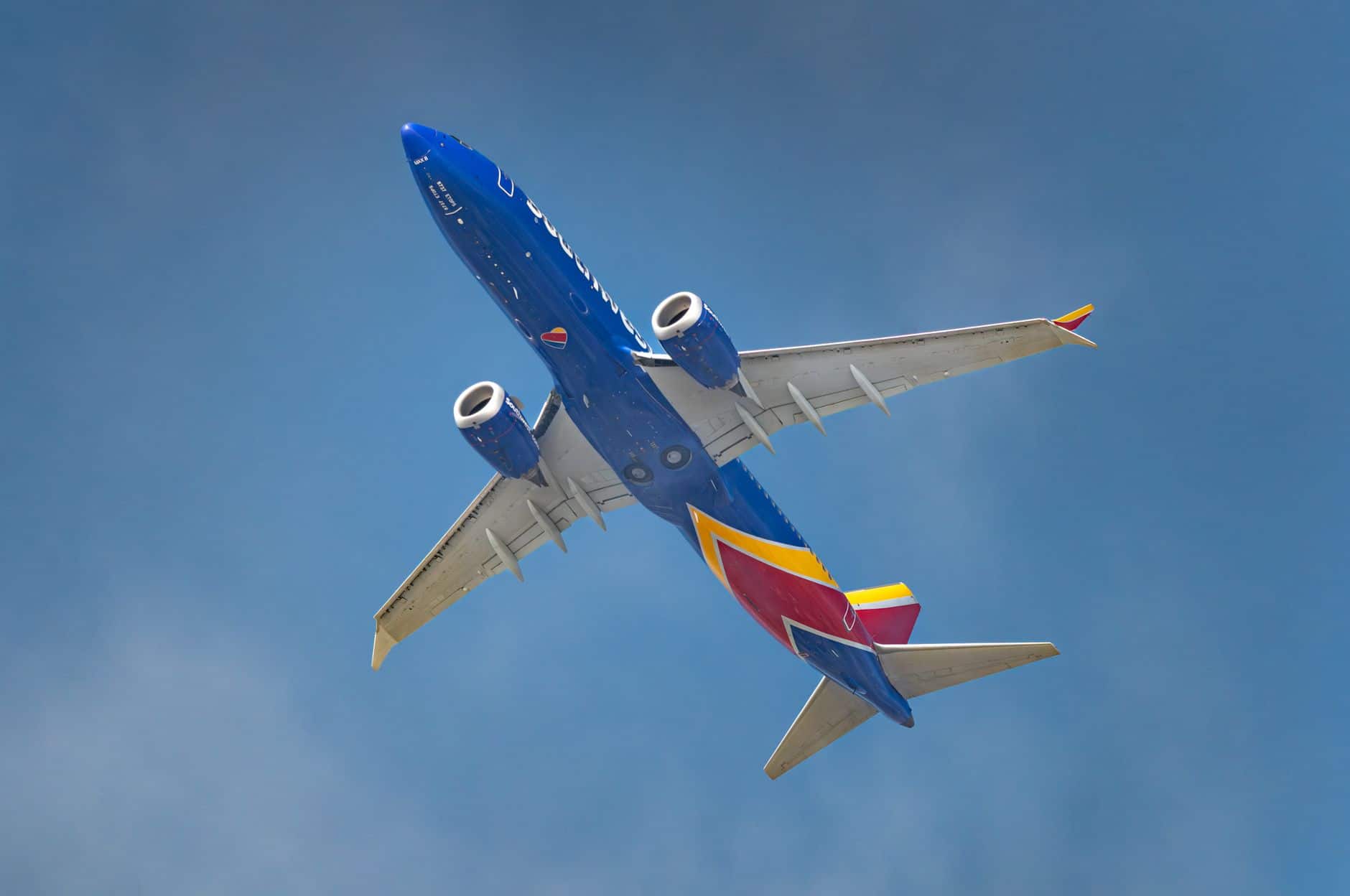
J.D. Power’s 2026 North America Airline Satisfaction Study, released in May 2026, told a different story than the on-time data — and the divergence is interesting. Southwest ranked first for economy class satisfaction for the fifth consecutive year. Delta ranked second, just three points behind Southwest. JetBlue took the top spot for first and business class satisfaction.
For economy travelers, the full J.D. Power ranking, per LiveNOW from FOX, put Southwest and Delta at the top, with JetBlue, Alaska, and United following. American Airlines and Air Canada sat at the bottom of the satisfaction rankings.
The JetBlue paradox is worth noting: worst on-time performance among major carriers but top-ranked for first and business class satisfaction. JetBlue’s Mint business class product — lie-flat seats, good food, genuinely premium service — is legitimately excellent. The airline’s operations, particularly scheduling and recovery, are chronically poor. If you’re flying JetBlue Mint and you can absorb a delay, the product is worth it. If you need to make a connection, the on-time data should worry you.
What Southwest’s Win Actually Means After the 2022 Meltdown
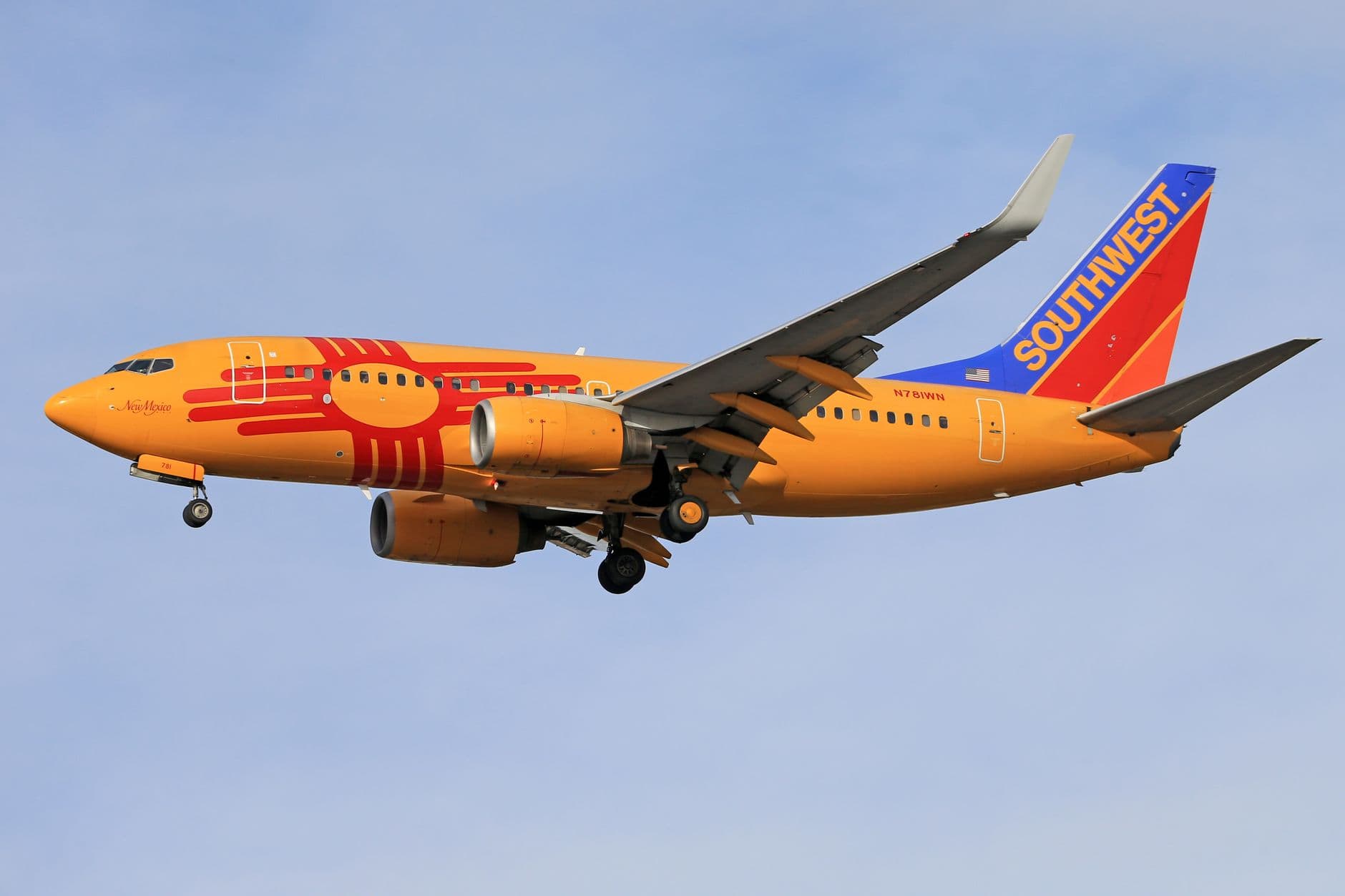
Southwest’s December 2022 operational collapse was one of the worst airline failures in U.S. history. The carrier canceled over 16,700 flights over the holiday period, stranding more than two million passengers. The root cause was an outdated crew scheduling system that couldn’t handle cascading disruptions — a problem Southwest had been warned about for years.
Three-plus years later, Southwest has ranked first in J.D. Power satisfaction for five consecutive years, including the two years after the meltdown. Its on-time performance is middling (78.4 percent, fourth among major carriers) but its flight completion rate is best-in-class at 99.2 percent. The airline has invested in crew scheduling technology, though critics note that full system modernization is ongoing.
The customer satisfaction ranking reflects genuine goodwill from Southwest’s no-change-fee policy, free checked bags (two bags, always), and service culture. These policies remain differentiated in an industry that charges for everything. But the on-time number suggests the operational recovery is still incomplete. For flexibility and bag policy, Southwest remains excellent. For reliability on a tight schedule, it’s still middle of the pack.
The Real Improvers: Who Actually Got Better
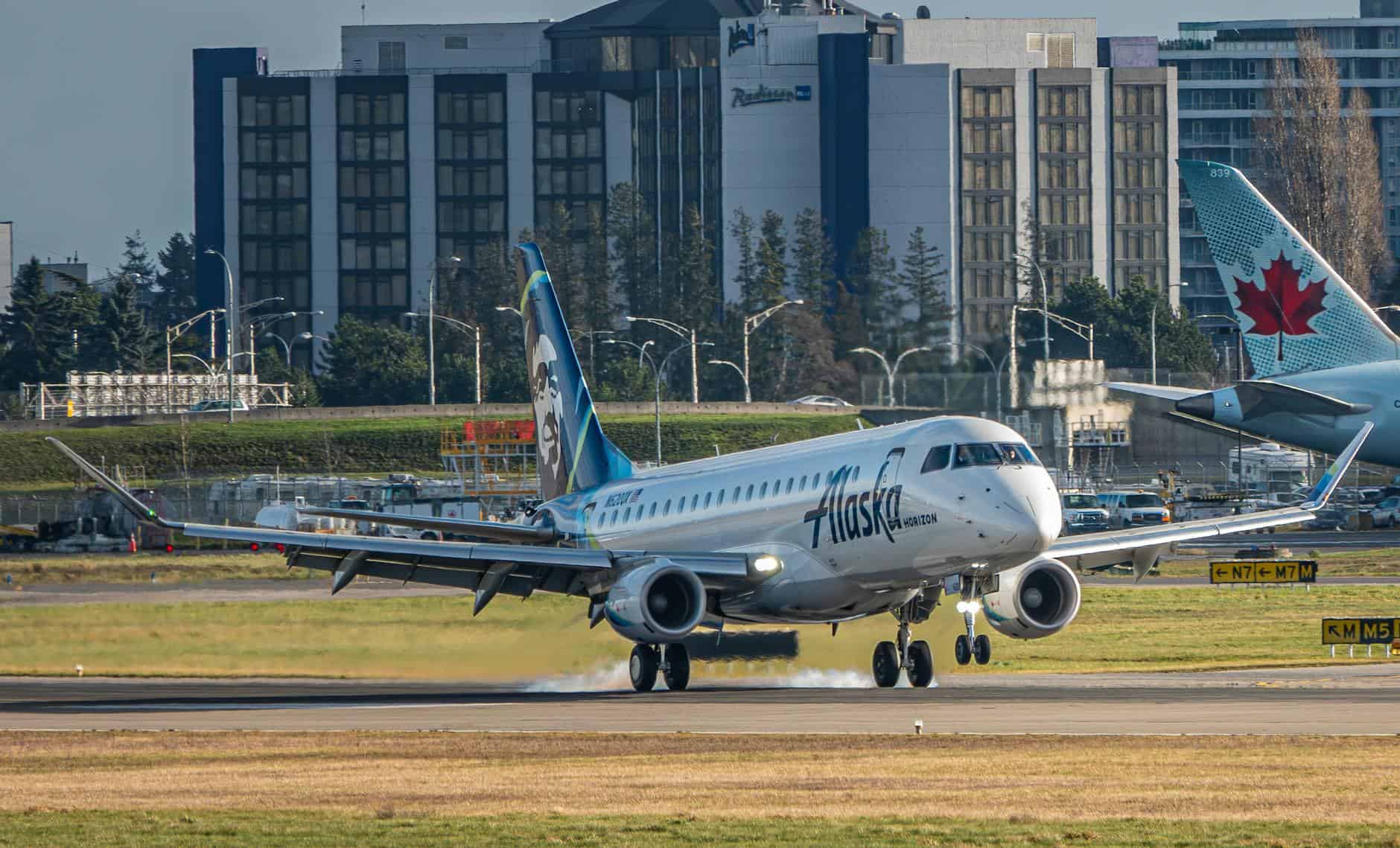
Alaska Airlines is the clearest operational improver story in 2026, sitting at the top of on-time performance at 84.6 percent. Alaska has long been strong operationally, and its merger integration with Hawaiian Airlines is ongoing — Hawaiian’s 67.4 percent on-time rate dragged the combined picture but Alaska’s core network performance is best-in-class.
Delta, despite falling to third in the WSJ’s 2025 annual scorecard (behind Southwest and Allegiant), maintains industry-leading metrics in premium customer experience and international operations. Delta ranked second in J.D. Power economy satisfaction and second in premium economy. For frequent travelers who fly enough to earn status, Delta SkyMiles still offers some of the best elite benefits in the industry.
United has quietly improved across multiple metrics. Its 81.3 percent on-time rate is second only to Alaska, and its recent terminal improvements at hub airports have meaningfully reduced the friction of connection times. United is rarely anyone’s favorite airline, but its operational reliability in 2026 is genuinely better than it was three years ago.
What to Do With This Information Before Booking

Here’s the practical application. When you’re shopping flights and the price difference between a reliable carrier and a budget carrier is $80 per person, do the math on what that $80 buys. One checked bag on Frontier. A carry-on you might already need. Forty-five minutes of your time on hold when things go sideways. A 15 percent greater chance of arriving late.
The DOT’s refund rules mean you have legal protection when delays cross the three-hour domestic threshold. Knowing that changes how you approach delays — you are entitled to a cash refund, not just a voucher, and you can request it. Don’t let a gate agent or an app steer you toward travel credits without exercising your right to cash.
For summer 2026 travel, Alaska and Delta offer the most reliable combination of on-time performance and operational recovery. Southwest offers the best bag policy and flexibility. JetBlue offers the best premium cabin product. And the budget carriers offer the lowest headline fares — plus a fee structure designed to close the gap before you board.