9 Countries Where Americans Are Shocked By the Rules
We may earn money or products from the companies mentioned in this post. This means if you click on the link and purchase the item, I will receive a small commission at no extra cost to you ... you're just helping re-supply our family's travel fund.
American travelers sometimes move through other countries with the quiet assumption that legal and social norms follow a similar framework to the one they know at home: visible rules get enforced, invisible ones are flexible, and common sense bridges most gaps. That assumption tends to hold in places with close cultural overlap. It fails badly in others, where laws around photography, substances, clothing, gestures, and public behavior reflect entirely different value systems. The countries below are not dangerous or hostile to visitors. They just enforce their rules in ways that catch American travelers genuinely off guard.
Singapore
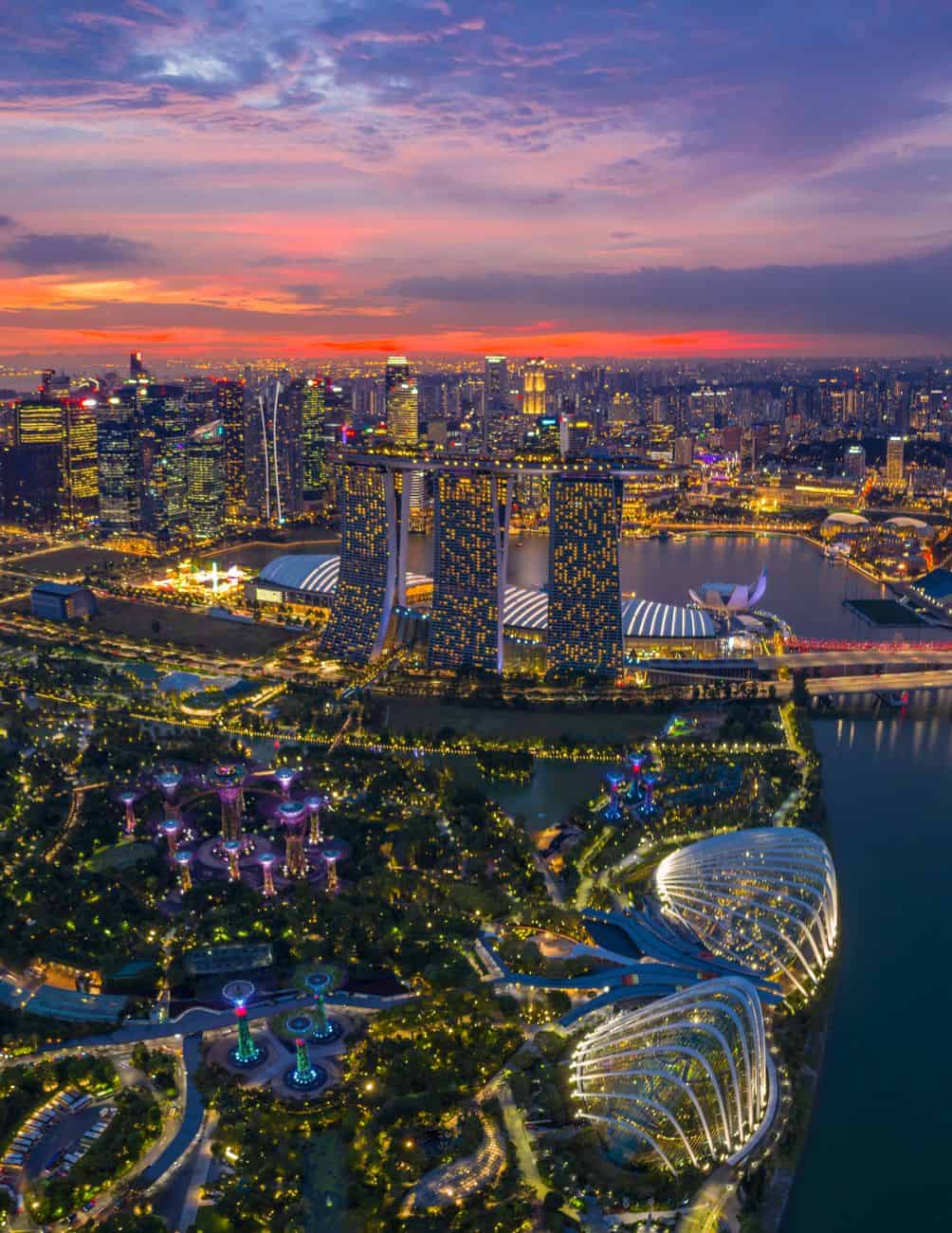
Singapore enforces rules that are widely known but still regularly underestimated. Chewing gum is prohibited for import and sale with narrow medical exceptions under the Regulation of Imports and Exports Act. Littering carries fines starting at $300 SGD for a first offense, and repeat offenders can be assigned corrective work orders that involve cleaning public spaces in a vest identifying them as an offender. Jaywalking, failing to flush a public toilet, and feeding birds or monkeys in public areas all carry formal penalties. The U.S. Embassy’s Singapore travel advisory notes that laws are strictly enforced and that ignorance of the law is not a recognized defense.
Japan
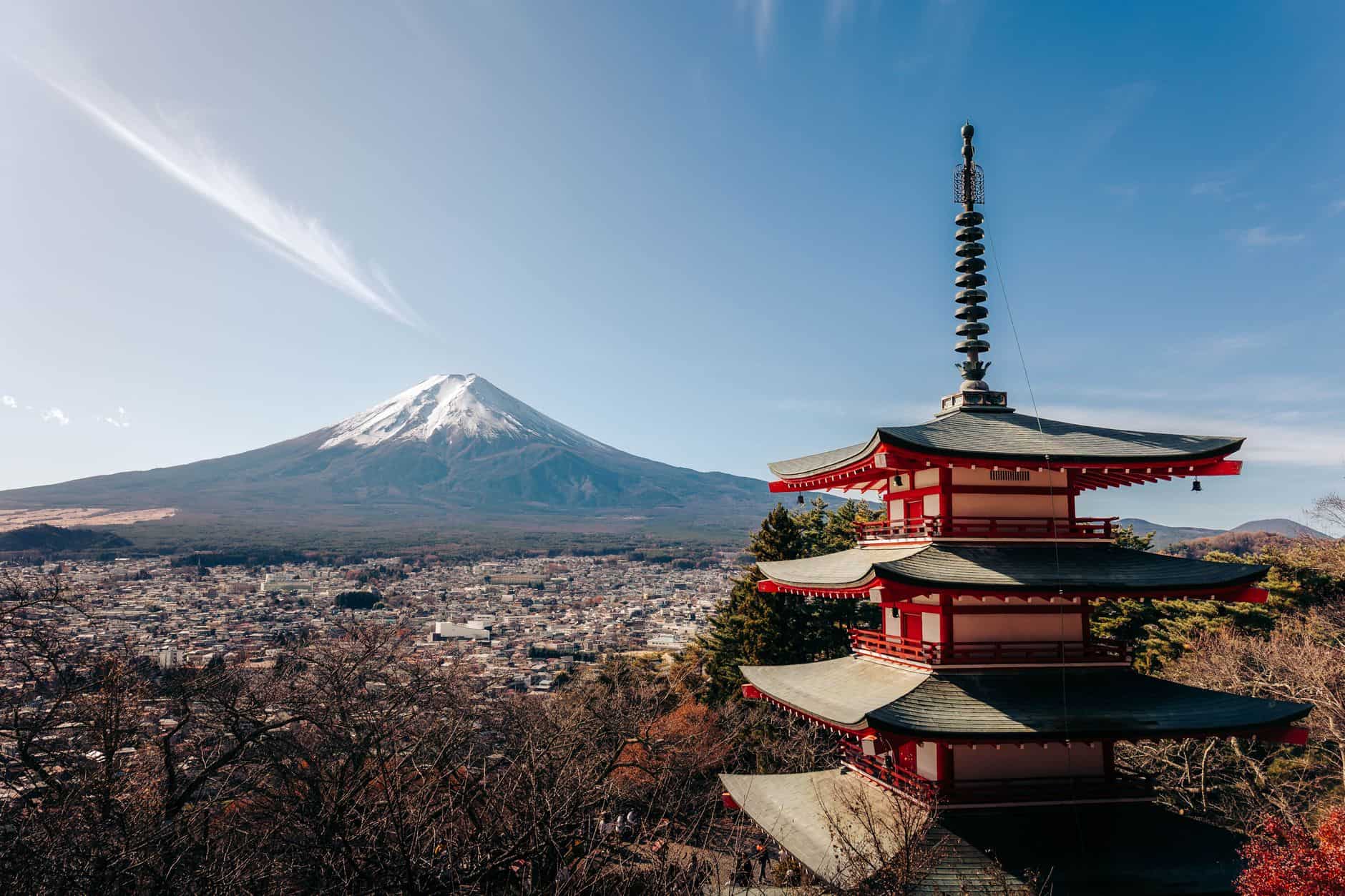
Japan’s rules around behavior and public space are often social rather than legal, but several legal ones also surprise American visitors. Carrying prescription medication that is legal in the United States can require an import certificate called a Yunyu Kakunin-sho if the medication contains certain stimulants or narcotics, and travelers have been detained at entry for carrying medications without proper documentation. Photography of people, particularly in uniform or in religious settings, is treated with far more sensitivity than it typically is in the United States. Public intoxication draws significant social disapproval and in some contexts police involvement.
United Arab Emirates
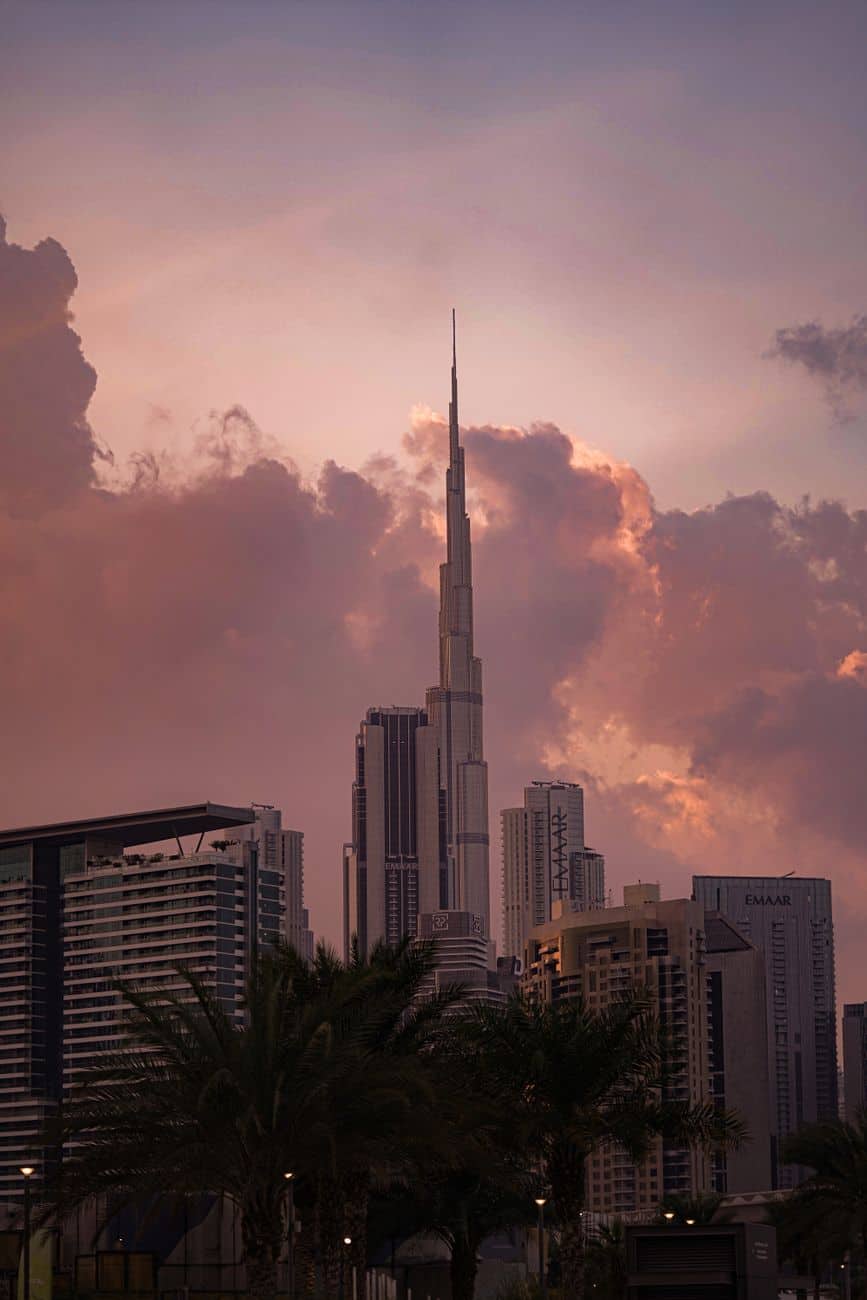
The UAE enforces laws that reflect Islamic values at a national level and applies them to foreign visitors without exemption. Kissing or showing affection in public can result in arrest and deportation. Possession of even small amounts of drugs including those legal in U.S. states carries severe penalties including imprisonment. The U.S. Department of State’s UAE travel advisory notes that swearing in public, including in text messages or social media posts accessible within the country, can result in criminal charges. Dress codes apply at public beaches, markets, and malls, and enforcement is real rather than advisory.
Thailand
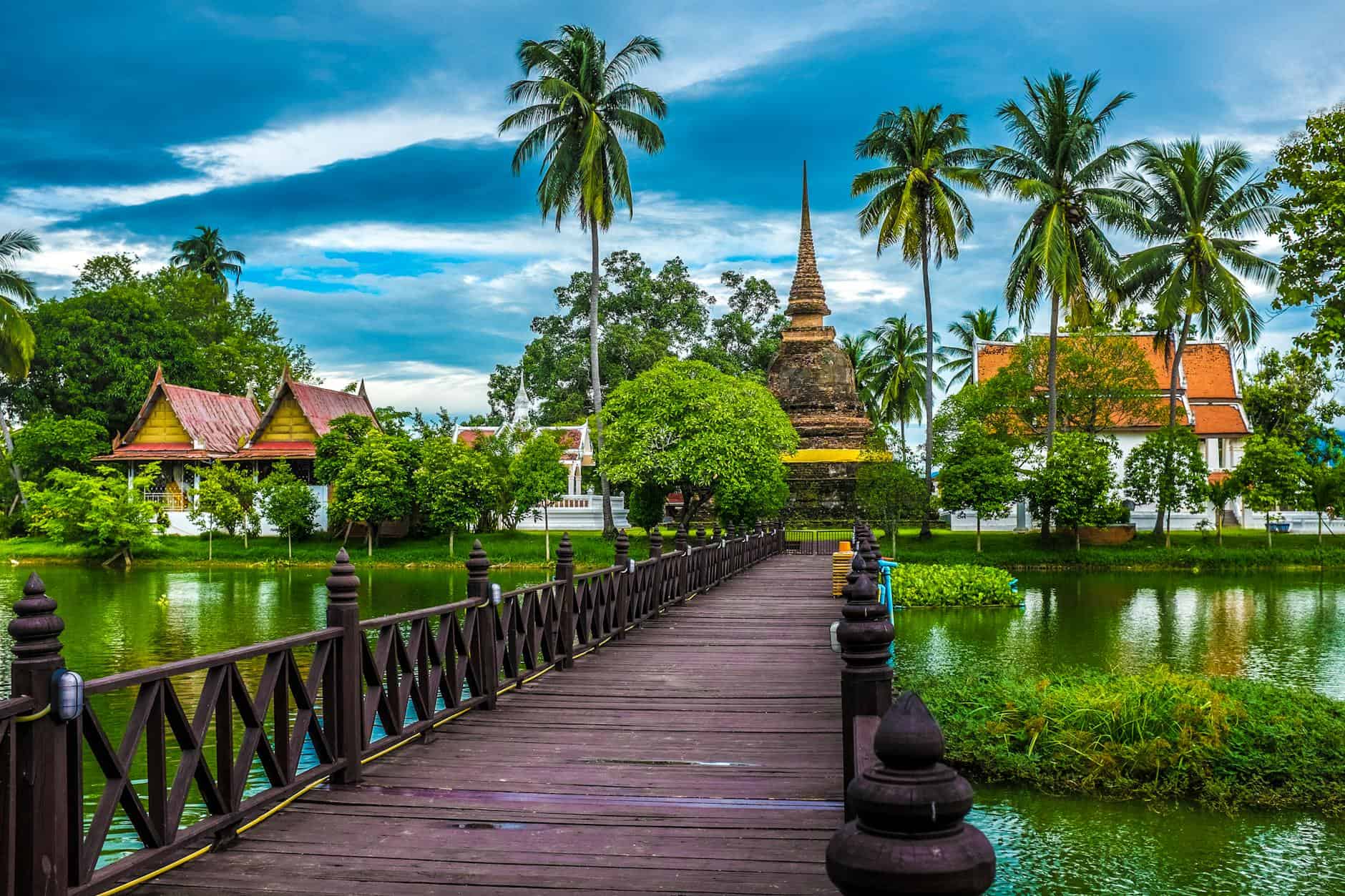
Thailand’s lèse-majesté law makes any negative statement about the royal family a criminal matter, with sentences ranging from three to fifteen years per offense. The law applies to foreign visitors and has been used in cases involving social media posts made outside Thailand that were accessible within the country. Beyond royalty-related speech, the country’s drug laws carry capital punishment for trafficking and lengthy sentences for possession. Buddha images may not be imported without government permission, and foot soles pointed toward a person or a sacred image are considered deeply offensive in ways that can escalate quickly in religious settings.
Australia
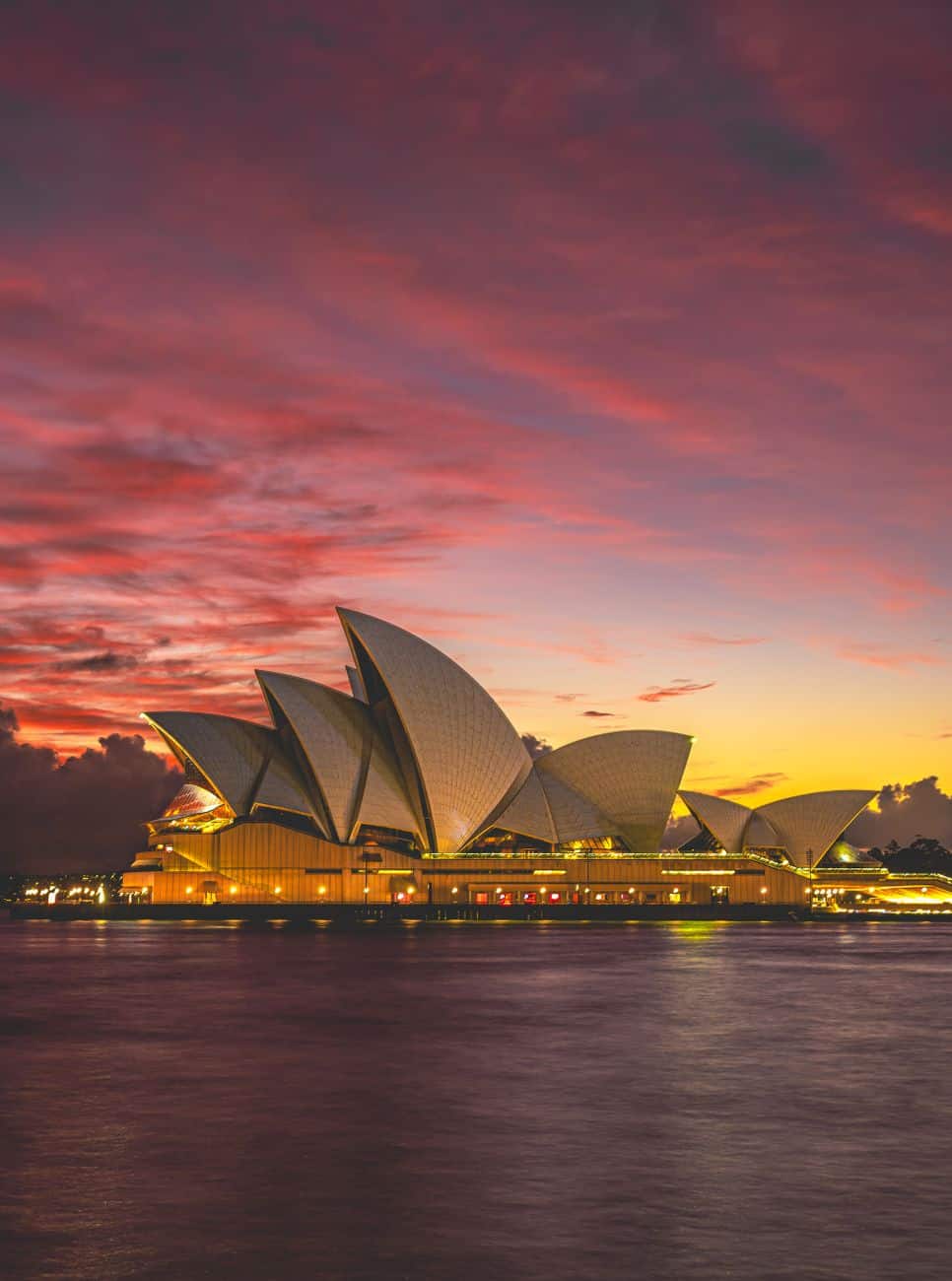
Australia’s rules tend to surprise American visitors not because of severity but because of specificity. Voting is compulsory for citizens, and the country’s strong biosecurity laws prohibit importing almost any food, plant material, or animal product without declaration and inspection. Penalties for biosecurity violations are significant and actively enforced at airports. Several states have strict laws around alcohol consumption in public spaces, and rules vary enough by state and territory that what is permitted in one city may be a fineable offense in another. Driving laws also differ from U.S. norms in ways that rental car agreements do not always make clear.
Russia
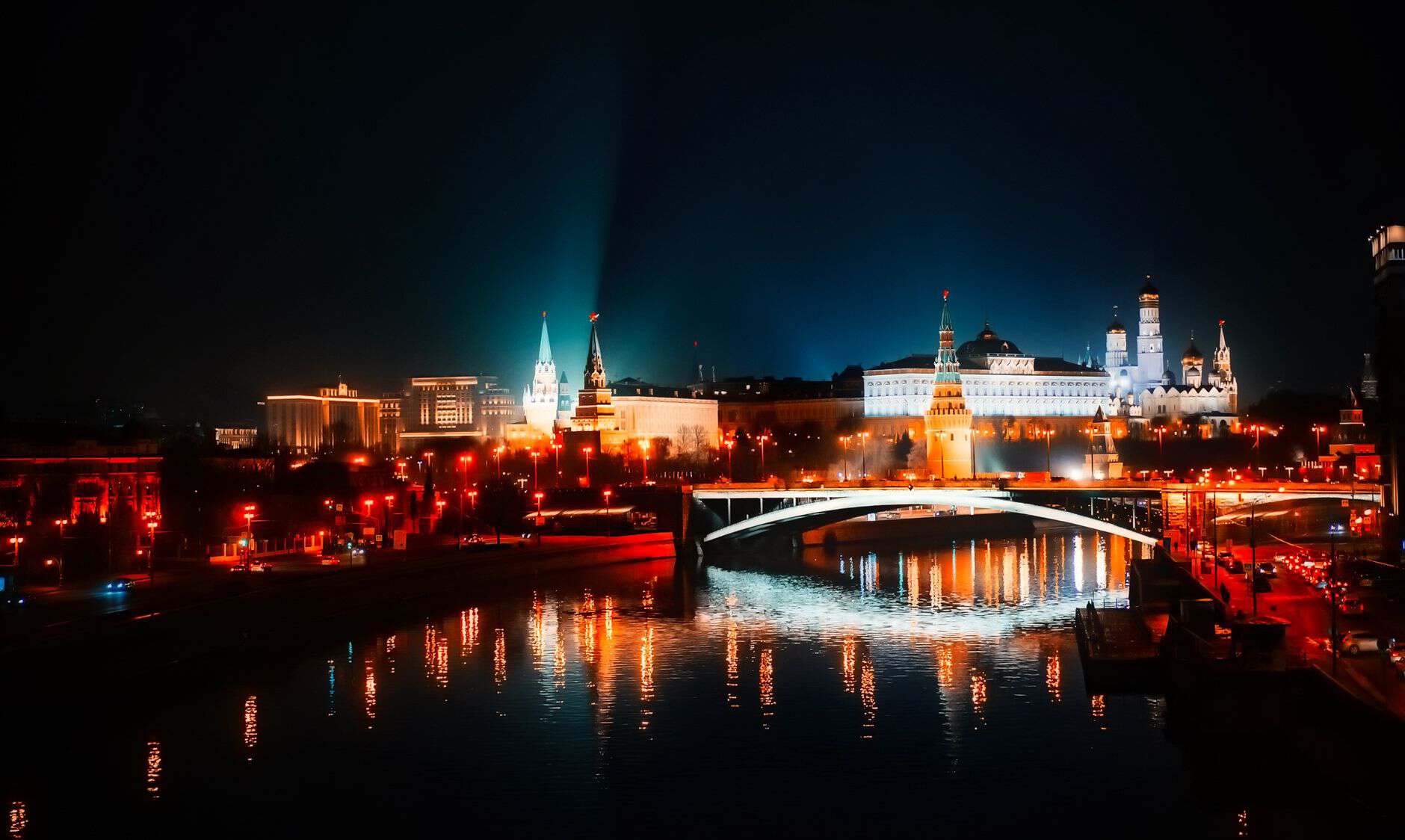
The U.S. State Department currently advises against all travel to Russia, but for travelers who do visit, legal traps for Americans are significant and numerous. Photography near military installations, government buildings, transportation hubs, and border areas is prohibited and enforced. The definition of prohibited photography areas is broad enough that tourists have been detained for photos taken in contexts that appeared entirely civilian. Dual nationality is not recognized by Russian authorities, meaning American-Russian dual citizens are treated exclusively as Russian nationals by Russian law, removing consular access as a protection.
India
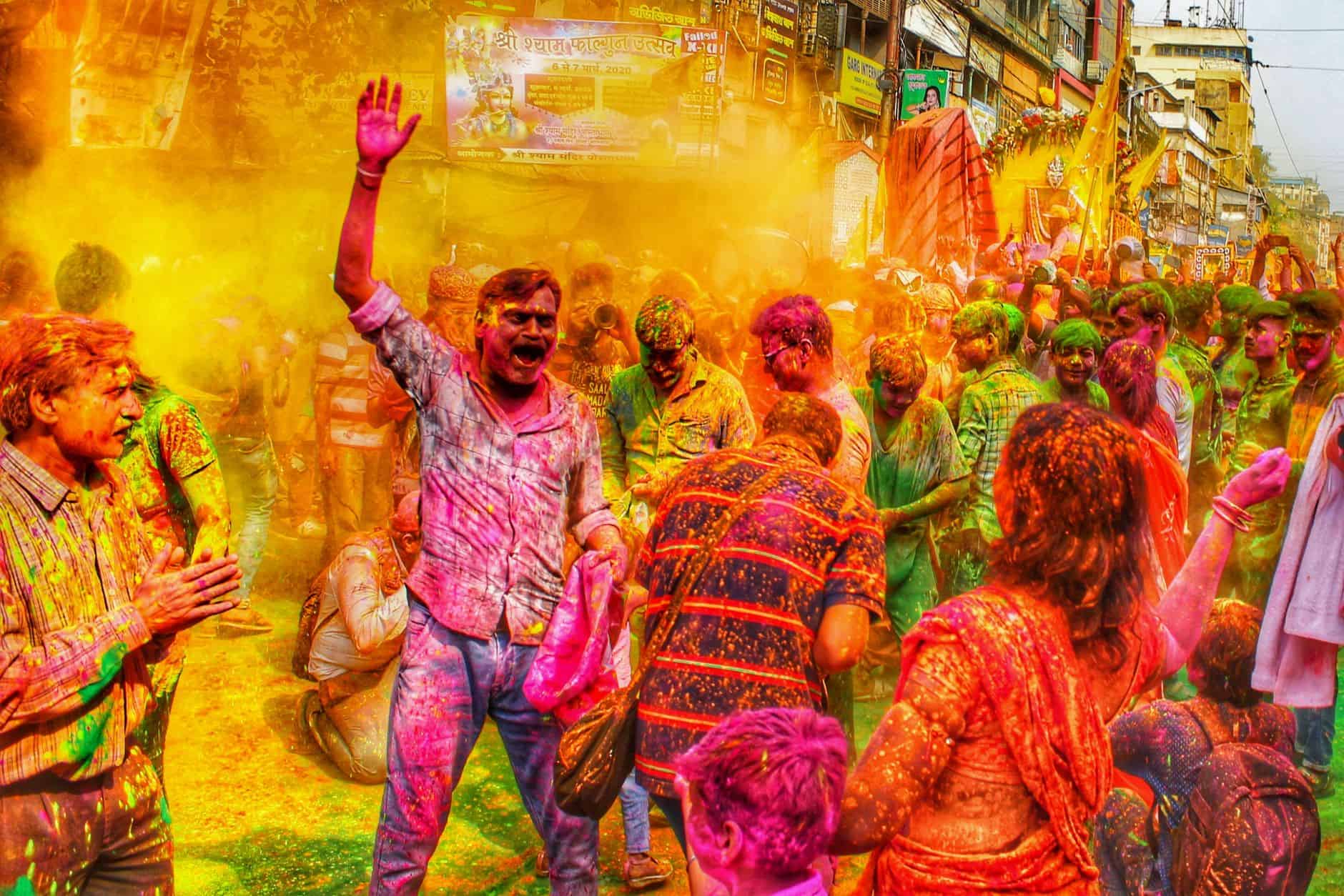
India’s rules around photography surprise many Western visitors. Military facilities, airports, railway stations, and certain bridges prohibit photography, and enforcement varies significantly by location and the discretion of the official involved. Drone operation requires permits that are not simple to obtain and vary by zone. Foreign visitors have also been caught off guard by rules around currency: taking Indian rupees out of the country is restricted, and the limit on undeclared currency brought in is lower than U.S. travelers often assume. The visa-on-arrival system has specific restrictions that differ from the e-visa, and confusing the two has led to entry denials at airports.
France
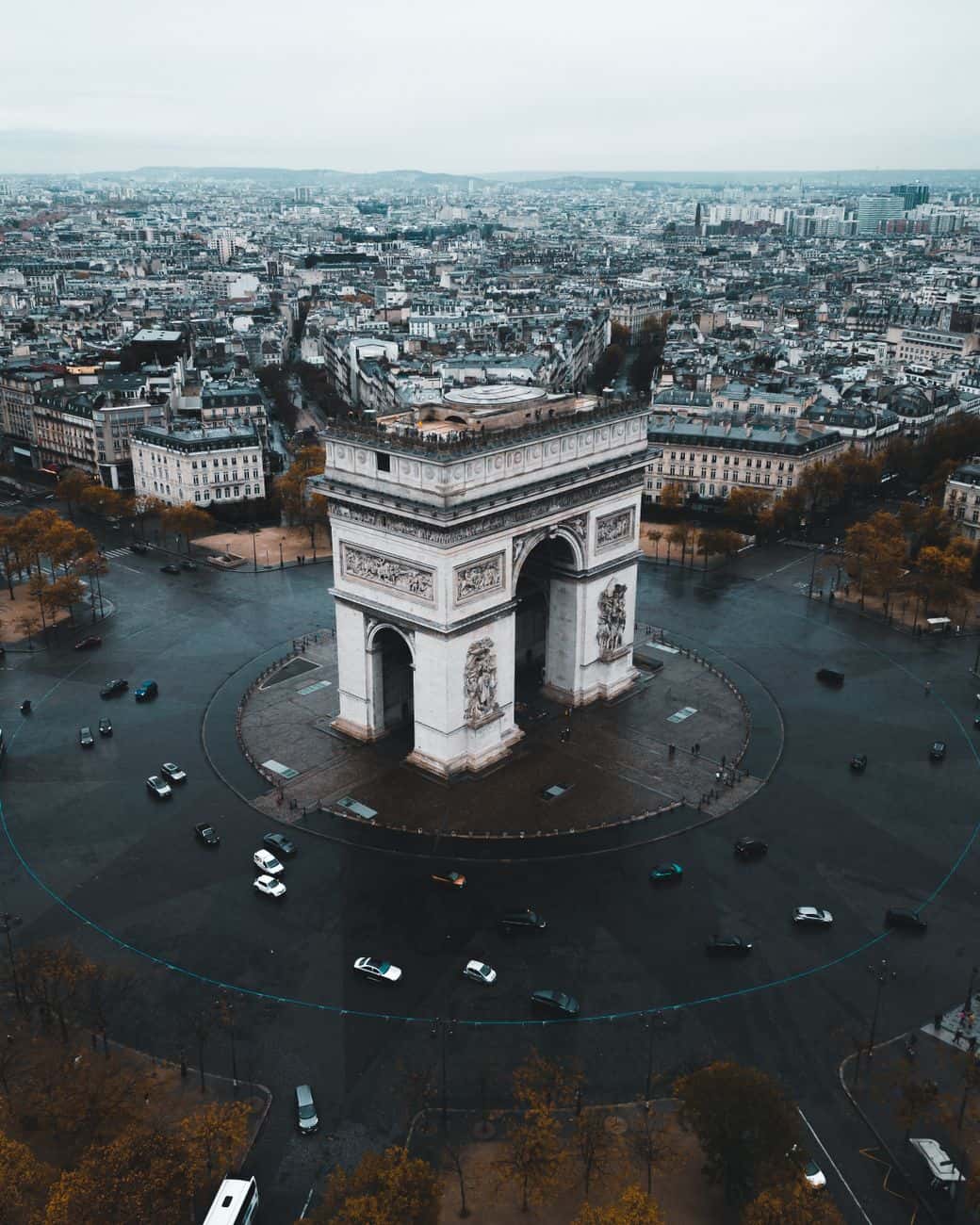
France’s rules catch American travelers in subtler ways than some other destinations, but they are enforced. Street photography is legal, but photographing people in ways that could be considered an invasion of privacy has been challenged in French courts. The country prohibits face coverings in public spaces under a 2011 law, and while the law is not primarily aimed at tourists, it applies broadly. Alcohol laws in France allow public drinking in most settings, but local ordinances in specific cities or neighborhoods may restrict it, and behavior that draws police attention in a tourist zone can escalate differently than it would at home.
New Zealand
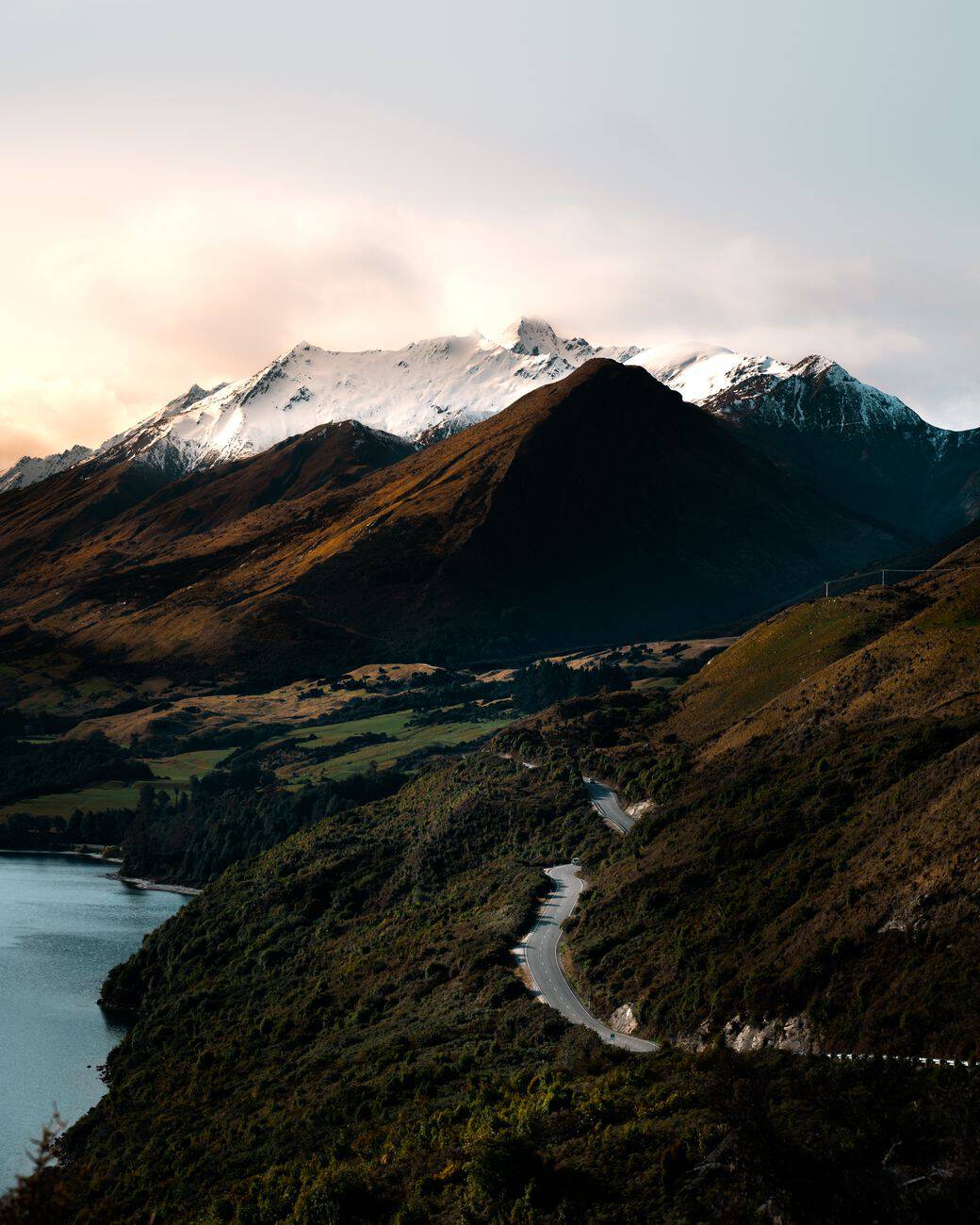
New Zealand’s biosecurity laws are among the most actively enforced of any country travelers encounter without expecting strict border control. Failing to declare food, plant material, or outdoor equipment at the border carries fines starting at NZD 400 for individuals and can reach NZD 100,000 for repeat or deliberate offenses. Hiking boots with mud on them, fruit in a carry-on, and seeds in a pocket are all treated seriously at the border. The country’s approach to vehicle tourism also includes rules around freedom camping that vary by region and require self-contained certification in many areas, a requirement that rental companies do not always explain clearly.