The Alabama Black Belt Is Changing—But These 2 Towns Show What Hasn’t Moved, and Why It Matters for Visitors
We may earn money or products from the companies mentioned in this post. This means if you click on the link and purchase the item, I will receive a small commission at no extra cost to you ... you're just helping re-supply our family's travel fund.
Alabama Black Belt towns are changing in visible ways, with new murals, restored buildings, and fresh attention from visitors, but some things have not moved. Two towns, Selma and Demopolis, make that clear. Selma carries the weight of the civil rights movement and the economic strain of decades of population loss. Demopolis, set at the meeting of two rivers, shows how farming, timber, and old estates still shape the landscape. Understanding what is constant helps visitors spend time and money in ways that matter.
The Black Belt is a crescent of central Alabama named for its dark, fertile soil, and in the nineteenth century it was the heart of the state’s cotton economy built on enslaved labor. Today it is known for high poverty, population decline, and a great deal of history. The two towns below show both sides.
The 2 Alabama Black Belt Towns That Show What Hasn’t Moved
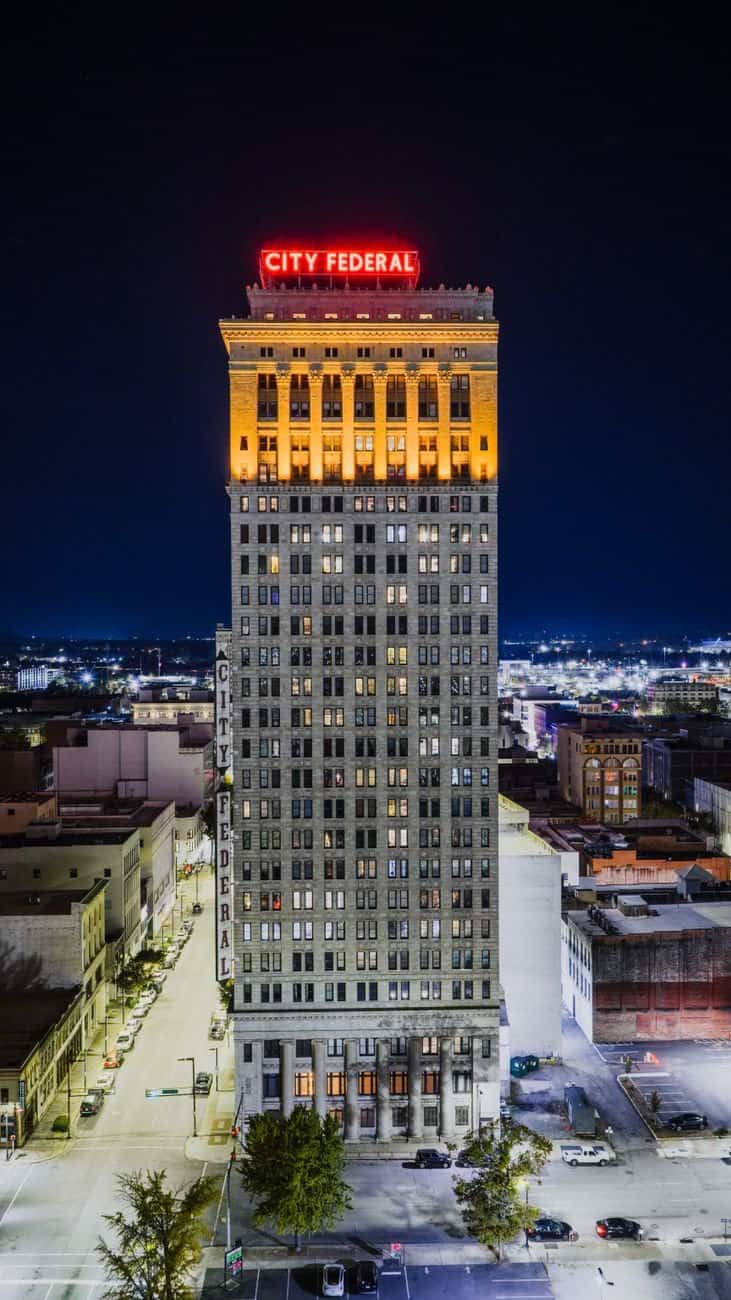
Selma and Demopolis sit about 50 miles apart along the Alabama River and the Black Warrior and Tombigbee corridor. Both are small, both have historic downtowns, and both face the same pressures: fewer young people, thin tax bases, and limited job options. They differ in what they emphasize, and that contrast makes them useful as a pair.
1. Selma: History That Still Shapes Daily Life
Selma has about 18,000 residents, down from a peak of more than 28,000 in the 1960s. It is best known for the events of March 1965. On March 7, a day remembered as Bloody Sunday, state troopers attacked marchers on the Edmund Pettus Bridge, and the footage helped build support for the Voting Rights Act of 1965. Marchers eventually completed a 54-mile trek to Montgomery. The bridge, Brown Chapel AME Church, the National Voting Rights Museum and Institute, and the Selma to Montgomery National Historic Trail all tell parts of the story, and each spring a large commemoration, the Bridge Crossing Jubilee, draws visitors and national figures.
What has not moved is the town’s economic reality. Selma has had poverty rates well above the national average for years, with a median household income that sits far below the state and national levels. Empty storefronts and vacant lots are visible downtown, and the town was also hit by a destructive tornado in January 2023, which strained its recovery. Hospital services have faced financial pressure, and young residents often leave for Birmingham, Montgomery, or farther.
Still, there is change. Murals and restored buildings have appeared, tourism has grown around the anniversary events and the national historic trail, and local organizations have worked on youth programs, small business support, and historic preservation. Heritage tourism helps, but it comes in bursts, with large crowds in March and quieter periods the rest of the year.
Visiting tips: begin at the Edmund Pettus Bridge and walk across it respectfully, visit the museums, and eat at local restaurants. Ask about guided tours led by people with local ties. Hours of museums and sites change, so check before you go. Dress for the weather, as summers are hot and humid. Accept that this is a place of memory and mourning as well as pride, and keep voices and behavior suitable.
2. Demopolis: Rivers, Farms, and Old Estates
Demopolis lies about 50 miles southwest of Selma in Marengo County and has about 7,000 residents. The town sits at the confluence of the Tombigbee and Black Warrior Rivers, with chalk bluffs that give the area a distinct look. Founded in 1817 by French exiles who hoped to grow grapes and olives, it is also a place where antebellum architecture survives. Gaineswood, a Greek Revival mansion built in the 1840s, is a state historic site, and Bluff Hall is a historic house museum.
The economy leans on farming, timber, river commerce, health care, schools, and some manufacturing. Catfish ponds and cattle pastures spread across the Black Belt, and trucks carrying timber and agricultural products move along the highways. Like Selma, Demopolis has faced out-migration and an aging population, and its poverty rate is higher than the state average. But its position on the rivers gives it recreation assets, such as fishing, boating, and a lock and dam that attract anglers and weekend visitors. Local festivals, including a holiday celebration on the river, give the town a community calendar.
What has not moved here is the structure of land and work. Large landholdings, farm and timber operations, and a tight local network set the pace. The history of enslaved labor is part of the places visitors tour, and interpretation has gradually expanded to include those stories. Visitors should look for programs that acknowledge that history in full and not just the architecture.
Visiting tips: tour Gaineswood and Bluff Hall, walk the downtown and riverfront, and eat at local cafes and barbecue spots. Hours vary and some sites need appointments, so check before you go. Lodging is limited, mostly small hotels and bed-and-breakfast style options, so book ahead.
What Has Not Changed and What Has
Looking at the two together, several patterns appear.
- Poverty remains: both towns have higher poverty than state and national averages, and many families rely on wages from a narrow range of jobs.
- Population keeps shrinking: young people often leave, and older residents remain.
- History is part of the economy: heritage sites draw visitors, but income from tourism is modest compared with need.
- Land and rivers shape work: farming, timber, and river trade still matter.
- Community institutions hold things together: churches, schools, and local organizations provide stability.
- Change is arriving in small steps: murals, restorations, and trails show momentum, but progress is uneven.
Why It Matters for Visitors
Visitors can feel they are only passing through, but small decisions add up in places with small economies. A night in a local hotel, a meal at an independent restaurant, or a purchase from a local shop sends money directly to households. Tour fees and museum tickets support preservation work. Because these towns have limited services, visitors who plan ahead make the experience smoother for everyone.
It also matters how you visit. Treat history sites with seriousness, listen to local guides, and avoid treating the places as a backdrop for photos only. Residents live there every day, and many have family histories tied to the events you are learning about. Respect and curiosity go a long way.
Practical Planning
A trip can be done in a day or two from Montgomery, which is about 50 miles east of Selma, or from Birmingham, which is about 90 miles north. A rental car is essential, as public transit is limited. Roads are generally good, though rural stretches have few services, so fill up when you can.
- Best seasons: spring and fall are most comfortable, though March sees large crowds for the Bridge Crossing Jubilee.
- Food: look for barbecue, Southern home cooking, and catfish, with meals typically in the range of 10 to 25 dollars at casual places.
- Lodging: options are limited, and prices vary, so book ahead and check before you go.
- Safety: standard travel precautions apply, and downtown areas are generally calm during the day.
- Connectivity: coverage is usually fine in towns but may fade in rural areas.
Reading the Landscape
Even driving between the towns says something. Wide pastures, pine plantations, and old cotton fields show the shape of the land economy, and rows of small churches and community cemeteries mark long-standing neighborhoods. Dilapidated buildings sit near new ones, and a few historic houses stand beside modest homes. These contrasts are part of the story, and a respectful visitor can learn from them without judging.
The Land Underneath It All
It helps to understand why the Black Belt carries its name. The region’s soil, a dark, calcium-rich clay formed from ancient seabeds, made it ideal for cotton in the nineteenth century. Plantation owners grew rich, and enslaved people provided the labor. After emancipation, tenant farming and sharecropping kept many Black families in debt and poverty, and the system left deep inequalities in land ownership and education.
When boll weevils and falling cotton prices undermined the old economy, farms turned to cattle, catfish, and timber. Mechanization reduced the need for labor, and many families moved north in the Great Migration. Those patterns explain much of the current picture: counties with majority Black populations, large tracts owned by a few families, and long-standing gaps in income, health care, and infrastructure.
Infrastructure Gaps
One of the biggest day-to-day issues is infrastructure. Many Black Belt communities have faced problems with wastewater systems, since heavy clay soils do not drain well and conventional septic systems fail. Lowndes County, between Selma and Montgomery, became a national example of the problem, with residents facing raw sewage in yards and legal risks for being unable to afford solutions. Broadband and health care access have also been issues. Federal and state programs have worked on these, but progress is gradual.
Where to Eat and What to Buy
Eating and shopping locally is one of the easiest ways to help. Look for small restaurants serving Southern staples such as fried catfish, barbecue, collard greens, and cornbread. In Selma, local cafes near the downtown and bridge area are good places to start. In Demopolis, ask about riverfront spots and local bakeries. Many of these businesses operate on thin margins and depend on visitors during events and peak seasons.
For souvenirs, look for books by local historians, work by Black Belt artists and quilters, and items from museum shops. The quilters of Gee’s Bend, in nearby Wilcox County, are world famous, and their work has been shown in major museums. If you want to see more of the culture, ask about visiting the Gee’s Bend community, which has a quilt collective and ferry history, but check before you go since access and hours vary.
Using Your Trip Well
Some visitors want to do more than sightsee. There are respectful ways to engage.
- Join a guided walk or tour led by a local resident or a museum educator.
- Attend a public event, such as a commemoration, church service open to guests, or a local festival.
- Read before you go, so you arrive with context. Books and documentaries on the civil rights movement and Black Belt history are plentiful.
- Donate to organizations working on education, housing, and preservation.
- Share accurate stories afterward, and avoid reducing the region to a single image.
The Takeaway
Alabama Black Belt towns are changing, but Selma and Demopolis show how much holds steady: a history that still defines identity, an economy shaped by land and water, and persistent financial strain. Visitors who spend locally, listen, and plan ahead can do real good and take home a more accurate picture of Alabama. Check hours and prices before you go, and give each stop the time it deserves.