Austin Rents Fell 19 Percent After 2021. The People Who Left During the Boom Are Not the Ones Coming Back
We may earn money or products from the companies mentioned in this post. This means if you click on the link and purchase the item, I will receive a small commission at no extra cost to you ... you're just helping re-supply our family's travel fund.
Austin’s median rent hit $1,546 in December 2021, a number that felt permanent at the time, driven by a wave of remote workers, Tesla’s new gigafactory, and a migration story so loud it became a national punchline. By January 2026, that median had fallen to $1,296, according to Pew Charitable Trusts research on the city’s construction boom, a decline steep enough that Austin’s rents are now roughly 4 percent below the national median. The story of how that happened, and who actually benefited from it, is more complicated than either the boom or the bust narrative suggests.
The Boom Nobody Was Ready For
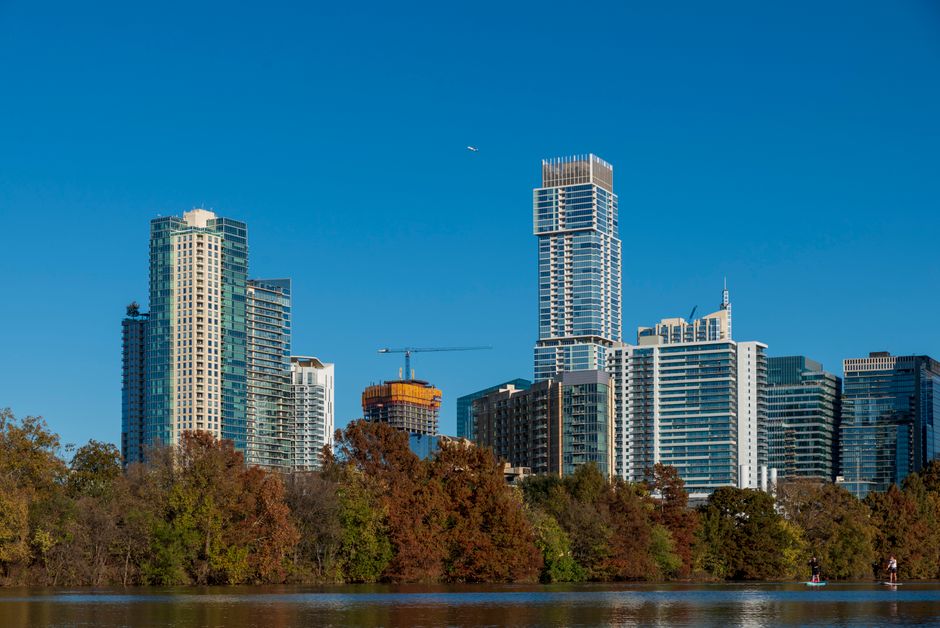
Between 2020 and 2022, Austin absorbed people the way a small pipe absorbs a fire hose. Home prices in the metro area rose 51.3 percent in two years, according to Homes.com’s analysis of Texas Real Estate Research Center data, pushing the median sale price to an all-time high of $555,400 in 2022. Neighborhoods like Mueller, East Austin, and Travis Heights became case studies for how fast a place can change identity. Longtime residents in East Cesar Chavez watched rents in their own neighborhood climb 25 percent in a single year. Travis Heights saw a 55 percent jump. The people who arrived during that window, many of them Bay Area transplants with remote tech salaries, could absorb it. The people who had lived there for twenty years could not.
Who Actually Left
- Service workers priced out of East Austin and Riverside, many relocating to Round Rock, Pflugerville, or Kyle
- Multigenerational Mexican American families in neighborhoods near Rainey Street who had owned property for decades and sold under pressure from investor offers
- Musicians and artists who once anchored Austin’s identity as the self-declared live music capital of the world
- Some of the tech transplants themselves, who Business Insider found were leaving by 2023, describing the city as a place where, in one worker’s words, ‘ambition goes to die’ once the novelty wore off
The Correction Nobody Predicted
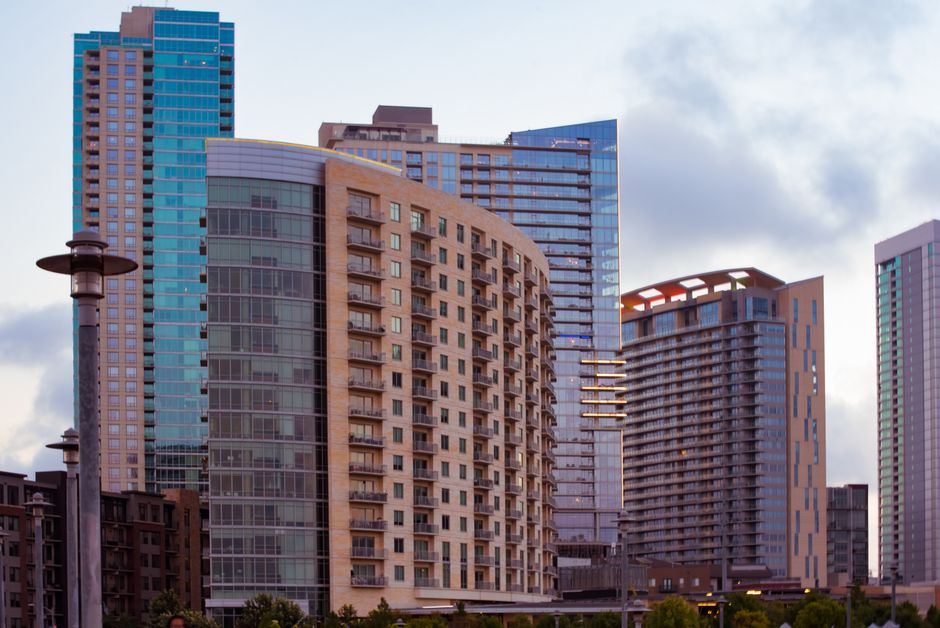
What makes Austin unusual is what happened next. Developers, chasing the boom, kept building even as demand cooled. Between 2020 and 2024, the city and county filed more than 206,000 residential permits. That supply glut, combined with return-to-office mandates pulling some remote workers back and a broader tech pullback, caused rents to crater. Pew’s research found that apartment rents in large buildings fell 7 percent from 2023 to 2024 alone, the steepest one-year drop recorded in any major U.S. metro. In older, non-luxury Class C buildings, the kind that house service workers and longtime residents rather than newly arrived engineers, rents fell 11.4 percent.
On paper, that sounds like a win for affordability. In practice, the people who left during the expensive years are largely not the ones benefiting from the cheap ones now. The East Austin apartment that a barista lost to a corporate landlord in 2021 did not go back to a barista in 2024. It became a rental listing marketed to whoever could see the value first, and increasingly that has been young professionals and students rather than the original tenant base.
What Austin Looks Like Now

Drive through East Austin today and the contrast is not subtle. Original shotgun houses from the 1950s sit next to glass-walled infill builds that sold for four times the lot’s value a decade ago. Rainey Street, once a quiet residential strip, is now a bar district with valet parking. Zilker and Bouldin Creek have essentially completed their transition from working-class enclaves to some of the most expensive rental markets in the city, with average rents around $1,570 and $1,739 respectively.
Musicians who could once afford a one-bedroom near Sixth Street on service industry wages have largely relocated to Manor, Elgin, or across the county line altogether, commuting back in to play the venues that made the city famous. The city’s cultural infrastructure survived the boom. The people who built it mostly did not stay in the neighborhoods where they built it.
The Numbers That Tell the Real Story
- Austin metro home prices rose 51.3 percent from 2020 to 2022, then fell to a median of $434,235 by early 2026
- Median rent fell from $1,546 in December 2021 to $1,296 in January 2026, an inflation-adjusted drop of 19 percent
- The city population still grew by roughly 18,000 residents between 2022 and 2024, even as rents fell
- Class A luxury apartment rents fell only 2.6 percent while Class C non-luxury buildings fell 11.4 percent, showing the recovery has not been evenly distributed
Austin is now frequently cited as a national model for how building enough housing can bring rents down. That part of the story checks out. What gets left out is that the correction came only after the damage to the city’s original character was mostly done. The rent is cheaper. The Austin that existed before 2020 is not coming back with it.
The Neighborhoods That Absorbed the Most Change
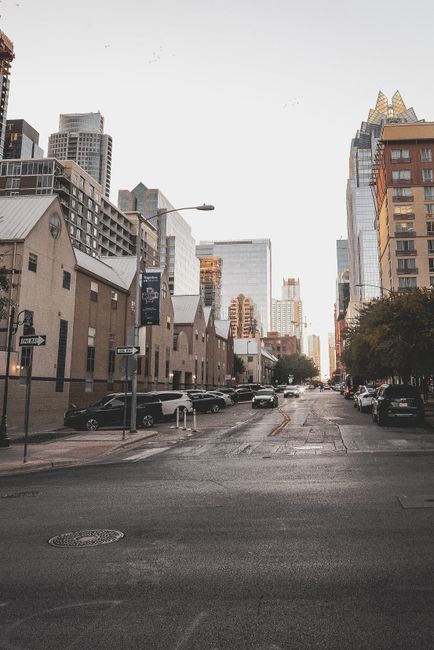
Rainey Street is the clearest single case study of what happened to Austin’s residential fabric during the boom. A decade ago it was a modest street of small bungalows a short walk from downtown, home to working families who had lived there for generations. Investors began buying up individual lots one at a time starting in the early 2010s, converting the houses into bars with backyard patios, and by the time the pandemic-era boom hit, the transformation from residential street to entertainment district was essentially complete. What’s notable is that this didn’t happen through a single master-planned redevelopment. It happened parcel by parcel, which meant there was never one clear moment for longtime residents to organize against it, no single rezoning hearing to show up to. By the time anyone noticed the pattern, most of the street had already turned over.
East Austin tells a related but distinct story. The neighborhood has historically been home to the city’s Black and Hispanic communities, going back to a 1928 city plan that formally segregated Austin by pushing minority residents east of what is now I-35. That history matters because the same neighborhoods targeted by discriminatory planning eight decades ago became, ironically, the most desirable and fastest-appreciating real estate in the city during the 2020s boom, precisely because of their proximity to downtown. Longtime homeowners who benefited from selling at boom prices did reasonably well. Renters, who make up a larger share of East Austin’s population, mostly did not have that option.
What a Return Trip to Austin Looks Like Today
- South Congress remains the most tourist-facing corridor, largely insulated from the residential rent story since it was already commercial
- East Austin now mixes original family homes, some still occupied by longtime owners, with new-build modern infill on nearly every block
- Domain and North Austin have absorbed much of the corporate relocation demand, functioning as a newer, more suburban tech corridor separate from the traditional downtown core
- Live music venues that survived the boom, including the Continental Club and Mohawk, did so mostly through legacy leases signed before rents spiked