Why Everyone Is Suddenly Going to Scandinavia (And How to Do It Without Going Broke)
We may earn money or products from the companies mentioned in this post. This means if you click on the link and purchase the item, I will receive a small commission at no extra cost to you ... you're just helping re-supply our family's travel fund.
While the rest of the travel world is still arguing about the best beach in Greece, a quiet revolution is happening at the top of the map.
Bookings to Norway are up 131% year over year. Iceland up 128%. Denmark up 117%. Finland’s searches have tripled. These aren’t small bumps — this is a mass migration of travelers who are done with 46-degree Mediterranean heat, overcrowded beaches, and paying resort prices for a patch of sand.
This summer, the smart money is going north.
The Coolcation Trend Is Not a Gimmick — The Numbers Are Wild
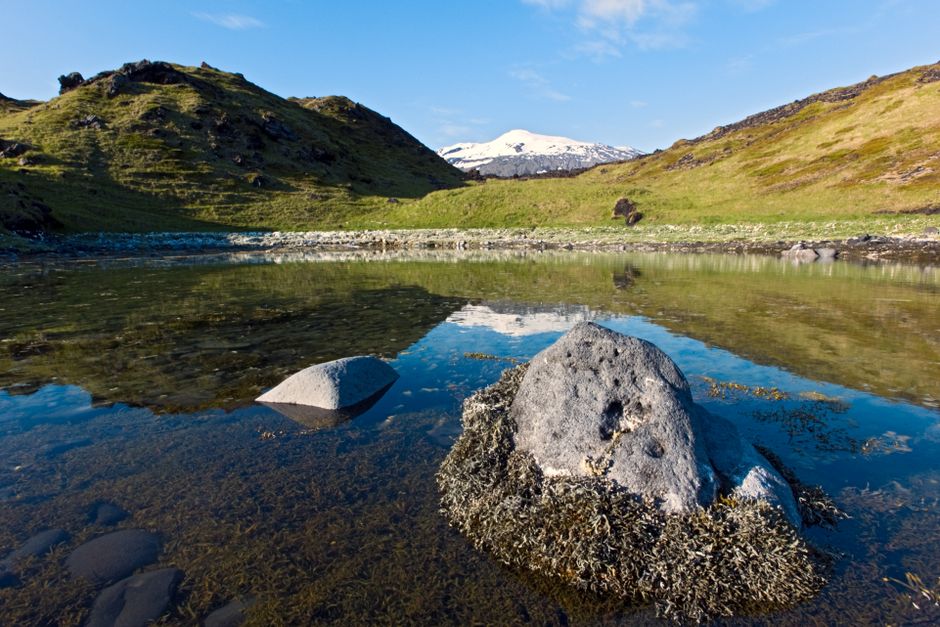
The term “coolcation” sounds like marketing fluff, but the data behind it is anything but.
Southern Europe hit record temperatures above 46°C in 2025. Spanish beaches were packed shoulder-to-shoulder. The Amalfi Coast was a traffic jam with gelato. And travelers — especially families with kids, remote workers, and eco-conscious millennials — started asking: why are we doing this to ourselves?
The answer was obvious. Go where it’s cool. Go where there’s space. Go where the whole point of being outside is actually enjoyable.
What’s driving the shift:
- Mediterranean summer temps now regularly hit 40–46°C — physically dangerous for some travelers
- Scandinavian summer averages: Norway 15–20°C, Iceland 10–13°C, Finland 18–22°C
- Norway and Iceland bookings both surpassed 100% year-over-year growth
- Car rental company Sixt is forecasting Scandinavia tourism up 35% for summer 2026
- Bergen, Norway alone is up 37% — a city of 280,000 people suddenly on everyone’s radar
This isn’t a niche trend. It is the summer travel story of 2026.
Norway: Fjords, Midnight Sun, and Free Hiking Everywhere

Norway is the anchor of any Scandinavia trip, and for good reason.
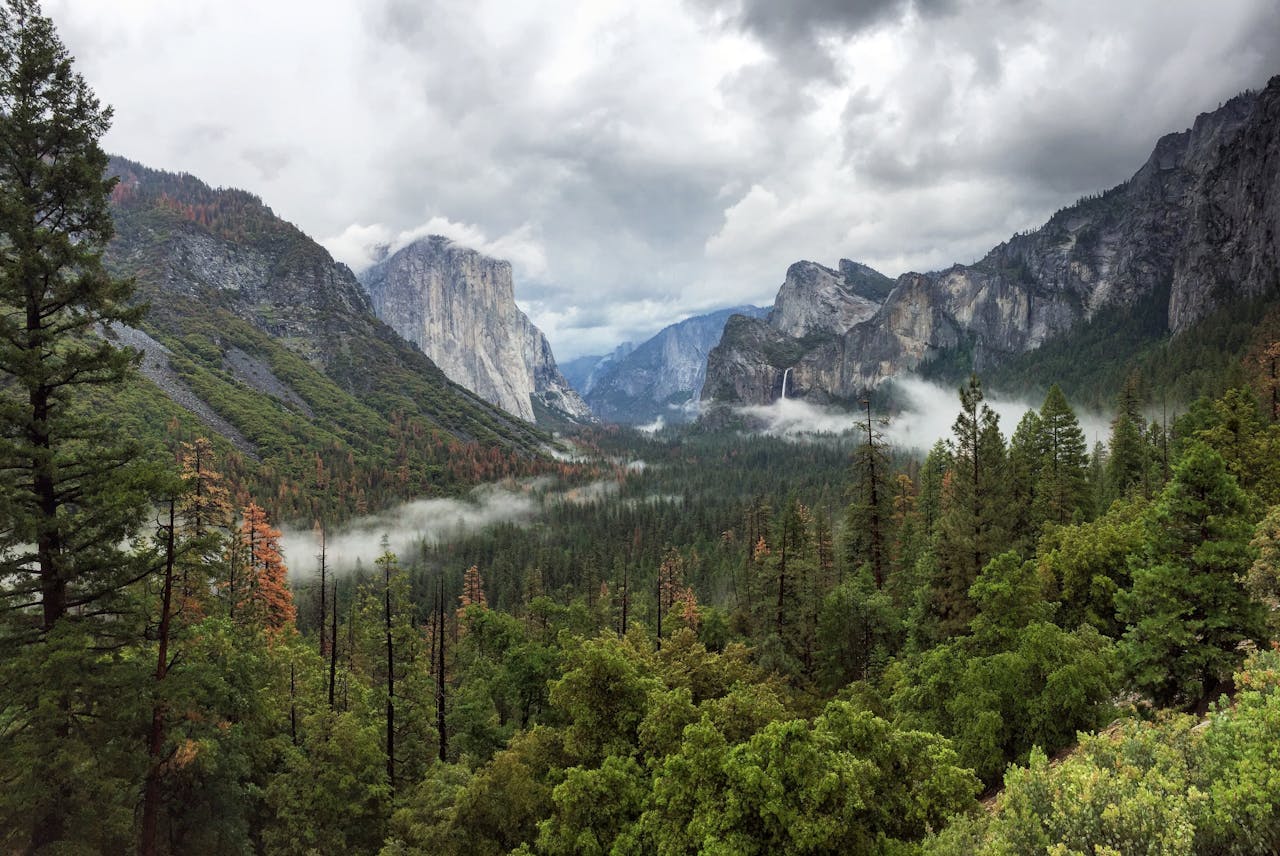
The fjords are genuinely one of the most dramatic landscapes on earth. The midnight sun means you get 20+ hours of daylight in summer. And thanks to Norway’s allemansretten — the right to roam — hiking is completely free across thousands of trails.
Top experiences in Norway:
Bergen
— Gateway to the fjords, famous for its colorful Bryggen wharf (UNESCO World Heritage Site), fish market, and mountain views from FløyenÅlesund
— Coastal town surrounded by islands and the Sunnmøre Alps, still relatively uncrowded even in peak seasonLofoten Islands
— Dramatic archipelago with red fishermen’s cabins, white sand beaches, and world-class hikingTrolltunga
— The iconic rock ledge hike. Book a timed entry in advance — it sells out months aheadNorway in a Nutshell route
— Train, fjord cruise, and bus package that covers Bergen, Flåm, and the Nærøyfjord in one day
Sleep warning: the midnight sun is real. Bring a sleep mask or rely on blackout curtains — the first few nights can be genuinely disorienting.
Iceland: The Country That Never Gets Old
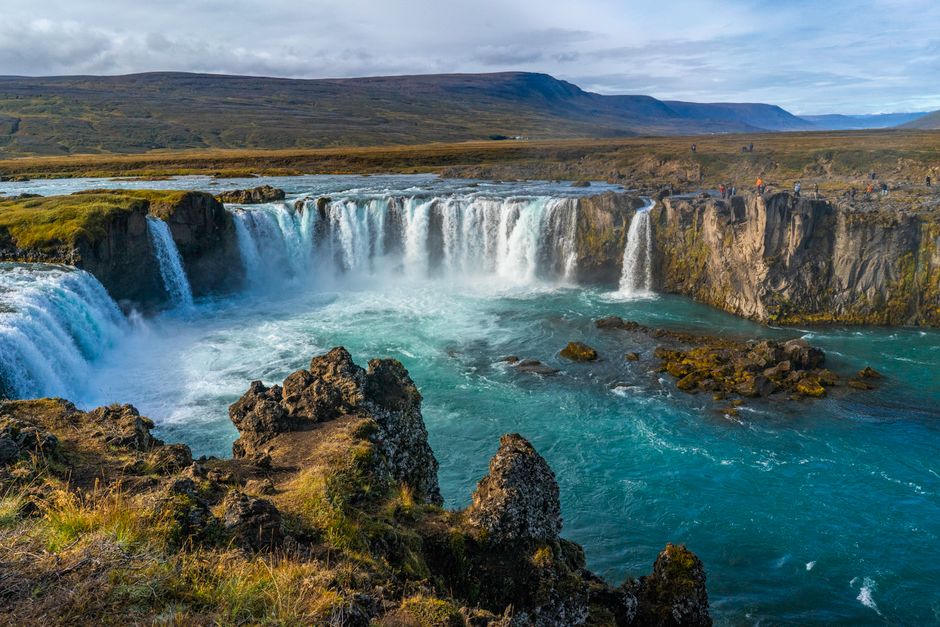
Iceland is the one destination that somehow remains endlessly fresh no matter how many times people visit.
Geysers, volcanoes, waterfalls, black sand beaches, hot springs, and the world’s most dramatic road trip — the Ring Road — all packed into an island slightly smaller than Kentucky.
Must-see experiences:
Golden Circle
— Þingvellir National Park, Geysir geothermal field, and Gullfoss waterfall in a single day loop from ReykjavíkBlue Lagoon
— Book in advance, prices have risen sharply (budget $80–$120 per person)Skógafoss and Seljalandsfoss waterfalls
— Both on the South Coast and accessible from the Ring RoadSnæfellsnes Peninsula
— Often called “Iceland in miniature” — glacier, lava fields, fishing villages, and almost no crowdsLaugavegur Trek
— 55km hut-to-hut trail through colored rhyolite mountains. Book huts 6+ months in advance
Key warning: accommodation in Iceland fills up fast. Book early — especially in Reykjavík during peak June through August.
Finland: Lakes, Saunas, and the Quietest Summer in Europe

Finland is the sleeper hit of Scandinavian travel and it’s starting to wake people up.
The country has 188,000 lakes. Summers are warm enough to swim but cool enough to actually enjoy being outside all day. And the Finnish approach to summer — slow down, go to the lake, take a sauna, swim, repeat — is genuinely what half the world needs right now.
What to do in Finland:
Finnish Lakeland (Savonlinna region)
— Classic lake country with endless canoeing, swimming, and sauna culture. Savonlinna Opera Festival runs in July.Helsinki
— Compact, design-forward capital with a spectacular archipelago day-trip sceneNuuksio National Park
— 30 minutes from Helsinki, old-growth forest, lakes, and wildlifePorvoo
— Colorful medieval old town, one of Finland’s most charming smaller cities
Finland is also consistently rated among the world’s most honest, safe, and low-stress destinations. For families especially, the relaxed pace is a revelation.
The Faroe Islands: Europe’s Most Dramatic Secret

Sitting in the North Atlantic between Iceland and Norway, the Faroe Islands might be the most visually stunning place most Americans have never considered visiting.
Steep sea cliffs, green valleys, waterfalls that fall directly into the ocean, tiny villages with grass-roofed houses. It looks like a fantasy novel cover and it is completely real.
What makes the Faroes unique:
- Only about 54,000 people live there — you will not feel like a tourist in a crowd
- Tourism is carefully managed; some trails require pre-booking to protect ecosystems
- Gjógv and Saksun are among the most photogenic villages in Europe
- Weather changes fast — pack layers and a waterproof shell no matter what month you go
- Getting there: fly through Copenhagen or Reykjavík on Atlantic Airways
How to Actually Afford Scandinavia on a Normal Budget
Yes, Scandinavia is more expensive than Greece. A restaurant dinner in Bergen can cost $30–$50 per person. Oslo is consistently ranked among the most expensive cities on earth.
But travelers who say Scandinavia is “unaffordable” are usually trying to travel it like they travel Italy. You have to change your approach.
How to cut costs dramatically:
Cook your own meals
— Grocery stores in Scandinavia are very well-stocked. A hostel or Airbnb with a kitchen turns a $50-per-person dinner into a $12 meal.Hike everything
— Norway’s allemansretten means hiking is completely free. The best views don’t cost a thing.Use public transit
— Trains, buses, and ferries are excellent throughout the region. Renting a car adds up fast.Book hostels
— Hostel beds in Bergen run €30–40 a night. Private rooms in well-reviewed hostels often cost less than budget hotels.Wild camping in Norway and Finland
— Legal under right-to-roam laws in both countries. Bring a tent and your accommodation is free.Fly into secondary airports
— Flying into Bergen instead of Oslo, or Tampere instead of Helsinki, can save $150–$300.
The Best Time to Book and What to Pack
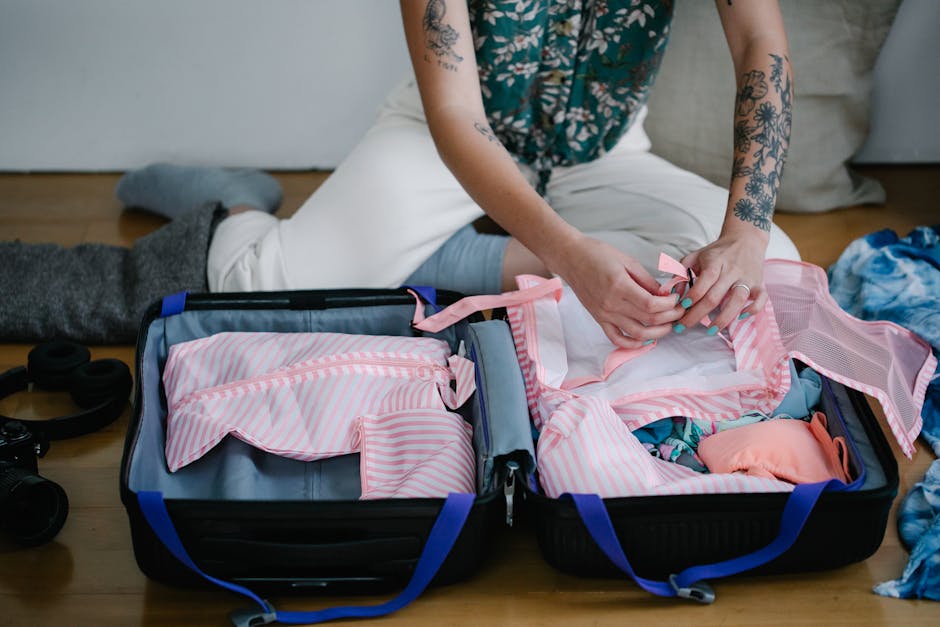
For summer 2026, the window is tightening. Accommodations in Iceland and the Lofoten Islands are already showing limited availability for July.
Booking timeline:
- Flights: Book 3–4 months in advance for best prices
- Iceland hut bookings (Laugavegur): Sold out fast — check availability immediately
- Norwegian fjord cruises: Book 6–8 weeks ahead for popular routes
- Faroe Islands: Smaller capacity — earlier is always better
What to pack:
- Lightweight waterproof jacket — non-negotiable in all four destinations
- Fleece mid-layer — even July evenings get cool
- Good waterproof hiking shoes or trail runners
- Sleep mask — essential for midnight sun destinations
- Swimsuit — outdoor hot springs and lake swimming are part of the experience
The Mediterranean will always be there. The fjords in June, with 20 hours of daylight and no crowds? That window is short. Don’t miss it.