Every New Airport Rule That Goes Into Effect This Summer (And What It’ll Cost You If You Don’t Know)
We may earn money or products from the companies mentioned in this post. This means if you click on the link and purchase the item, I will receive a small commission at no extra cost to you ... you're just helping re-supply our family's travel fund.
You think you know how airports work. You’ve flown a dozen times. You know where to stand, when to take off your shoes, how to cram everything into a personal item.
Then 2026 happened — and the rules changed while nobody was paying attention.
From Southwest’s new bag fees to a $45 fine for not having Real ID, here is every major airport rule that changed this year and exactly what each one will cost you if you get caught unprepared.
Southwest Finally Killed Free Bags — Here’s What It Now Costs
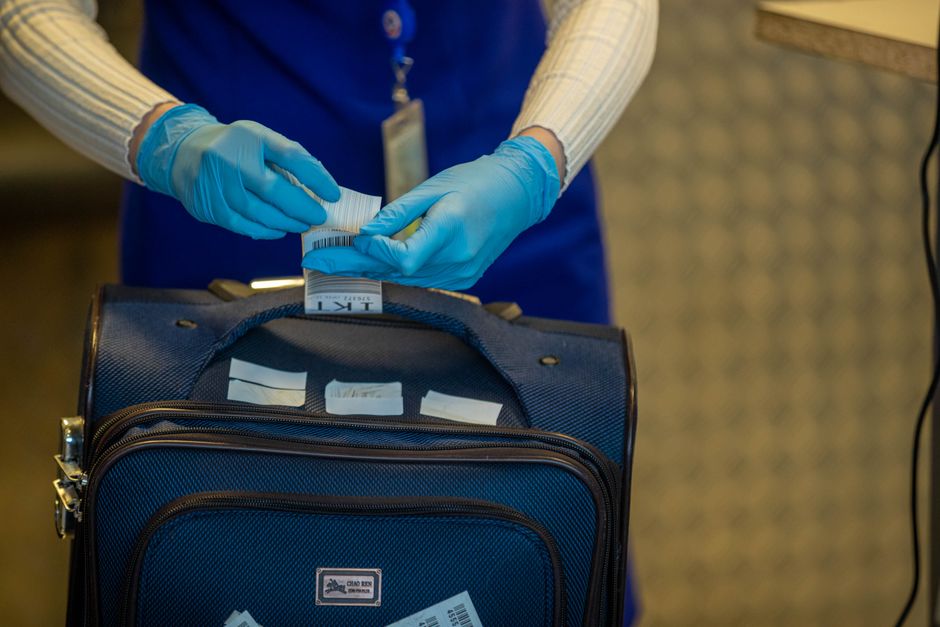
For decades, “bags fly free” was Southwest’s whole personality. It was the reason millions of families chose them over every other carrier.
As of January 27th, 2026, that’s over.
Southwest’s new checked bag fee structure:
- First checked bag: $35–$65 depending on your route and when you book
- Second checked bag: $45–$75
- Business Select and Rapid Rewards A-List Preferred members: still free
- Gate-checked bags that were oversized carry-ons: $75
For a family of four on a round trip, that can quietly add $280–$600 to a trip you thought was a deal. Always price the total cost — not just the base fare — before booking.
Real ID Is Fully Enforced — and Not Having One Costs $45
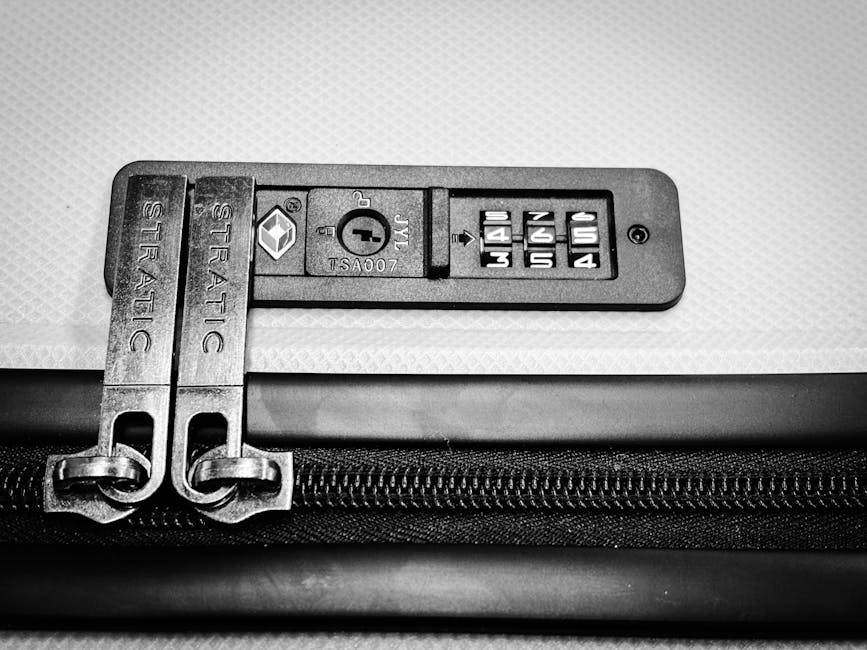
Real ID enforcement is no longer a warning. It’s a wall.
If you show up at security with a non-compliant driver’s license, TSA now routes you into their Confirm ID program — a paid identity verification service that costs $45 per person, payable right there at the checkpoint.
How to know if your ID is Real ID compliant:
- Look for a gold or black star in the top right corner of your driver’s license
- If there’s no star, you are not compliant
- A U.S. passport or passport card always works instead
- Check your state DMV website to upgrade — most appointments take under 20 minutes
The $45 fee catches people completely off guard. Don’t let that be you.
Airlines Are Now Enforcing Carry-On Size Limits at the Gate
This is the one that’s making people furious on travel forums right now.
American, Spirit, and Frontier have all instructed gate agents to physically pull bags and test them in the sizer before boarding. At Frontier, gate agents reportedly receive a $10 commission for every oversized carry-on they send to baggage claim.
What counts as oversized varies by airline, but the most common standard:
- Maximum: 22″ x 14″ x 9″ for most major carriers
- Spirit and Frontier: even stricter — 18″ x 14″ x 8″ for personal items
- Gate-checked bags due to size: $50–$100 depending on the airline
- Southwest (new in 2026): seat assignment changes affected bag enforcement too
Measure your bags at home before every trip. Not just once — airlines update their policies frequently.
The New Check-In Window That Can Cost You Your Seat
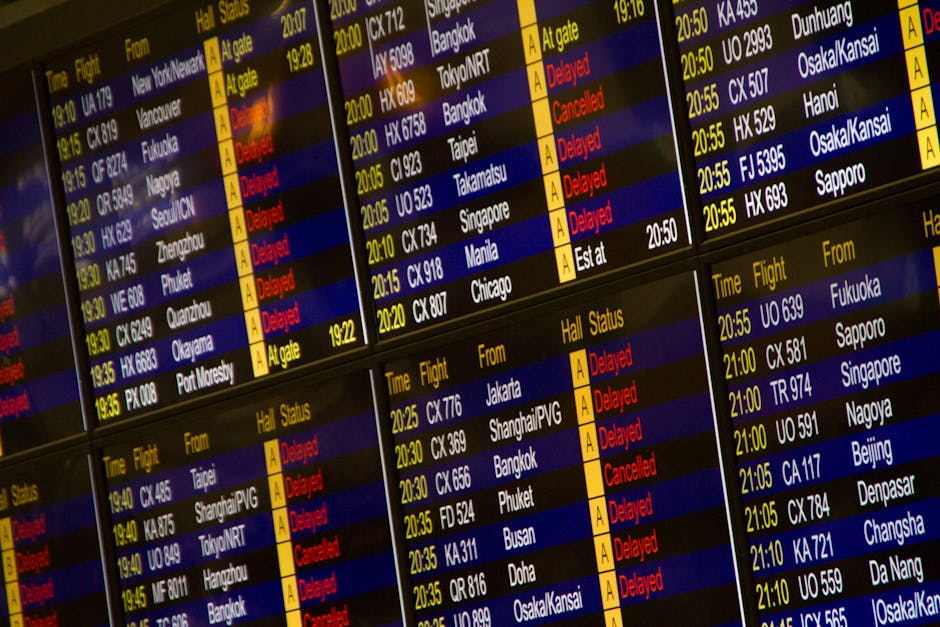
Here’s a rule buried in fine print that almost no one knows about.
Passengers without checked bags must now check in at least 45 minutes before departure at several major carriers — up from 30 minutes. Miss that window and the airline can release your seat to a standby passenger, even if your boarding pass is already on your phone.
The safe approach in 2026:
- Check in online the night before — always
- Be at the gate physically at least 60 minutes before departure
- For international flights: 90+ minutes at the gate is the new standard
- If your flight app shows “check in now,” do it immediately
This rule has no fanfare. You will not get a warning email. You will just be bumped.
Facial Recognition Is Boarding Planes Now
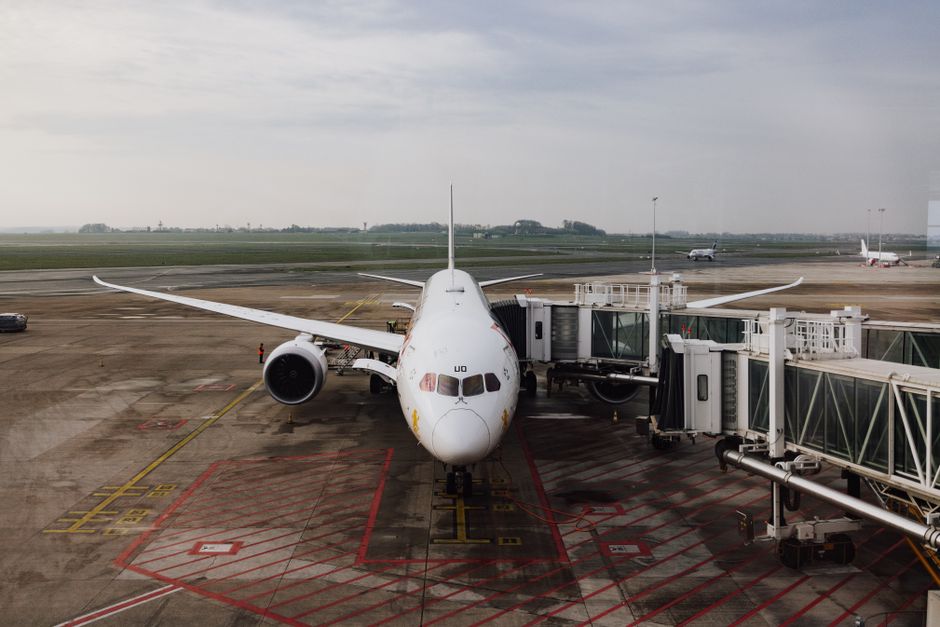
By the end of 2026, most U.S. international terminals will board passengers using facial recognition instead of paper or digital boarding passes.
You walk up. A camera scans your face. The gate opens. That’s it.
What you need to know:
- It is completely optional every single time — you can always opt out
- To opt out, simply tell the gate agent you prefer a manual check
- There is no penalty, no extra screening, no hassle for opting out
- If you do use it, your face is matched to your passport photo on file
The system is faster, but privacy concerns are real. The choice is yours.
Europe’s New Biometric System Is No Longer Optional

If you’re flying to Europe this summer, the Entry/Exit System (EES) is now fully mandatory.
Every time you enter or leave the Schengen Zone — which covers most of Europe — your photo and fingerprints are digitally recorded. This replaced the old passport stamp system and became mandatory in April 2026.
What to expect at European border control:
- A short biometric scan at an automated gate
- First-time visitors: 5–10 minute process to register your biometrics
- Return visitors: faster, 1–2 minutes once registered
- Long lines at major hubs during summer — budget 45–60 extra minutes
- U.S. citizens are still visa-free for 90 days in any 180-day period
Build the extra time into your layover and connection plans. Amsterdam, Paris CDG, and Rome are already reporting longer queues.
The Apps That Will Save You Time in Every Airport

The right apps make every one of these new rules easier to navigate.
Mobile Passport Control (MPC)
— Official U.S. Customs app, lets you submit arrival info before reaching the officer. Free. Cuts customs time by 30–45 minutes.Global Entry
— $100 every 4.5 years. Skip customs lines entirely on return to the U.S. Includes TSA PreCheck.TSA PreCheck
— $78 for 5 years. Shoes stay on, laptops stay in bag, shorter lines.CLEAR Plus
— $189/year. Skip to the front of the security ID check line. Pairs with PreCheck for maximum speed.Your airline’s app
— Enable push notifications. Gate change alerts alone have saved me from missing flights more than once.
The passengers who move through airports fastest in 2026 aren’t lucky. They’re prepared.