12 Questions to Ask Before Your Next Epic Road Trip
We may earn money or products from the companies mentioned in this post. This means if you click on the link and purchase the item, I will receive a small commission at no extra cost to you ... you're just helping re-supply our family's travel fund.

Planning a road trip sounds exciting — and it is! But if you want your adventure to be truly epic (and not a chaotic mess), a little preparation goes a long way. Before you hit the open road, take some time to think through these 12 essential questions. They’ll help you stay organized, save money, avoid stress, and make the most of your journey.
How long will you be gone?
Your trip length affects everything — from how much to pack to managing your responsibilities back home. A weekend getaway might need minimal prep, while a two-week or month-long adventure means arranging pet care, bill payments, and house security. Knowing your timeframe also helps shape your budget, itinerary, and the pace of your travel. Long trips require more flexibility and thorough planning to stay organized and stress-free.
What time of year are you traveling?
The season you travel in can make or break your road trip experience. Winter drives may bring snow, ice, and closed mountain passes, requiring chains and survival kits. Summer travel means prepping for heat, heavy traffic, and potential overheating. Spring and fall can offer better weather and lighter crowds, but rain and unpredictable conditions are common. Always check weather forecasts and road alerts before setting off, and plan for seasonal safety needs.
How far will you travel?
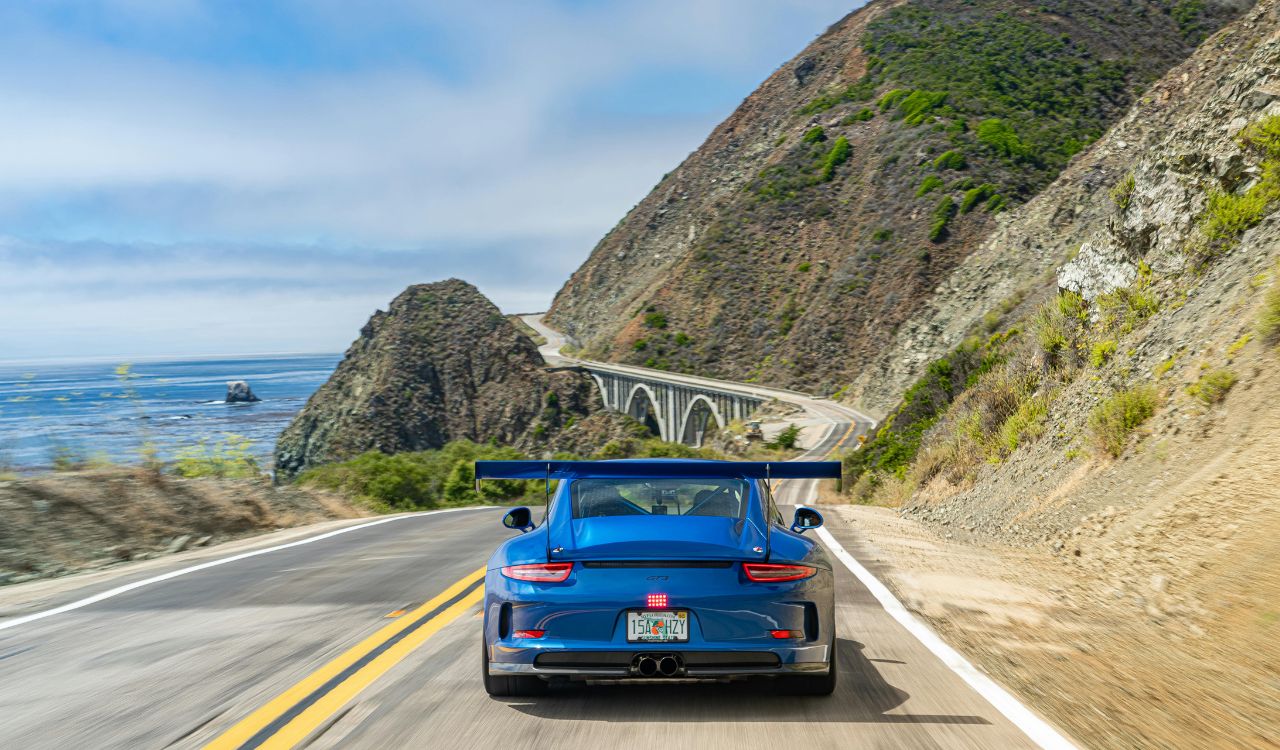
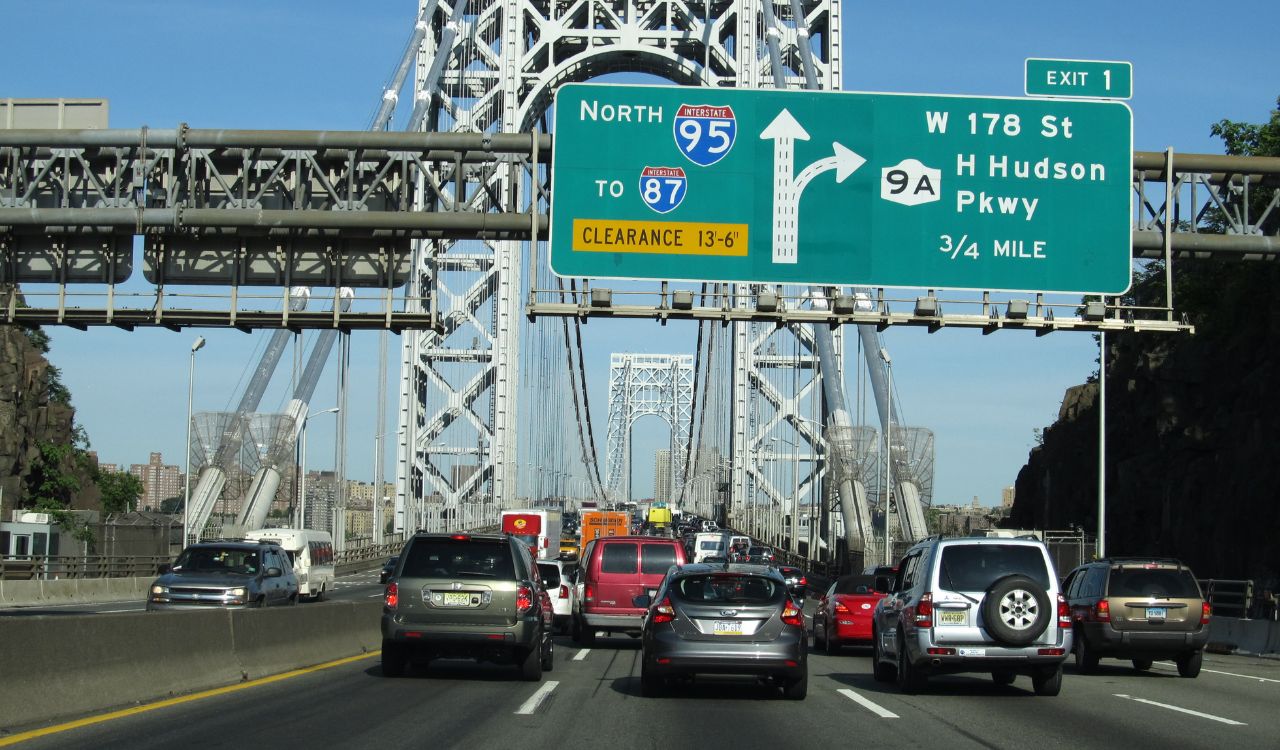
Distance determines everything from fuel stops to sleep schedules. Short road trips may only need snacks and a playlist, while long-distance routes demand serious logistics. Are you driving across a few states or just doing a scenic loop nearby? Estimate total miles, hours behind the wheel, and rest break locations. Factor in drive time versus sightseeing time, and add a buffer for traffic or scenic detours. This helps avoid fatigue and rushed travel days.
Where will you sleep each night?

Sleeping arrangements shape comfort and cost. Will you camp under the stars, sleep in your car, or book hotels? Each option needs different prep — like gear for camping or reservations for hotels. Research rest areas, campgrounds, or lodging options along your route. Apps like Roadtrippers and iOverlander can help you find last-minute accommodations. Planning ahead saves money and guarantees peace of mind, especially in high-demand seasons or remote areas.
How many people are going on the trip?

The number of travelers affects space, expenses, and group dynamics. Are you going solo, as a couple, or with friends or family ? More people means shared costs but also more gear, opinions, and needs. Group travel requires coordination: create a shared itinerary, discuss budgets, and plan driving shifts. Communicate expectations in advance so everyone contributes equally and knows what to expect especially when it comes to music, meals, and pit stops.
Are you stopping in big cities or small towns?

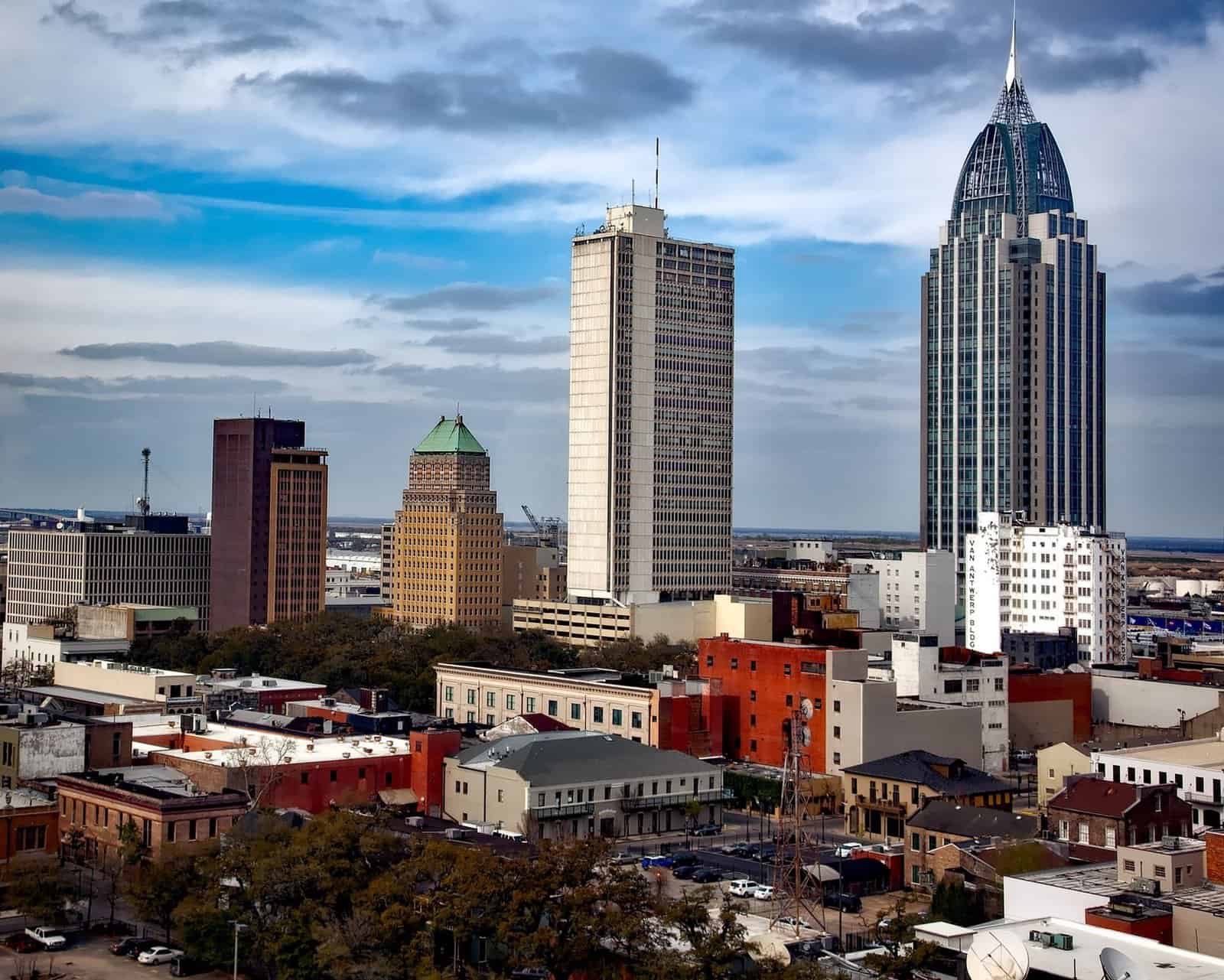
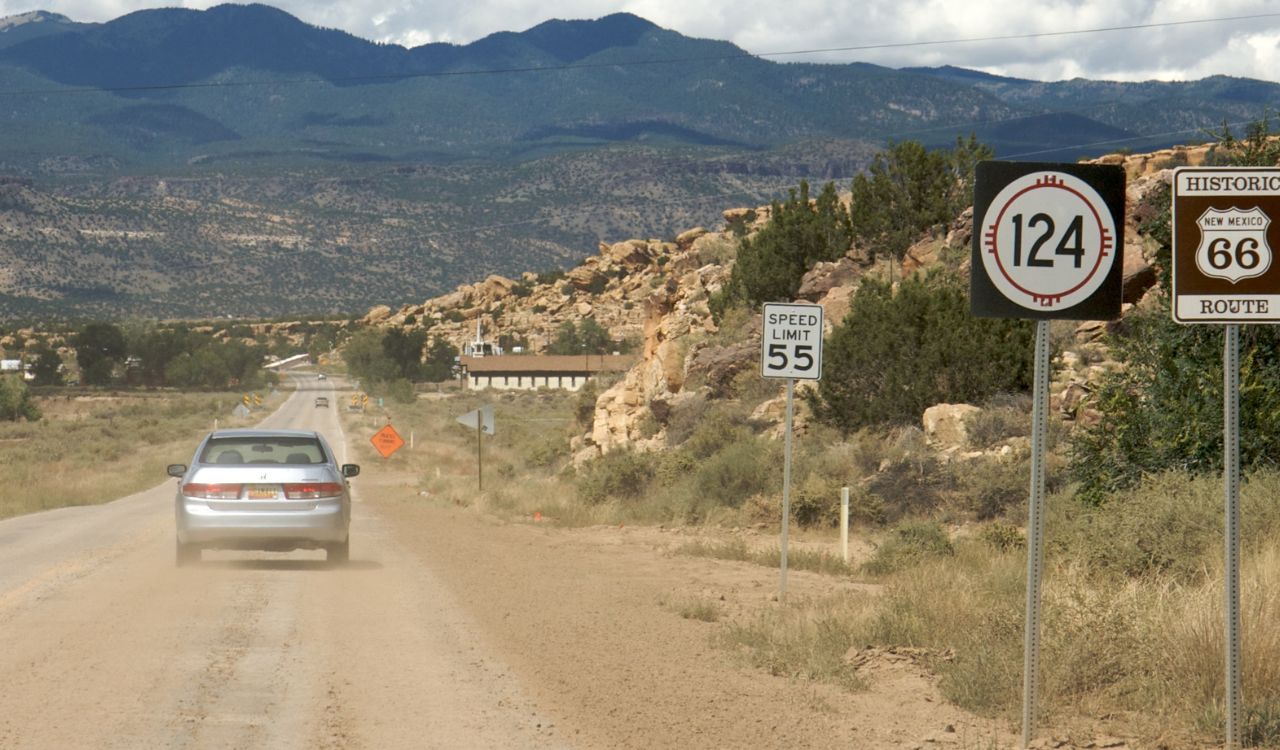
City stops offer attractions, food, and nightlife, but they often come with traffic, parking headaches, and crowds. Small towns provide charm, quiet, and fewer crowds, but services can be limited. Knowing the types of places you’re visiting helps plan parking needs, safety concerns, and sightseeing goals. Be aware of theft risks in cities and closed shops in rural spots. A good mix of both can add variety, but plan your route accordingly to avoid surprises.
Do you have a reliable car for the journey?

Your car is your lifeline. Before any road trip, get a full check-up: oil change, tire condition, brake inspection, lights, and fluid levels. Make sure your battery is strong and your spare tire is ready to go. Pack an emergency kit with jumper cables, a flashlight, duct tape, and roadside tools. If renting a car, ask about mileage limits and insurance. Don’t wait for a breakdown to think about reliability—address mechanical needs before your wheels hit the road.
What is your road trip budget?

Money planning keeps your trip stress-free. Consider costs like gas, lodging, food, activities, and car maintenance. Budget daily allowances and track spending with apps like Splitwise or Trail Wallet. Don’t forget to plan for unexpected expenses, like emergency repairs or spontaneous attractions. If you’re splitting costs with others, agree on how to handle shared expenses upfront. A clear budget lets you enjoy your adventure without overspending or surprise bills.
Extra Costs & Emergencies?
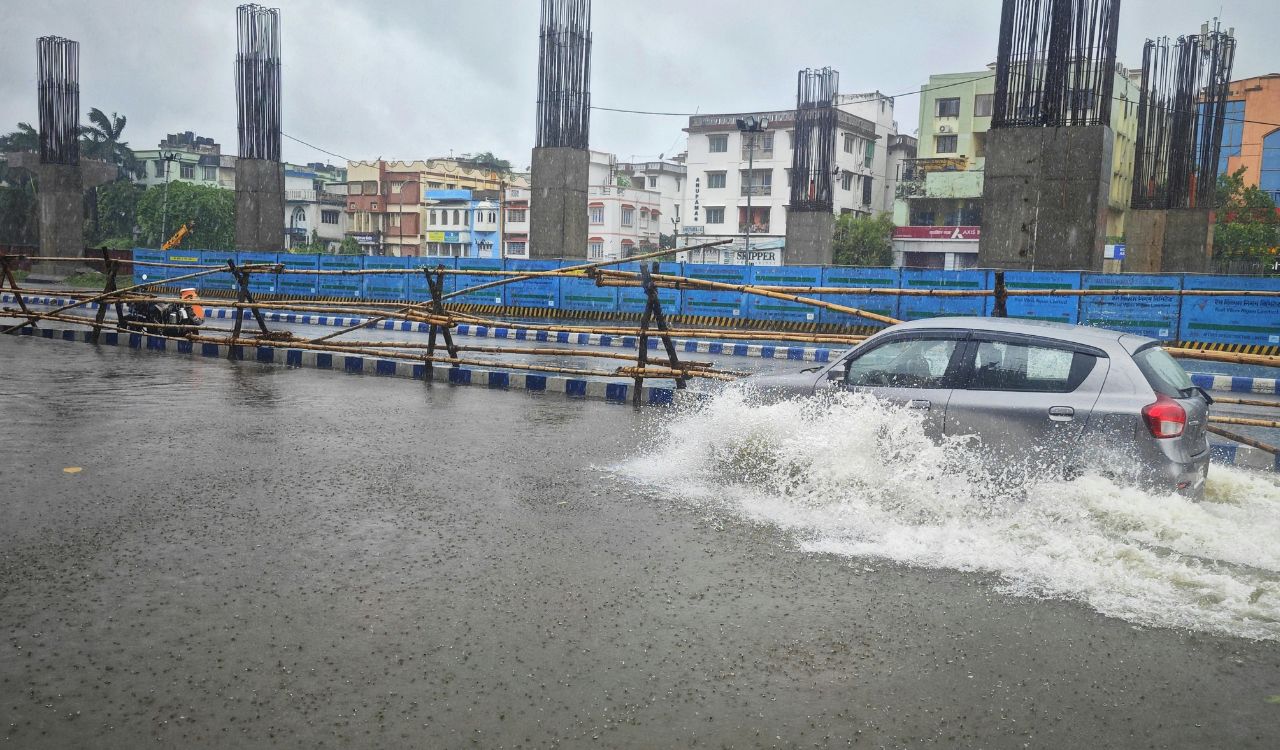
Extra expenses are easy to overlook but add up quickly. Tolls, metered parking, state park fees, and campground reservations can sneak into your budget. Have coins or small bills handy for places that don’t take cards. It’s also wise to carry emergency cash and keep a backup credit card in a secure but accessible spot. First-aid kits, spare chargers, and printed directions can also save you if GPS fails or your phone battery dies. Be prepared for the unexpected.
Do you have a backup plan?

Things don’t always go as planned — weather delays, flat tires, or full hotels happen. Always have a plan B. Know alternative routes, nearby gas stations, and extra stops. Download offline maps in case you lose signal. If you’re relying on specific reservations, confirm them before leaving. Build flexibility into your schedule so you’re not thrown off course when surprises pop up. Thinking ahead ensures your trip keeps moving forward, even when plans shift.
What will you do to stay entertained on the road?

Long hours in the car can be dull without some form of entertainment. Prepare playlists, audiobooks, podcasts, and road trip games. If traveling with others, take turns sharing music or doing travel trivia. Silence is golden sometimes, but keeping spirits up during long drives can make the trip memorable. Think beyond screens—pack journals, travel bingo, or even questions to spark deeper conversations. The journey itself can be the most fun part with the right vibe.
Are you ready to be flexible?

Even the most detailed itinerary won’t go 100% as planned — and that’s okay. Embrace spontaneity. You may find a hidden beach, a local food truck festival, or decide to stay an extra night in a charming town. Flexibility allows you to enjoy unexpected gems and reduces stress when changes occur. Leave room in your schedule to explore, rest, or adjust course. Sometimes, the unplanned detours turn out to be the most unforgettable parts of your road trip.