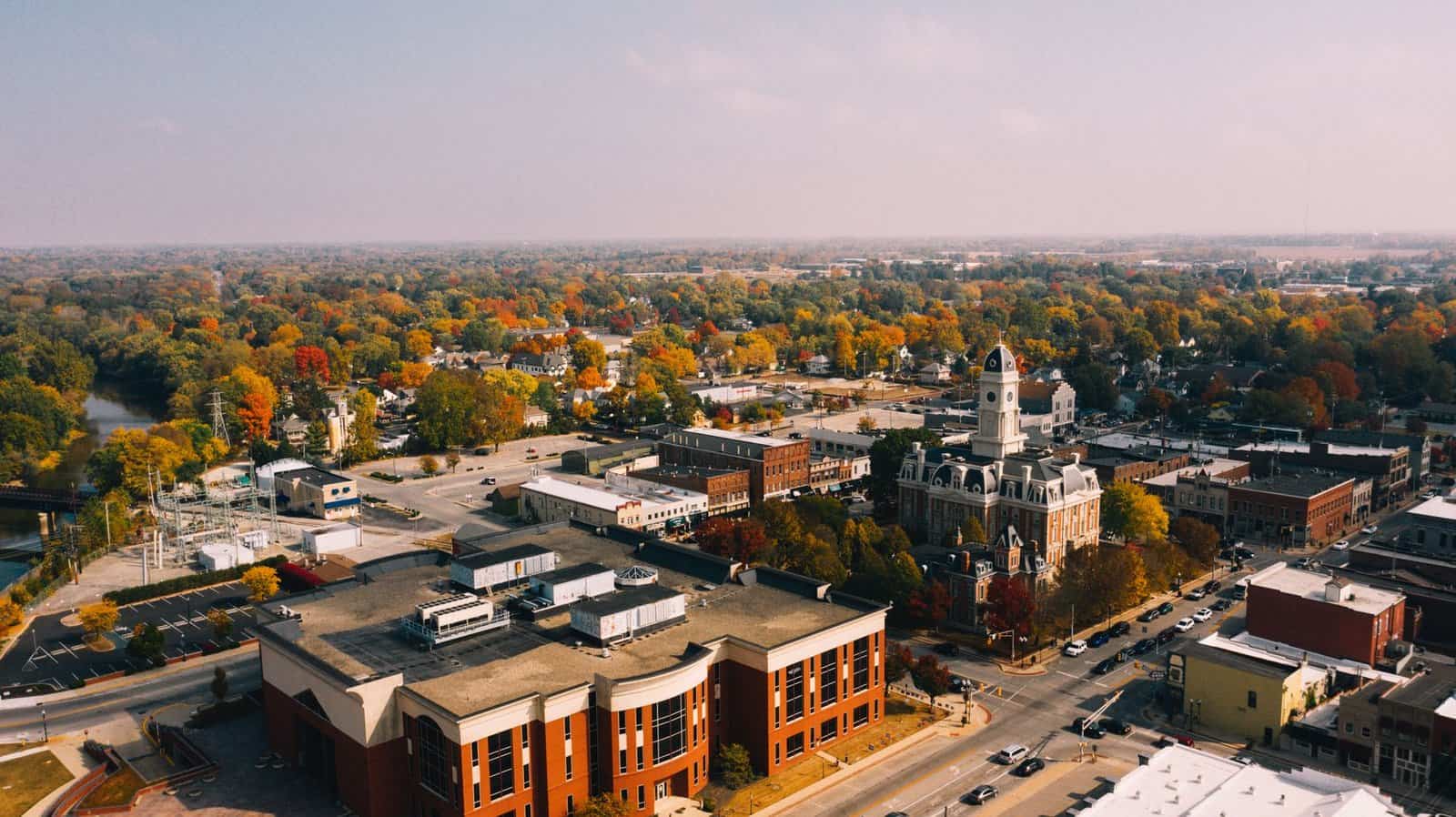
The South Dakota City That’s Growing Faster Than Austin and Nobody’s Talking About It
We may earn money or products from the companies mentioned in this post. This means if you click on the link and purchase the item, I will receive a small commission at no extra cost to you ... you're just helping re-supply our family's travel fund.
Sioux Falls, South Dakota added more than 5,600 new residents in a single recent year, and the city didn’t have to bribe anyone to do it. No beaches, no mountains, no Hollywood sign. Just jobs, cheap houses, and a falls park downtown that people genuinely love. Something strange is happening in the middle of the country, and it’s not slowing down.
The Numbers Nobody Expected
Since the 2020 Census, Sioux Falls has grown by more than 27,000 people, averaging around 2.7% annual growth, according to city population estimates. That’s not a rounding error. That’s a city adding the population of a small town every single year. Mayor Paul TenHaken has pointed out that Sioux Falls grew about 12% between 2020 and 2024 while South Dakota as a whole grew roughly 4%, meaning this one city is doing the heavy lifting for an entire state’s growth story.
Compare that to the national average city growth rate, which barely creeps above half a percent most years. Sioux Falls isn’t just growing faster than most of America. It’s growing at a rate usually reserved for Sun Belt boomtowns, except it’s sitting in a state that spends five months a year below freezing.
Why People Actually Move There

South Dakota has no state income tax, which sounds like a talking point until you actually run the math on a $75,000 salary and realize you’re keeping thousands more per year than you would in Minnesota, Iowa, or Nebraska. That single fact drives a steady stream of professionals across state lines, especially from higher-tax neighbors.
Then there’s housing. A family that gets priced out of Minneapolis or Denver can land in Sioux Falls and buy an actual house with an actual yard for a fraction of the cost. The city’s median home price sits well below the national median, and unlike a lot of “affordable” cities, Sioux Falls still has real job growth to back it up, led by health care systems, financial services, and a growing tech sector.
- No state income tax on wages, retirement income, or capital gains
- Median home prices dramatically lower than comparable Midwest metros
- Unemployment consistently among the lowest in the country
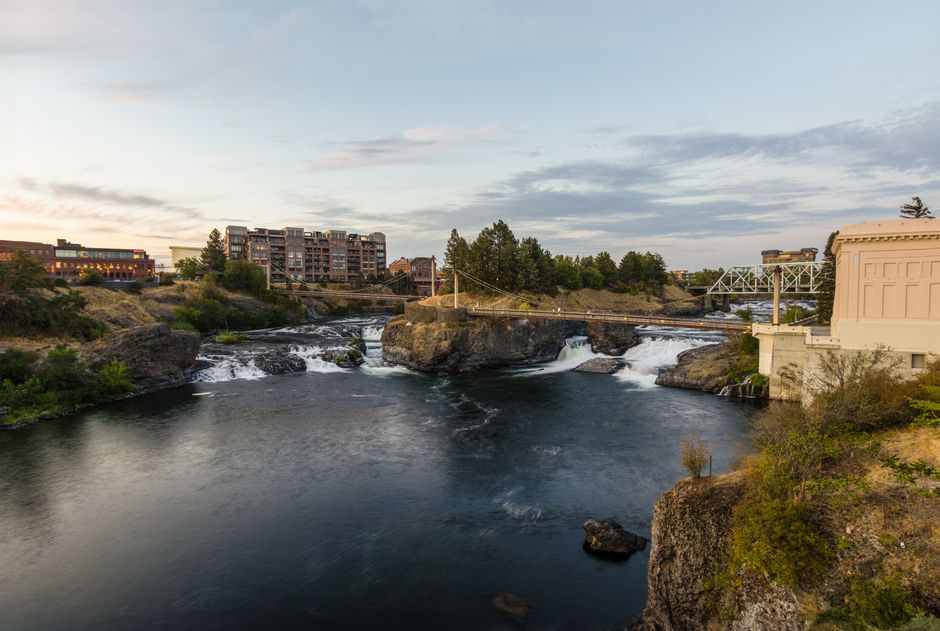
- A downtown falls park that draws over 2 million visitors a year, free to enter
- Growing foreign-born population, now around 9% of residents, adding cultural diversity
Who’s Actually Behind the Growth
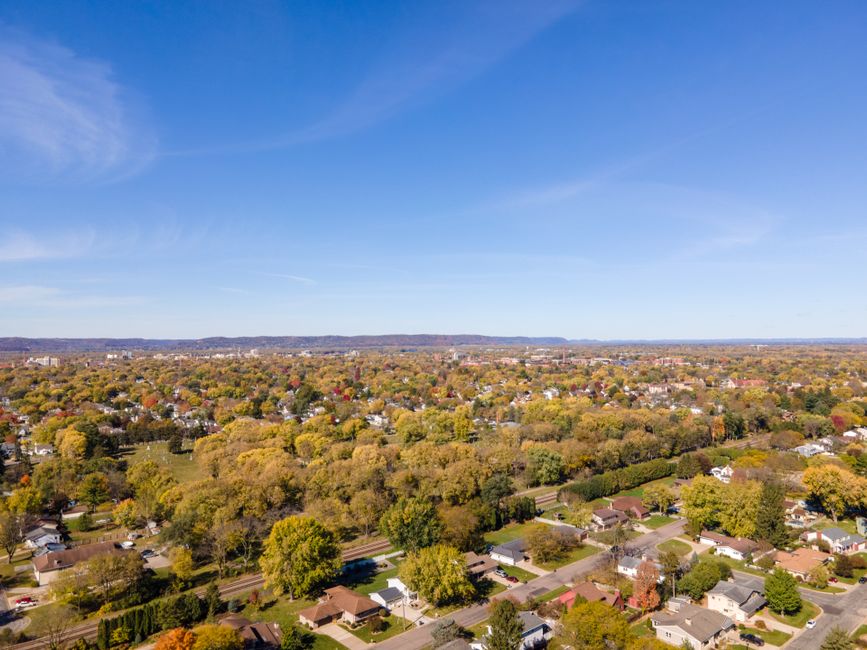
It’s not just Californians chasing a cheaper life, though there are some of those. The bigger, quieter trend is regional. People from small towns across South Dakota, southwestern Minnesota, and northwest Iowa are funneling into Sioux Falls because it’s the only city in a 200-mile radius with real amenities, hospitals, and career ladders. It’s absorbing the population that used to spread across dozens of small farming towns.
There’s also a boomerang effect. A meaningful share of new residents are people who grew up in Sioux Falls, left for college or a first job in a bigger city, and came back once they had kids and started prioritizing affordability and short commutes over nightlife. TenHaken has specifically called this group out as a major growth driver.
The Part Nobody Puts in the Brochure

Winter here is not a joke. Temperatures regularly drop below zero, and the wind across the plains makes it feel worse than the thermometer suggests. Anyone moving from a coastal or southern city needs to budget real money for a garage, a block heater, and a genuinely warm coat, not a fashion one.
The growth is also straining infrastructure faster than city planners expected. Building permits, once climbing every year, actually declined in the most recent data available, suggesting the pace of new housing is starting to plateau even as demand doesn’t. Traffic that used to be a non-issue now has actual rush hours. It’s still nothing like a coastal city, but longtime residents notice the difference, and some aren’t thrilled about it.
Is It Actually Worth Moving To
For a specific kind of person, yes, overwhelmingly. If you want a stable job market, a house you can actually afford, low crime, and you don’t need mountains or an ocean to feel like you’re living somewhere worthwhile, Sioux Falls delivers in a way few American cities still can. If you need year-round mild weather or big-city density, this isn’t it, and it never will be.
The bigger story here is what Sioux Falls represents: a steady reshuffling of where middle-class American life still works the way it’s supposed to. While everyone was watching Austin and Nashville, a city on the prairie built one of the most stable local economies in the country, without much national attention.
How It Compares to Other Boomtowns
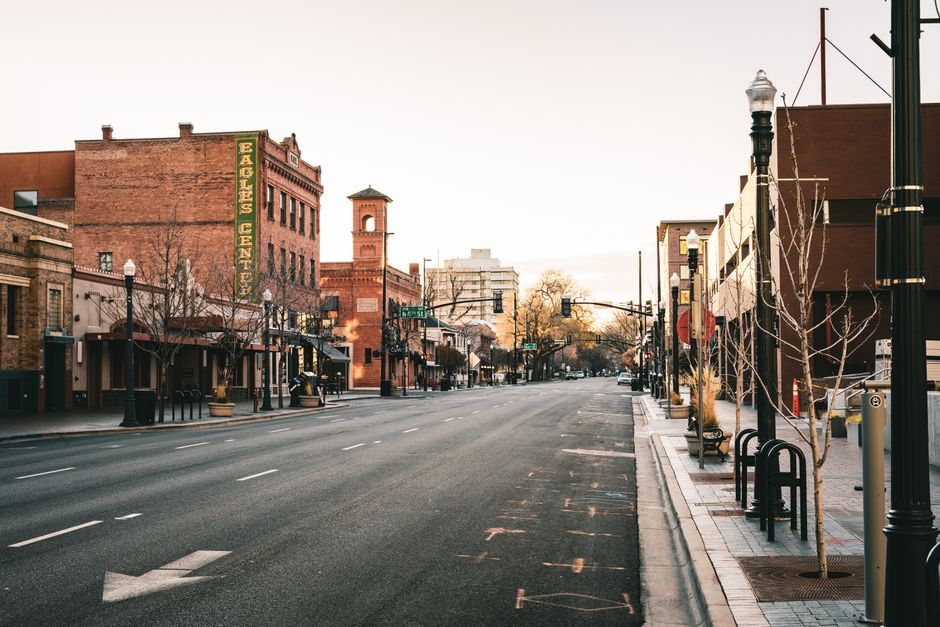
Put Sioux Falls next to the cities that usually dominate relocation headlines, Austin, Boise, Raleigh, and the comparison is almost unfair in Sioux Falls’s favor on cost. Median home prices in those Sun Belt boomtowns have climbed to levels that price out the exact middle-class buyers Sioux Falls is still attracting. The city has essentially become the affordability release valve for people who want boomtown job growth without boomtown home prices.
It also helps that Sioux Falls never became a punchline the way some overheated markets did during the pandemic buying frenzy. There was no bidding-war mania pushing starter homes to absurd multiples over asking price, which means the market has stayed more stable and predictable for both buyers and the builders trying to keep up with demand.
What the Next Decade Looks Like
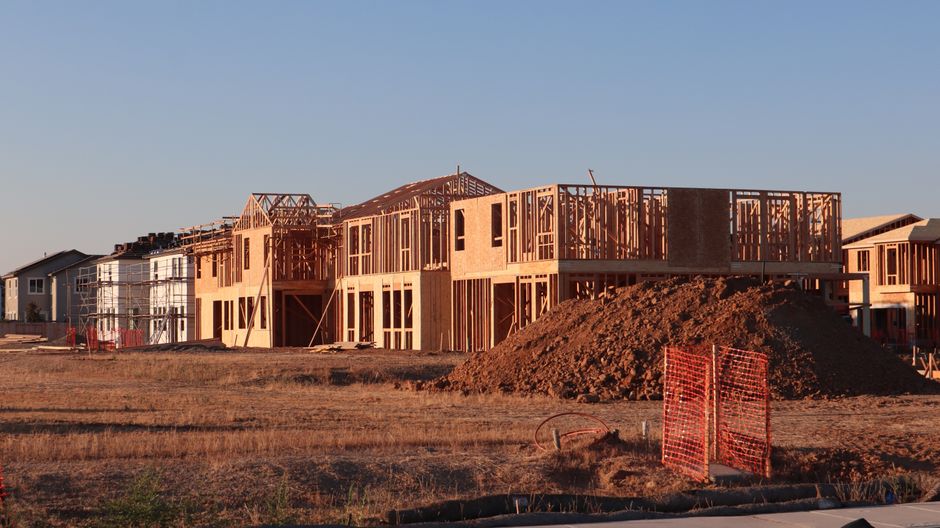
City planners have had to walk back some of the more aggressive growth projections from a few years ago, when population models pointed toward hitting a million regional residents by 2030. The more moderate current pace pushes that milestone closer to 2035, according to regional economic analysis. That’s not a sign of decline, it’s a sign of a boom settling into something more sustainable, which is often healthier for infrastructure planning than an uncontrolled spike.
The employers driving this growth aren’t going anywhere either. Health systems like Sanford and Avera continue expanding their footprints, and the financial services sector that originally took root in Sioux Falls decades ago because of favorable banking regulations has matured into a genuinely diversified economic base rather than a single-industry dependency that could collapse with one bad year.
The Takeaway for Anyone Considering the Move
Sioux Falls isn’t trying to be Austin, and that’s precisely the point. It’s building a slower, steadier version of the American Dream that a lot of other cities priced their way out of offering. For people willing to trade palm trees and mountain views for a stable paycheck and an actual driveway, the math increasingly makes itself.
The Long View

A decade from now, Sioux Falls likely won’t look like a boomtown anymore, it’ll look like a settled, mid-size American city that reset expectations for what affordable growth can look like outside the Sun Belt, without much fanfare along the way. That’s a less exciting headline than a viral population spike, but it might be the more important story for anyone trying to figure out where middle-class stability still exists in this country.