The Exact Moment on a Trip When You Realize You Picked the Wrong Travel Partner
We may earn money or products from the companies mentioned in this post. This means if you click on the link and purchase the item, I will receive a small commission at no extra cost to you ... you're just helping re-supply our family's travel fund.
There’s a specific moment on almost every trip when the truth arrives, usually somewhere between a rental car counter and a restaurant that one person really wanted to try and the other person is visibly enduring.
The moment itself, and why it always looks the same

It rarely happens on day one. Day one runs on adrenaline and shared excitement. The real moment tends to show up around hour 30 to 40 of a trip, once the initial novelty wears off and the group has to make its first real decision under mild stress: a delayed flight, a fully booked restaurant, a disagreement about whether today is a beach day or a museum day. Travel psychologists who study group dynamics point to decision fatigue combined with unfamiliar environments as the exact combination that reveals incompatibility fastest, faster than almost any other shared activity available to two people.
Why travel exposes it faster than daily life
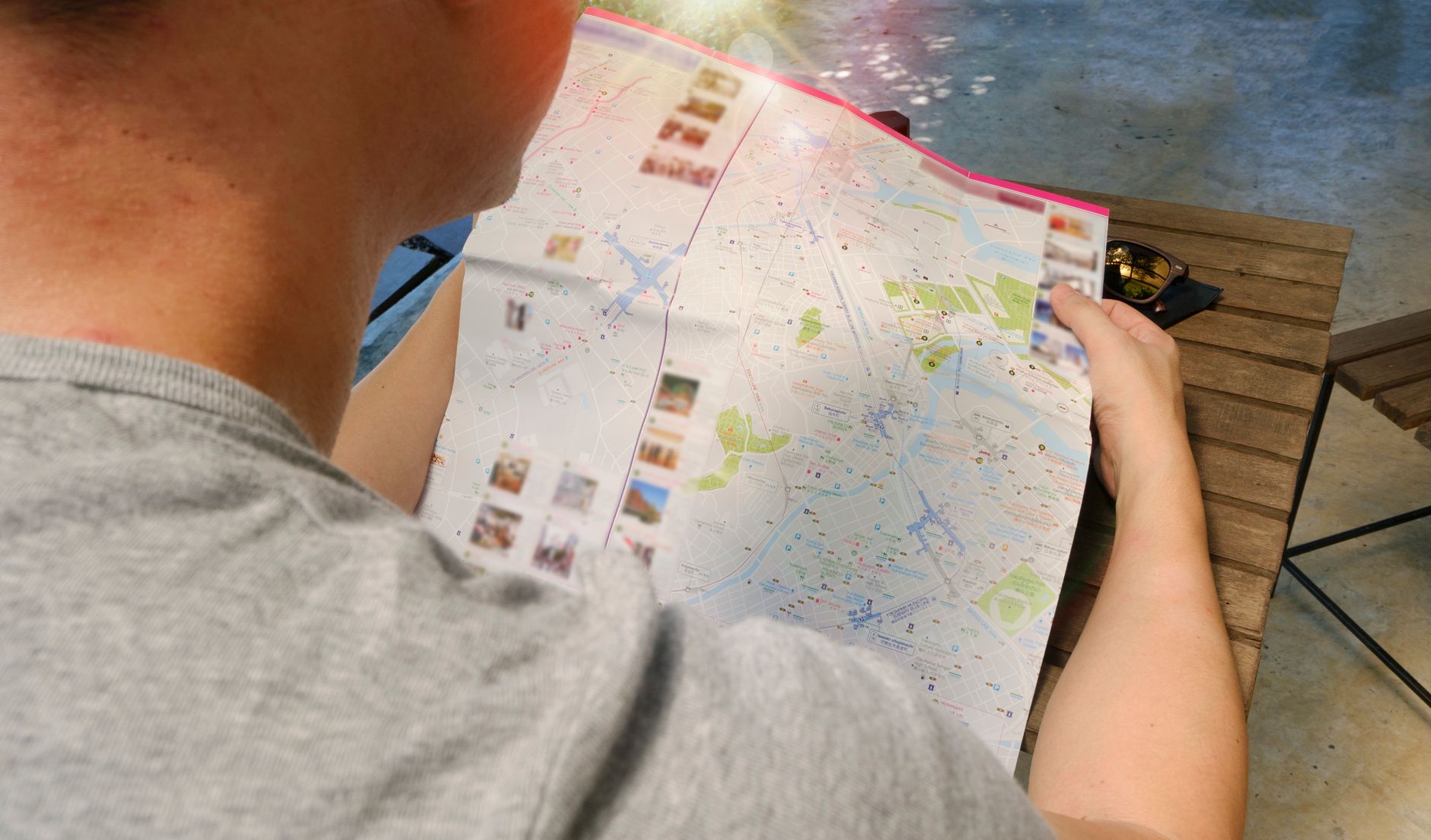
At home, incompatible habits get diluted across a week full of separate routines, separate friend groups, separate errands. On a trip, two people are making twenty small decisions a day together with no space to retreat: what time to wake up, how much to spend, how long to linger at a site, whether silence is comfortable or awkward. A single mismatched preference, one person who needs an itinerary and one who refuses to plan past lunch, gets amplified by sheer repetition into something that feels much larger than it would at home.
The specific triggers that show up most often

Money is the most common flashpoint: one person’s idea of a reasonable dinner is another person’s idea of a splurge, and that gap becomes impossible to ignore once it’s happening three times a day. Pace is the second most common: a person who wants to see six things a day traveling with someone who wants to see one thing and sit with a coffee for two hours will eventually clash, usually without either person being wrong.
What actually happens once the moment hits

Most people don’t end the trip. They downshift instead, calmly renegotiating expectations for the rest of it, agreeing to split up for an afternoon, or simply lowering the bar for what counts as a good day. The trip usually survives. What often doesn’t survive intact is the assumption that this person is someone to travel with again, an assumption that’s frequently revised in the rental car on the way to the airport home, in a conversation that starts with the words next time, maybe we should.
- The friction moment typically surfaces around 30 to 40 hours into a trip, after initial novelty fades
- Money and spending pace are the two most commonly cited sources of travel conflict
- Group decision-making under unfamiliar conditions reveals incompatibility faster than shared routines at home
- Most trips are salvaged through mid-trip renegotiation rather than ending early
The moment itself is almost never about the actual disagreement, the restaurant, the museum, the wake-up time. It’s about realizing, usually for the first time with total clarity, how differently two people move through the world when there’s no routine left to hide it.
The specific scenarios that trigger it most often

Road trips tend to surface the moment fastest, since navigation disagreements, music control, and driving style put two people in a confined space with zero ability to separate for a cooling-off period. Group trips with more than two people add a different variable entirely: a majority-rules dynamic can emerge that leaves one person feeling consistently outvoted on restaurant choices, activity timing, or budget level, a dynamic that rarely gets named directly but accumulates resentment across the length of a trip.
International trips raise the stakes further because logistics become genuinely harder, language barriers, unfamiliar transit systems, and jet lag combine to reduce everyone’s patience reserves simultaneously. A minor disagreement that would be shrugged off at home over dinner can become the flashpoint moment three days into an unfamiliar country when both people are running on four hours of sleep and neither one wants to be the one who navigates the subway.
How people usually respond in the moment

The most common immediate response isn’t confrontation, it’s withdrawal: one person goes quiet, takes a solo walk, or suddenly needs to check their phone for an extended period. That withdrawal is often more telling than an actual argument would be, since it signals the person has already mentally filed the incompatibility away rather than trying to resolve it in real time.
What separates a survivable moment from a trip-ending one

Trips that recover well tend to involve at least one person naming the friction directly, even briefly, rather than letting it fester silently for the rest of the itinerary. Trips that spiral tend to involve both people independently deciding to just get through the rest of it, a strategy that technically finishes the trip but usually ends the traveling relationship for good.
- Road trips tend to surface travel incompatibility fastest due to confined space and limited ability to separate
- Group trips can create majority-rules dynamics that leave one person consistently outvoted on decisions
- International travel compounds friction through jet lag, language barriers, and unfamiliar logistics
- Trips that recover well typically involve directly naming the friction rather than silently enduring it
Almost everyone who travels regularly has a story about the trip that ended a travel partnership for good. The moment itself rarely feels dramatic in the instant. It’s only in hindsight, usually while booking the next trip with someone else entirely, that its significance becomes obvious.
What experienced travelers do differently

People who travel frequently with the same partners or friend groups tend to have explicitly discussed pace, budget, and downtime preferences before booking rather than assuming compatibility because the relationship works well in a non-travel context. That conversation, however brief, tends to surface the exact friction points, one person’s need for a full itinerary versus another’s preference for improvisation, before they show up unannounced on day three of an actual trip.
It’s a small amount of upfront effort that most people skip specifically because it feels unnecessary before a trip with someone they already know well. The gap between knowing someone well at home and knowing how they travel is exactly where this entire pattern lives.