Kentucky Has the World’s Longest Known Cave System and It Keeps Going Beneath the Hills
We may earn money or products from the companies mentioned in this post. This means if you click on the link and purchase the item, I will receive a small commission at no extra cost to you ... you're just helping re-supply our family's travel fund.
Mammoth Cave’s surveyed passages make it the world’s longest known cave system, with more than 426 miles mapped as of 2025. A cave system is a connected network of underground passages. You can explore part of it on a guided tour, then spend time above ground.
This is not simply a drive-through stop. You may need to plan for a cave tour, a hike, or a river outing, depending on your group and schedule. Both sides of the experience reward time and curiosity.
Water shaped the cave over millions of years, while trails lead through forests and hills. The park suits visitors who enjoy learning underground and getting outside between tours. A little planning can help you fit both into your day.
A visit can pair time underground with trails, rivers, and park history.
Key Takeaways
- The cave system has more than 426 miles of surveyed passages.
- Cave tours are one part of a visit, not the whole experience.
- Surface activities include hiking, biking, and horseback riding.
- The Green River divides the park into north and south sides.
- Park history and wildlife add depth to a visit.
Why Is Mammoth Cave National Park Kentucky Famous?
Mammoth Cave is famous for its immense underground passage network, but fossils and the park’s protected landscape add to its importance. The longest known cave lies beneath a broad landscape in south-central Kentucky, not inside one city. The park protects both the cave and the land around it.
A Vast Cave Beneath South-Central Kentucky
The Mammoth Cave system formed in limestone about 330 million years ago. Over time, water moved through cracks and passages, shaping the underground routes visitors explore today. The mapped miles make this the world’s longest known cave system.
The park covers 52,007 acres in Edmonson, Hart, and Barren counties. Mammoth Cave National Park was established on July 1, 1941, and became a UNESCO World Heritage Site in 1981. It became an International Biosphere Reserve in 1990.
Mammoth Cave is not in a single city. Brownsville, Park City, and Cave City are nearby communities. The Visitor Center is about 99 miles from Nashville and 89 miles from Louisville.
Visitors driving from Nashville to Mammoth Cave can expect a trip of about 99 miles to the Visitor Center. That distance gives you a useful starting point, though your route and traffic affect travel time.
Fossils from an Ancient Seaway
Fossils show that an ancient seaway once covered this part of Kentucky. At least 70 ancient fish species have been identified across more than 25 surveyed caves and passages. Their remains include both large sharks and much smaller sea animals.
Two shark species announced in 2024, Troglocladodus trimblei and Glikmanius careforum, lived more than 325 million years ago. Each likely reached 10 to 12 feet long. Mammoth Cave fossils include part of the jaws and gills of a young Glikmanius.
A smaller creature also made news. Macadens olsoni fossils from the Ste. Genevieve Formation date to about 340 to 335 million years ago. This animal likely grew to less than a foot and had a curved tooth whorl for crushing small sea creatures.
Park Location and Protected Landscape
The Green River divides the park’s nearly 53,000 acres. Most cave tours and visitor services sit on the south side, while the north side has its own trails and backcountry. The river and wooded hills make the surface part of the visit, too.
The Green River divides the park, and most cave tours and visitor services are on its south side.
Use a park map to understand the Green River’s north and south sides before choosing stops. The map helps you see how your planned destinations relate to one another, rather than treating each stop as a separate drive.
How Do Cave Tours, Tickets, and Reservations Work?
The main attraction is exploring the cave on a ticketed tour, and the best format depends on the experience you want. Park entry is free, but underground tours require paid tickets. A reservation does not guarantee entry unless a tour ticket remains available.
Cave tours run year-round and last from one to six hours. Every tour starts and ends at the Visitor Center. The full schedule may appear only one to three months before a tour date, even though you can reserve up to six months ahead.
Ticket Costs and Advance Reservations
The park recommends booking through Recreation.gov or by calling (877) 444-6777. Tour ticket prices depend on the selected tour, and no reservation does not mean you can enter without a ticket. Plan around the date and experience that fit your group.
Use this four-step checklist to book:
- Choose a date for your visit.
- Reserve through Recreation.gov or by phone.
- Check the schedule as it becomes available.
- Confirm the selected tour’s requirements.
Choosing a Tour Style
Electric-lit routes pass through developed parts of the cave and can include Grand Avenue, Frozen Niagara, or Fat Man’s Misery. Two paraffin-lamp tours offer a different way to see the cave. Wild tours leave developed passages for muddy crawls and dusty tunnels.
If you enjoy guided underground trips, you may also like the Lewis and Clark Caverns tours, which pair limestone formations with nearby trails.
| Tour style | Lighting | Route or terrain | Representative experience |
|---|---|---|---|
| Electric-lit tours | Electric lights | Developed passages | Grand Avenue or Frozen Niagara |
| Paraffin-lamp tours | Paraffin lamps | Routes lit by lamps | Two lamp-lit tour options |
| Wild tours | Tour-specific lighting | Muddy crawls and dusty tunnels | Travel away from developed passages |
Tour Length and Visitor Rules
Tour routes vary in length and difficulty, so a long visit may call for more stamina than a short one. Visitors under 16 must have someone aged 18 or older with them on cave tours. That rule applies even when a younger visitor is comfortable exploring outdoors.
Check the selected tour’s description for its route and physical demands before committing to a ticket.
What Can You Do Above Ground?
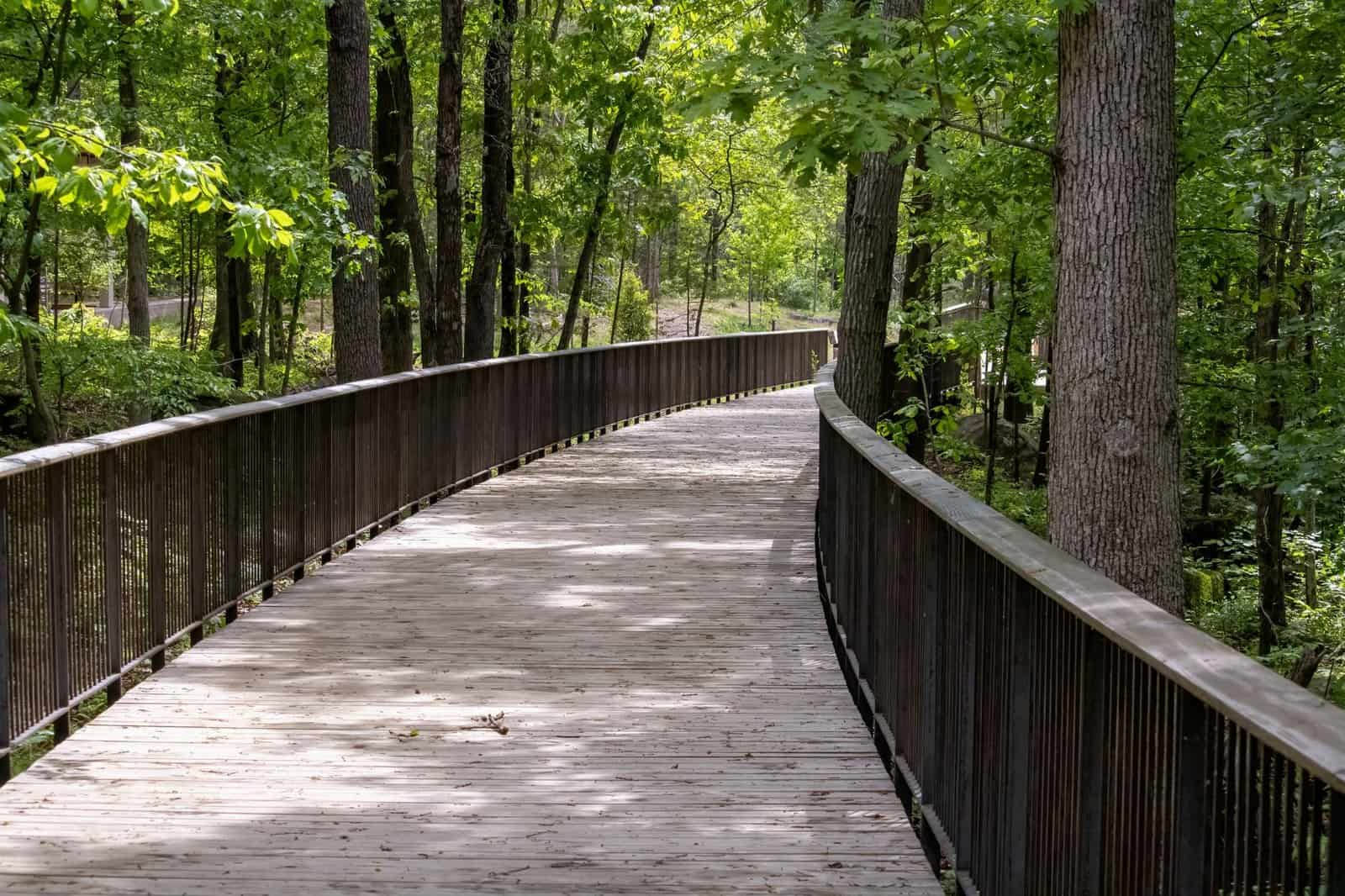
The park’s surface offers more than 80 miles of trails for hiking, biking, and horseback riding. Outdoor options range from short walks to backcountry routes. The north side has more than 65 miles of backcountry trails for hiking, biking, and riding.
More than 60 miles of backcountry trail suit horseback riding. The park has three campgrounds and more than 13 backcountry sites, so you can choose a developed site or a more remote stay. A map helps you judge distances between trailheads and other stops.
Hiking, Biking, and Horseback Riding
Choose an activity that fits your group and the time you have:
- Hiking: Walk more than 80 miles of trails, including backcountry routes.
- Biking: Ride on trails that allow bikes, including north-side backcountry routes.
- Horseback riding: Explore 60 miles of backcountry trails suited to horses.
These attractions give you a reason to stay above ground between cave visits. The north side has many backcountry routes, while the south side keeps you closer to the Visitor Center and cave services.
Crossing the Green River
The Green River separates the park’s two sides, and no bridge connects them. When operating, the Green River Ferry is the practical crossing. River levels can affect service, so a crossing may not be available when water conditions change.
The ferry operates from 6 a.m. to 6 p.m. CST when conditions allow. Ferry vehicles and trailers must weigh no more than 12 tons and measure no more than 16 feet long. Those limits can affect your route if you travel in a large vehicle or tow a trailer.
Camping Near the Visitor Center
Mammoth Cave Campground sits one-quarter mile from the Visitor Center. A standard site without hookups costs $25 per night, while eligible Access or Senior Pass holders pay $12.50. A backcountry camping permit costs $10, but that is a permit fee, not a nightly campsite price.
The park map can help you compare developed campgrounds, backcountry sites, and trail access on both sides. Confirm ferry operation and vehicle limits before planning a route that depends on crossing the river.
Who Shaped Mammoth Cave’s Human and Natural History?
Stephen Bishop’s cave knowledge helped reshape what visitors and explorers knew about Mammoth Cave. He arrived in 1838 as an enslaved teenager and worked as a cave guide. His knowledge mattered in a place where new passages could change what people understood about the underground world.
Stephen Bishop’s Exploration and Map
Bishop drew a map of Mammoth Cave from memory in 1842. A book later published the map and credited him. After Bishop and a visitor crossed the Bottomless Pit, many miles of passages became open to further exploration.
The Mammoth Dome and Ruins of Karnak are among the areas credited as Bishop’s discoveries. He was freed in 1856 and died by the end of summer 1857. His story reflects the skill and labor of an enslaved guide whose work shaped knowledge of the cave.
There is no single formal ranking of Bishop’s discoveries. His map and exploration helped guide later visitors, while the crossing of the Bottomless Pit opened many passages for others to explore.
A Cave Hospital and Wildlife Today
Dr. John Croghan tried treating tuberculosis patients in an underground hospital from autumn 1842 to early 1843. The experiment lasted no more than five months. Five patients died during that effort, not across the cave’s entire history.
The park is home to 13 bat species, including three that are federally listed as threatened or endangered. Bats are a more regular part of the park’s wildlife than American black bears. Bears once appeared often in the area, but they are rarely found in the park today.
For another look at wildlife protection, read about conservation on remote islands, where rare species also depend on protected habitat.
Treat the hospital experiment as a brief but consequential episode, not as evidence that the cave was a safe place to treat tuberculosis.
The cave’s formations and wildlife belong to a living environment, not a medical setting. Keep a respectful distance from animals and leave cave features undisturbed during your visit.
Conclusion
A first visit is easiest to plan when you choose your cave experience and then build in time for the surface. Pick a tour that fits your group’s interests and comfort, then leave room for the river, trails, fossils, and history.
Mammoth Cave National Park is more than an underground attraction. Check the available tour schedule and pick a date that works for your group.