Why the Hidden Gem You Just Found Already Has 50,000 Instagram Tags
We may earn money or products from the companies mentioned in this post. This means if you click on the link and purchase the item, I will receive a small commission at no extra cost to you ... you're just helping re-supply our family's travel fund.
The phrase hidden gem has become one of the least reliable claims in travel content, mostly because of how fast the internet closes the gap between discovery and saturation.
How a place actually becomes a hidden gem, and how briefly it stays one
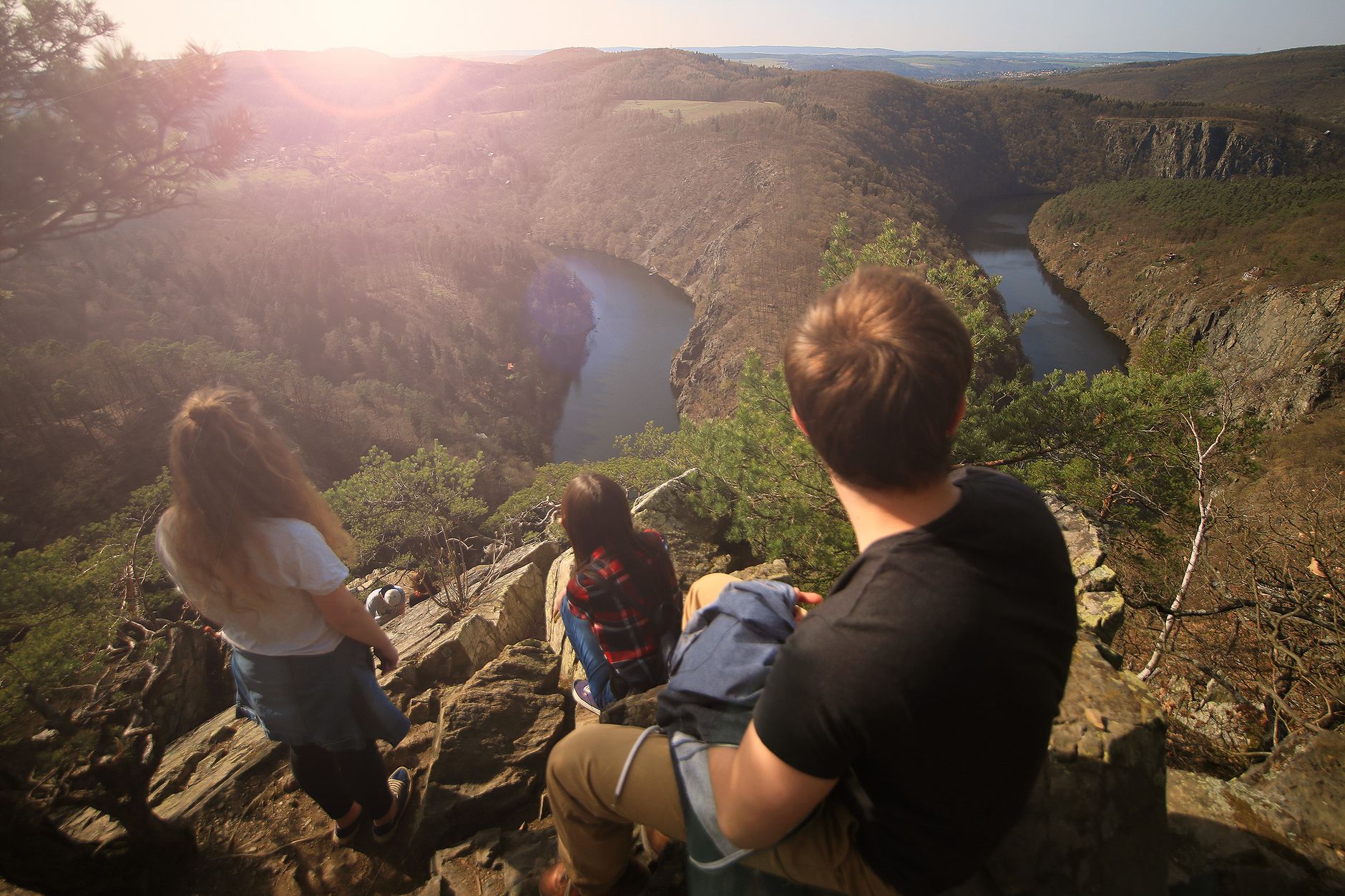
A location typically earns the hidden gem label because a travel writer, local blogger, or early visitor genuinely found it uncrowded at the time they wrote about it. The problem is timing: content has a long shelf life online, but a location’s obscurity does not. An article calling a beach or trail undiscovered in 2019 is often still circulating, still ranking in search results, and still getting shared in 2026, long after the same location has been geotagged tens of thousands of times.
The mechanics of how it spreads

Once a single well-followed account posts a geotagged photo of a scenic spot, the location becomes searchable and saveable, and platform recommendation algorithms begin surfacing it to users with similar interests. Each subsequent visitor who posts their own version reinforces the algorithm’s confidence that the location deserves more distribution, creating a compounding effect where a spot can go from a few hundred tags to tens of thousands within a couple of viral cycles, often over the course of a single summer season.
Why the label survives even after the crowd arrives

Once a location is described as a hidden gem in enough articles, that phrase itself becomes the dominant search association for the place, outranking newer content that might accurately describe current crowd levels. New visitors searching for the location before their trip encounter years-old claims of secrecy, arrive expecting solitude, and are routinely surprised to find a parking lot and a line for photos instead.
What this means for anyone still chasing the undiscovered spot
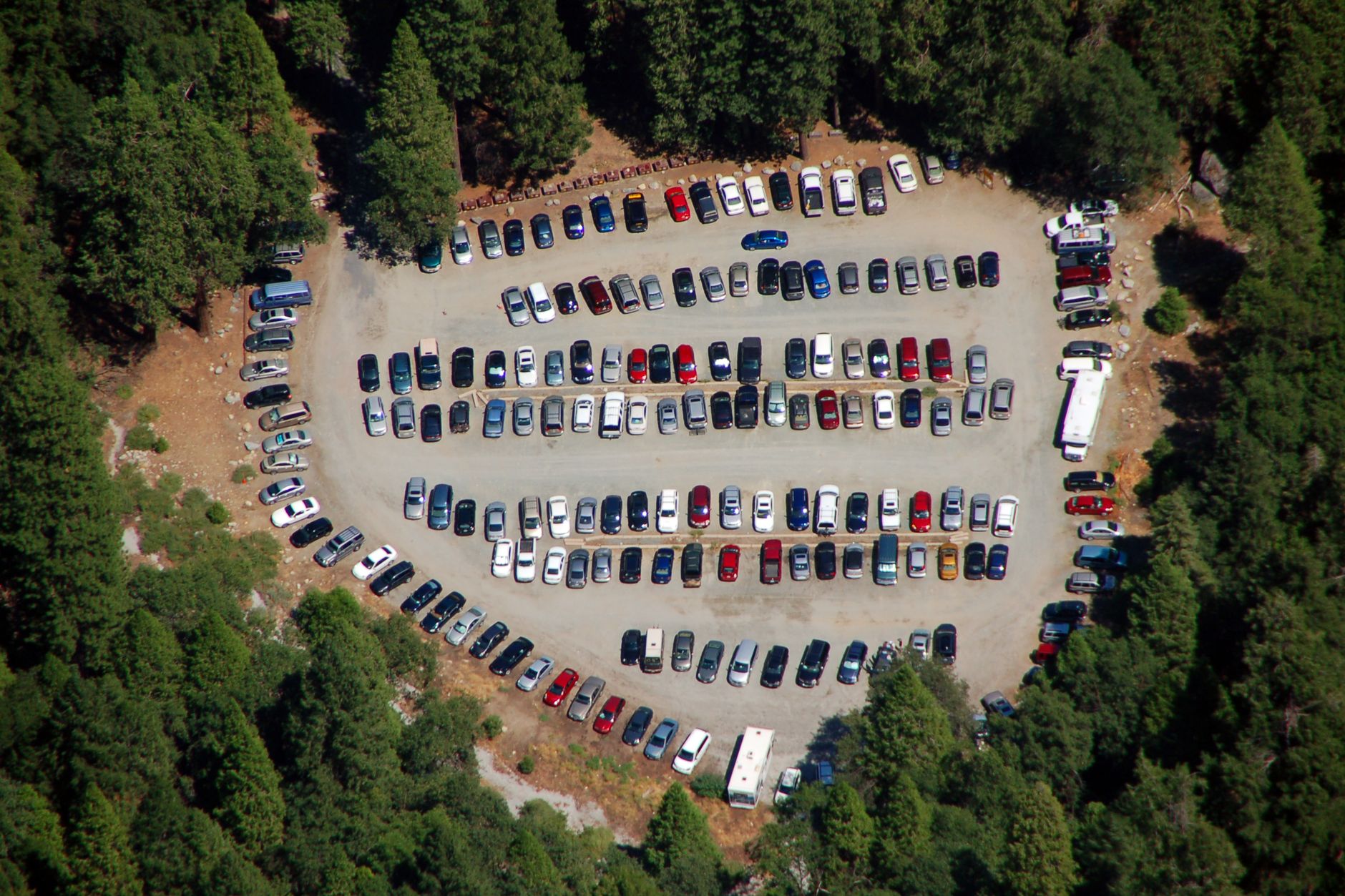
The more specific and photogenic a claimed hidden gem is, the less likely it has actually stayed hidden by the time a reader encounters the claim. Locations that genuinely remain uncrowded tend to be the ones that are hard to reach, require research to even locate, or simply aren’t especially photogenic in the flat, wide-angle style that performs well on social platforms.
- Content calling a place undiscovered often remains online and searchable for years after the location itself becomes widely known
- A single viral geotagged post can drive a location from obscurity to tens of thousands of tags within one season
- Recommendation algorithms compound exposure by surfacing popular locations to increasingly broad audiences
- Locations that are difficult to reach or research tend to retain genuine low-crowd status longer than easily photographed spots
The honest version of the phrase by the time most people read it should probably be recently popular rather than hidden. The gem part was often true once. The hidden part rarely survives the article that made the claim.
Real examples of the pattern playing out
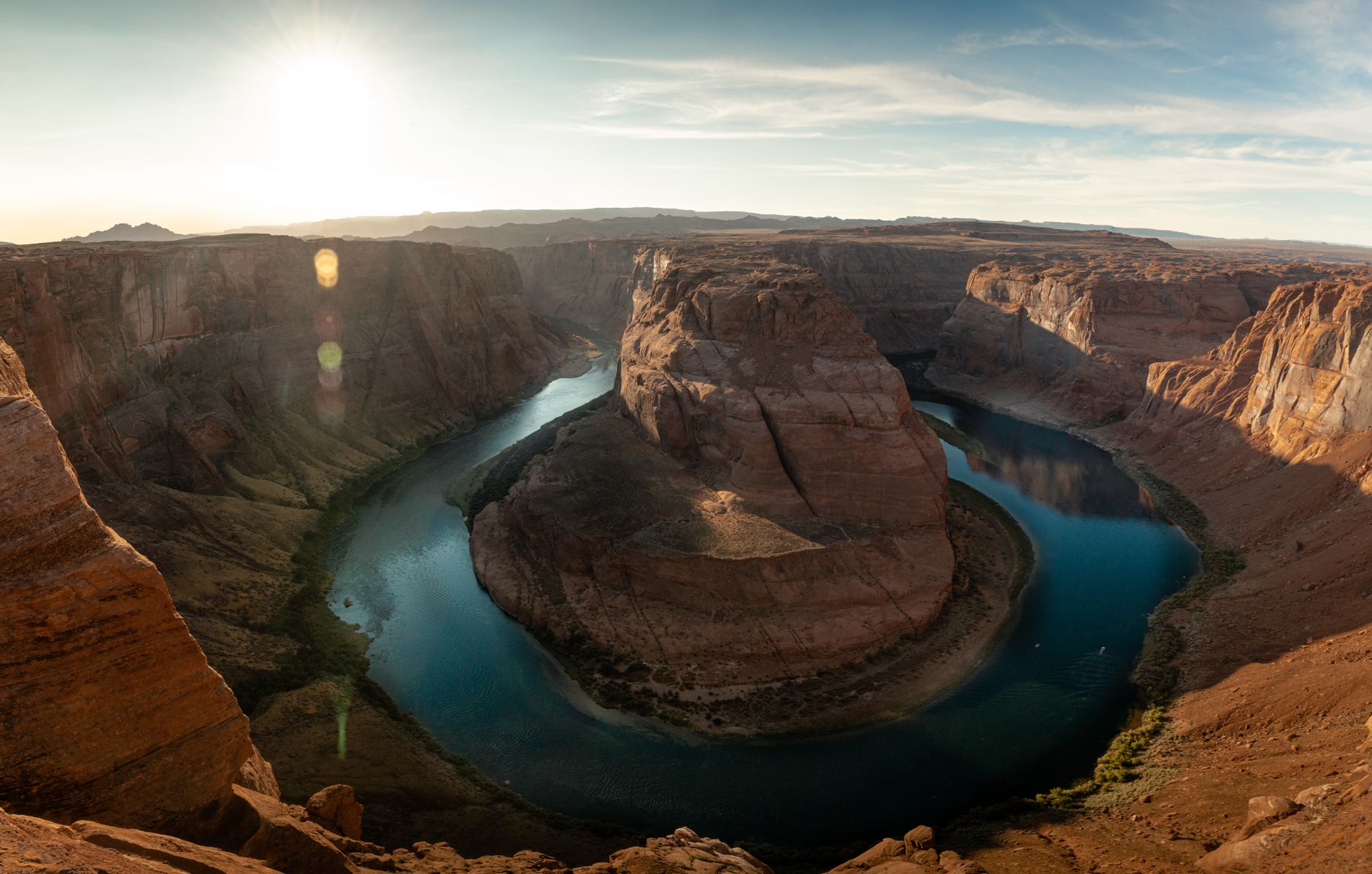
Locations like Horseshoe Bend in Arizona, various slot canyons in Utah, and numerous waterfalls across the Pacific Northwest have all followed a similar trajectory: a period of relative obscurity, a viral photo or a well-shared blog post, and then a permanent shift to managed, ticketed, or heavily trafficked status within a few years. Park services managing several of these sites have had to add parking reservation systems specifically because visitor volume outpaced what the original infrastructure was built to handle.
The same pattern shows up at a smaller scale constantly: a local restaurant recommended in a single viral post, a swimming hole shared by a regional travel account, a scenic pull-off tagged by a photographer with a large following. The specific mechanism is always the same, even when the scale differs from a national park to a single county road.
How to actually find places that are still quiet
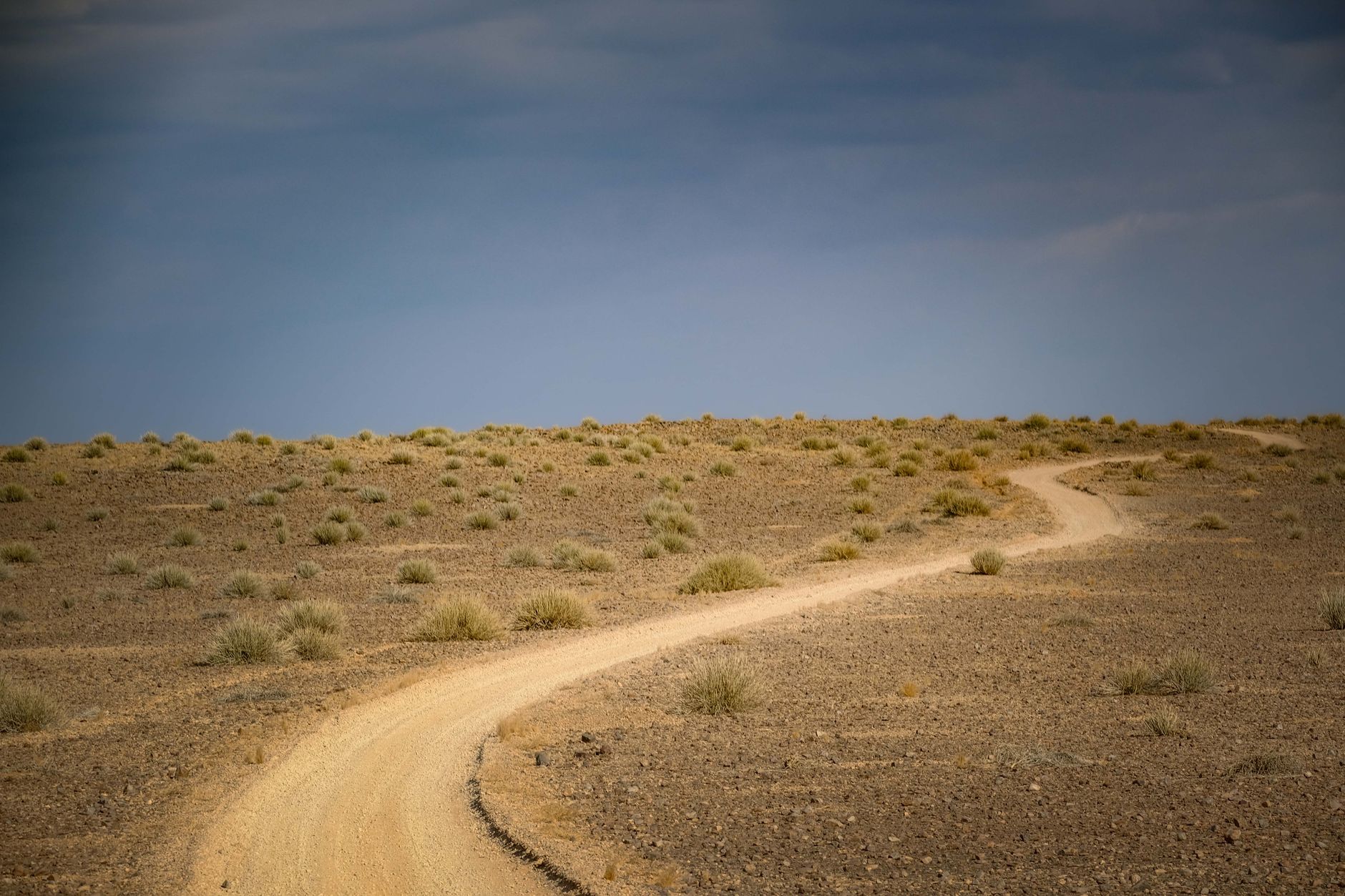
The most reliable indicator that a place hasn’t been fully discovered yet is the absence of a specific, easily searchable name for it online. Locations described only by general area, a stretch of coastline, a section of a larger forest, without a distinct proper noun tend to resist the viral discovery cycle simply because there’s no clean search term or geotag for the algorithm to latch onto and amplify.
What this means for how travelers should actually search

Local recommendations gathered in person, from a hotel front desk, a regional visitor center, or a conversation with a local business owner, remain far more likely to produce a genuinely uncrowded experience than anything discoverable through a hashtag search, precisely because that information hasn’t been indexed and amplified by a platform algorithm yet.
- Sites like Horseshoe Bend and various slot canyons have shifted permanently to managed, reservation-based access after viral exposure
- Locations without a specific searchable proper noun tend to resist the viral discovery cycle longer
- Park services have added parking reservation systems specifically in response to social-media-driven visitor surges
- In-person local recommendations remain more reliable for finding genuinely uncrowded experiences than online searches
The internet made discovery instant and permanent in a way it never was before, which means the shelf life of an actual hidden gem is now measured in months rather than years, if it exists at all by the time most people go looking for it.
What this means for the towns and sites themselves
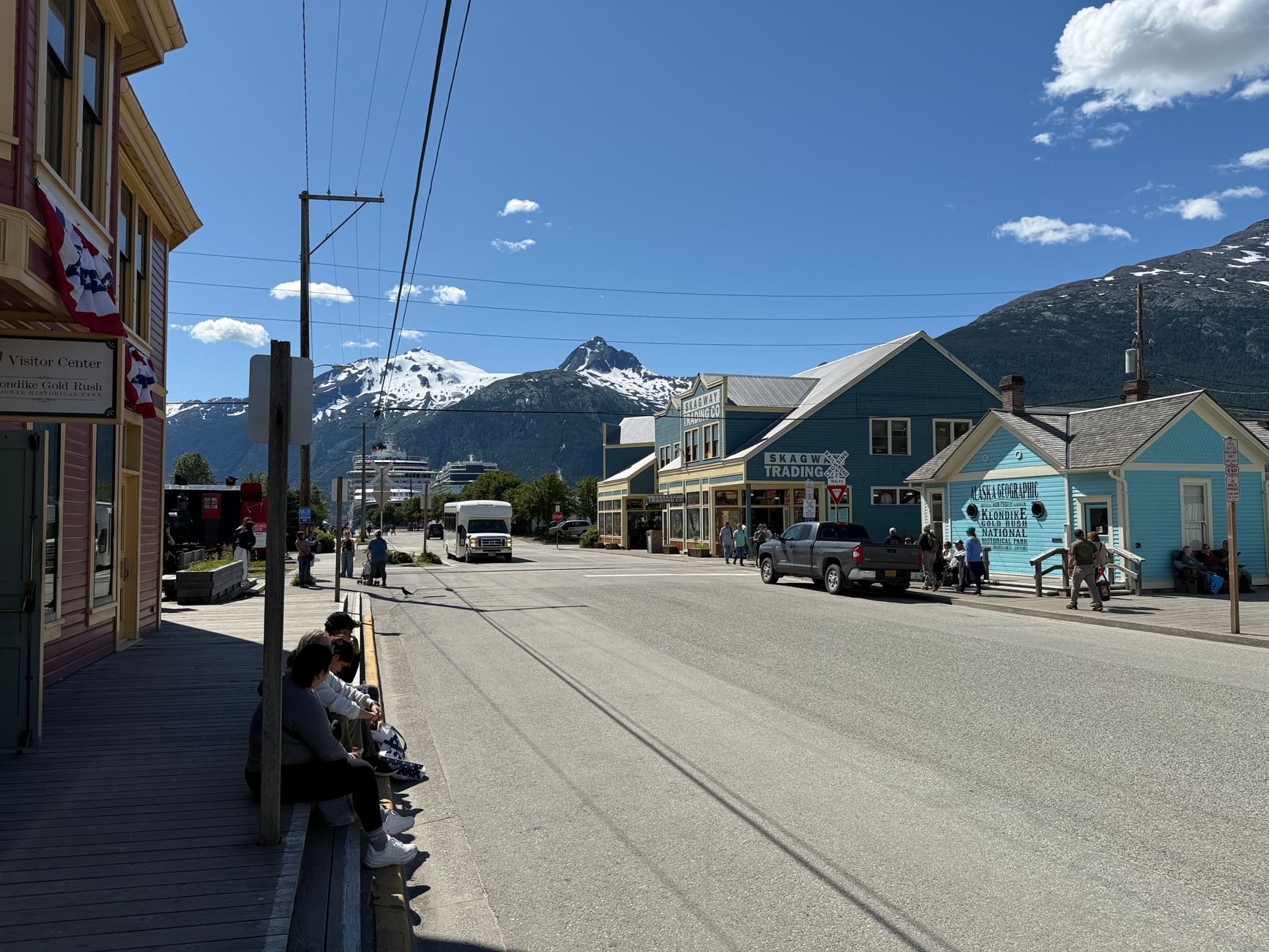
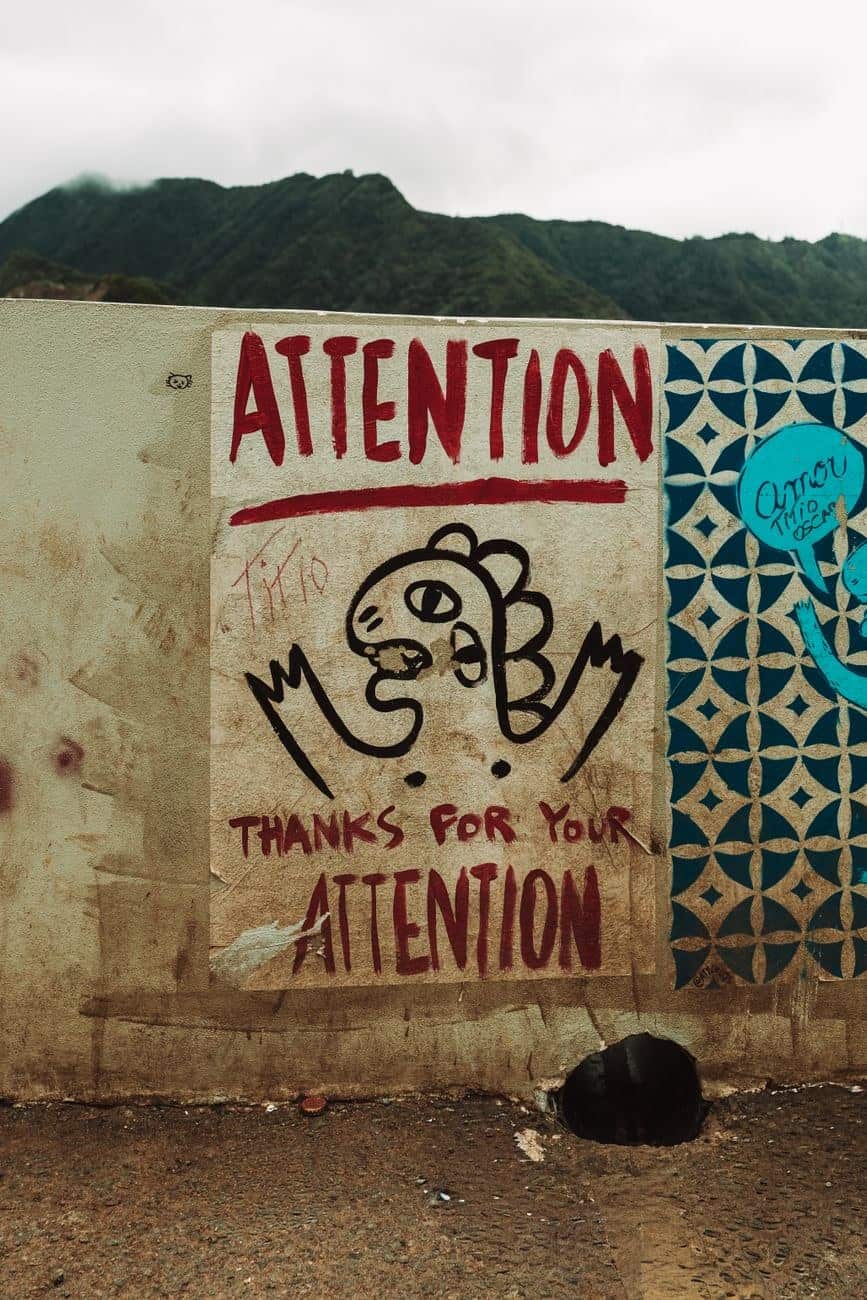
Small towns and natural sites that experience this kind of sudden discovery often lack the infrastructure, parking, restrooms, staffing, to absorb the volume gracefully, which is exactly the pattern that’s played out in mountain towns, coastal communities, and desert art towns covered elsewhere in current travel coverage. The gap between a location’s actual capacity and its viral-driven demand is frequently where overtourism complaints originate, regardless of whether the destination is a national park or a single Instagram-famous mural.
For destinations trying to manage this cycle proactively, some have shifted toward promoting lesser-known nearby alternatives once a primary site reaches capacity, spreading visitor volume across a wider area rather than concentrating it entirely on whichever spot went viral first.
The most useful mindset shift for travelers might simply be dropping the word hidden from the search entirely and looking instead for places that are genuinely worth visiting regardless of how many other people already know about them, since crowd size and quality were never actually the same measurement to begin with.