The Gap Between the Vacation You Say You Want and the One You Actually Book
We may earn money or products from the companies mentioned in this post. This means if you click on the link and purchase the item, I will receive a small commission at no extra cost to you ... you're just helping re-supply our family's travel fund.
Ask someone what they want from a vacation and the answer usually involves words like rest, disconnect, and slow down. Look at what they actually book, and a very different pattern shows up.
What people say they want

Surveys on vacation preferences consistently find that relaxation and stress relief top the list of stated travel motivations, ahead of sightseeing, adventure activities, or cultural immersion. People describe wanting unstructured time, minimal planning, and permission to do nothing without guilt, the opposite of a packed itinerary.
What people actually book
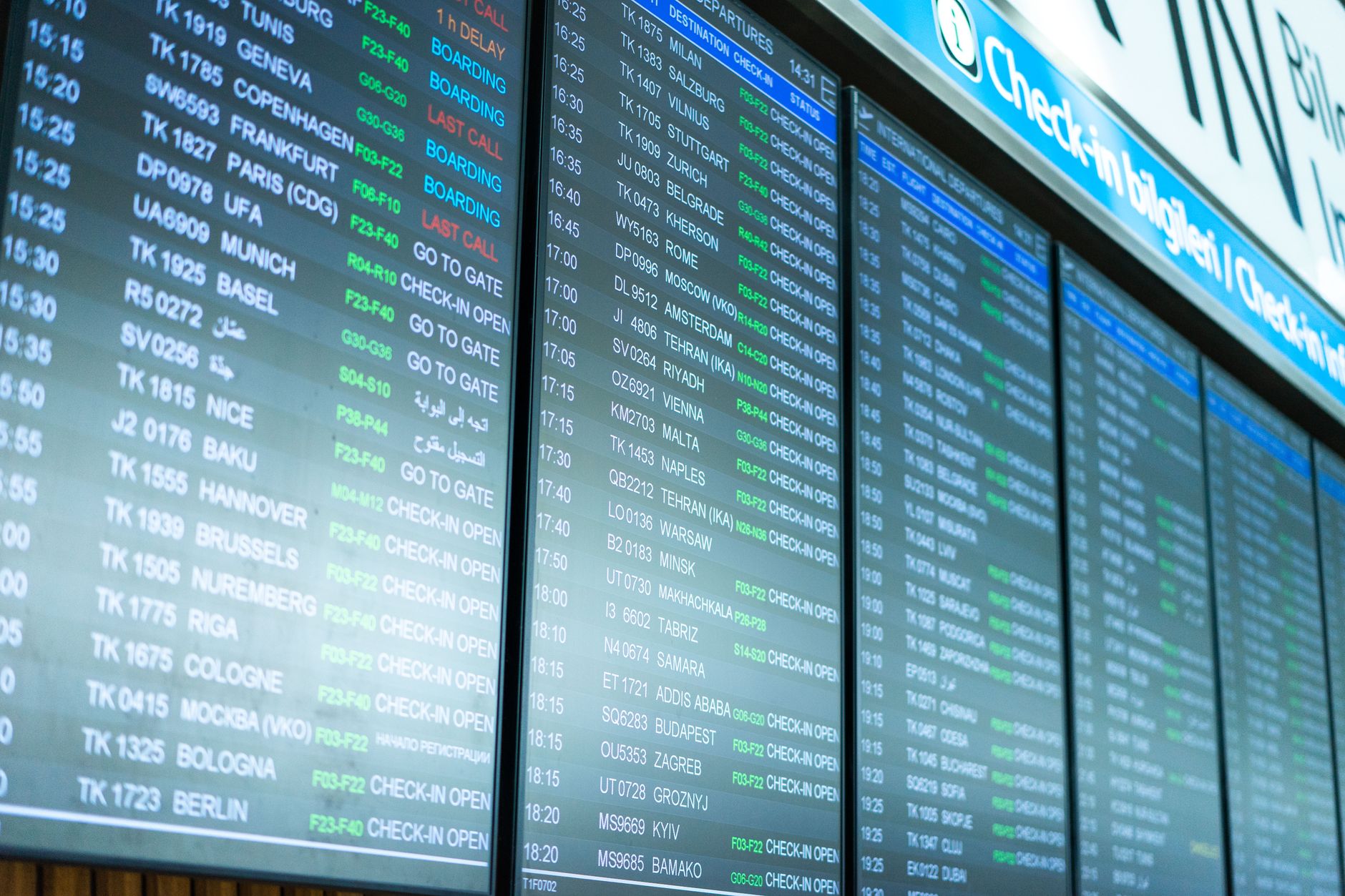
The booking data tells a different story. Travelers routinely fill trips with back-to-back activities, guided tours, multiple destination stops in a single week, and early wake-up times to catch sunrise views or beat crowds at popular sites, the exact opposite of the unstructured rest they described wanting beforehand. A common pattern among travel planners is booking more activities than the trip’s length can comfortably accommodate, then spending vacation time rushing between them rather than settling into any one of them.
Why the gap exists

Part of the answer is loss aversion applied to travel: once someone commits money and vacation days to a destination, the fear of leaving without having done enough tends to override the original intention to rest. A second factor is the social pressure explored in comparison research, a trip that produces fewer photos and stories can feel like a wasted opportunity even if it was genuinely more relaxing. A third factor is simple novelty bias: destinations offer so many one-time-only experiences that skipping any of them can feel like a permanent loss rather than a reasonable tradeoff for rest.
The trips that actually close the gap

Travelers who report the highest satisfaction after a trip tend to be the ones who built in deliberate slack, choosing fewer destinations, blocking off unplanned afternoons, and treating one or two must-do activities as sufficient rather than trying to maximize every day. That approach requires resisting the itinerary-maximizing instinct that shows up the moment booking actually begins, which is precisely the instinct that creates the gap in the first place.
- Stated vacation priorities consistently rank relaxation and stress relief above sightseeing and activity volume
- Actual booking patterns tend to overload itineraries with more activities than a trip’s length comfortably supports
- Loss aversion and fear of wasted opportunity often override the original intention to rest
- Trips with deliberate unscheduled time consistently report higher post-trip satisfaction
The gap between the vacation people say they want and the one they book isn’t really about not knowing what relaxation feels like. It’s about how hard that intention is to protect once money, limited days off, and a destination full of one-time-only experiences are all on the table at the same moment.
How limited vacation time specifically distorts the decision

American workers, who receive meaningfully fewer paid vacation days on average than workers in most other developed countries, face a specific version of this pressure that travelers elsewhere don’t experience as acutely. When a trip represents one of only one or two vacation windows available for the entire year, the psychological cost of choosing rest over activity feels disproportionately high, since there’s no upcoming second trip to fall back on if a bucket-list experience gets skipped.
That scarcity mindset pushes booking behavior toward maximization almost automatically. Travelers reason, often correctly given their actual vacation allowance, that if a destination’s key experiences aren’t captured on this trip, the opportunity may not come again for years, which makes an aggressive itinerary feel like the responsible choice rather than the anxious one.
The role of trip cost in overriding stated preferences

Once a trip requires a significant financial outlay, flights, hotels, and time off work all compound into a real cost that most travelers feel obligated to justify through activity volume. A $3,000 international trip that consists mostly of sitting by a pool can feel, in the moment of planning, like an inefficient use of that money, even though the traveler’s original stated goal was exactly that kind of rest.
What travel planners and researchers recommend instead

A commonly cited planning approach among travel researchers is limiting any single day to one anchor activity and treating everything else as optional, rather than building a schedule that assumes every waking hour should be programmed. That structure preserves the flexibility to rest without requiring a traveler to consciously decide, mid-trip, to abandon plans they already paid for and committed to.
- American workers receive fewer average paid vacation days than workers in most other developed economies
- Limited annual vacation windows push travelers toward itinerary maximization out of fear of a missed one-time opportunity
- High trip costs create pressure to justify spending through activity volume rather than rest
- Limiting each day to one anchor activity is a commonly recommended structure for preserving actual rest time
The vacation people say they want is genuinely what they want. The vacation they book is what limited time, real money, and the fear of wasting either one actually produces once the calendar and the credit card are both open at the same time.
Why this gap tends to repeat trip after trip

Even travelers who recognize the pattern from a previous overpacked trip frequently repeat it on the next one, because the underlying pressures, limited vacation days, real financial cost, fear of missing a rare opportunity, don’t disappear just because someone identified the pattern once. Breaking the cycle generally requires a deliberate structural change to how a trip gets planned, not just good intentions formed after the exhaustion of the last one.
Travelers who successfully shift toward more restful trips often report doing it gradually, cutting one or two activities from an itinerary at a time rather than attempting a complete overhaul, since the anxiety around wasted opportunity tends to resist an abrupt change in planning style.
The vacation someone actually needs and the vacation they feel obligated to prove was worth taking are frequently two different trips entirely, and closing that gap has less to do with willpower on any single trip than with slowly renegotiating what counts as a successful one in the first place.