Owensboro, Kentucky Barbecues Mutton Instead of Pork. Here’s Why, and Where to Eat It This Fall
We may earn money or products from the companies mentioned in this post. This means if you click on the link and purchase the item, I will receive a small commission at no extra cost to you ... you're just helping re-supply our family's travel fund.
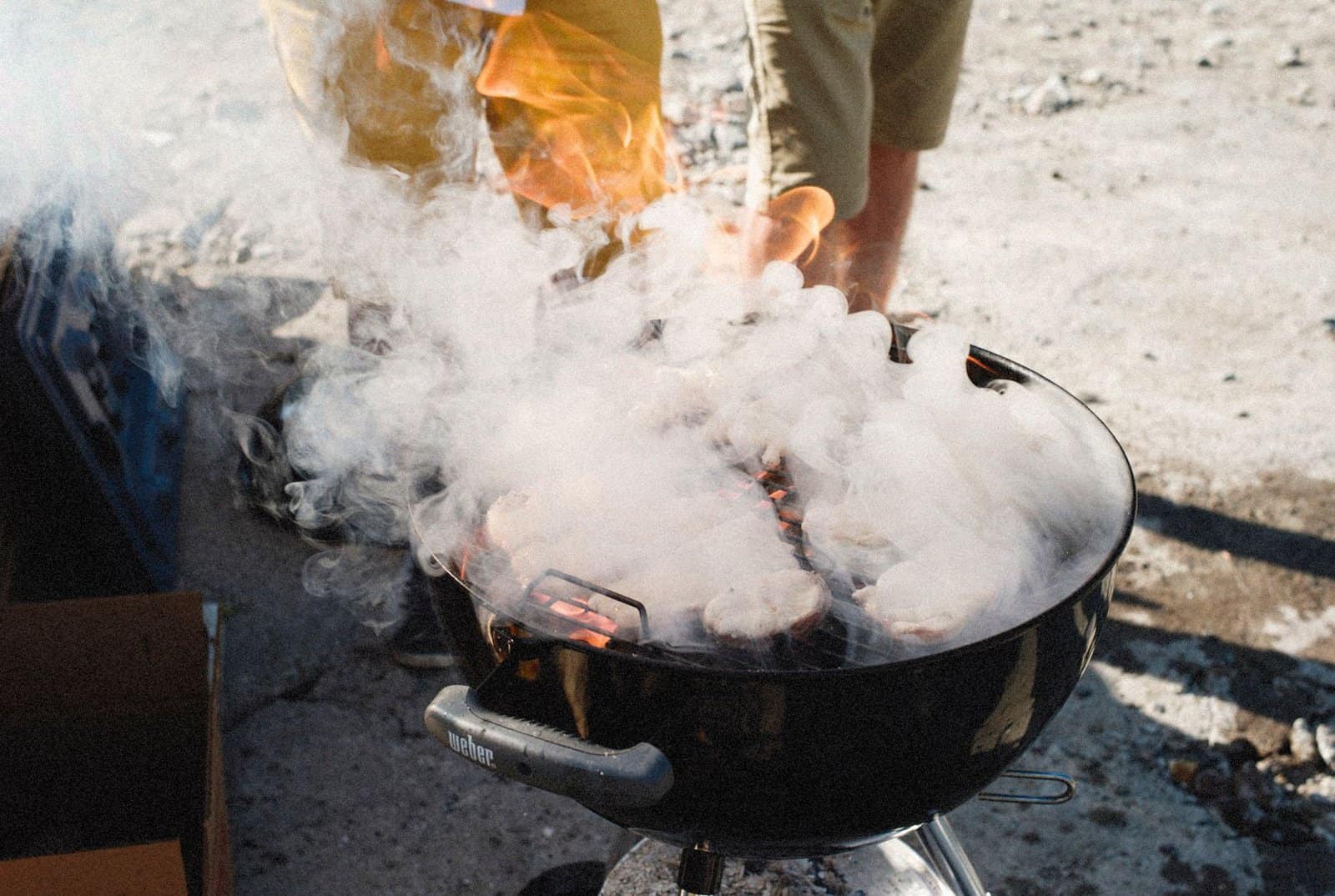
Most Southern barbecue towns argue about pork or beef. In Owensboro, Kentucky, the signature meat is mutton, which is meat from a sheep at least a year old. Owensboro mutton barbecue is slow-cooked over hickory, mopped with a thin, dark, vinegar-and-Worcestershire sauce called dip, and served chopped or sliced with a bowl of burgoo on the side.
Here is why: in the 1800s, Daviess County farmers raised far more sheep than cattle, mostly for wool. In 1860, county agricultural records showed 11,000 sheep compared with 6,750 beef cattle, according to Visit Owensboro. Older sheep were tough, so cooks slow-smoked them for hours. Catholic parishes then made barbecued mutton the centerpiece of their fundraising picnics because it was cheap, plentiful, and could feed huge crowds. The tradition stuck.
Why Owensboro Barbecues Mutton Instead of Pork
The short version is supply. Western Kentucky drew Welsh, Scots-Irish, and German settlers in the late 1700s and 1800s. Many raised sheep for wool. Some historians also point to an 1816 federal tariff that made domestic wool more profitable, which led to even larger flocks.
Sheep that stopped producing good wool still had value as meat, but it was tough and strong-flavored. Long, slow cooking over hickory coals broke down that toughness. An acidic mop of vinegar, salt, and pepper helped tenderize it and cut the gamey taste. Over time, that method became the local style.
Then came the churches. Catholic parishes in Daviess County held barbecue picnics as fundraisers, with records going back at least to the 1870s. Families brought sheep, cooking teams worked pits overnight, and whole communities turned out. Visit Owensboro says the first documented barbecue in the area was held in 1834, and political rallies used barbecue as early as 1844.
Other parts of the South moved to pork and beef as farming changed. Owensboro kept mutton because the parish picnics kept it in demand year after year. Today, the area still holds parish barbecue picnics from May through September, and local restaurants serve mutton every day.
What Makes the Style Different
Three things set Owensboro barbecue apart from what most travelers know.
- The meat. Mutton has a deeper, earthier flavor than lamb or pork. Chopped mutton is the classic order, and sliced mutton is leaner.
- The dip. Owensboro’s black dip is thin and dark, built on Worcestershire sauce and vinegar, often with pepper, lemon, and other seasonings. It is mopped on during cooking and served on the side.
- Burgoo. This thick stew is made with mutton, other meats, and vegetables like corn, potatoes, and lima beans. It simmers for hours and is served by the bowl or the quart.
Kentucky pitmasters tend to avoid sweet sauces on mutton. The point of the dip is to sharpen the meat’s flavor, not cover it.
Where to Eat Owensboro Mutton Barbecue This Fall
Parish picnic season ends in late September, so in October and November, restaurants are where you eat it. Three names come up again and again.
Moonlite Bar-B-Q Inn
Moonlite Bar-B-Q Inn has been run by the Bosley family since 1963 and sits on West Parrish Avenue. It is the best-known barbecue restaurant in town and draws visitors from across the country. The buffet lets first-timers try chopped mutton, sliced mutton, burgoo, pork, chicken, and sides in one sitting. Moonlite also sells dip and burgoo by the bottle and quart to take home.
If you only have time for one stop, this is the easiest introduction to the style. Go at an off-peak hour on weekends, since the dining room fills at lunch and dinner.
Old Hickory Bar-B-Q
Old Hickory traces its roots to 1918 and has been run by the Foreman family for generations. It sits on Washington Avenue. Owner John Foreman told the Owensboro Times that the restaurant cooks its mutton for about 22 hours over hickory before it is served.
Old Hickory is the pick for anyone who wants to taste a long family tradition. Order chopped mutton with dip on the side and a bowl of burgoo. The menu also includes ribs, pork, and chicken for anyone in your group who is not ready for mutton.
Ole South Barbeque
Ole South Barbeque is another local name Visit Owensboro lists among the places that keep mutton on the menu. It is a casual, counter-style spot where locals pick up plates and sandwiches.
It works well as a second stop if you want to compare styles. Every pitmaster uses a slightly different dip and cooking time, so trying two or three places is the best way to understand what makes Owensboro barbecue its own thing.
How to Order Like a Regular
A few tips help on your first visit.
- Start with chopped mutton. It is the most traditional order and the most forgiving if you are unsure about the flavor.
- Ask for dip on the side. Taste the meat first, then add dip to see how it changes.
- Get burgoo. Even if you skip mutton, burgoo is part of the experience.
- Try a sandwich. Mutton on white bread with pickles and onions is the classic handheld.
- Take some home. Many restaurants sell frozen mutton, burgoo, and bottled dip.
If mutton is not for you, every place on this list serves pork, chicken, and beef as well.
The International Bar-B-Q Festival and Parish Picnics
If you love what you taste, plan a return trip for spring. Owensboro’s International Bar-B-Q Festival began in 1978 and is held in May. Visit Owensboro says cooking teams prepare as much as ten tons of mutton, thousands of chickens, and huge batches of burgoo, with teams often representing Catholic churches and civic groups.
The festival kicks off picnic season. Kentucky Living reports that about 22 Catholic parishes in the Owensboro area host barbecue picnics from May through the end of September, all within roughly 45 minutes of downtown. Schedules are available through the visitor center. These picnics are the most authentic way to eat Owensboro barbecue, with cooking teams who have worked the pits for decades.
Beyond Barbecue in Owensboro
Owensboro sits on the Ohio River in western Kentucky, and late fall is a good time to explore beyond the plate.
- The riverfront has a long, landscaped park with walking paths, fountains, and views of the Glover Cary Bridge.
- The Bluegrass Music Hall of Fame and Museum tells the story of bluegrass, which has deep roots in the region.
- The Owensboro Museum of Fine Art and the Owensboro Museum of Science and History round out a day downtown.
- Holiday lights and riverfront events often start after Thanksgiving.
Owensboro is about two hours from Louisville and Nashville, and about 40 minutes from Evansville, Indiana. It is an easy stop on a road trip through western Kentucky.
What Burgoo Actually Is
Burgoo is the other half of an Owensboro barbecue meal. It is a thick stew that cooks for hours, traditionally in big iron kettles at parish picnics. Recipes vary by cook, but most include mutton, chicken or other meats, and vegetables like corn, potatoes, tomatoes, cabbage, and lima beans. The long cooking time breaks everything down into a hearty, almost gravy-like texture.
Burgoo has pioneer roots and shows up at Kentucky gatherings beyond Owensboro, but Daviess County treats it as essential. Restaurants sell it by the bowl, the pint, and the quart. If you are not sure about mutton, burgoo is the easiest way to taste it, since the meat blends into the stew.
Taking Owensboro Barbecue Home
Owensboro barbecue travels well if you plan ahead. Several restaurants sell frozen mutton, burgoo by the quart, and bottled dip. Bring a cooler with ice packs if you are driving more than a few hours.
When you reheat mutton at home, warm it slowly with a splash of dip to keep it moist. Burgoo reheats easily on the stove. A bottle of dip also works on chicken and pork, so it is a good souvenir even if you never cook mutton yourself.
A Day in Owensboro Built Around Barbecue
A simple plan for a late-fall visit:
- Lunch at Old Hickory Bar-B-Q, with chopped mutton and burgoo.
- An afternoon at the Bluegrass Music Hall of Fame and Museum.
- A walk along the riverfront as the sun sets over the Ohio River.
- Dinner at Moonlite Bar-B-Q Inn, where the buffet lets you compare cuts and sides.
That gives you two takes on the same tradition in one day, with time to see the town between meals.
Why the Tradition Has Lasted
Barbecued mutton faded from most American menus in the 1900s as farming changed and sheep became less common. Owensboro held on because the tradition was tied to churches, families, and community events, not just restaurants. Every summer, parish cooking teams teach the next generation how to tend the pits and mix the dip.
Local pitmasters have told reporters that keeping younger diners interested is a challenge. That makes a visit feel more meaningful. When you order chopped mutton and burgoo in Owensboro, you are eating a dish that has survived for nearly two centuries because a community kept cooking it for each other.