Galveston Is Houston’s Beach. Here’s What the Trip Actually Looks Like — And Why Some People Drive Past It
We may earn money or products from the companies mentioned in this post. This means if you click on the link and purchase the item, I will receive a small commission at no extra cost to you ... you're just helping re-supply our family's travel fund.
Galveston Island sits 50 miles south of Houston and functions as the beach for one of the most car-dependent major cities in America. On summer weekends, 7 million Houston-area residents can potentially hop in a car and end up on the same seawall. Understanding what Galveston offers — and what it doesn’t — determines whether you leave satisfied or wondering why you went.
What Galveston Actually Is
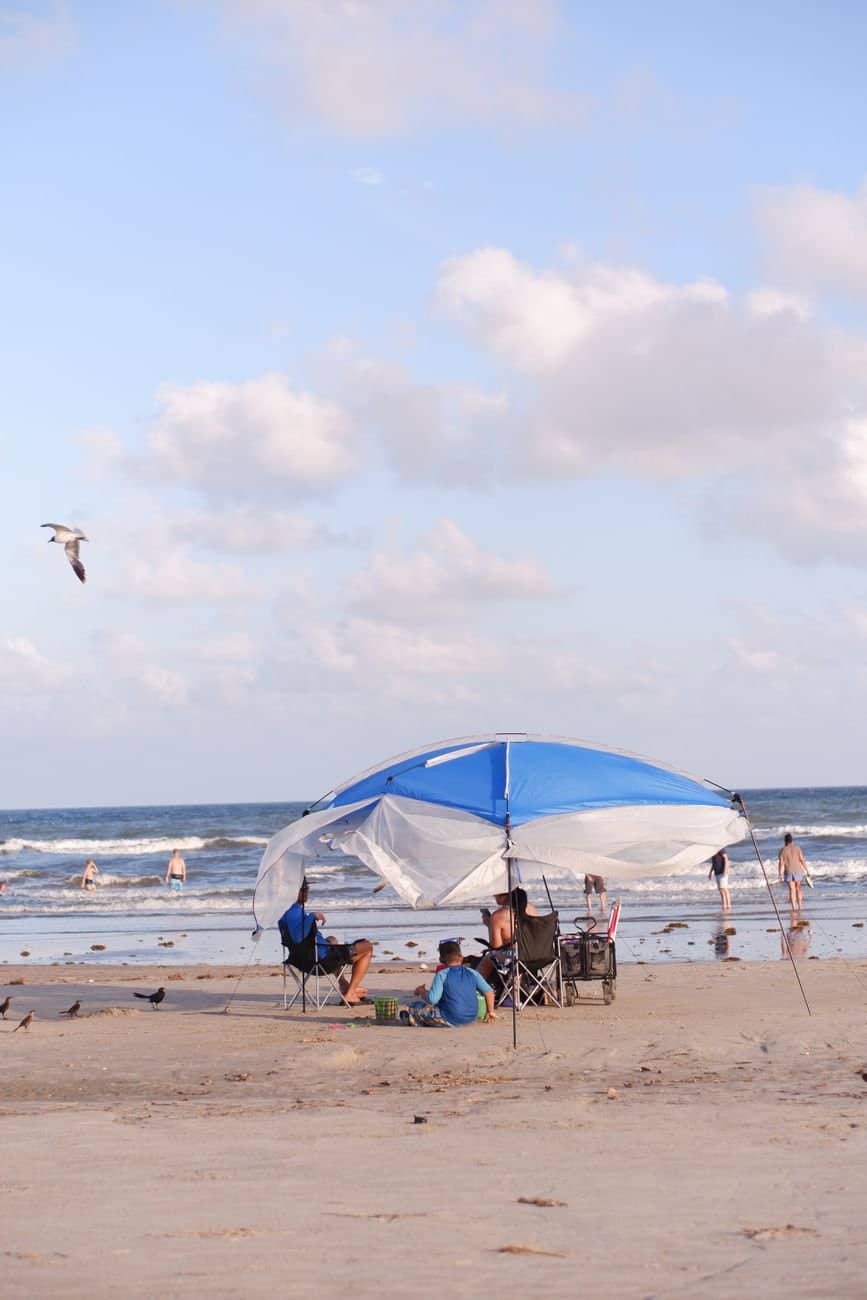
Galveston is a barrier island with 32 miles of Gulf Coast beach, a historic Victorian downtown called the Strand, and a culture shaped by the deadliest natural disaster in US history — the 1900 hurricane that killed an estimated 6,000–12,000 people and prompted construction of the seawall that defines the island’s Gulf-side geography. The history is real and the Strand District is one of the most intact Victorian commercial districts in Texas, which makes Galveston more interesting than pure beach-and-sun descriptions suggest.
The Gulf of Mexico water on the Galveston side is not the blue-green of the Florida Panhandle. The Gulf near Galveston runs murky green to brown because of the Mississippi River sediment that the currents carry along the Texas coast. This is not pollution — it’s geology — but it’s a meaningful difference from the Emerald Coast aesthetic that many visitors expect from “Gulf of Mexico beach.” People who know what Galveston is go for the city as much as the water. People who expect Florida-style water may be surprised.
What Galveston Does Well
The Strand Historic District:
The 36-block Victorian commercial district has been preserved and houses galleries, restaurants, boutiques, and the Texas Seaport Museum (home to the 1877 tall ship Elissa — the third-oldest active sailing vessel in the world). Walking the Strand is a genuine cultural experience, not a pier-and-souvenir-shop tourism experience, and it sets Galveston apart from most beach town day-trip destinations on the Gulf Coast.
Galveston Island State Park:
On the western end of the island, the state park has both bay and Gulf beach access with bird watching along one of the most active shorebird migration corridors on the continent. The birding can be spectacular during spring and fall migration, with species counts that draw serious birders from across the country.
What It Costs and When to Go
Accommodation:
- Seawall beachfront hotel: $180–$280/night in summer
- Historic East End B&B or inn: $140–$210/night
- Off-season (November–February): rates drop 30–40%; weather is mild (60s–70s), crowds are gone
The honest timing advice:
- Best visits: October–November for weather, crowds, and prices simultaneously improving
- Summer weekends: extremely crowded on the seawall, I-45 is backed up from Houston on Friday afternoons
- Avoid: hurricane season August–September, when the Gulf is warmest but storm risk is highest
Galveston is what it is — a Gulf Coast city with real history, not-clear water, excellent Victorian architecture, and a seawall that turns the beach into an urban experience. For Houston visitors wanting a beach day in reasonable proximity, it delivers. For travelers planning a dedicated beach destination, the Florida Panhandle or South Padre Island offer clearer water at comparable distances from different Texas cities. Understanding the difference before you book shapes whether you leave happy.
Galveston’s Specific Strengths as a Beach Destination
Galveston’s unique position is that it’s simultaneously a serious historical city — the Strand Historic District has the highest concentration of 19th-century commercial architecture in Texas, built in the years when Galveston was the largest city in Texas and the primary port of the state — and a Gulf of Mexico beach town with the full resort strip along the seawall. The two Galvestons coexist in a way that Houston visitors don’t always know to expect: the Strand’s Victorian iron-front buildings and working-class immigrant history exist in direct counterpoint to the seawall’s souvenir shops and beach rentals.
The Galveston Island State Park, at the western end of the island, provides 2,000 acres of Gulf beach, bay shoreline, and coastal prairie that’s preserved outside the commercial resort strip. Birding in the bayside wetlands within the park is excellent during spring migration (April–May), when the park sits on the Central Flyway and sees diversity that birders drive specifically for. The park is $5/person and the beach access within it is significantly less crowded than the seawall area. For Houston families who treat Galveston as the default beach weekend, the State Park end of the island is often a revelation.