What Airlines Won’t Tell You About Basic Economy — And the 6 Situations Where It’s Actually the Right Choice
We may earn money or products from the companies mentioned in this post. This means if you click on the link and purchase the item, I will receive a small commission at no extra cost to you ... you're just helping re-supply our family's travel fund.
Basic economy fares have become the whipping boy of travel writing. The restrictions are real, the fees can be punishing, and the experience is deliberately worse than what the same airline offers 10 seats back for a modest price difference. All of that is true. So is this: there are specific situations where basic economy is exactly the right choice, and travelers who reflexively avoid it leave real money on the table.
What Basic Economy Actually Is
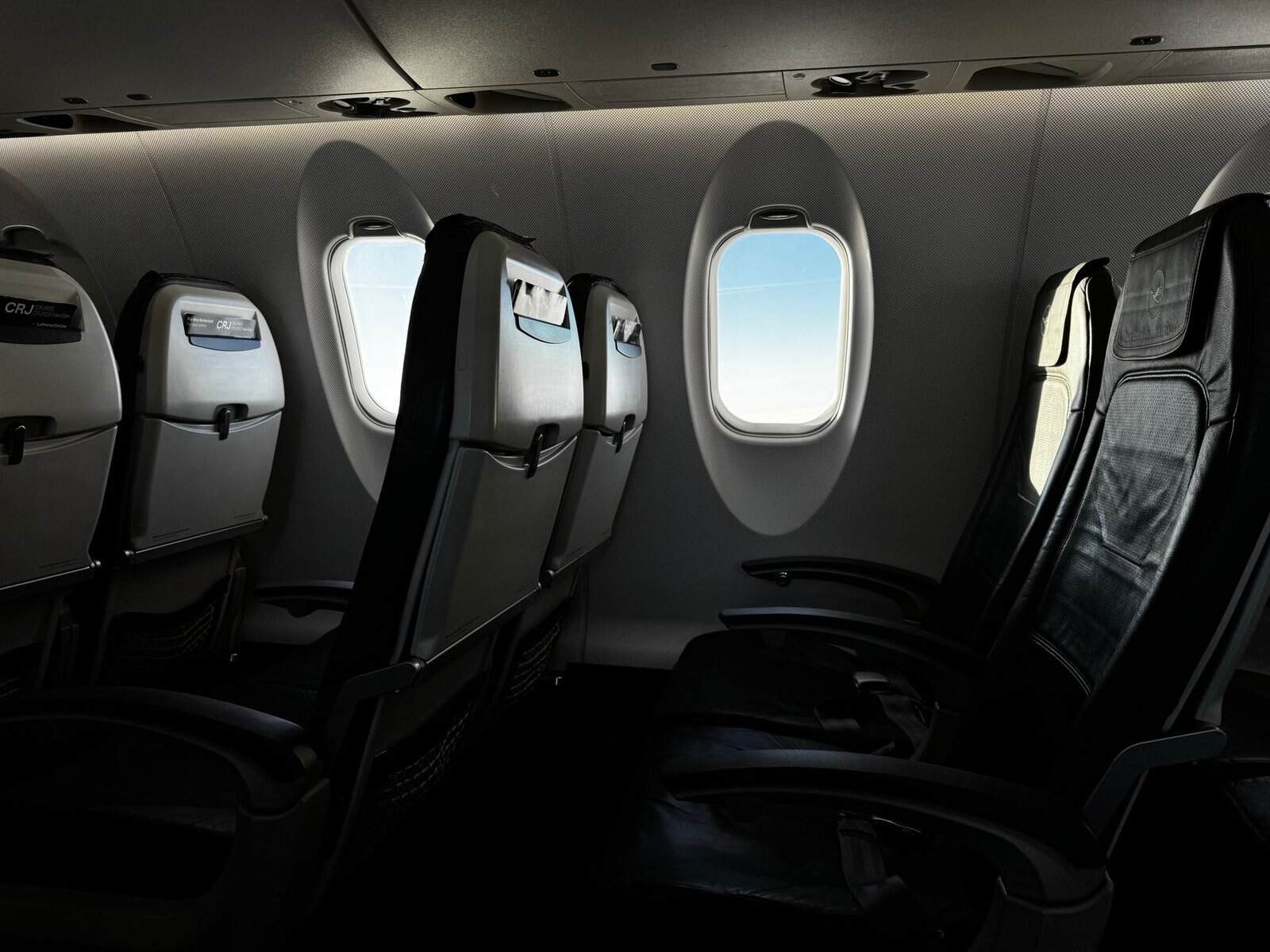
Basic economy is the lowest published fare class, designed to compete with ultra-low-cost carriers on price while maintaining the carrier’s revenue from bag fees and seat selection. The restrictions vary by airline but generally include: no carry-on bag allowed overhead (personal item under the seat only on many carriers), no seat selection until check-in, last boarding group, no same-day flight changes, and no upgrades. On Delta, basic economy allows a carry-on on most routes — a meaningful distinction. On American and United, the carry-on restriction is real.
The 6 Situations Where Basic Economy Is the Right Call
1. You’re traveling with nothing but a backpack that fits under the seat
The basic economy pitch is built for the traveler who packs a personal item only. If you can fit everything you need for your trip under the seat in front of you, basic economy is often $30–$80 cheaper than main cabin for the same seat. That savings is real and the experience is identical once you’re sitting down.
2. The flight is 90 minutes or less and you don’t care where you sit
On a 70-minute hop, the middle seat you might get assigned at check-in matters less than on a 5-hour transcontinental. The boarding-group disadvantage means you board last, but on a short flight with minimal luggage you’re seated in 4 minutes either way.
3. Your trip dates are completely fixed and you have no flexibility needs
Basic economy’s no-change and no-refund restrictions only matter if you need to change. If you’re flying to a wedding on a specific date with a return that can’t move, the flexibility you’re giving up has no value — and you shouldn’t pay for it.
4. You hold an airline credit card that waives the carry-on restriction
Some co-branded airline credit cards grant carry-on bag permission even on basic economy fares. Check your card’s terms — if your card waives the overhead bin restriction, basic economy becomes essentially main cabin at the basic economy price.
5. You’re a solo traveler who doesn’t need to sit with anyone
The random seat assignment at check-in is only a problem if you need to sit next to a specific person. Solo travelers who are indifferent to window vs. middle vs. aisle can typically accept the assignment with no loss.
6. You have elite status that upgrades basic economy restrictions away
Elite status on some carriers grants complimentary upgrades that apply to basic economy bookings, or at minimum waive the bag and seat restrictions. An elite traveler who books basic economy and gets the same carry-on treatment and early boarding as main cabin has bought an upgrade for free.
Basic economy is a trap for the traveler who doesn’t know the restrictions, needs flexibility, or plans to bring a full-size carry-on. It’s the right choice for the six situations above, and recognizing which situation you’re in before booking is the difference between a smart fare purchase and an expensive lesson in reading the fine print.
Basic Economy Versus Spirit — The Practical Comparison
The comparison that most travelers should make before booking is not basic economy versus main cabin on a legacy carrier — it’s basic economy on a legacy carrier versus Spirit/Frontier with a carry-on added. In most markets, they land within $20–$40 of each other at comparable total cost. The difference is in the experience variables: Spirit and Frontier’s seats are harder and pitched more tightly than the legacy basic economy seats; their on-time performance is statistically worse; their cancellation and delay recovery procedures have less operational infrastructure. Legacy basic economy gives you a worse boarding experience than main cabin but a better operational experience than Spirit in most measurable categories.
The one scenario where Spirit wins clearly: a 4-day trip where you’re packing one personal item, flying a route where Spirit has direct service and the legacy carriers don’t, and the base fare is more than $60 below comparable legacy basic economy. This scenario exists. It’s not the majority of itineraries. For the travel pattern that fits it — minimal luggage, direct route, no change risk — Spirit is the right answer at the right price.