Fargo Has a Median Home Price of $290,000. Here’s Why Young Families Are Actually Moving There
We may earn money or products from the companies mentioned in this post. This means if you click on the link and purchase the item, I will receive a small commission at no extra cost to you ... you're just helping re-supply our family's travel fund.
Fargo, North Dakota has a population of about 130,000 people, a median home price that would be considered laughably affordable in most coastal markets, and a downtown that has been described — by people who have actually walked through it — as more functional and pleasant than many mid-size cities twice its size. It is also extremely cold, extremely flat, and extremely far from everywhere else. For a specific group of Americans — primarily younger families priced out of coastal and mountain-west cities — the trade-off is increasingly looking favorable.
What Fargo Is Actually Like — Beyond the Movie and the Cold
The Coen Brothers movie gave Fargo a cultural identity that the city has both embraced and spent three decades gently correcting. The film wasn’t even set in Fargo — most of the action was in Brainerd, Minnesota. The actual Fargo is a genuine small city with North Dakota State University at its core, a thriving healthcare sector, and an economy that largely bypassed the 2008 recession because it was fueled by the Bakken oil patch and agricultural processing rather than real estate speculation.
The Numbers That Drive the Decision
- Median home price: approximately $290,000–$320,000 as of 2025
- North Dakota has no state income tax
- Unemployment rate: consistently below the national average
- Average commute time: under 15 minutes — Fargo is small enough that traffic is a minor inconvenience at worst
- School district quality: West Fargo and the Fargo school districts both rank above the national average
What Fargo’s Downtown Has Become
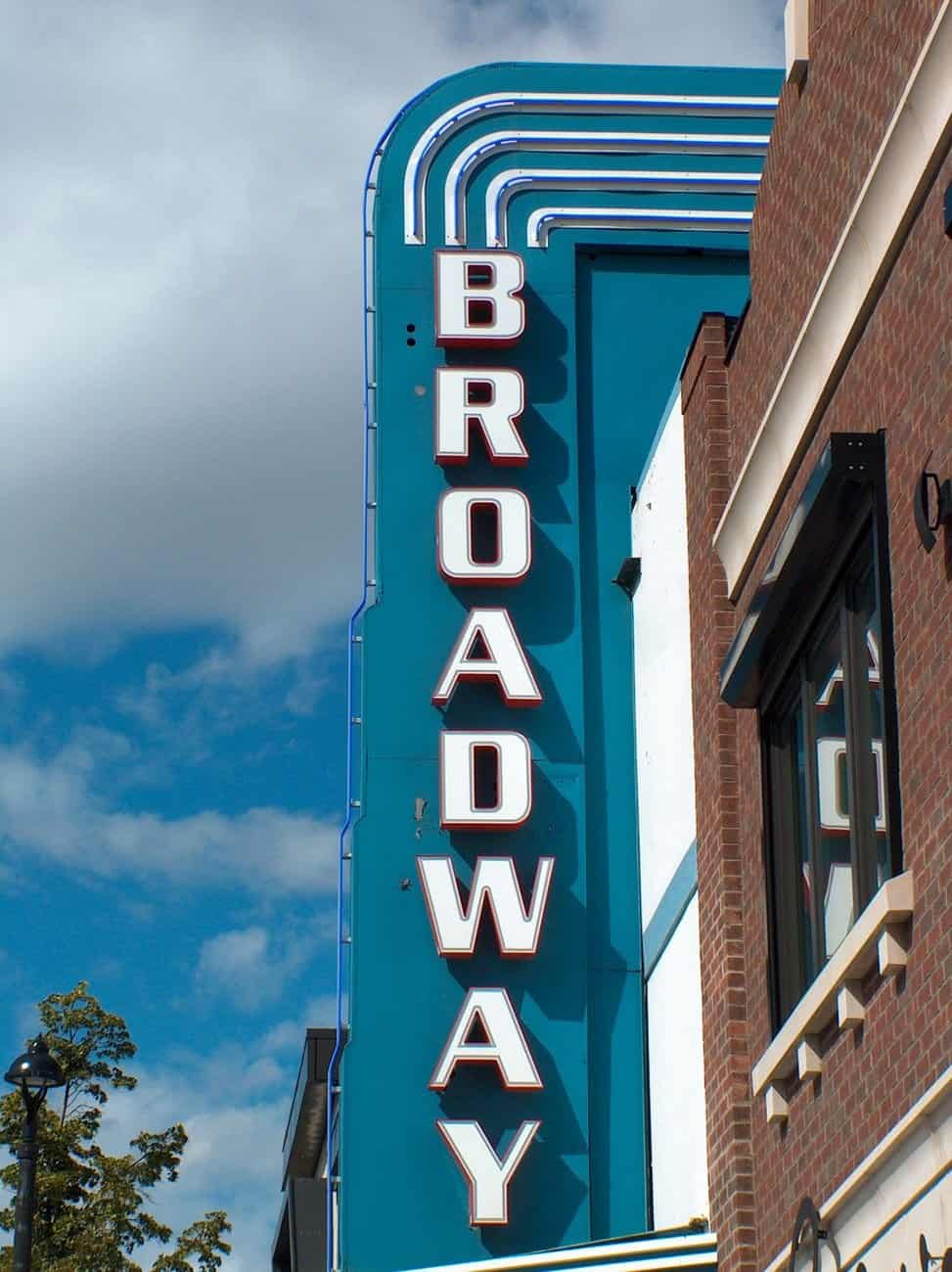
Fargo’s downtown Broadway corridor has undergone significant investment over the past 15 years — not the manufactured kind, but the organic kind that comes from a young population with disposable income and nowhere else to be. The Fargo-Moorhead metro area has more breweries per capita than most cities its size. The downtown dining scene has genuine breadth. The Fargo Theatre, a restored 1920s movie palace, anchors the cultural calendar. The summer street festival circuit — Fargo Street Fair, Fargo Moorhead Pride, the Fargo Film Festival — gives the city a social calendar that surprises people who expect a sleepy prairie town.
The Winter That Isn’t Negotiable
Fargo winters are not a soft deterrent — they are a genuine filter. January average lows are around -5°F. Wind chill regularly reaches -30°F. The Red River flood risk in spring is a recurring structural challenge. Blizzards close schools and roads. Long-term Fargo residents build their social and recreational lives around indoor winter activities — and there’s an entire seasonal culture around winter here that functions well once you’re inside it. But pretending this is manageable without real psychological and logistical preparation would be dishonest. Visit in February before you decide to move in March.
Fargo is not for everyone. It’s for people who have genuinely run the numbers and concluded that owning a four-bedroom house for $300,000 in a functional small city with excellent schools and no state income tax is worth North Dakota winters. A growing number of people are making exactly that calculation — and finding that the city they arrive in is substantially more livable than the movie suggested.