I Talked to 15 People Who Got Sick Abroad — The Same Preparation Mistake Kept Coming Up
We may earn money or products from the companies mentioned in this post. This means if you click on the link and purchase the item, I will receive a small commission at no extra cost to you ... you're just helping re-supply our family's travel fund.
Getting sick abroad doesn’t need to be a catastrophe. For the 15 travelers I spoke with who experienced medical emergencies or significant illness in foreign countries, the outcomes ranged from mildly inconvenient to genuinely traumatic — and the difference almost always came down to a single question: had they set up medical care arrangements before they left, or were they figuring it out in crisis?
What Separates a Manageable Medical Emergency Abroad From a Disaster
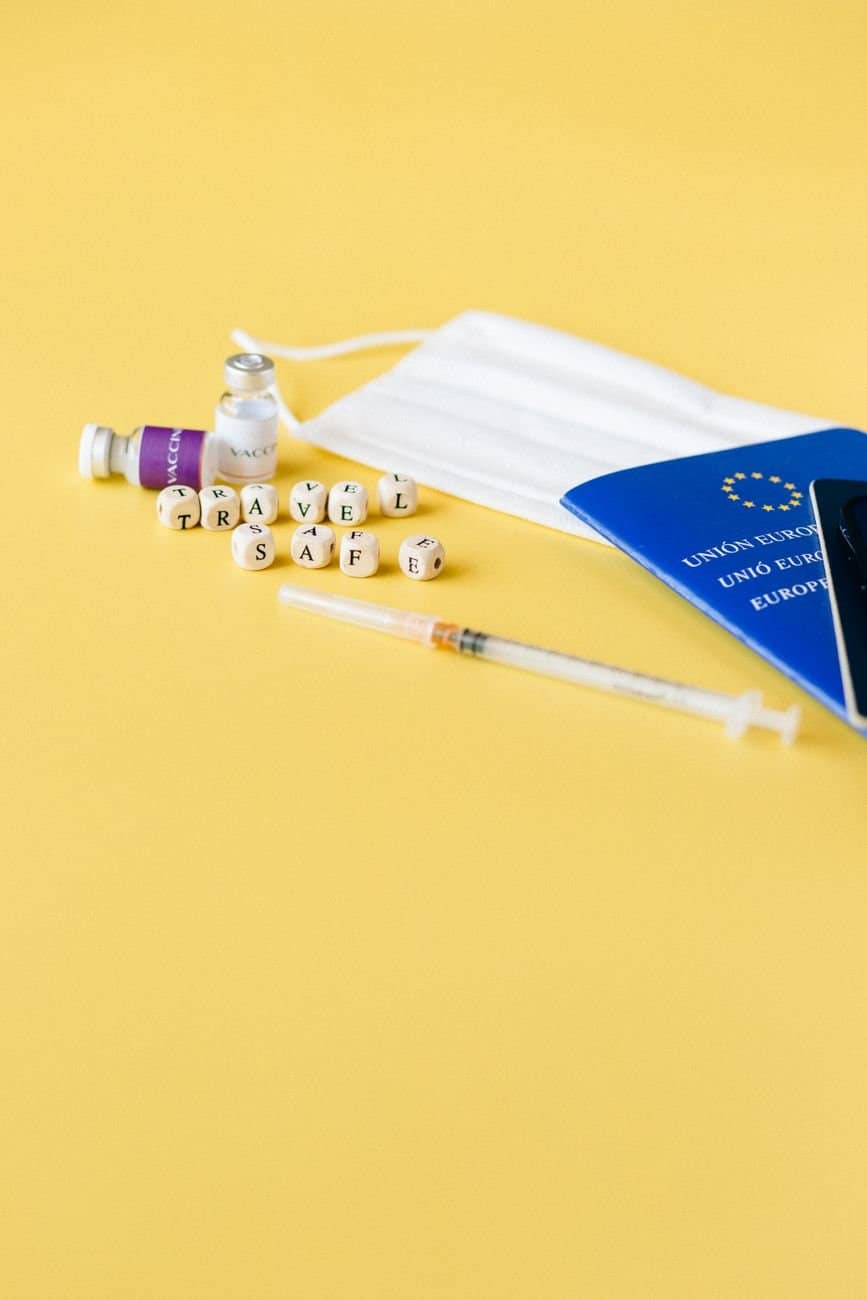
The preparation mistake is specific: most travelers check whether their domestic health insurance covers them abroad, discover that it does not or does so minimally, and then do nothing further. They arrive in a foreign country with no plan for where to go if they get sick, no understanding of how the local medical system works, no emergency contact number for a medical assistance service, and no travel health insurance. When something happens, they improvise — and improvisation in a foreign healthcare system, often in a foreign language, while sick or injured, is reliably expensive and often delays necessary care.
What Adequate Preparation Actually Looks Like
Travel health insurance with medical evacuation coverage. Standard travel insurance medical coverage pays for treatment in the country you’re in. Medical evacuation insurance covers the cost of transporting you back to the US or to a higher-level care facility if needed. An air ambulance from Southeast Asia to the US costs $50,000–$150,000 without coverage. With a comprehensive policy, it costs your deductible. GeoBlue, IMG Global, and Allianz are commonly used providers for international coverage.
A written list of medications in generic form. Brand-name medications may not be available in every country. Knowing the generic name (metoprolol, not Lopressor; sertraline, not Zoloft) allows a foreign pharmacist to find an equivalent. This information should be on paper, not only on your phone.
The location of the nearest quality hospital to every place you’re staying. Google this for each destination before you arrive. International SOS maintains a directory of accredited facilities globally. Knowing the answer to “where do I go?” in advance eliminates a decision point when you’re least capable of making decisions clearly.
The Stories That Illustrate Why This Matters
- A traveler in Thailand with appendicitis reached an excellent private hospital in Bangkok within an hour because she had researched the facility in advance. Surgery and two nights of post-op care totaled under $3,000, covered by her travel insurance
- A traveler in rural Mexico with the same condition spent four hours navigating to an appropriate facility because he didn’t know where to go. The delay was not medically catastrophic — but it was preventable
- A retired couple in Southeast Europe needed medical evacuation when a cardiac event required a level of care not available in the nearest local hospital. Their evacuation was covered; the couple who was traveling with them, with the same itinerary but no evacuation coverage, would have faced a $75,000 bill
The Specific Checklist
- Purchase travel health insurance with medical evacuation — minimum $50,000 emergency evacuation coverage for any developing world destination
- List all medications with generic names, dosages, and prescribing conditions on a physical document
- Note the nearest accredited hospital to each lodging before arrival
- Write down the emergency number for your insurance company’s assistance line — it’s not always 911
- For trips longer than two weeks to developing countries, visit a travel medicine clinic before departure for destination-specific vaccinations and prophylactic medications
None of this takes more than a few hours and costs, in total, $50–$200 for most trips. The alternative cost — financial, logistical, and health-related — doesn’t require calculating. The travelers who got sick and had a manageable experience consistently had the same answer when I asked what made the difference: they had prepared before something happened, not after.