Why Solo Travelers Pay More Per Night—and How to Keep Your Trip Budget in Check
We may earn money or products from the companies mentioned in this post. This means if you click on the link and purchase the item, I will receive a small commission at no extra cost to you ... you're just helping re-supply our family's travel fund.
Solo travelers pay more because hotels, rental cars and most tours are priced per unit, not per person. A room that costs $180 a night costs $180 whether one person or two sleep in it, which means a solo traveler carries the whole bill that a couple would split down the middle. That quiet math is why a one-person trip can feel oddly expensive even when nothing about it is extravagant.
The gap is bigger than most people expect. A traveler sleeping alone in a $180 room pays $180 per head, while a pair pays $90 each. Add a $55-a-day rental car, a $14 airport transfer that does not drop for a second rider, and a restaurant table that still requires a drink and an entree, and the same itinerary can run 30 to 50 percent more per person for the solo traveler. The rest of this article explains where the premium comes from and how to shrink it.
Why Solo Travelers Pay More Per Night
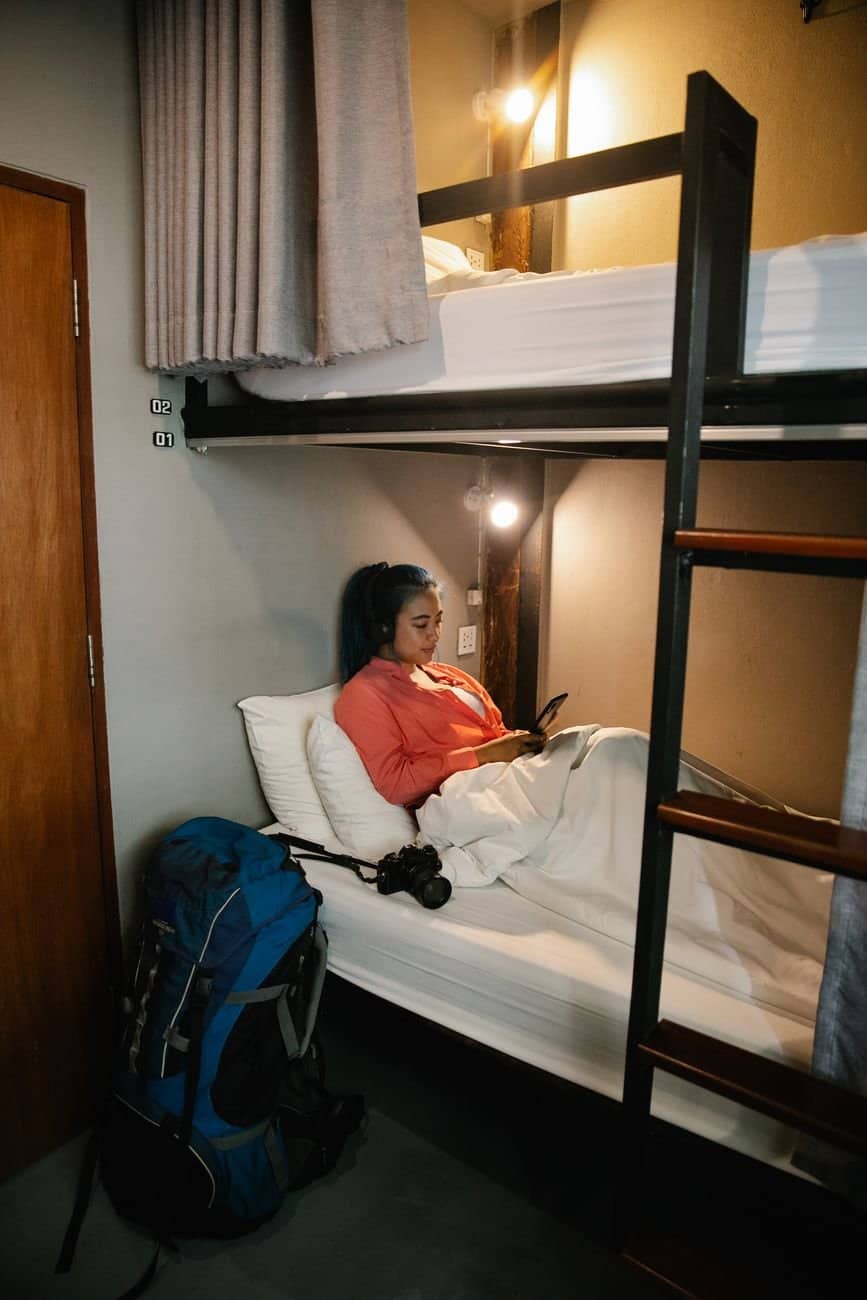
Hotels sell rooms, not beds. A standard room in a mid-priced U.S. hotel usually lists between $130 and $250 a night depending on city and season, and that rate assumes double occupancy. Housekeeping, laundry, front-desk labor, the lease on the land and the utilities all attach to the room itself. Whether the second pillow gets used makes almost no difference to the hotel’s cost, so it has no reason to discount the first guest.
Most hotels do not have a true single rate anymore. A handful of chains in Europe and Asia still price a single-occupancy room slightly below a double, often by 10 to 20 percent. In the United States, the usual practice is the opposite: the posted rate covers up to two adults, and extra guests are charged a fee. The solo traveler is simply paying the base rate with an empty seat beside them.
Cruise lines and tour operators make the penalty explicit. A single supplement on a guided tour or cruise cabin commonly adds somewhere between 50 and 100 percent to the per-person price, because the cabin was priced for two. Some operators waive or reduce it during slow seasons, and a few offer small solo cabins, but the surcharge is the norm rather than the exception.
Where the fixed costs hide
The room is only the most visible fixed cost. Several others behave the same way:
- Rental cars are priced per day, so one driver pays the whole $45 to $90 daily rate, plus insurance and fuel.
- Taxis and ride-share fares are per vehicle, so splitting a $35 ride across two people costs each $17.50 while a solo rider pays the full amount.
- Private guides, boat charters and day-trip vans often quote a flat price for the vehicle or group, commonly $150 to $400 for a half day.
- Resort fees and parking, which can add $20 to $50 a night, are charged per room or per car.
- Restaurant portions and bottles of wine are built for sharing, which makes ordering a reasonable amount of food harder for one person.
None of this is a scam. It is how a business with high fixed costs and low marginal costs prices a product. But it does mean a solo budget needs different assumptions than a couples budget, and it is worth building those in before you book.
What the Premium Actually Looks Like
Consider a five-night trip to a mid-sized city with a mid-range hotel at $170 a night, a rental car at $60 a day, and three tours at an average of $90 each. For two people sharing a room, the lodging is $425 each, the car is $150 each, and the tours are $270 each, for $845 per person before food.
For a solo traveler, the same lodging is $850, the car is $300, and the tours are $270, for $1,420. That is $575 more, or roughly 68 percent higher. The tours did not change because they are priced per ticket. The room and car did, because they are priced per unit. Notice that only the pieces priced per unit carry the penalty, which tells you where to look for savings.
Food is the one category where solo travelers sometimes come out ahead. One person can eat at a counter, order a single dish, or build a meal from a market and rarely pays for a second entree. A solo traveler who spends $45 a day on food might spend the same amount per head as a pair spending $90 combined. The premium is concentrated in lodging and transport.
Seven Ways to Shrink the Solo Premium
The goal is not to pretend the premium away. It is to move your spending from per-unit costs to per-person costs, where you are charged for what you actually use.
- Choose hostels with private rooms, small boutique hotels with true single rooms, or pods and micro-hotels that price for one. In many cities a private hostel room runs $60 to $110.
- Stay in a location where you can skip the car. A central hotel at $200 that lets you walk or use transit can beat a $140 hotel on the edge of town plus $60 a day for parking and a rental.
- Book mid-week. Business-oriented hotels often drop rates on Friday and Saturday nights, and leisure-oriented hotels drop them Sunday through Thursday. Choosing the right night for the right kind of hotel can cut 20 to 30 percent.
- Ask about single rates directly. Smaller inns, bed-and-breakfasts and family-run hotels frequently have discretion that online booking engines do not show.
- Use per-seat tours instead of private ones. Group departures and shuttle services charge by the seat, so the solo traveler pays the same price as everyone else.
- Join a group departure with solo-friendly pricing. Some small-group operators waive the single supplement or match solo travelers with a roommate.
- Consider longer stays. Weekly and monthly rates at apartment hotels and rentals often fall 15 to 40 percent below nightly rates.
Does a Central Location Pay for Itself?
A common solo-travel instinct is to pick the cheapest room and live with the commute. For one person, that instinct often backfires. A $120 room 40 minutes from the center, paired with $25 in daily transit or ride-share costs and an hour and a half lost to commuting, usually costs more in practice than a $165 room you can walk from.
Central locations also matter for safety and flexibility. If you are traveling alone, you will probably make more spontaneous decisions about when to return to your room, and being able to walk back late at night, or step in for a rest in the afternoon, has real value. That is not a reason to overspend. It is a reason to count transport costs and time as part of the lodging price before comparing options.
A simple rule works well: add the daily transport cost, plus a rough value on your time, to each hotel’s nightly rate before comparing them. A hotel that looks $45 more expensive often turns out to be cheaper once the car, parking or rides are included.
Planning a Solo Budget That Holds Up
Start by dividing your trip costs into two columns: per-unit and per-person. Per-unit items include the room, the rental car and private transfers. Per-person items include tickets, meals, museum entry and transit passes. For a couples trip, the per-unit column is divided by two. For yours, it is not, so it deserves the most scrutiny.
Then set a lodging ceiling before you search. Many solo travelers find that capping lodging at around 40 percent of the total trip budget keeps them from over-optimizing for a room and under-spending on the experiences they came for. If the ceiling is $120 a night and the destination’s mid-range rooms start at $200, that mismatch tells you the destination or the season is wrong for the budget, which is useful information before any money is spent.
Finally, hold a small cushion for the solo-specific costs people forget: the occasional ride home after dark, a single-supplement fee on one excursion, or a meal at a table that is more expensive than a counter seat. A cushion of 10 to 15 percent usually covers it.
What to Check Before You Book
Prices and policies change, so verify the details at the time you book:
- Whether the posted rate is per room or per person, and whether extra-person fees apply.
- The single supplement on any tour or cruise, and whether it is waived on certain departure dates.
- Resort fees, parking fees and taxes that are added at checkout.
- Cancellation windows, since solo travelers have no one to split a loss with.
- Whether the property offers single rooms, shared common spaces or social events that make the cost feel worthwhile.
Solo travel is not inherently more expensive in every category, and it often buys things a shared trip cannot: control of the schedule, freedom to change plans, and the ability to say yes to an unexpected invitation. The price of that freedom is real, though, and most of it lands on the room and the car. Treat those two lines as the part of the budget you shop hardest, and the rest of the trip tends to fall into place.