Spokane Is 280 Miles From Seattle — And That’s Exactly Why It Works
We may earn money or products from the companies mentioned in this post. This means if you click on the link and purchase the item, I will receive a small commission at no extra cost to you ... you're just helping re-supply our family's travel fund.
In Washington State, the conversation usually starts and ends with Seattle. Spokane — the second-largest city in the state, with a metro population of about 600,000 — is often treated as a distant afterthought despite having a downtown that works, a natural setting on the Spokane River that provides genuine beauty, and a cost of living that makes Seattle look like Manhattan. The 280 miles between them is a feature, not a bug.
What Spokane Actually Is — and Why It Works on Its Own Terms
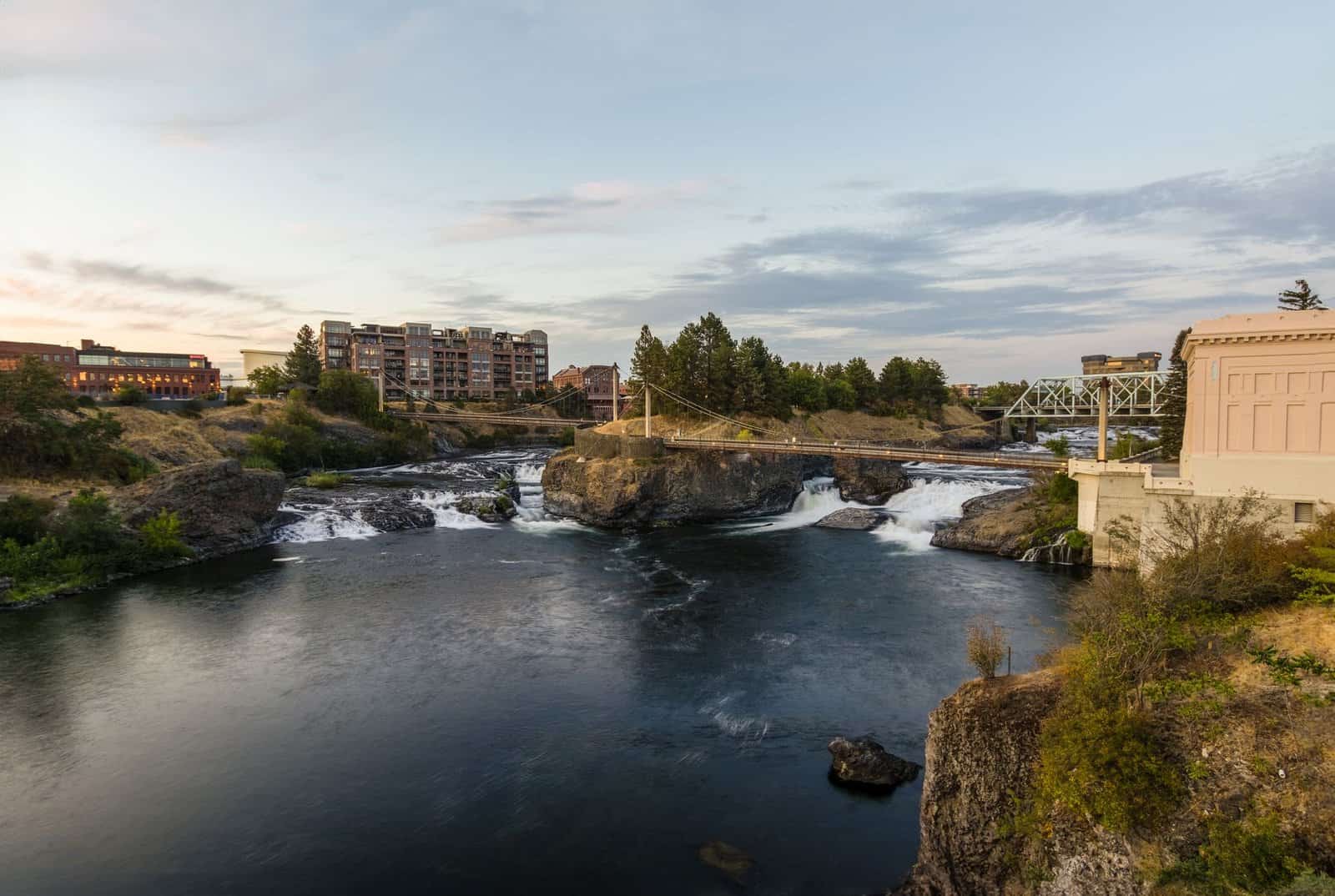
Spokane’s physical centerpiece is Riverfront Park — a 100-acre park on a series of islands in the middle of the Spokane River where the river drops over the Spokane Falls, the largest urban waterfall in the United States. The park was developed for the 1974 World’s Fair and became the backbone of downtown’s revitalization. Standing above the falls in the middle of the city, watching a river plunge through an urban landscape, is an experience that most visitors genuinely don’t expect from a mid-size Pacific Northwest city.
The Inland Northwest Identity
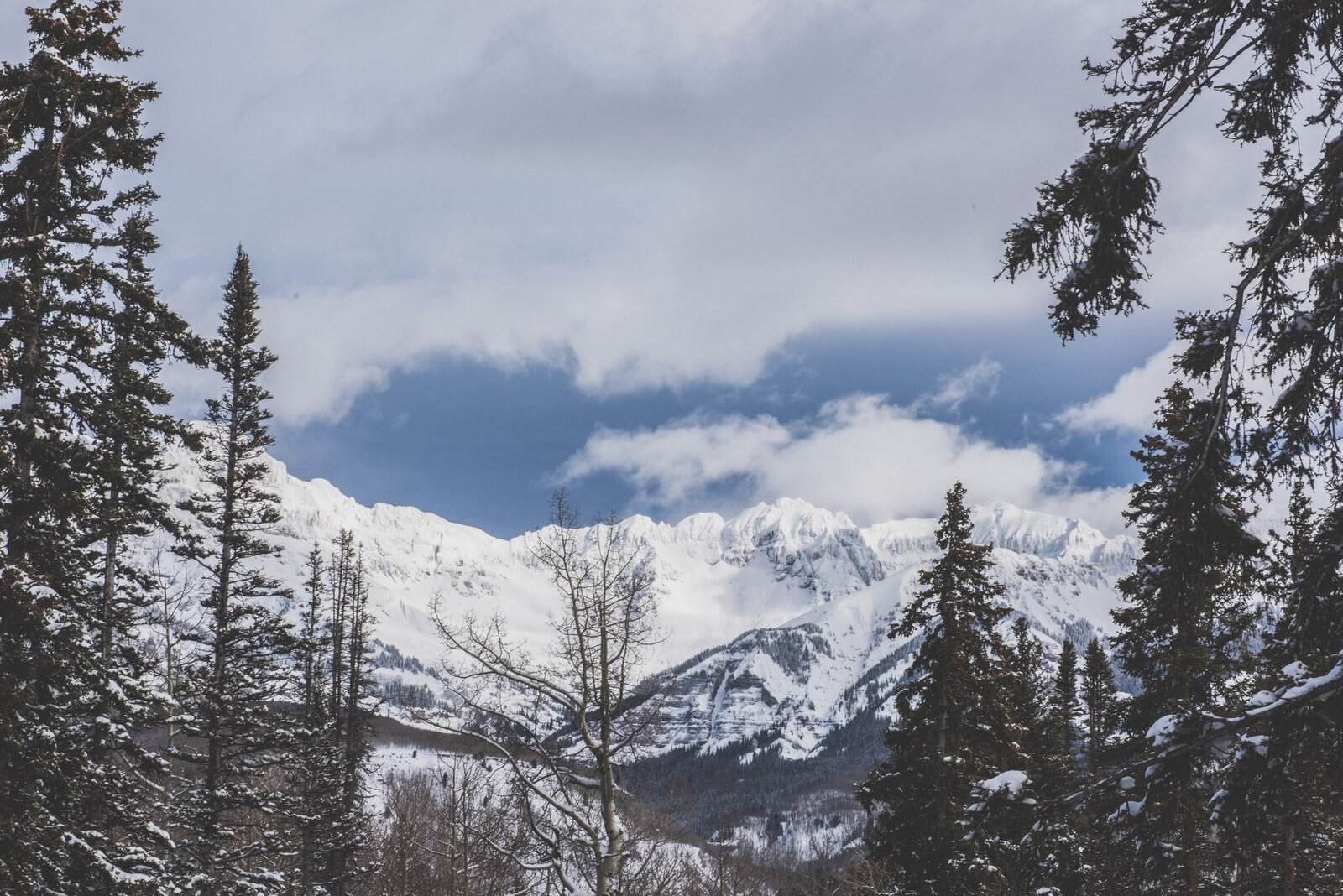
Spokane’s cultural identity is distinct from Seattle’s and often misunderstood by people west of the Cascades. The Inland Northwest — Spokane-Coeur d’Alene-Sandpoint — is politically conservative, economically agricultural and manufacturing-oriented, and deeply outdoor-focused in a way that differs from the trail-running, craft-coffee Pacific Northwest outdoor culture. Skiing at nearby Mt. Spokane and at Stevens Pass is real. The Selkirk and Cabinet mountain ranges are accessible. Lake Coeur d’Alene, 33 miles east in Idaho, provides the summer water recreation that Spokane’s urban setting doesn’t.
What Spokane Costs vs. What Seattle Costs
- Median home price Spokane: approximately $330,000
- Median home price Seattle: approximately $850,000+
- Washington State has no state income tax — applies equally to Spokane and Seattle
- Average one-bedroom rent Spokane: $1,100–$1,400
- Average one-bedroom rent Seattle: $2,100–$2,600
What Spokane Doesn’t Have
The diversity of an international city. The tech job market. The direct access to Pacific Coast and the San Juan Islands. The airport international connections — most Spokane flights connect through Seattle, Portland, or Denver. The restaurant breadth of a larger metro. And the mild, green Pacific Northwest climate — Spokane is cold and dry in a high-desert way, with genuine four seasons including real winters, unlike Seattle’s milder maritime climate.
Spokane’s annual Bloomsday race — the world’s largest timed footrace, with over 50,000 participants every May — is a window into what the city actually is: a community-scale event in a community-scale city where people still do things together in ways that have become difficult to organize in larger metros. If you value affordability, outdoor access, and a city that functions at human scale, Spokane is one of the better arguments in the Pacific Northwest for what the region can be outside its most famous city.