Chattanooga Homebuyers Are Splitting Into Two Camps—but Locals Feel the Housing Problem First
We may earn money or products from the companies mentioned in this post. This means if you click on the link and purchase the item, I will receive a small commission at no extra cost to you ... you're just helping re-supply our family's travel fund.
Chattanooga homebuyers are splitting into two camps, and locals feel the housing problem first. In one camp are out-of-town buyers, remote workers, retirees, and investors who arrive with equity from pricier markets such as Atlanta, Florida, the Northeast, and the West Coast. In the other are local first-time buyers, renters, and working families who earn Chattanooga wages. Both want the same limited supply of homes in the same neighborhoods, but only one camp has the cash and flexibility to outbid the other. That is why longtime residents, not newcomers, tend to notice rising prices, rents, and property taxes first.
Chattanooga Homebuyers Are Splitting: The Backdrop
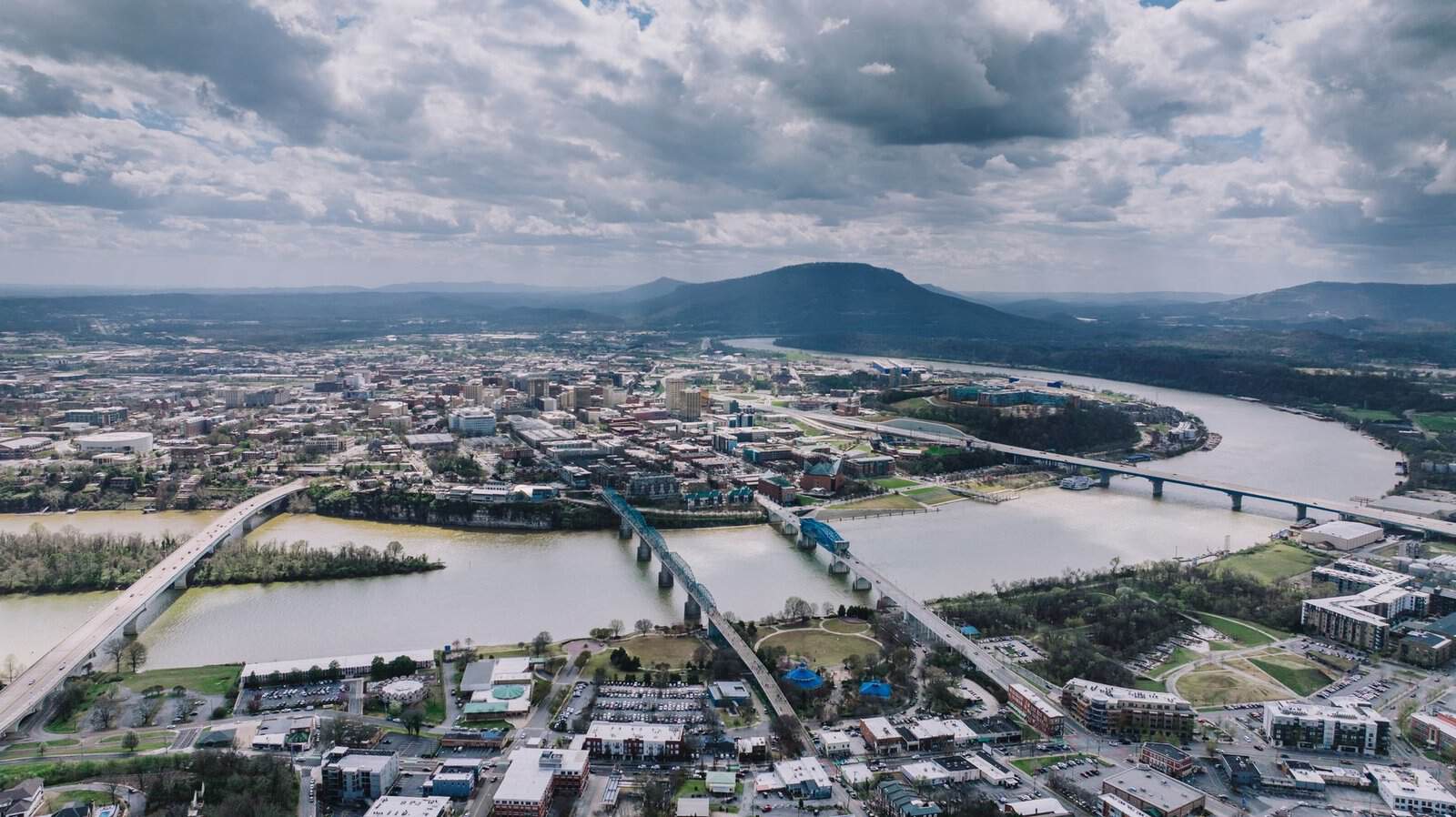
Chattanooga, a city of about 181,000 on the Tennessee River near the Georgia line, once had a reputation as one of the dirtiest cities in America because of factory pollution in the 1960s. Decades of cleanup, riverfront redevelopment, the opening of the Tennessee Aquarium in 1992, and a new downtown remade its image. Today it markets itself as the Scenic City, with climbing, trail running, and river sports, and it has a reputation as a tech-friendly place thanks to EPB’s municipal fiber network, which offered gigabit internet in 2010, early for the United States.
Those changes brought people. Remote work in 2020 sped the trend, since a worker who could work from anywhere could pick a city with mountains, a river, and lower prices than a coastal metro. Chattanooga’s prices were lower than Atlanta’s or Nashville’s, so it became a popular choice. Home prices rose faster than local wages, and the housing market tightened.
At the same time, the economy was providing local jobs. The Volkswagen assembly plant in Chattanooga employs thousands, along with Amazon fulfillment centers, health care systems, the University of Tennessee at Chattanooga, insurance and logistics firms, and a growing group of startups. Many of these jobs pay moderate wages, so a typical household cannot easily bid against someone selling a home in a more expensive market.
The result is not a simple story of newcomers versus locals. Many newcomers are middle-class families who also feel stretched, and many locals have profited as owners. But two broad buyer groups, with different financial advantages, have emerged.
1. The Out-of-Town and Equity-Rich Buyer
The first camp includes several kinds of buyers.
- Remote and hybrid workers earning salaries set in higher-cost cities, who can afford larger homes and are comfortable paying above local norms.
- Retirees and downsizers selling homes in expensive markets and buying in Chattanooga with large down payments or cash.
- Second-home and investor buyers who purchase for short-term rentals or long-term leases, especially in popular areas such as North Shore, Southside, Signal Mountain, Lookout Mountain, and downtown.
- Transfer employees moving for jobs at large employers who may receive relocation help.
These buyers generally have the advantage in negotiations: larger down payments, fewer financing contingencies, and sometimes cash. In a tight market, a seller will often prefer a clean offer from such a buyer over a thinner one from a first-time buyer relying on a low-down-payment loan.
It would be unfair to blame these buyers. They are responding to the same market and the same incentives, and many contribute to the economy by opening businesses, hiring, and paying taxes. But their presence changes prices for everyone.
2. The Local First-Time Buyer and Renter
The second camp consists of people who already live and work in the area and want to buy or keep a home.
- Young families and first-time buyers saving for down payments while rent rises.
- Public-sector and service workers, such as teachers, nurses, firefighters, and hospitality staff, whose wages are modest.
- Longtime renters in neighborhoods that are being redeveloped, who may face higher rents or sales of their buildings.
- Older homeowners on fixed incomes, whose property taxes can rise as home values do.
For this group, the math is daunting. A starter home that once sold in the low $200,000s may now cost much more, and mortgage rates raise the monthly payment. Rents have also risen, making it hard to save. The median home price in the Chattanooga area has moved into the $300,000s in recent years, which means a household needs a notably higher income than it did a decade ago. Specific numbers vary by source and month, so check current data from local real estate boards and the Census Bureau.
Property taxes are part of the problem. Hamilton County periodically reassesses property values, and when values jump, tax bills can change even when rates are adjusted. Homeowners, especially those on fixed incomes, can feel squeezed. Insurance costs, which have risen across the South, add another burden.
Why Locals Feel It First
Because the two camps compete in the same market, the effect is not evenly shared. Locals tend to feel it first for several reasons.
- They are on the lower end of the price ladder. Starter homes are the segment most exposed to competition from investors and equity-rich buyers.
- They are renters more often. Renters face annual increases and fewer protections, and they are the first to be displaced.
- They have fewer options. A buyer from out of town can shop in several cities, while a local usually wants to stay near family, work, and schools.
- Their wages do not follow prices. Local pay has grown more slowly than home values.
- They face changing neighborhoods. As areas redevelop, longtime residents may lose familiar businesses and community ties.
What the City and Region Are Trying
Local leaders and nonprofits have tried several approaches to ease the squeeze, with mixed results.
1. Affordable and workforce housing programs. The city has used funds and partnerships to support new units and repairs for existing ones. 2. Zoning updates. Changes that allow more types of housing, including duplexes, townhomes, and accessory units, can add supply. 3. Down payment assistance. State and local programs help eligible buyers with closing costs. 4. Employer support. Some large employers and hospitals have explored housing partnerships. 5. Neighborhood preservation. Nonprofits work to keep long-time residents in place with repair help and tax relief programs.
It will take time to see whether these steps catch up with demand. Builders face higher material costs and a limited supply of buildable land in a city bounded by ridges and the river.
What a Visitor Will Notice
A walk around the city shows the housing story.
- Cranes and new construction downtown, on the Southside, and along the riverfront.
- Renovated bungalows in neighborhoods such as Highland Park and St. Elmo, next to older homes awaiting repair.
- Short-term rental signs and lockboxes in popular areas.
- A strong outdoor culture, with climbers, paddlers, and riders crowding trails and parks on weekends.
- A lively food and craft scene that has grown alongside new residents.
You can enjoy the Scenic City responsibly by choosing locally owned restaurants and shops, staying in licensed lodging, and respecting residential neighborhoods. Hotel rooms downtown typically run from moderate to higher prices on weekends and during events, so check rates before you go.
Practical Notes for Buyers and Movers
If you are thinking of moving to the area, a few steps help.
- Work with a local agent. They know neighborhood trends and price ranges.
- Get pre-approved. A lender’s letter makes your offer stronger.
- Budget for taxes and insurance, not only the mortgage.
- Visit in different seasons. Summer heat and humidity, spring storms, and fall color all shape life.
- Consider commuting patterns. Traffic on I-24 and I-75 can be heavy at peak times.
- Check flood and slope risks. Some neighborhoods have flood zones or steep terrain.
Check Before You Go
Housing data change monthly. For up-to-date figures, check local real estate association reports, the Hamilton County assessor, and city housing offices. For visits, check event calendars, since festivals and sports events affect lodging and traffic.
How a Bidding Round Plays Out
A simple example shows the gap. A modest three-bedroom house in a neighborhood near downtown goes on the market for a price in the low-to-mid $300,000s. An out-of-town buyer who sold a house elsewhere for much more can offer cash, waive an inspection, and close in two weeks. A local first-time buyer using a government-backed loan with a small down payment needs an appraisal, an inspection, and a longer closing, and any repair request can complicate things. Even if the two offers are close in price, the cash offer looks safer to the seller. After several rounds like that, local buyers learn to offer more, waive protections, or give up.
Where Locals Still Find Options
Some segments remain more accessible. Outlying communities in Hamilton County and neighboring Georgia counties, such as Ooltewah, Soddy-Daisy, East Ridge, and Fort Oglethorpe, often offer lower prices than the city core. Older, smaller homes needing renovation, townhomes, and condos can also fit tighter budgets. But commuting costs and school zones matter, and these areas are changing too as demand spreads outward.
The Renter’s Side
For renters, the pressure is more direct. Apartment construction has added units downtown and along the river, many of them at higher price points. Older complexes that were once affordable are being renovated and re-priced. Renters who cannot afford to buy and cannot find rents they can manage face difficult choices, including doubling up, moving farther out, or leaving the city.
The Takeaway
Chattanooga homebuyers are splitting into two camps, equity-rich newcomers and local first-time buyers, and locals feel the housing problem first because they compete at the low end of the market with the least cushion. Building more homes, protecting existing neighborhoods, and helping local buyers are the main tools. Visitors can help by spending locally and respecting the neighborhoods they pass through.