Asheville Gets All the Press but These 2 Nearby North Carolina Towns Show What the Smokies Look Like Without the Tourism Infrastructure
We may earn money or products from the companies mentioned in this post. This means if you click on the link and purchase the item, I will receive a small commission at no extra cost to you ... you're just helping re-supply our family's travel fund.
Asheville gets most of the attention in western North Carolina, with breweries, the Biltmore, and a busy arts scene. For travelers who want the mountains with fewer crowds and fewer visitor services, there are nearby North Carolina towns that show a different side of the region. Two of the best examples are Sylva and Robbinsville, both west of Asheville in the corner of the state that borders the Great Smoky Mountains.
Before planning, know that western North Carolina is still recovering from Hurricane Helene, which struck in late September 2024 and damaged roads, homes, and businesses across the mountains. Conditions change, so check road status and business hours before you go.
The 2 Nearby North Carolina Towns Without Heavy Tourism
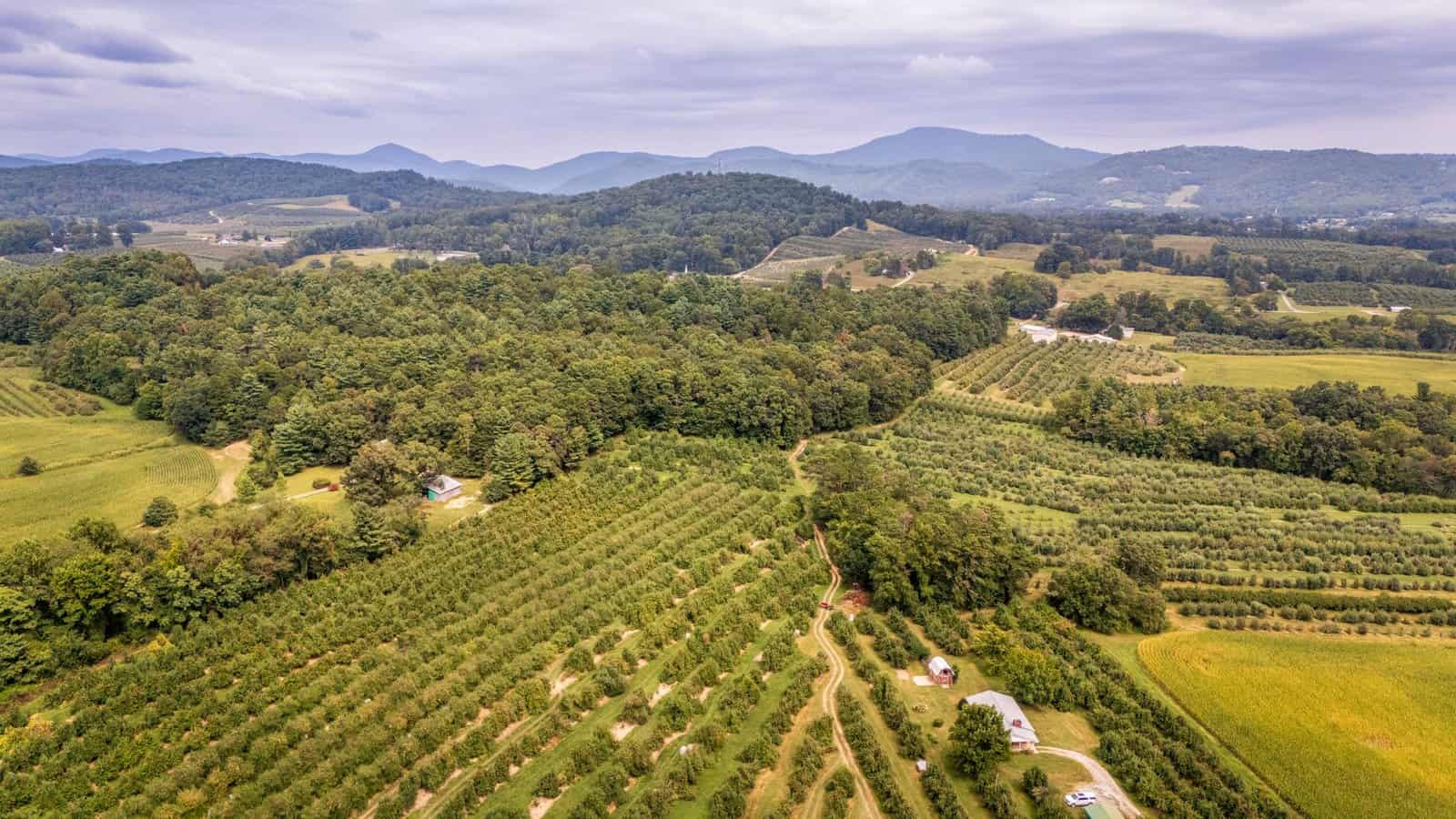
Both towns sit in the Nantahala and Great Smoky Mountains area, among rivers and forest. They have lodging, restaurants, and outdoor access, but far less of the polished tourism infrastructure found in Asheville, Gatlinburg, or Bryson City. That is both the appeal and the challenge.
1. Sylva: A Mountain County Seat With a Walkable Downtown
Sylva, the seat of Jackson County, has about 2,600 residents and sits roughly 50 miles west of Asheville. Its historic courthouse sits at the top of a long flight of steps above Main Street, and downtown has restaurants, bookshops, antiques, breweries, and a town square. Western Carolina University is a few miles away in Cullowhee, with around 11,000 students, and its presence adds a younger energy and events.
The economy blends education, health care, retail, and tourism, with a base of small, independent businesses. The Tuckasegee River runs nearby, and visitors can tube, fish, or paddle in warmer months. The Blue Ridge Parkway is within reach, and the Cherokee reservation and Great Smoky Mountains National Park entrance are about 30 minutes away. Downtown events include street festivals and a farmers market.
Lodging includes small inns, cabins, and a handful of hotels, with prices commonly in the range of 90 to 200 dollars a night depending on season. Meals range from diners to craft cocktail bars. Sylva is a practical base for exploring the region, with quieter evenings than Asheville.
2. Robbinsville: Gateway to Old-Growth Forest and a Scenic Skyway
Robbinsville, the seat of Graham County, has about 600 residents in town and roughly 8,000 in the county, making it one of the least populated places in the state. It sits among steep forested mountains near Lake Santeetlah and the Nantahala National Forest, about 100 miles southwest of Asheville. There is no large tourism district, and services are limited, which gives the area a quiet, remote feel.
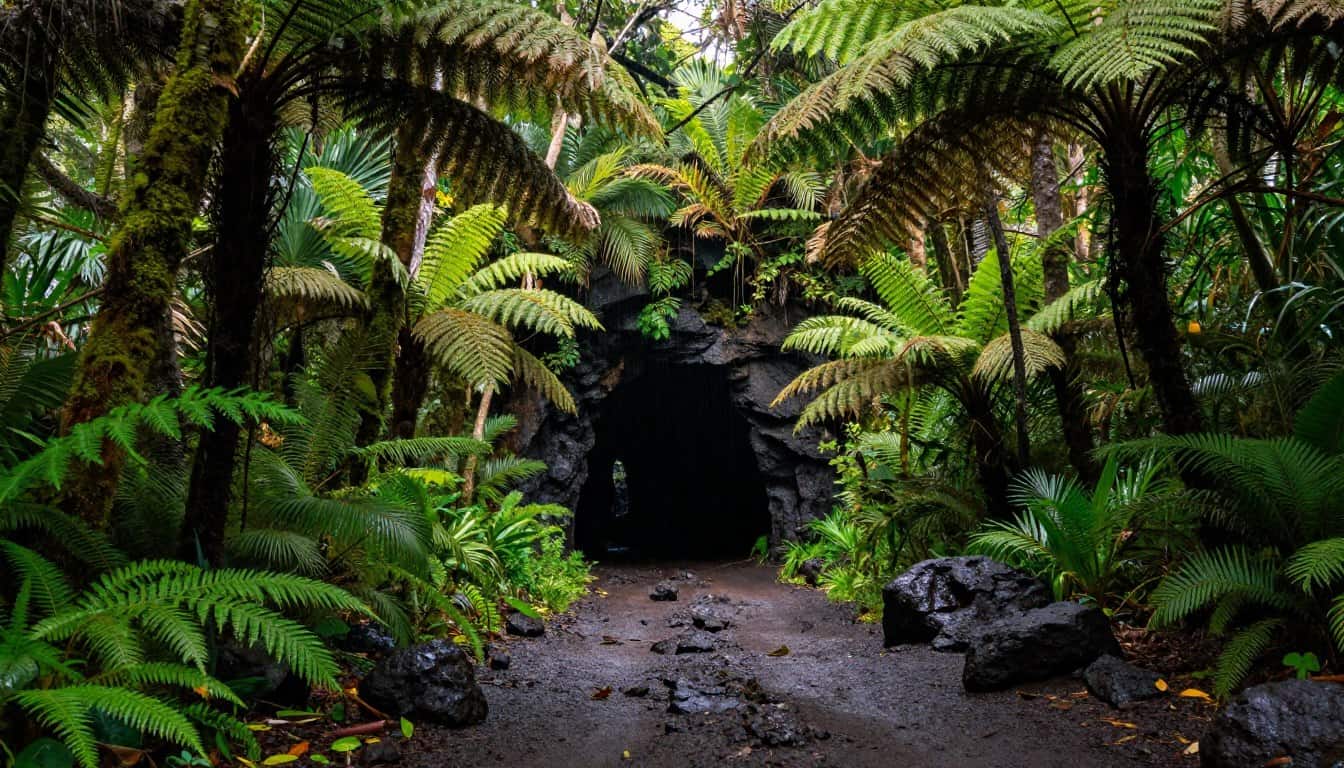
The star attraction is Joyce Kilmer Memorial Forest, a protected area of old-growth trees, with trails through towering tulip poplars and hemlocks. The Cherohala Skyway, a scenic road that opened in 1996, climbs more than 5,000 feet and runs 43 miles to Tellico Plains, Tennessee, with long views across the Appalachians. The skyway can be closed by weather or damage, so check before you go. Lake Santeetlah offers boating and fishing, and nearby Fontana Dam, one of the tallest dams in the eastern United States, has hiking and a visitor center. Motorcyclists and drivers also come for US 129, known as the Tail of the Dragon, which has hundreds of curves in 11 miles near the Tennessee border.
The local economy includes forestry, small businesses, health services, and seasonal tourism. The Snowbird community of the Eastern Band of Cherokee Indians is also in the area, and Cherokee culture and history are a central part of the region. Lodging is limited, mostly small motels, cabins, and campgrounds, with rates often in the range of 80 to 180 dollars a night. Restaurants are few, and many close early, so plan ahead.
How They Differ From Asheville
- Scale: Asheville has about 95,000 people, while Sylva has a few thousand and Robbinsville fewer than a thousand.
- Lodging: Asheville offers hundreds of hotels and rentals, while these towns have limited options.
- Dining: Asheville’s restaurant scene is large, while these towns have a few local places.
- Crowds: summer and fall weekends in Asheville are crowded, while these areas are quieter.
- Prices: lodging and food are often cheaper in the smaller towns, though options are fewer.
- Services: shops, gas stations, and health care are limited, so plan ahead.
Without extensive tourism infrastructure, visitors have to plan more. There may be fewer guided tours, shuttles, or outfitters, and cell service can be unreliable in the mountains.
Planning a Loop
A good loop starts in Asheville and heads west on I-40 and US 74 toward Sylva. Spend a day exploring downtown Sylva, the river, and nearby waterfalls. The next day, continue southwest to Robbinsville, with stops at overlooks and small communities. Spend a day at Joyce Kilmer, Lake Santeetlah, and the Cherohala Skyway, then return along US 129 or through Bryson City.
A car is essential, and roads are winding. Fill the tank in towns, since stations are sparse. Bring layers, since weather changes with elevation. Download maps before you go, and check road closures and conditions, especially after storms.
Eating and Shopping
Look for local diners with Southern comfort food, mountain trout, barbecue, and regional specialties like biscuits, fried apple pies, and country ham. Craft breweries and coffee shops add variety in Sylva. Shop for crafts, local honey, and mountain-made goods, and buy from Cherokee artists when you can. Casual meals commonly cost 10 to 20 dollars per person, and prices vary.
Being a Responsible Visitor
Quiet towns benefit from respectful visitors. Stay on trails, carry out trash, and follow rules in the national forest. Support local businesses with meals and purchases, and tip well. Learn about Cherokee history and visit cultural sites with respect. After a major storm, ask locals how to help and avoid areas that are closed.
When to Go
Fall is spectacular, with colors peaking in October at higher elevations, though it is also the busiest season. Spring brings wildflowers and waterfalls. Summer is green and cooler than the lowlands, with afternoon thunderstorms. Winter is quiet, with occasional snow and ice that can close high roads.
More Than Two Towns
If you have extra days, the same corner of the state holds other quiet places worth visiting.
- Cullowhee: the home of Western Carolina University, with a lively campus, a river park, and nearby waterfalls.
- Dillsboro: a small, historic railroad village with shops and a seasonal excursion train.
- Cashiers and Highlands: higher-elevation towns with waterfalls, though they have more upscale tourism.
- Andrews and Murphy: small towns to the west with a relaxed pace and access to the Nantahala region.
- Tellico Plains, Tennessee: the other end of the Cherohala Skyway, with a small town and nearby rivers.
Each of these has its own character, and many have limited lodging, so plan ahead.
Hiking and Water
The region’s best experiences are outdoors. Joyce Kilmer Memorial Forest has loop trails through old-growth forest, with massive trees that are hundreds of years old. The Slickrock Creek and Citico Creek wilderness areas offer more rugged hiking, and the Appalachian Trail passes through nearby Fontana Dam. Waterfalls are plentiful, including several along the Blue Ridge Parkway and in Panthertown Valley, a wild area with granite domes and streams, which is often called the Yosemite of the East by locals, though it is much smaller.
Rivers add to the fun. The Tuckasegee and Nantahala are popular for paddling, tubing, and fishing, and outfitters offer rentals and guided trips in season. Always check water levels and conditions, wear a life jacket, and respect posted warnings. After heavy rain, rivers can rise quickly.
Helene and Recovery
Hurricane Helene caused catastrophic flooding and landslides in western North Carolina in September 2024, damaging roads, bridges, homes, and businesses, and taking many lives. Recovery has taken time, and some areas remain affected. Some roads and trails have reopened, while others have been rebuilt or remain closed. Many small businesses rely on visitors for their recovery, and tourism officials encourage people to visit responsibly.
If you travel to the region, check with local visitor centers, the National Park Service, the Forest Service, and the Blue Ridge Parkway for current conditions. Be ready for detours and closures, and follow guidance. Staying overnight, eating at local restaurants, and shopping at local stores help support recovery.
Lodging Tips
Small-town lodging tends to be limited and can fill quickly in fall.
- Book early for October weekends and holidays.
- Consider cabins or vacation rentals for groups, but confirm rules and licensing.
- Camp in national forest campgrounds, which often cost modest fees, and check for open sites and fire restrictions.
- Ask hosts about road conditions and nearby services.
- Bring cash and supplies for remote areas, since card readers may be down.
Prices vary by season, and shoulder seasons offer lower rates and fewer crowds.
The Takeaway
Sylva and Robbinsville are nearby North Carolina towns that show what the Smokies region looks like with far less tourism infrastructure. Come for river towns, old-growth forest, and scenic drives, and bring flexibility, since services are limited. Check road conditions, hours, and prices before you go.