Hawaii Has a Tunnel Left Behind by Lava and Rainforest Around Its Entrance
We may earn money or products from the companies mentioned in this post. This means if you click on the link and purchase the item, I will receive a small commission at no extra cost to you ... you're just helping re-supply our family's travel fund.
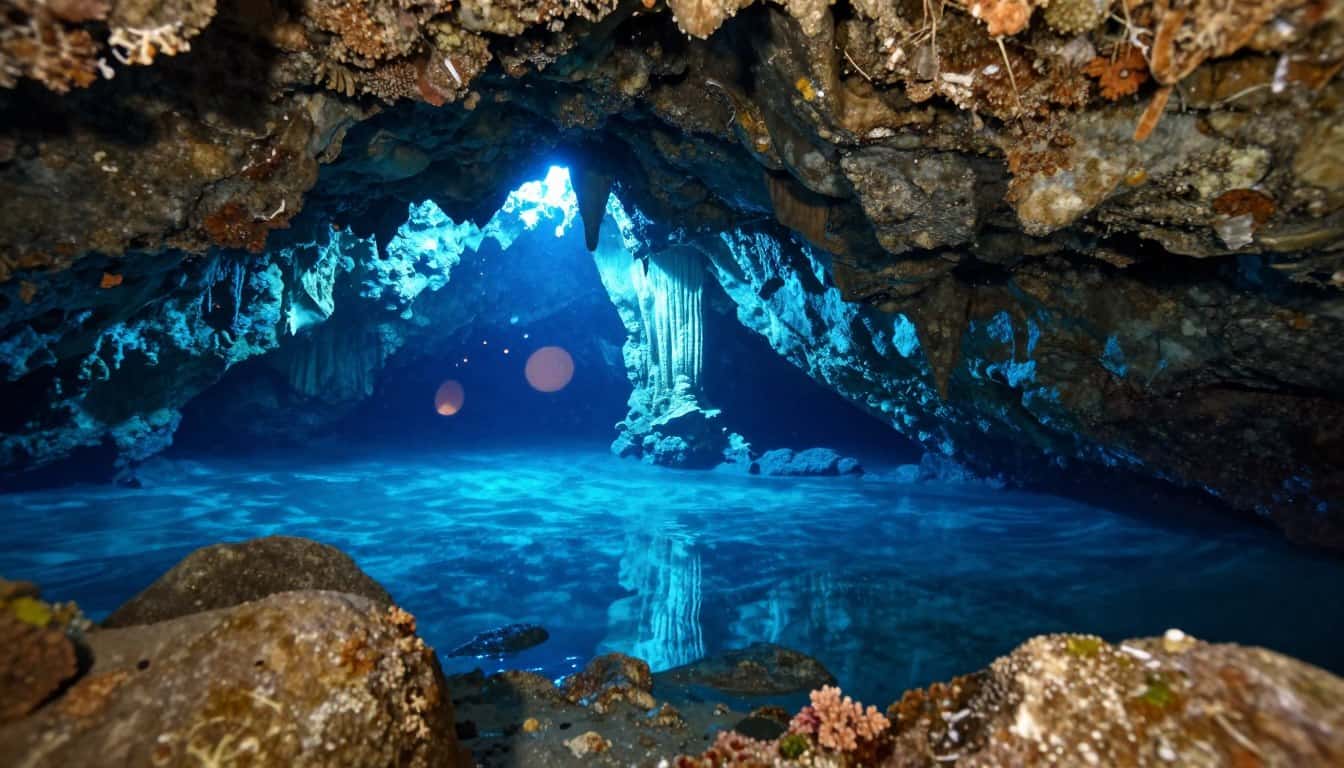
Nāhuku, also called the Thurston Lava Tube, is a self-guided cave walk reached through rainforest in Hawaiʻi Volcanoes National Park. A lava tube is a tunnel left behind when the surface of flowing lava cools into a crust and the molten lava drains away.
The green forest path leads to a dark passage shaped by volcanic heat. That quick shift makes this an easy adventure to remember, even if you have only a little time. Weather can change the feel of the walk, so bring gear for a damp forest path. This guide helps you choose a route and prepare for your visit. The brief change from green forest to a dark lava passage is the experience that makes this stop memorable.
Key Takeaways
- Walk through the maintained public section on your own.
- Choose the short loop or connect it with a longer hike.
- The cave is lit daily from 8 a.m. to 8 p.m.
- Bring a park entrance pass and a non-cash payment method.
- Pack for rain, watch your head, and leave the cave undisturbed.
How to Get to Thurston Lava Tube Hawaii
Nāhuku is inside Hawaiʻi Volcanoes National Park, and the standard approach is by park road to either the cave parking area or Kīlauea Iki Overlook. Both trailheads connect to the cave, so you can pick the one that suits your day.
From the park entrance, follow Crater Rim Drive for 1.7 mi toward Nāhuku. The park road network also includes Chain of Craters Road, but signs guide visitors toward the cave area. The visitor entrance is now a bridge installed in August 2026.
The bridge installed in August 2026 is the current visitor entrance to Nāhuku.
Find the trailheads
The usual access points are the Nāhuku parking area and Kīlauea Iki Overlook. The overlook is about half a mile from Nāhuku by the signed trail connection. A Thurston Lava Tube Hawaii map should show this connection, not suggest a walk along the road.
Choose the Nāhuku lot for the shortest approach to the cave. Starting at Kīlauea Iki Overlook lets you include more of the park’s crater area on foot. Both options lead to the same bridge and public cave entrance.
Follow the park roads to Nāhuku
Set your map to Hawaiʻi Volcanoes National Park, then follow park signs for Nāhuku or Kīlauea Iki. A private-vehicle, motorcycle, or pedestrian/cyclist entrance pass is valid for seven days at this park.
- Enter Hawaiʻi Volcanoes National Park.
- Follow signed park roads toward Nāhuku.
- Choose the Nāhuku lot or Kīlauea Iki Overlook.
Use the signed trail connection between the overlook and Nāhuku rather than walking along the road.
How Long Is the Hike, and How Difficult Is It?
The short Nāhuku loop is 0.4 mi, while starting at Kīlauea Iki Overlook makes the round trip 1.5 mi. The trail itself is rated moderate, with a mostly paved surface and little elevation gain.
The 0.4 mi distance describes the loop, not the walk from the overlook. That distinction helps you judge the time and effort before setting out. The longer option from Devastation Trailhead includes the Kīlauea Iki loop.
Take the short Nāhuku loop
The Nāhuku trail loop is 0.4 mi (0.6 km) with 29 ft of elevation gain. Its surface is 79% paved, 20% rock, and 1% steps. The changing ground still calls for steady footing, especially where the path turns from paving to rock.
This short route suits visitors who want the cave and a brief rainforest walk. You can keep the outing simple by starting near the cave parking area. The moderate rating reflects the trail as a whole, rather than a steep climb.
Add the Kīlauea Iki route for a longer hike
Walking from Kīlauea Iki Overlook to Nāhuku and back covers 1.5 mi (2.4 km). This total includes the approach, so it is longer than the cave loop alone. It works well if you want a little more hiking without adding the full crater loop.
| Route | Round-trip distance | What it includes |
|---|---|---|
| Nāhuku loop | 0.4 mi (0.6 km) | Short loop |
| Kīlauea Iki Overlook | 1.5 mi (2.4 km) | Walk to Nāhuku and back |
| Devastation Trailhead | 6.0 mi (9.7 km) | Including the Kīlauea Iki loop |
The round-trip hike from Devastation Trailhead is 6.0 mi (9.7 km), including the Kīlauea Iki loop. Starting from Puʻupuaʻi adds 1.0 mi (1.6 km) to that longer option. Choose the Devastation Trailhead route only if you want the longer Kīlauea Iki loop as part of the day.
When Should You Visit, and What Are the Lights Like?
Arrive before 9 a.m. or after 5 p.m. for the best chance of avoiding the busiest hours. Those times help because parking at Nāhuku and Kīlauea Iki Overlook is extremely limited.
The lots can fill during peak hours, and an early or late arrival cannot promise a quiet visit. The cave is lit from 8 a.m. to 8 p.m. Plan for the parking situation and lighting as separate parts of your visit.
Choose a quieter arrival time
Nāhuku draws visitors through the day, so a less busy arrival is a matter of chance, not a guarantee. Reaching the trailhead before 9 a.m. can help you avoid the peak period. An arrival after 5 p.m. is the other recommended window.
Weather can shift during a rainforest walk, even when the park roads feel dry. Rain gear makes the forest approach more comfortable, while a damp path may need careful steps. The two small parking areas leave little room to wait for an open space.
If you are planning other island adventures, the Hana Highway’s rainy, winding drive offers a very different kind of outing. It crosses Maui, while Nāhuku sits on Hawaiʻi Island. Keep the driving conditions in mind when building a wider trip plan.
Plan around the lighting schedule
The lights inside the tube operate from 8 a.m. to 8 p.m. Visitors arriving outside those hours should carry a flashlight. That matters most when the tunnel is dark and the natural light near the openings cannot reach far inside.
The lighting period can shape your choice between a bright, lit walk and an after-hours visit. A flashlight is recommended outside the stated hours, even if the forest path still has daylight. Bring a flashlight if your visit falls outside the 8 a.m. to 8 p.m. lighting period.
How Did Nāhuku Form, and What Does Its Name Mean?
A lava tube forms when the surface of a flowing lava channel hardens while lava continues moving underneath. The crust acts like a roof over the hotter flow, which drains away and leaves a tunnel.
Nāhuku is described as a 500-year-old lava tube formed by lava that once flowed at 2,000°F (1,093°C). Its name means “the protuberances,” though the exact reference is not certain.
Follow the lava’s path
As lava moved downhill, the outside of the channel cooled and hardened first. Molten lava continued to flow through the center beneath that crust. When the remaining lava drained away, the empty space became a tube.
This process can leave a long passage below the land surface. Some lava tubes stay hidden, while roof breaks reveal an opening. Nāhuku’s tunnel is now a walkable part of Hawaiʻi Volcanoes National Park.
The island’s volcanic ground has other striking forms, from black sand beaches to lava fields. A look at Hawaiʻi’s Punaluʻu Black Sand Beach gives a sense of the region’s varied volcanic scenery. The cave shows a different side of that same force.
Learn the story behind “the protuberances”
The Hawaiian name Nāhuku means “the protuberances.” The word may refer to lava drippings that once hung from the tube’s ceiling. That meaning is possible, rather than a certain translation of the name.
Souvenir collectors removed the ceiling drippings after the tube’s discovery in 1913. The delicate formations disappeared, leaving bare areas where visitors might once have seen them. The name Nāhuku preserves a reference to formations visitors can no longer see hanging from the ceiling.
What Should You Know Before Entering the Cave?
Expect a dark, enclosed passage with low spots, even though the public route is maintained for visitors. Some ceilings are low, so pay attention as you walk through the cave.
The public section of the tube is about 600 ft (183 m) long. Stay within the maintained public area instead of exploring unmarked passages. Roof sections can collapse in a lava tube, and the cave has collapsed roof openings at its entrance and exit.
Watch your head and stay on the open path
The walk passes through an enclosed space where the ceiling can drop lower without much warning. Move at a pace that lets you notice the rock above and the surface underfoot. The entrance and exit are collapsed parts of the roof, not signs of a route to explore above.
Use this four-point check as you enter:
- Watch for low ceilings.
- Stay on the established path.
- Do not touch the walls.
- Leave hanging roots undisturbed.
The maintained public section gives you a clear route through the cave. Beyond that area, unmarked passages may have unstable rock or hidden hazards. Keep your visit within the open path maintained for visitors.
Protect the walls and hanging roots
Basalt walls and hanging tree roots are fragile parts of the cave environment. Even a brief touch can disturb surfaces or living roots. Keep your hands off both the basalt walls and the delicate roots hanging inside Nāhuku.
Follow the marked public route rather than stepping into side spaces. The tube’s roof has collapsed in places, and other sections may not be safe for visitors. Respecting the boundaries protects both you and the cave.
What Do Nāhuku Tickets and Park Passes Cost?
You need a Hawaiʻi Volcanoes National Park entrance pass to visit Nāhuku, but the cave itself does not have a separate ticket. The pass covers park entry, and the standard price ranges from $15.00 to $30.00.
All visitors need a park entrance pass unless they are 15 or younger. The park does not accept cash, so plan to pay with another method.
Buy the pass that fits your visit
A standard entrance pass for a private vehicle, motorcycle, or pedestrian/cyclist costs $15.00-$30.00. It is valid for seven days at Hawaiʻi Volcanoes National Park only. The standard entrance pass price range covers the park visit, not a separate cave charge.
If you plan to visit several parks in Hawaiʻi, the Hawaiʻi Tri-Park Annual Pass costs $55.00. It is valid for 12 months from the month of purchase at Hawaiʻi Volcanoes National Park, Haleakalā National Park, and Puʻuhonua ʻO Hōnaunau National Historical Park.
National park visits can include extra charges for some activities or services beyond entry. This overview of possible extra park fees can help you plan other trips without confusing them with Nāhuku’s access.
Check age and validity rules
Visitors aged 15 or younger are exempt from entrance fees. The park pass rules also set different validity periods for a single-park pass and the Tri-Park option. Check that the pass you choose matches the parks you expect to visit.
| Pass or visitor | Cost | Validity or eligibility |
|---|---|---|
| Standard entrance pass | $15.00-$30.00 | 7 days at this park |
| Hawaiʻi Tri-Park Annual Pass | $55.00 | 12 months from purchase month at three named parks |
| Visitors aged 15 or younger | Exempt | No entrance fee |
The Tri-Park pass includes Hawaiʻi Volcanoes National Park, Haleakalā National Park, and Puʻuhonua ʻO Hōnaunau National Historical Park. It runs for 12 months from the month you buy it, not for a set calendar year. Have a non-cash payment method ready when you buy your park pass.
Do You Need a Tour to Visit Nāhuku?
You do not need a tour to walk through Nāhuku, making it the straightforward choice for a first lava-cave visit. The self-guided route lets you explore the maintained public passage at your own pace.
Kazumura Cave offers a much larger and more involved experience. Its entrances are on private property, so visitors use guided access rather than entering on their own.
Explore Nāhuku on your own
Nāhuku is a self-guided visit inside the park. You can walk through the public section without booking a cave tour. The marked route and park setting make it a manageable introduction to lava tubes.
For a first visit, choose Nāhuku if you want a simple cave walk connected to a rainforest outing. It offers a clear public path rather than a long underground expedition. You can focus on the passage itself without planning special cave access.
Choose a guided cave for a deeper expedition
Kazumura Cave is listed at 40.706 miles (65,500 m) long, the longest lava tube in the listed world ranking. It is also listed as 3,613.8 feet (1,101.5 m) deep. Those figures describe a very different scale from a short public walk.
The measured length includes passages made by digging through short sections of solid rock to connect separate caves. Kazumura has 101 entrances, all on private property, which is why access is controlled. Its listed length and depth reflect a large connected cave system, not a simple visitor trail.
Nāhuku fits a first cave visit with an easy-to-follow public route. Kazumura suits visitors seeking a guided, more extensive cave experience. Do not try to enter a Kazumura Cave opening without authorized access.
What Should You Bring for the Rainforest Walk?
Pack for both a damp rainforest path and a cave visit, even if the walk looks short on a map. Rain can change the feel of the forest approach, so carry gear that keeps you comfortable.
Bring water, snacks, sturdy footwear, and rain gear. A small bag for your trash belongs in your pack, too.
Dogs are not allowed on the trail.
The forest is a good place to listen for native birds as you walk. Look for plants such as ʻŌhiʻa and Hāpuʻu along the path. Notice them without picking leaves or disturbing the plants.
- Water
- Snacks
- Sturdy footwear
- Rain gear
- A small bag for carrying out trash
Sturdy shoes can help on sections where the path changes from pavement to rock. A light rain layer is useful when the forest is damp, even if the weather started clear. Leave every plant where it grows and carry all trash back out with you.
Conclusion
Nāhuku is a rewarding choice if you want a short rainforest walk followed by a close look at a lava-formed cave. The self-guided route gives you a manageable way to experience a lava tube without arranging a tour.
Your arrival time and care inside the cave can shape a better visit. Give yourself room to move slowly through the dark passage, and keep the fragile interior undisturbed.
Park conditions can change, so check for updates before you leave. Check current park conditions, choose your pass, and plan your arrival before setting out.