12 Most Scenic Nature Escapes to Visit in Every U.S. State
We may earn money or products from the companies mentioned in this post. This means if you click on the link and purchase the item, I will receive a small commission at no extra cost to you ... you're just helping re-supply our family's travel fund.
You want places that feel alive. Water thundering into ravines. Trees older than history. Shorelines where wind writes its own music. Use this guide to plan trips that trade hype for presence. Spring brings wildflowers and high waterfalls. Summer opens alpine lakes. Fall paints ridgelines. Winter gives you quiet trails and crisp air. Pick one, then another. Travel midweek, start early, and linger late. Let the land set the pace, and you’ll carry home something better than a postcard.
1. Alabama: Noccalula Falls, Lookout Mountain
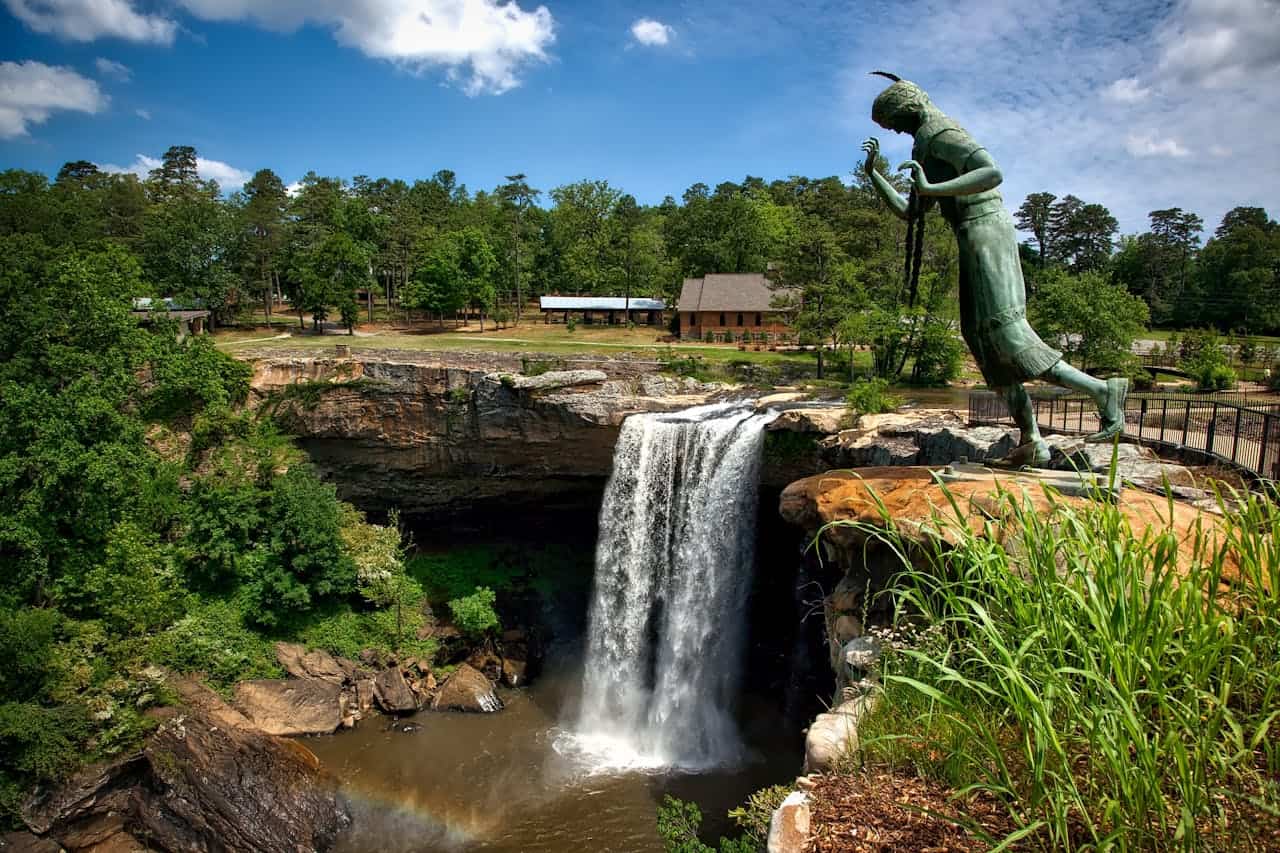
Follow Black Creek through a shady ravine to a 90-foot plunge framed by sandstone and pines. Local legend tells of a Cherokee princess, but what you feel is the spray and a low roar bouncing from the rock. Loop trails lead to boulders, bridges, and carved formations where the river slows before its leap. Come after spring rains for peak flow, or in October when foliage reds and golds turn the gorge into a natural amphitheater of color.
2. Alaska: Denali From Wonder Lake
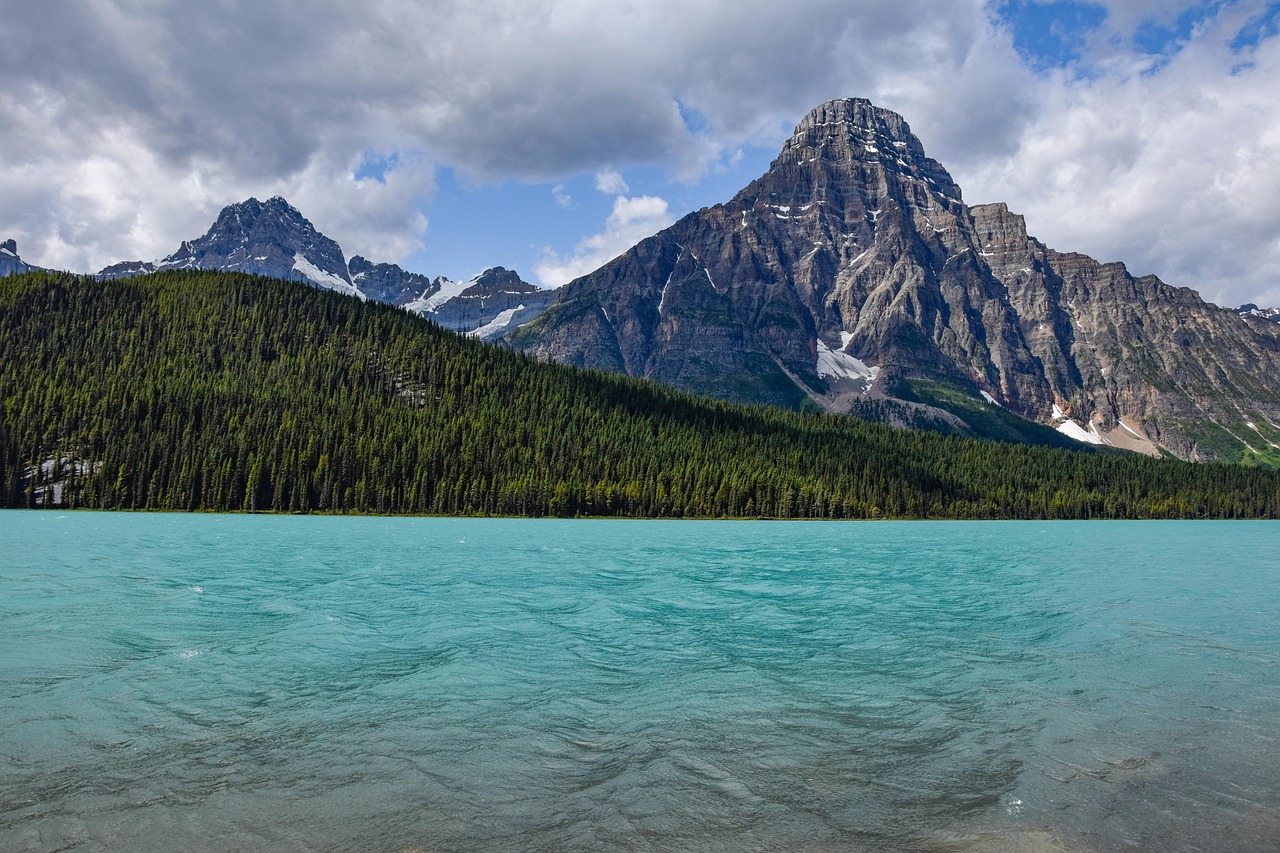
Denali rises 20,310 feet, and when the mountain is out it stops you. Wonder Lake gives you a mirror for the massif, with braided streams, tundra, and the hiss of wind in dwarf birch. Look for sandhill cranes, moose tracks, and distant caribou. Visit in late summer for long light and clear mornings, or in early fall when the tundra turns crimson and gold. The scale resets your sense of distance and time before you even notice your camera is quiet.
3. Arizona: Mooney Falls, Havasupai
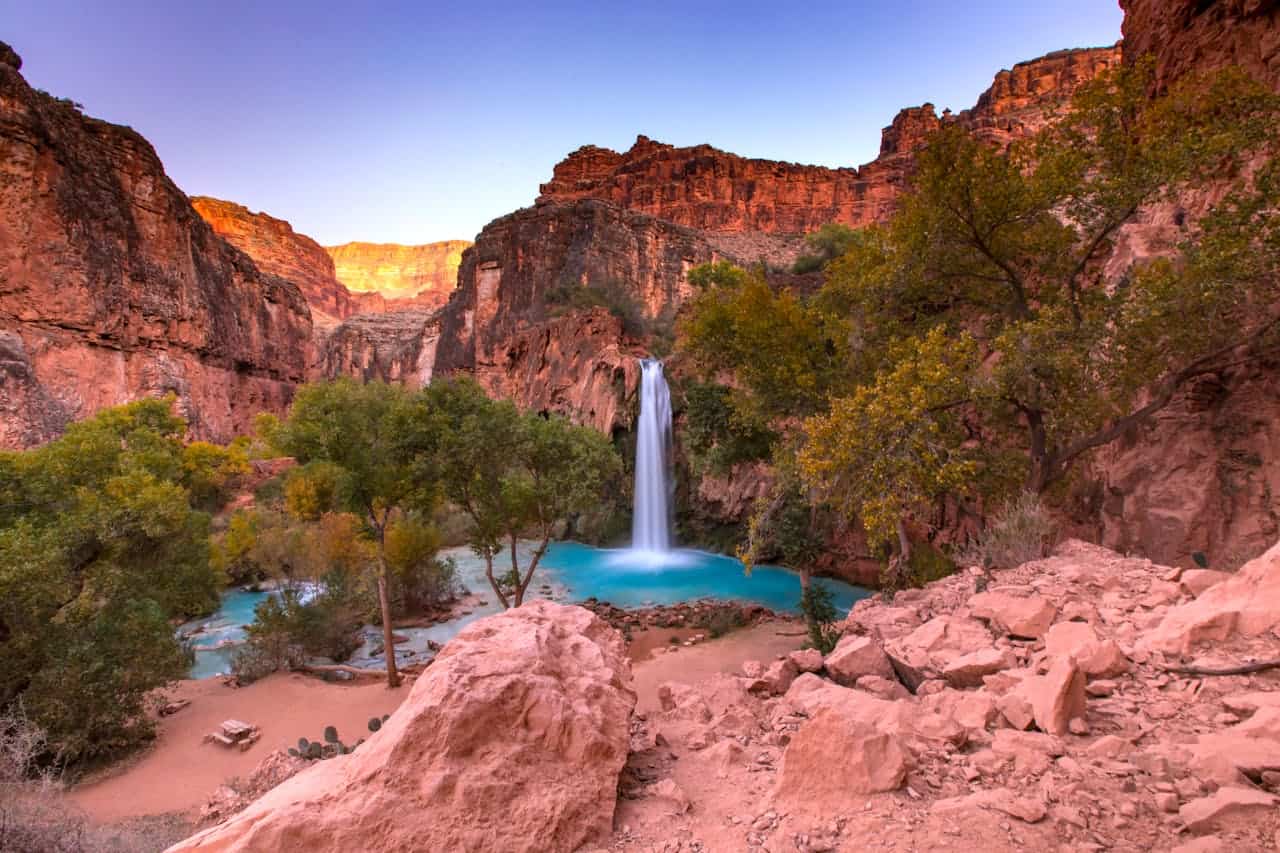
Permit in hand, you hike through red rock to turquoise water that looks unreal until the mist hits your face. The final descent uses chains, ladders, and slick rock, so patience and good footwear matter. At the bottom, travertine dams shape bright pools that catch the canyon light. Respect Havasupai land and leave it better than you found it. Go outside peak heat, carry out everything, and give yourself time to sit, listen, and watch color shift across the walls.
4. Arkansas: Hawksbill Crag, Ozark Highlands
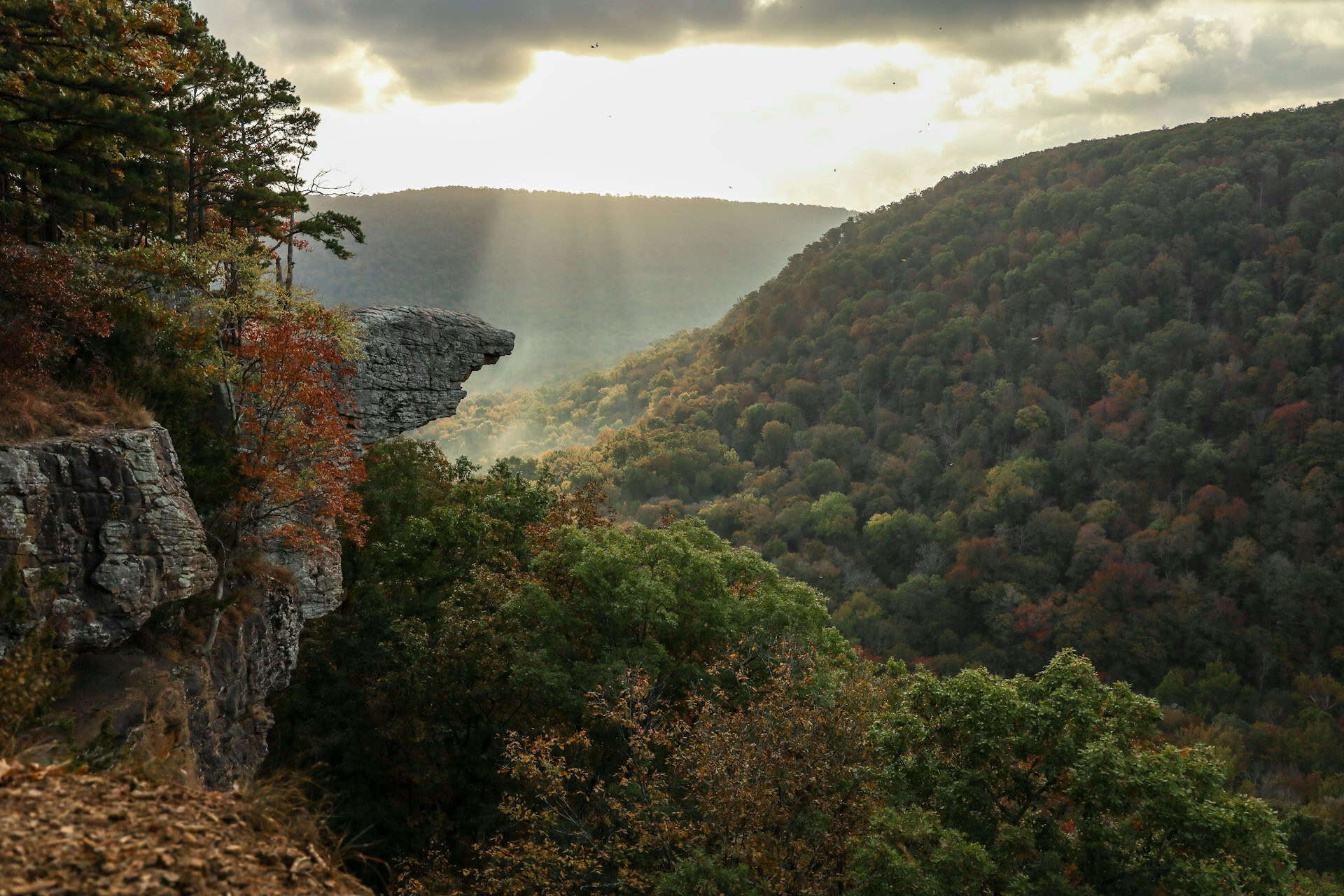
Also called Whitaker Point, this sandstone beak juts over the Buffalo River valley with views that run to the horizon. The hike rolls through open woods scented with pine and damp earth, then reveals the cliff like a stage. Spring brings dogwood and waterfalls. Fall lays bronze and copper across the ridges. Edges are real here, so keep a safe buffer and enjoy the scene from solid ground. Pack a snack and stay for the hush that follows sunset.
5. California: Coastal Redwoods
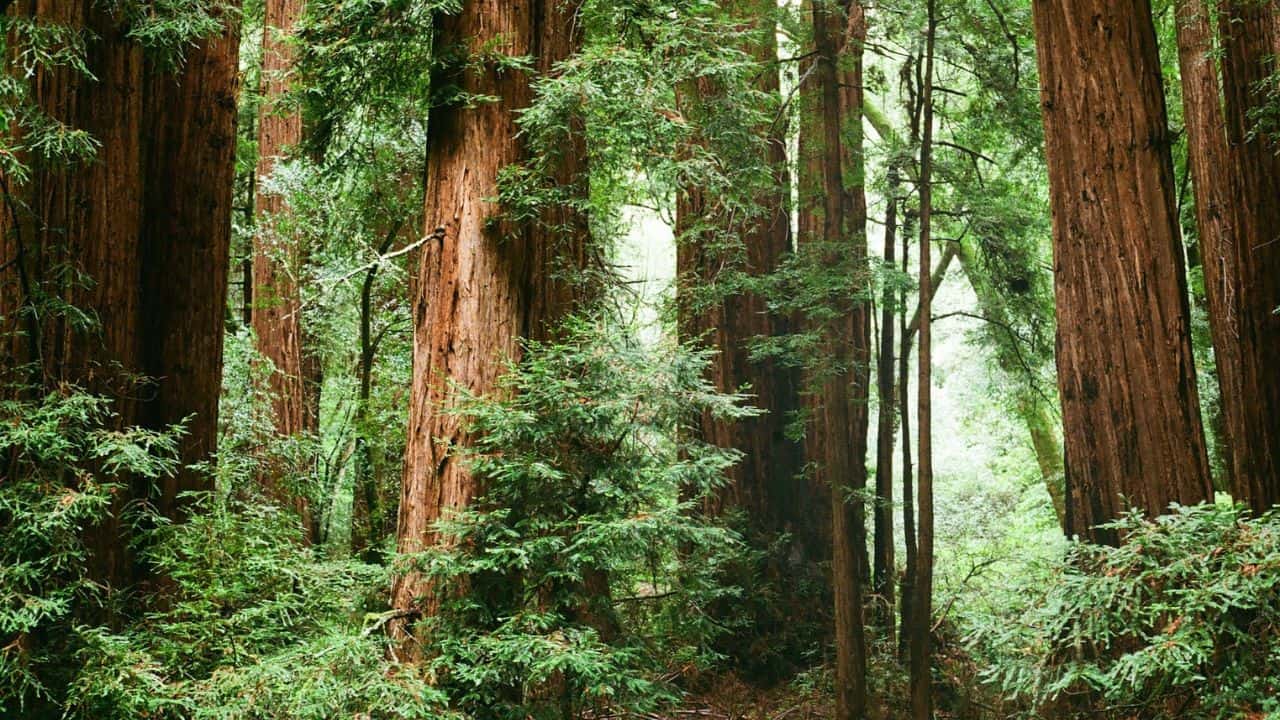
Walk into a redwood grove and the air changes. Light filters in quiet shafts. Ferns crowd the path. Bark feels cool even at noon. These are the tallest trees on Earth, many well over 300 feet, and they carry centuries in their rings. Wander loops in Redwood National and State Parks, pause beside nurse logs sprouting new life, then follow the fog to a fern canyon or a driftwood beach. Move slowly. Scale and silence are the real attractions.
6. Colorado: Maroon Bells, Elk Mountains
Two maroon summits rise over an aspen-lined lake that turns into a mirror at sunrise. The first light is pink and then gold. The water calms, and reflections sharpen until a breeze writes small ripples across the surface. In summer, wildflowers fringe the trail. In fall, the hillsides turn to coin-bright yellow. Use the shuttle or bike in during peak hours, bring layers, and give yourself time to sit on a log and let the peaks settle into memory.
7. Connecticut: Kent Falls State Park
Water steps down 250 feet through a staircase of potholes and ledges carved by time. Short trails and wooden overlooks make it easy to pause at each tier, hear the rush, and feel cool spray drift through the trees. Spring snowmelt swells the flow. Summer offers shade and picnic tables under maples. In October, the valley glows and the stream throws back color in quick flashes. Bring sturdy shoes and wander upstream until the noise becomes your backdrop.
8. Delaware: Cape Henlopen, Where Bay Meets Ocean
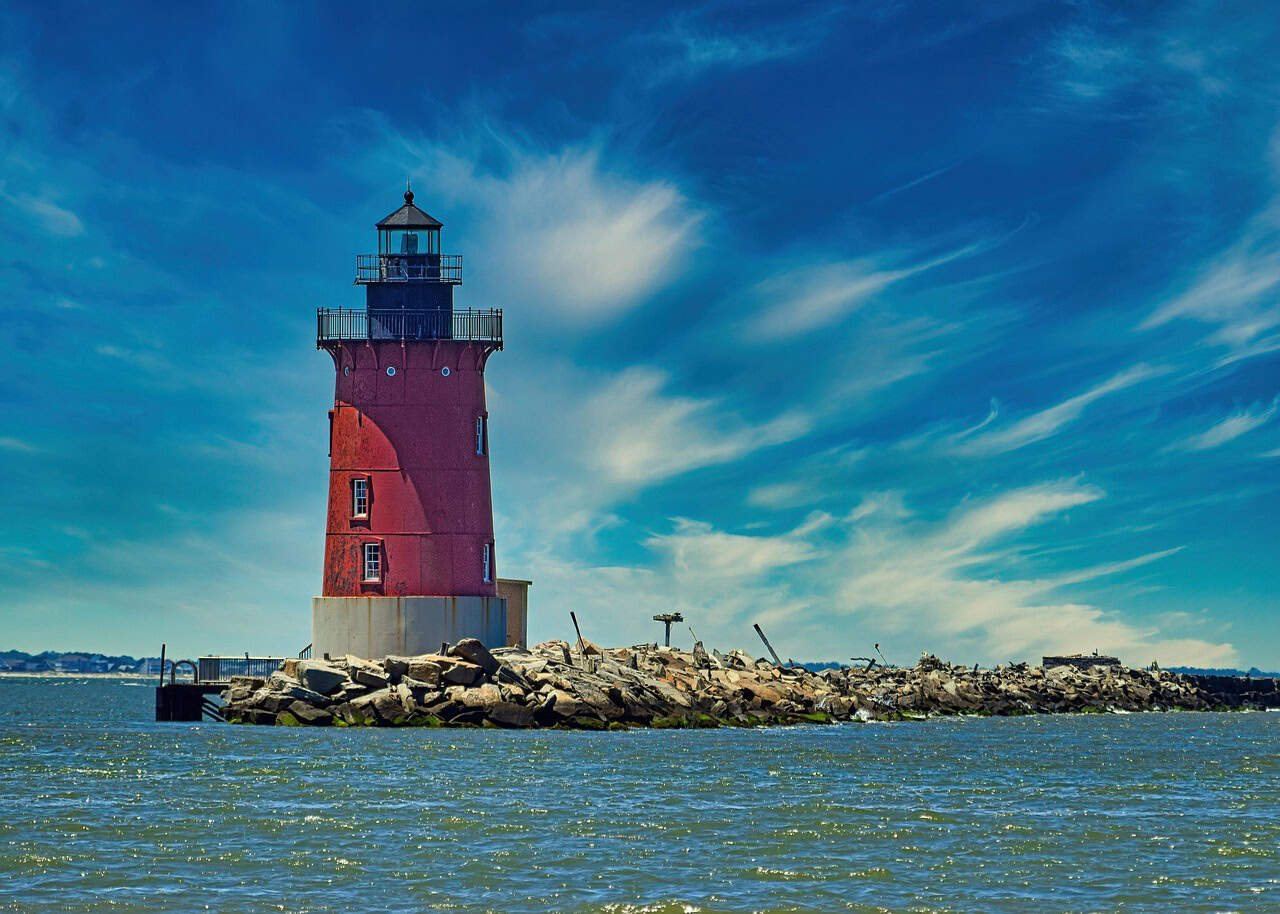
Six miles of beach curve between dunes and sea oats while shorebirds stitch the waterline. You can bike quiet paths to World War II observation towers, climb for a view, then drop to the sand for a swim. The light here is clean and the horizon wide. Early mornings bring dolphins, calm surf, and pelicans on patrol. Evenings belong to orange skies and silhouettes of fishing piers. Pack a kite, a towel, and time to watch tide and wind trade shifts.
9. Florida: John Pennekamp Coral Reef State Park
America’s first underwater park invites you to meet the reef on its terms. Book a snorkel or glass-bottom boat, then watch parrotfish, angelfish, and rays slide over corals shaped like antlers and brains. Water clarity depends on weather, so stay flexible and bring reef-safe sunscreen. After the boat, paddle mangrove tunnels where herons stalk and tiny crabs scuttle up roots. End with a picnic under shade, salt in your hair, and the low hum of the Keys in your ears.
10. Georgia: Tallulah Gorge, Blue Ridge Front
A deep chasm runs for two miles, cut by a river that still works at the stone. From above, a suspension bridge sways just enough to make you focus. From below, permitted routes lead to pools and waterfalls where the water cools your pulse. Visit for spring green, or come in late October when color stacks in layers from rim to river. Start early, carry water, and leave time to sit on warm rock and watch shadows climb.
11. Hawaii: Punaluʻu Black Sand Beach, Hawaiʻi Island

Basalt sand looks like crushed night, and the contrast with bright surf is unforgettable. Hawaiian green sea turtles often haul out to rest, so keep your distance and give them space. Trade crowds for early or late light and you get low sun on black grains that shine like tiny mirrors. Currents can be strong, so swim with care or walk the shore and listen to pebbles rattle in the wash. This is geology, ecology, and ceremony in one place.
12. Idaho: Craters of the Moon, Snake River Plain
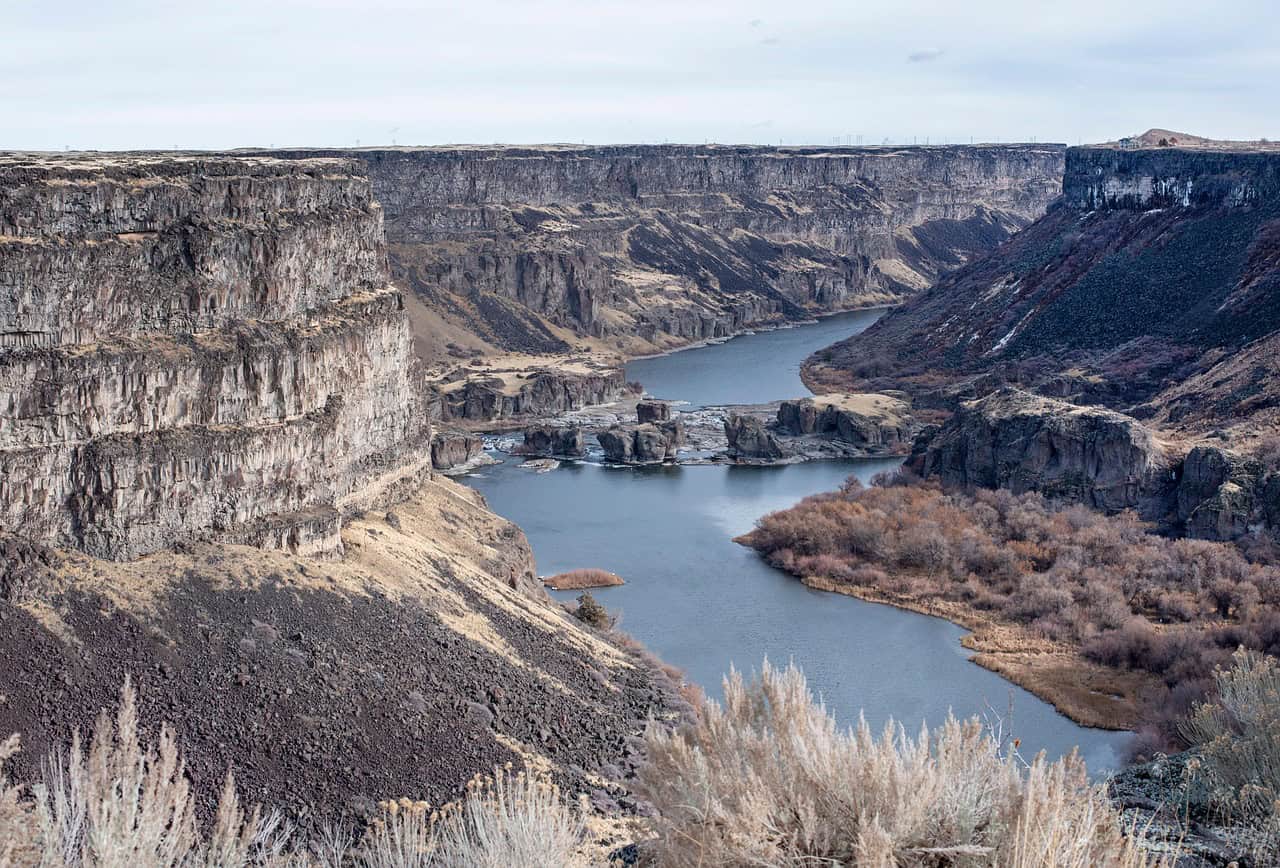
Lava flows, cinder cones, and dark caves create a landscape that feels otherworldly until you notice wildflowers pushing through ash. Drive the loop, then hike a cone for a view of the Great Rift stretching away like a scar. In summer, heat radiates from the rock, so start early and carry water. At night, the sky goes deep and the Milky Way shines hard. The place is quiet, stark, and surprisingly full of the small signs of life returning.