These 8 Places Are Begging Tourists to Stop Coming — And Some Are Now Charging Fees to Keep You Out
We may earn money or products from the companies mentioned in this post. This means if you click on the link and purchase the item, I will receive a small commission at no extra cost to you ... you're just helping re-supply our family's travel fund.
What the Fodor’s No List Actually Means (It’s Not a Ban — But It’s a Warning)
Fodor’s is careful to explain that the No List is not a boycott list or a forbidden destinations registry. It highlights places where the overtouristed destinations, fragile ecosystems, and communities struggling to survive need a different relationship with the travel industry, according to Forbes’ November 2025 coverage of the 2026 list. The editors spend months researching each entry and consulting local voices — residents, environmental scientists, city planners.
For travelers, the practical value of the No List is this: it tells you where crowds, fees, restrictions, and community resentment are likely to affect your experience. Some of these places are still worth visiting — just differently, at different times, with more intentionality. Others may genuinely warrant reconsidering in favor of alternatives that will give you a better trip and a cleaner conscience. The 2026 list includes Antarctica, the Canary Islands, Glacier National Park, Isola Sacra in Italy, the Jungfrau Region in Switzerland, Mexico City, Mombasa in Kenya, and Montmartre in Paris. Here is where each one stands.
Venice: You Now Need a QR Code Just to Walk In
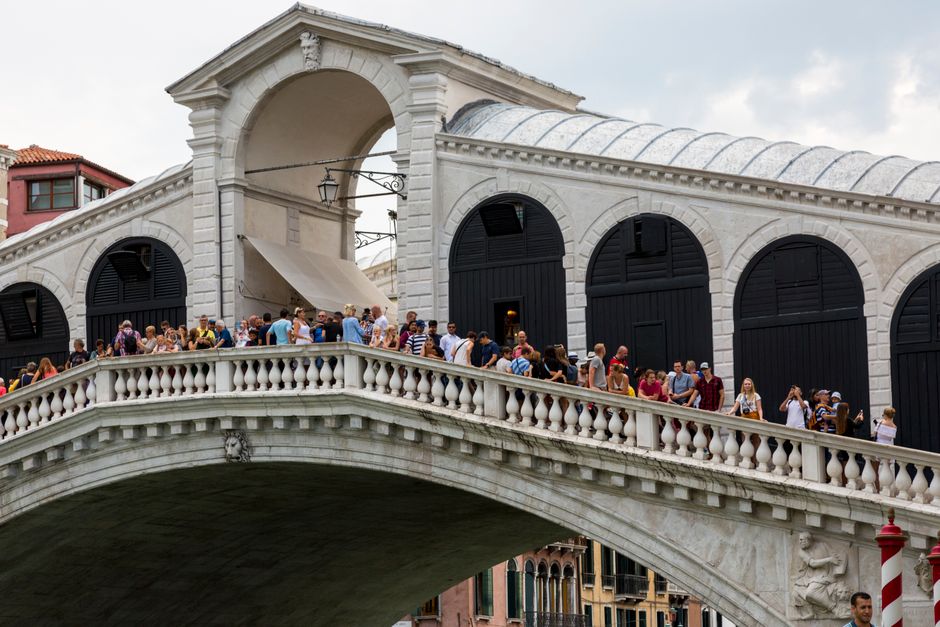
Venice became the world’s first city to charge tourists simply for entering it on busy days. The access fee system — now in its third year — continued into 2026 with a broader calendar. According to the official Venice access fee portal at cda.ve.it and Rick Steves’ travel blog, the fee applies on 60 designated high-traffic days from April through late July: mostly Fridays, Saturdays, Sundays, and peak holidays. The fee is 5 euros per person over age 14 if you register more than four days in advance, and 10 euros if you register later.
Here is the catch most travelers miss: even if you are staying overnight in Venice — at a hotel, B&B, or rental apartment — you are exempt from paying the fee, but you still must register and obtain a QR code. Everyone entering Venice on a fee day needs a QR code. Enforcement is via random spot checks, and failure to show a valid code can result in a fine. The QR codes are non-transferable and only issued through the official city website. Anyone selling you one is running a scam.
Is Venice still worth visiting? Yes — especially in shoulder season. If you arrive in September, October, or in April on a non-fee weekday, the city is measurably less crowded and dramatically more enjoyable. The city that was literally getting loved to death — an average of 50,000 visitors per day at its worst — is attempting a reset. Work with it, not against it. Book overnight accommodations, explore the non-touristic neighborhoods like Cannaregio and Castello, and skip the Rialto Bridge at noon.
Barcelona and the Canary Islands: When Locals Fight Back

The Canary Islands is the one destination that carried over from Fodor’s 2025 No List into 2026 — a sign that its overtourism crisis has not abated. The seven-island archipelago off the coast of Morocco welcomed 16.8 million visitors in 2024, nearly 12 times its resident population. Infrastructure is buckling. Water is scarce. Housing costs for locals have become impossible as short-term rentals consume the housing stock.
Barcelona, while not on the 2026 Fodor’s list, has taken the most aggressive stance of any European city in managing tourism. The city attracted over 15 million visitors in recent years against a local population of approximately 1.6 million, according to BBC reporting. Anti-tourist protests have grown in size and visibility. Barcelona’s city government responded by announcing a total ban on new short-term tourist rentals starting in 2028, with roughly 10,000 existing licenses set to be revoked.
Barcelona also doubled its overnight tourist tax as of April 2026, making it one of the highest visitor levies in Europe. If you are staying in Barcelona, budget for this cost — it is added directly to your accommodation bill. The practical travel advice: Barcelona is still an incredible city. Stay in a hotel that employs local workers, eat in non-tourist-trap restaurants in Gracia or Poblenou, skip the crowd-magnet Las Ramblas for the more authentic Passeig de Sant Joan, and consider visiting Tarragona or Girona as day trips for a fraction of the crowds.
Jungfrau Region, Montmartre, and Isola Sacra: Europe’s Hidden Pressure Points
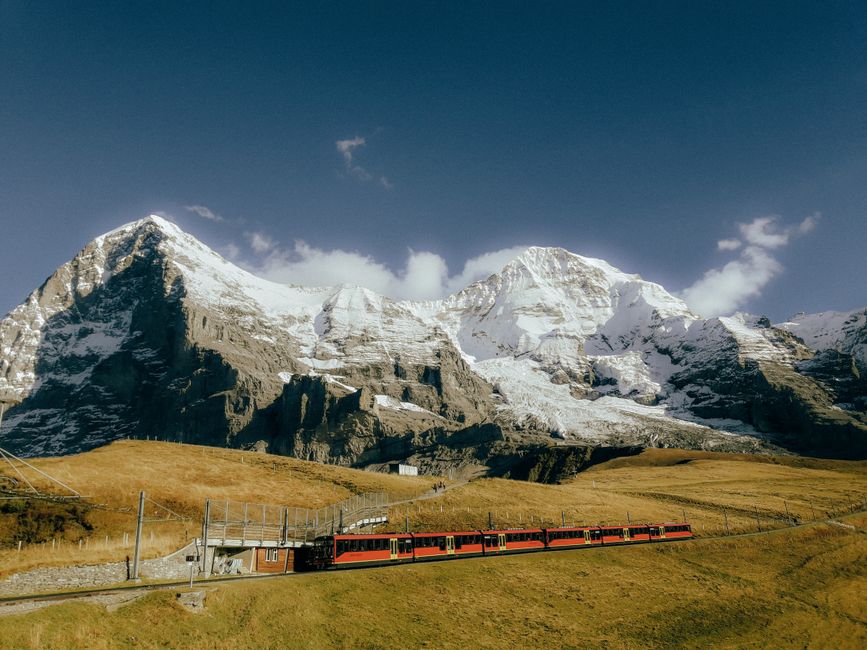
The Jungfrau Region of Switzerland made the 2026 No List for the first time, though locals and regular Switzerland visitors had seen the pressure building for years. The region — centered on Grindelwald, Interlaken, and the famous Jungfraujoch summit — has become so congested with day-trippers, particularly from large tour groups, that residents and environmental planners have raised alarms about trail degradation, overcrowded transport, and the hollowing out of village culture as tourism infrastructure crowds out everything else.
Montmartre in Paris has long been among the most visited neighborhoods in the world, and the 2026 No List essentially acknowledges what anyone who has tried to get to Sacre-Coeur on a Saturday afternoon already knows: it has become a crowd simulation rather than a neighborhood. The real Paris food, art, and street life that makes Montmartre mythic has retreated from the main tourist corridors. The fix is simple: go early — 7 to 8 a.m., before the tour buses arrive — and explore the surrounding 18th arrondissement neighborhoods of Jules Joffrin and Chateau Rouge, where locals actually live and eat.
Isola Sacra, a quiet coastal area near Rome, faces a different kind of threat. Plans to accommodate some of the world’s largest cruise ships at the nearby port of Civitavecchia would route thousands of additional daily visitors through this area, threatening marine biodiversity and accelerating coastal erosion. No fees or restrictions yet — but the situation bears watching for anyone planning an Italian itinerary that includes Rome and the coast.
Antarctica, Glacier National Park, and Mombasa: The Fragile Ecosystems

Three of the four new additions to the 2026 No List are defined by environmental fragility rather than community strain. Antarctica is perhaps the most extreme case: it received over 100,000 tourists in the 2023-2024 season, a record. The continent has no permanent human population, no waste infrastructure, and no capacity to absorb the cumulative impact of expedition cruise ships dropping visitors onto penguin breeding grounds and glacial shorelines. The science on visitor impact is not settled, but researchers are increasingly concerned about stress on penguin colonies and the introduction of non-native biological material.
Glacier National Park in Montana is under its own form of pressure. Timed entry reservations have been required for the Going-to-the-Sun Road corridor for several years, but the surrounding areas still absorb enormous crowds during peak summer months. The park’s namesake glaciers are retreating rapidly — there were 150 glaciers in 1910 and roughly 26 remain today. The irony of mass tourism to a park defined by its disappearing glaciers is not lost on park scientists.
Mombasa, Kenya’s second-largest city and Indian Ocean beach hub, faces dual pressure: rapid development of the coastline for mass-market resort tourism alongside coral reef degradation from runoff, anchoring, and diver contact. The city is on the No List not to be avoided entirely but as a signal to travel there thoughtfully — choose eco-certified resorts, book snorkeling with operators who follow reef-safe protocols, and consider the Kenyan coast north of Mombasa around Malindi and Watamu as alternatives with less overtourism pressure.
Mexico City: The Capital That Became Too Popular, Too Fast
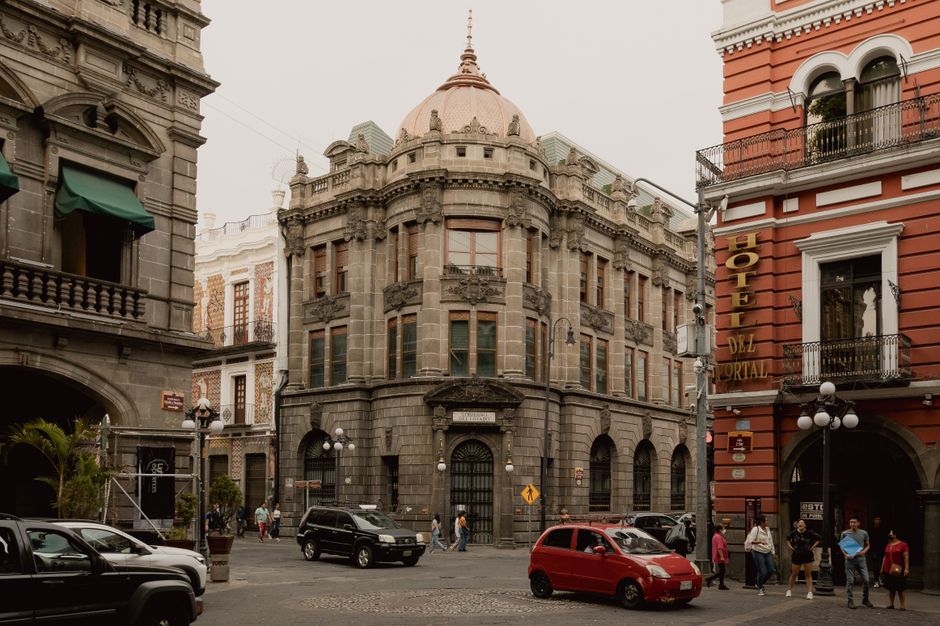
Mexico City’s appearance on the 2026 No List reflects the most rapid overtourism trajectory of any destination on this year’s list. The city’s global cultural cachet surged during and after the pandemic — driven by food tourism, digital nomad migration, and the explosion of hidden gem travel content on social media. The result has been a housing crisis in neighborhoods like Roma Norte and Condesa so severe that longtime residents are being priced out of the city they grew up in.
The tension is visible on the ground. What was once a vibrant local neighborhood restaurant scene in Roma and Condesa now competes with boutique hotels, craft cocktail bars, and trendy brunch spots catering almost exclusively to foreign visitors and wealthy domestic transplants. Monthly rent in these areas has increased by more than 50% in some buildings over three years, according to local real estate tracking data.
Mexico City is still an extraordinary destination — arguably the most culturally rich city in the Western Hemisphere. But traveling there responsibly in 2026 means spreading your tourism spending beyond the gentrified neighborhoods. Stay in Coyoacan. Eat in the Tepito markets. Visit Xochimilco on a weekday. Hire local guides, not international tour operators. The city’s residents are not asking you to stay away — they are asking you to see more of their city than the Instagram-filtered version.
What Responsible Tourism Actually Looks Like in 2026

The phrase responsible tourism gets tossed around so often it has started to feel meaningless. Let me make it concrete. Responsible tourism in 2026 means three specific things: when to go, where to spend, and how to move.
When to go: Shoulder season — April through mid-June and September through October for Europe — cuts crowd intensity significantly at virtually every destination on this list. You get better prices, shorter queues, and more genuine local interactions. The experience is objectively better in almost every measurable way.
Where to spend: Choose locally owned accommodation, restaurants, and tour operators over international chains whenever the option is available. This is not just ethics — it is good travel. The people who know a place best are the people who live there, and local operators give you access that international chains cannot. A family-run agriturismo outside Grindelwald is a better experience than a chain hotel on the main pedestrian strip, and your euros stay in the local economy.
How to move: Overtourism is largely a concentration problem. The crowds cluster at the five famous spots every guide mentions. Move 20 minutes further in any direction and you typically find the same beauty, the same food culture, and a fraction of the people. The Cinque Terre alternative is the towns of the Riviera di Levante. The Santorini alternative is Naxos. The Jungfrau alternative is the Bernese Oberland villages of Brienz or Meiringen. Every overtouristed destination has a lesser-known neighbor that has not yet been crushed by volume. Finding it is the most rewarding travel skill you can develop in 2026.