In Maine’s Western Mountains, Views Don’t Always Come With Jobs—2 Towns Make Very Different Choices
We may earn money or products from the companies mentioned in this post. This means if you click on the link and purchase the item, I will receive a small commission at no extra cost to you ... you're just helping re-supply our family's travel fund.
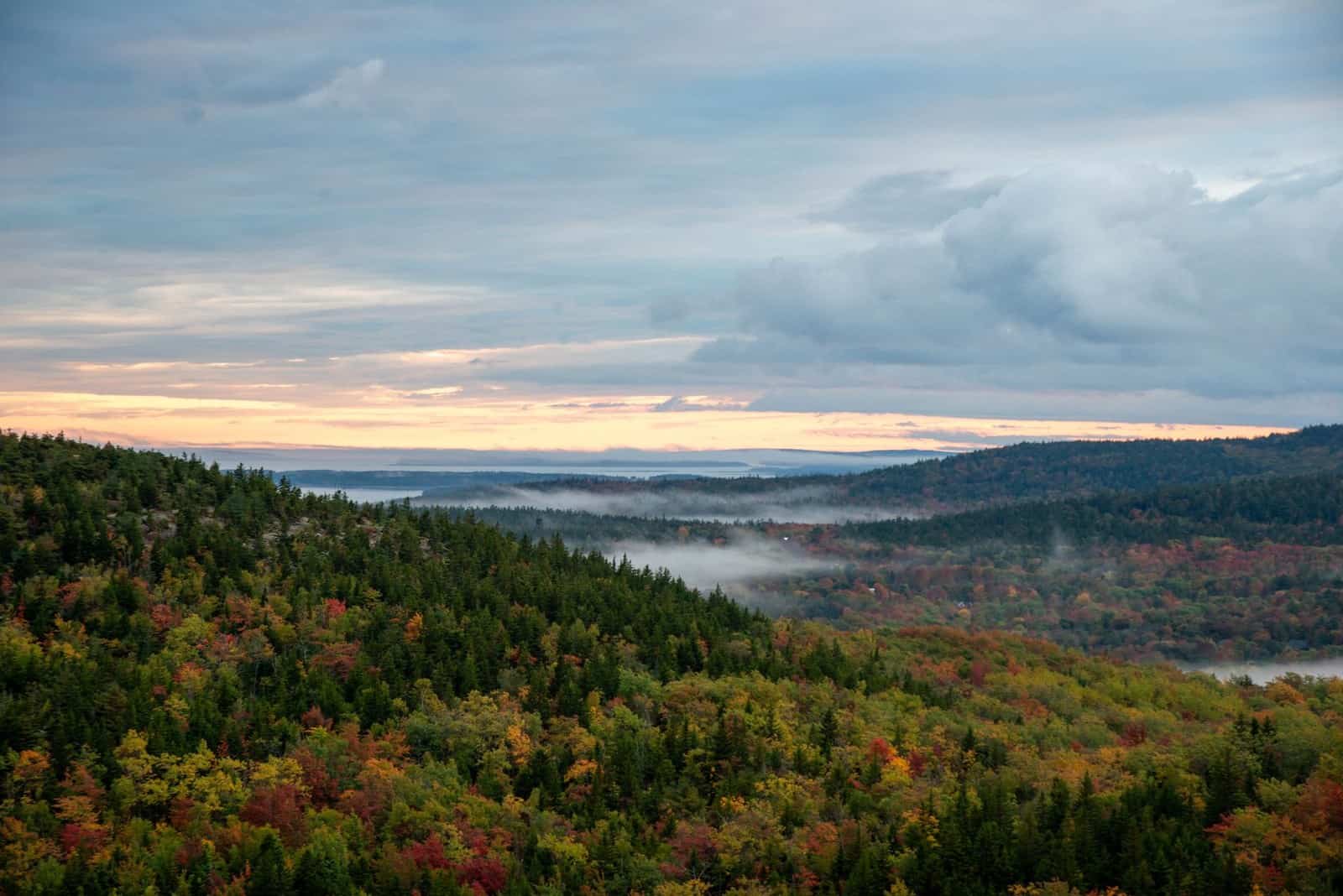
Maine’s Western Mountains are the part of the state that looks like a postcard and pays like a long winter. Lakes, ridgelines and the Appalachian Trail draw visitors, but the year-round work that supports a town does not always follow the views. Two towns about 40 miles apart, Rangeley and Rumford, show how differently a community can respond.
Maine’s Western Mountains: Two Towns, Two Different Choices
The short version is this. Rangeley has built its economy around being a destination, with lakeside camps, seasonal residents, inns and outdoor recreation, and accepts the cycles that come with that. Rumford grew around a paper mill on the Androscoggin River, kept that industrial identity as long as it could, and is now adding outdoor recreation and health care without trying to become a resort.
Neither is the right choice. Each comes with trade-offs for residents, and each gives a visitor a different trip. Here is what the two towns look like, why they differ and how to visit both.
1. Rangeley: The Destination Bet
Rangeley sits at the heart of the Rangeley Lakes region, with a year-round population of roughly 1,000 to 1,200 people. In summer and during holidays the number grows significantly, because many homes belong to seasonal residents. The town’s identity is simple: lakes, fishing, hiking, snowmobiling and skiing.
The economy follows that identity. Inns, guides, restaurants, rental cabins, outfitters and a small group of retailers serve visitors. Construction and property management also depend on the seasonal homes. The area has had a rough ride with its nearby ski area, Saddleback, which closed for several years before reopening under new ownership, a reminder of how fragile a mountain business can be in a small market.
What a visitor sees is a compact, walkable main street along Main Street and Route 4, a lake that reaches the edge of town and a landscape that has been deliberately protected. Land conservation groups, including the Rangeley Lakes Heritage Trust, have conserved significant acreage, which keeps views intact and trails open. That is a choice with a cost, because conserved land can’t be developed for other uses, but it protects the thing visitors came for.
Winter is the quiet time. Snowmobiling brings visitors, and the town runs events, but many businesses shorten hours or close for stretches. A visitor in late fall or early spring should check ahead before expecting dinner.
What to do in Rangeley:
- Drive to the Height of Land overlook on Route 17 for one of the best-known views in the state, looking out over Mooselookmeguntic Lake and Richardson Lake.
- Hike a day trail near town, such as the routes around Rangeley Lake State Park, or take on Bald Mountain for a short climb with a lake view.
- Paddle or fish the lakes, which are known for brook trout and landlocked salmon.
- Walk Main Street for lunch, then browse the small shops.
2. Rumford: The Mill-Town Bet
Rumford is a different kind of place. It sits where the Androscoggin River drops over falls, which made it ideal for powering a paper mill more than a century ago. The mill defined the town for generations, with workers, unions, neighborhoods and local businesses built around its payroll. The mill has changed owners several times and shrunk its workforce along the way, a story that paper towns across northern New England know well.
Rumford has a population of about 5,800 people, much larger than Rangeley, along with a hospital, schools, a grocery store and the other services a bigger community needs. It also has the character of a working town rather than a tourist stop: smokestacks, a river that runs through the middle, and a street grid with churches and corner stores.
Where Rangeley bet on being a destination, Rumford tried to hold on to what it already was. That meant staying loyal to the mill and the jobs it supported while adding smaller pieces. The town has promoted recreation in the nearby mountains, including a small, community-run ski hill called Black Mountain of Maine, which keeps lift tickets cheap and the scene local. The river itself has public access points, and the Mahoosuc Mountains and the Appalachian Trail are close, especially around Grafton Notch.
The risk of this choice is dependence on a single employer. When the mill cuts jobs, the town’s tax base, school budget and small businesses all feel it. The benefit is a stable community with real services and a year-round population that doesn’t empty out when the leaves fall.
What to do in Rumford:
- See the falls and the river near downtown, and take in the scale of the mill from public viewpoints.
- Visit Black Mountain for skiing in winter, or for hiking and biking in other seasons.
- Drive to Grafton Notch State Park, about 25 to 30 minutes away, for waterfalls such as Screw Auger Falls and Mother Walker Falls.
- Eat at a local diner or pizza place, and talk to people. Rumford is not built for visitors, which makes it a good place to meet residents.
Why the Two Towns Diverged
Geography and history explain most of it. Rangeley is high on the edge of a lake system that was already a destination in the 1800s, when wealthy sportsmen came by train and steamboat for fishing and hunting. Rumford grew along a river with a drop that could power a mill, so industry came first and tourism came later.
Their populations differ too. Rangeley’s year-round residents are fewer, older and more tied to seasonal work. Rumford’s are more numerous and include families whose parents and grandparents worked at the mill. These differences shape what each town wants: Rangeley wants fewer limits on tourism and more year-round work, and Rumford wants new employers to replace lost jobs.
What the Two Towns Have in Common
Both face the same pressures. Young people leave to find careers elsewhere. Housing is tight in different ways, with Rangeley’s affordable homes competing against seasonal buyers and Rumford’s older housing stock needing repairs. Both have small hospitals or clinics, long drives to larger services and winters that test budgets.
Both also depend on the same landscape. The mountains and rivers that draw tourists to Rangeley also make Rumford’s quality of life, and the same snowpack and warm-weather trends affect both.
Other Towns Worth a Look Nearby
If you have extra time, consider adding stops that show other versions of the region’s choices. Bethel, about 25 miles from Rumford, mixes a classic village green and Gould Academy with access to Sunday River ski resort in nearby Newry. Farmington, to the east, is a college town with the University of Maine at Farmington and a more diversified economy. Carrabassett Valley, home to Sugarloaf, is a resort community with far more visitors than permanent residents. Each is a different answer to the same question of how to make a living in the mountains.
How the Trip Differs
If you visit Rangeley, expect a polished, destination feel with views, lodging and outdoor gear. Plan for higher prices in summer and holidays, and book rooms early for July, August and fall foliage weekends in late September and early October.
If you visit Rumford, expect a working town with fewer visitor services but lower prices and friendly prices at diners. Lodging is limited, so many visitors stay in Rumford or nearby Bethel and use the town as a base.
Typical lodging costs vary by season. Rangeley rooms and cabins commonly run from about $120 to $250 or more in peak season, and Rumford-area options tend to be less. Check before you go, because rates and availability change.
A Two-Day Route Linking Both Towns
You can see both in a weekend, since they are connected by Route 17, a winding road that crosses the Height of Land.
- Day one: Arrive in Rangeley, walk the lake in the morning, hike a short trail and eat dinner in town.
- Day two: Drive Route 17 south with a stop at the Height of Land, continue to Rumford, see the falls, then take a side trip to Grafton Notch before returning.
Allow extra time in autumn, because leaf-peeping traffic slows the road. Fill your gas tank before you leave Rangeley, because services on the route are limited, and cell coverage can be spotty on the stretch between the two towns.
The Money Question: What Each Choice Pays
The two strategies pay out differently. A destination town like Rangeley earns in bursts: July and August, a few fall weekends, and winter holiday weeks. Wages tend to be seasonal and often come with tips, and many workers piece together two or three jobs across the year. Housing is expensive for people who earn local wages, because second-home buyers can outbid them.
A mill town like Rumford has historically paid steady, year-round wages with benefits, which allowed families to buy homes and send children to college. When the mill shrinks, that stability disappears, and replacement jobs in retail, health care and hospitality usually pay less. That is the core trade: tourism spreads income across many small employers but at lower wages, while heavy industry concentrates it in one place at higher wages and higher risk.
Neither pattern is permanent. Rangeley is working to build year-round residents and remote workers, and Rumford is promoting recreation and small manufacturing. The two towns are slowly moving toward each other.
What Visitors Can Do
You can support either town’s choice in small ways. In Rangeley, visit in a shoulder season when businesses need customers, and hire local guides. In Rumford, eat and shop locally, and consider stopping for a night rather than driving through. In both, buy gas, groceries and gifts in town instead of in a larger city before you arrive.
It also helps to ask questions. Residents are usually glad to talk about what they like and what worries them, from the mill to the lake. Those conversations tell you more about the region than any brochure.
The Bottom Line
Maine’s Western Mountains show that scenery and jobs can come apart. Rangeley chose to be a destination and Rumford chose to stay a working town, and both are still working out what comes next. For a traveler, that means two very different trips, and a drive along Route 17 that connects them is a good way to see how one landscape can support more than one kind of community.