3 Texas Refinery Towns Put Petroleum in Plain Sight. Here’s What It’s Like to Live and Visit Where Gas Actually Comes From
We may earn money or products from the companies mentioned in this post. This means if you click on the link and purchase the item, I will receive a small commission at no extra cost to you ... you're just helping re-supply our family's travel fund.
Texas refinery towns are where the gasoline in your tank begins as a finished product. Along the upper Gulf Coast, crude oil arrives by pipeline and ship and leaves as fuel, plastics feedstock and chemicals. Three towns, Port Arthur, Texas City and Baytown, put that process in plain sight, with flare stacks on the horizon and neighborhoods that sit right up against the fence.
Three Texas Refinery Towns Where Gas Comes From
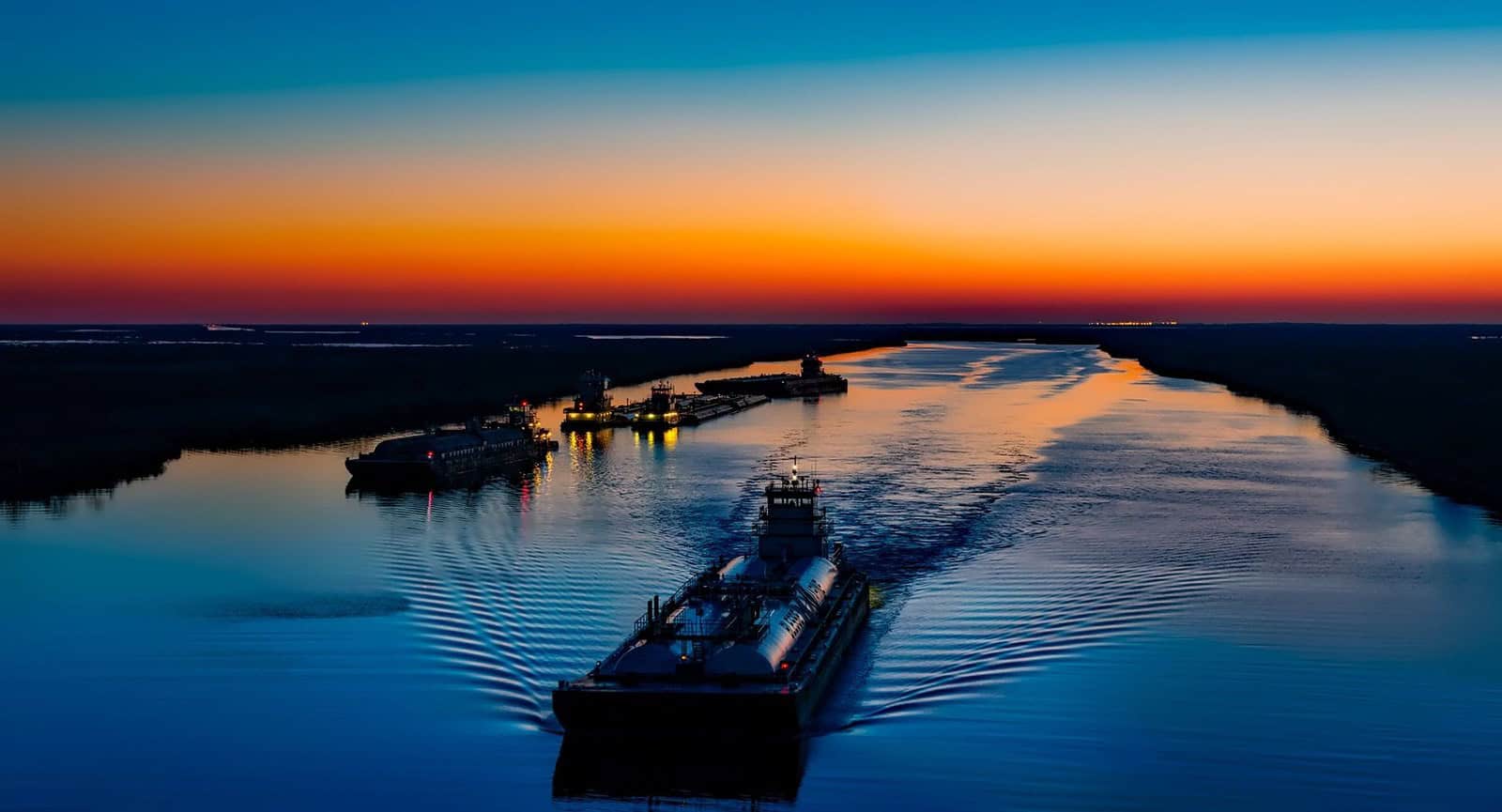
Texas is by far the largest refining state, with roughly 30 percent of the nation’s refining capacity, much of it clustered between Beaumont and Galveston Bay. Port Arthur, Texas City and Baytown are three of the most visible places in that corridor. Each has a distinct history, a different feel and a different set of risks and rewards for the people who live there and for anyone passing through.
None of them is a conventional tourist destination, which is part of their interest. Visiting is less about attractions than about seeing how an industry shapes a town, and eating very well along the way.
1. Port Arthur
Port Arthur sits on Sabine Lake near the Louisiana border, with a population of roughly 55,000. It is home to the Motiva Port Arthur refinery, widely cited as the largest in the United States by capacity at more than 600,000 barrels a day, along with other large facilities run by Valero and TotalEnergies. The refineries and the port are the economic center of the area, and it shows. The skyline is dominated by towers and flares, and the town’s streets are lined with industrial suppliers, contractors and union halls.
Life here means living close to industry. Many residential neighborhoods sit near plant fence lines, and residents and advocacy groups have long raised concerns about air quality and health. Those concerns are part of the local conversation, and they sit beside the fact that refineries provide some of the best-paying jobs in the region, including for people without a four-year degree.
Port Arthur also has real culture. It was the birthplace of Janis Joplin, and the Museum of the Gulf Coast covers local history, including a room on the singer. The city is known for Cajun and Gulf Coast cooking, and there is a notable Vietnamese community, which means excellent crawfish, seafood and pho in the same short drive. The Rainbow Bridge, a tall arched span over the Neches River, is a good place to see the industrial landscape from a distance.
What to do:
- Visit the Museum of the Gulf Coast for local history and the Janis Joplin exhibit.
- Drive across the Rainbow Bridge for a view of the refineries and the ship channel.
- Eat boiled crawfish in season, usually spring, or seafood plates at a local restaurant.
- Take a short drive to Sabine Pass for the battleground state historic site.
2. Texas City
Texas City lies on Galveston Bay, about 40 miles south of Houston, with a population of around 50,000. The Marathon Galveston Bay refinery is one of the largest in the country, and a cluster of chemical plants surrounds the town. The city is also known for one of the worst industrial disasters in American history: the 1947 Texas City disaster, when a ship carrying ammonium nitrate exploded in the port and killed nearly 600 people. A second, smaller tragedy struck in 2005 when an explosion at a BP refinery killed 15 workers.
Those events shape the town’s memory and its attitude toward safety. A memorial near the port honors the 1947 victims, and the city’s history is part of the identity that residents carry.
Day to day, Texas City is a working town with a lively fishing culture. The Texas City Dike, a long breakwater extending about five miles into Galveston Bay, is one of the most popular fishing spots on the upper coast and a good place to watch ships pass, with the refinery skyline behind them. Birdwatchers go to nearby marshes, and the city’s position next to Galveston makes it a cheaper place to stay for people who want to visit the island.
What to do:
- Walk or drive out on the Dike and watch anglers, ships and birds.
- Visit the 1947 memorial and local history displays.
- Stay in Texas City and drive 15 to 20 minutes to Galveston for beaches and dining.
- Try a fish fry or taco spot in town, where portions are generous and prices are low.
3. Baytown
Baytown sits at the head of Galveston Bay, along the Houston Ship Channel, with a population of roughly 80,000 to 85,000. It is home to the ExxonMobil Baytown complex, one of the largest integrated refining and chemical sites in the United States, which includes a refinery of well over 500,000 barrels a day and large chemical plants. Chevron Phillips Chemical also operates a major facility in the area. The size of the industrial footprint is hard to grasp until you cross the Fred Hartman Bridge, a cable-stayed span over the ship channel with a clear view of the plants along the water.
For residents, the industry offers steady employment, and many families have worked in the plants for generations. It also brings the usual concerns about emissions, flaring and the risk of accidents, and local groups and officials track air monitoring data.
Baytown is also greener than you might expect. The Baytown Nature Center, on a peninsula of reclaimed land, has trails, bird habitat and views of the water and the skyline, and it is a good way to see the contrast between ecology and industry. The town has a downtown with older buildings, a local history museum, and a Tex-Mex food scene that is reliably good.
What to do:
- Cross the Fred Hartman Bridge for a skyline view of the ship channel.
- Walk the Baytown Nature Center and look for herons, egrets and migratory birds, especially in spring and fall.
- Browse downtown shops and eat at a local Tex-Mex restaurant.
- Pair a visit with a trip to the San Jacinto Battleground, about a 25-minute drive away.
Why So Many Refineries Sit Here
The Gulf Coast became America’s refining center for practical reasons. Crude oil came out of the ground in Texas and Louisiana, starting with the Spindletop gusher near Beaumont in 1901, and ports and pipelines made it easy to ship products. Deep-water channels allow huge tankers to dock, flat coastal land gives plants room to grow, and a skilled workforce has built up over generations. Today the region also benefits from nearby petrochemical plants that use refinery byproducts as raw materials.
That clustering explains why these three towns feel alike in some ways. Contractors move between plants. Union halls, welding schools and trade programs at local colleges feed the workforce. Restaurants cater to shift workers, so diners open early and lunch is fast and cheap. If you eat where the plant workers eat, you are usually eating well.
How a Refinery Makes Gas
It helps to understand the basics of what you are seeing. Crude oil arrives by pipeline or tanker and goes into towers where heat separates it into fractions with different boiling points. Heavier parts are broken down into lighter ones through further processing. The results are blended into gasoline, diesel, jet fuel and other products, which leave by pipeline, ship, rail or truck. The tall silver towers are distillation or processing units, and the flares are safety devices that burn excess gas. A flare is not always a sign of trouble, but sudden, large flaring events can signal an upset.
What Living Here Is Like
Residents of refinery towns describe a mixed picture. The upsides are real:
- Wages that are often higher than regional averages for many trades.
- A large local employer base and union jobs with benefits.
- A tax base that supports schools, roads and city services.
- A culture of practical, hardworking neighbors who look out for each other.
So are the downsides:
- Air quality concerns, especially for people who live near fence lines.
- The risk of accidents and the memory of past disasters.
- Odors, noise and the visual presence of industry.
- Dependence on commodity cycles, which affect hiring and layoffs.
Many residents say they accept the trade-offs because the jobs are good and the community is strong. Others push for stronger monitoring and regulation. Both views are part of the local story.
What the Food Tells You
The food in these towns reflects who lives there. Port Arthur’s Cajun and Creole cooking comes from neighbors in Louisiana, and its Vietnamese community, which grew after the 1970s, means pho and banh mi appear beside boudin and gumbo. Texas City leans toward seafood from the bay, with fried shrimp and fish plates, and Baytown has an excellent Tex-Mex tradition shaped by decades of Mexican American families working in the plants.
Prices are lower than in Houston or Galveston, and most meals are casual. Expect to pay modest prices for plate lunches and a bit more for seafood by the pound. Seasonal items such as crawfish usually appear in spring, and prices vary with the catch.
Visiting Respectfully
These are working towns, so approach them as a guest. Don’t photograph plant gates or security installations, since facilities are closely watched. Stay on public roads and publicly accessible sites. Ask before photographing residents or their homes. Support local restaurants and shops, and ask people what they would like visitors to know.
Check conditions before you go. Hurricane season runs from June through November, and the Gulf Coast can see flooding, heat and humidity. Spring and fall are the most comfortable seasons.
A Simple Day Trip Plan
If you want to see all three, start in Baytown in the morning, cross the Fred Hartman Bridge and walk the Nature Center. Drive south to Texas City for a late lunch and a walk on the Dike. Spend the evening in Port Arthur or Galveston, about 90 minutes to two hours from Baytown depending on traffic. Port Arthur is about 100 miles from Houston, so it makes a better second day than a stop on the same afternoon.
The Bottom Line
Port Arthur, Texas City and Baytown are the places where gasoline begins. They offer a clear look at an industry, along with food, history, fishing and a few nice surprises such as the Baytown Nature Center. Visit with curiosity and respect, and you will leave with a better sense of where the fuel in your car comes from and who makes it.