Bozeman’s Sprawl Is Reaching Belgrade and Manhattan — Here’s How That Reshapes a Gallatin Valley Trip
We may earn money or products from the companies mentioned in this post. This means if you click on the link and purchase the item, I will receive a small commission at no extra cost to you ... you're just helping re-supply our family's travel fund.
A Gallatin Valley trip used to mean Bozeman, a few good restaurants and a quick run to Yellowstone or Big Sky. Today the valley is one continuous growth zone, with new subdivisions stretching west to Belgrade and Manhattan and traffic that can turn a short drive into a long one. That changes where you stay, when you drive and which town you might want to use as a base.
How Growth Changes a Gallatin Valley Trip
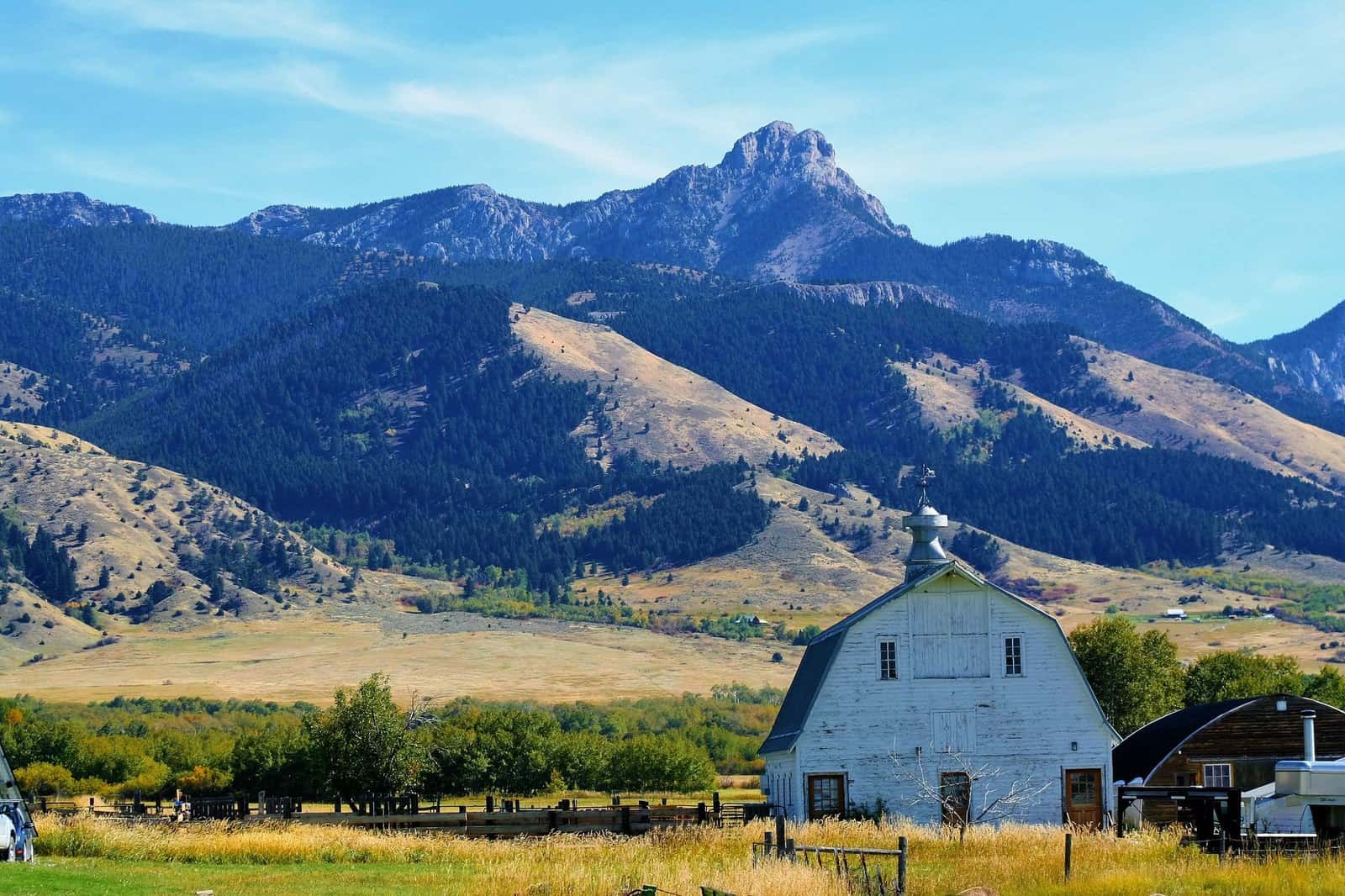
The practical answer comes down to four things. Lodging in Bozeman costs more and sells out earlier than it used to. Roads between the towns, especially I-90 and Highway 191 toward Big Sky, carry far more traffic. Belgrade and Manhattan now offer real alternatives for dining, lodging and errands. And the valley’s character, with farmland between towns, is changing in ways you can see from the highway.
Gallatin County has been one of the fastest-growing places in Montana for years, with a population well above 118,000 in the 2020 census and rising. Bozeman, the county seat and home to Montana State University, has grown past 55,000 residents, and growth has moved outward along the interstate. Here is what that looks like on the ground, and how to plan around it.
Bozeman: The Hub Under Pressure
Bozeman is still the center of the valley, with a walkable Main Street, a university, a dense restaurant scene and a strong outdoor identity. It is also where growth pressure is most visible. Housing prices have climbed far beyond what many local wages support, with median home values well above $600,000. Many people who work in Bozeman’s restaurants, shops and hotels live in Belgrade, Manhattan or further out because they can no longer afford the city.
For visitors, that translates into higher lodging prices and crowded weekends. Rooms in summer and ski season can easily run $200 to $350 a night, and in peak weeks higher. Parking downtown is competitive, and popular restaurants may have waits or require reservations.
None of that means skipping Bozeman. Main Street, the Museum of the Rockies with its dinosaur collection, and trailheads such as the Gallatin Crest and Drinking Horse Mountain are worth a day. The point is to be strategic about how much of your trip you spend there.
Belgrade: The Gateway Town
Belgrade sits about 10 miles west of Bozeman and is home to Bozeman Yellowstone International Airport, the busiest in Montana. If you fly in, you land in Belgrade’s backyard, and many visitors pass through the town without seeing it.
Belgrade has changed fast. A once-small farm town has become a fast-growing community of around 10,000 with subdivisions, shopping centers, restaurants and breweries. It has a small historic Main Street, a community park and a growing set of local businesses. It is also where a lot of the valley’s workforce lives.
For a visitor, Belgrade works as a base if you want lower prices and easy airport access. Lodging tends to cost less than in Bozeman, and chain hotels near the interstate offer reliable options. Dinner is more casual, but there are good local places, and you can reach Bozeman in 15 to 20 minutes outside of rush hour.
The trade-off is character. Belgrade feels less like a mountain town and more like a growing suburb, with strip malls and new construction at the edges. If you want a walkable evening, you will drive into Bozeman.
Manhattan: The Small Town Holding On
Manhattan, Montana, is a small farming town of roughly 2,000 people about 15 miles northwest of Bozeman along the Gallatin River. It has long been known for its malting barley, grown in the valley and used by brewers. It has a classic main street, a few bars and restaurants, and a quieter pace than Bozeman or Belgrade.
Growth is reaching it. New subdivisions are going up, and farmland between Manhattan and Belgrade is under pressure. Some residents welcome the new customers and school enrollment; others worry about losing the farm town character. It is a place where the growth debate is easy to see.
For visitors, Manhattan offers a different experience: a short drive to a place where locals know each other, and where a burger and a beer feel like the real thing. It is not a base for most trips, but it is a pleasant stop on the way to or from the Three Forks area and Missouri Headwaters State Park, about 20 minutes away.
Traffic: The Biggest Change You’ll Feel
The most noticeable change for visitors is traffic. I-90 between Belgrade and Bozeman is busy at commute times, and the road south to Big Sky on Highway 191 through the Gallatin Canyon carries heavy summer and winter traffic, along with trucks and frequent construction. That canyon road is narrow, winding and slow when conditions are poor.
Tips for handling traffic:
- Avoid driving through Bozeman between about 7:30 and 9 a.m. and 4:30 and 6 p.m. if you can.
- Leave early for Big Sky or Yellowstone to get ahead of the crowd.
- In winter, check road conditions on the state transportation website before driving the canyon.
- Allow extra time for the airport on holiday weekends, as parking and security lines can be long.
Where to Stay
Match your lodging to your plans:
- Bozeman: best for walkable dinners, nightlife and a short drive to trailheads. Book early, especially in summer and during winter holidays.
- Belgrade: best for airport access, lower prices and families who prefer a quieter evening. It’s a practical choice for short trips.
- Manhattan: best for visitors who want a small-town feel and don’t mind driving 20 minutes to Bozeman.
- Big Sky: pricey but close to skiing and hiking if that is your main goal. It is about 45 to 50 miles south of Bozeman.
Rates swing widely with season, so treat any price as a rough guide and check current availability before you commit.
What to Eat and Do Outside Bozeman
The smaller towns reward curious travelers. In Belgrade, look for local breweries and casual restaurants that cater to workers. In Manhattan, try the local bars and diners. Both are good places to hear how the valley is changing from the people who live there.
Outdoor options are close from all three. The Gallatin River, famous for fly fishing and rafting, runs through the valley, and Bridger Bowl is a locally loved ski area about 20 miles from Bozeman. Hyalite Canyon, south of town, has waterfalls, hiking and ice climbing in winter. Madison Valley and the Missouri Headwaters are an easy day trip to the west.
A Sample Three-Day Plan
Use this as a template and adjust to your interests:
- Day one: Fly into Belgrade, check into a hotel there, and drive to Bozeman for a walk down Main Street and dinner.
- Day two: Start early for Hyalite Canyon or a drive to Yellowstone’s north entrance area, return via Livingston for a late lunch, and have a quiet dinner in Belgrade.
- Day three: Visit the Museum of the Rockies in the morning, then drive to Manhattan and on to Missouri Headwaters State Park before heading back to the airport.
That plan uses each town for what it does best and avoids the heaviest traffic windows.
How Growth Shapes the Landscape
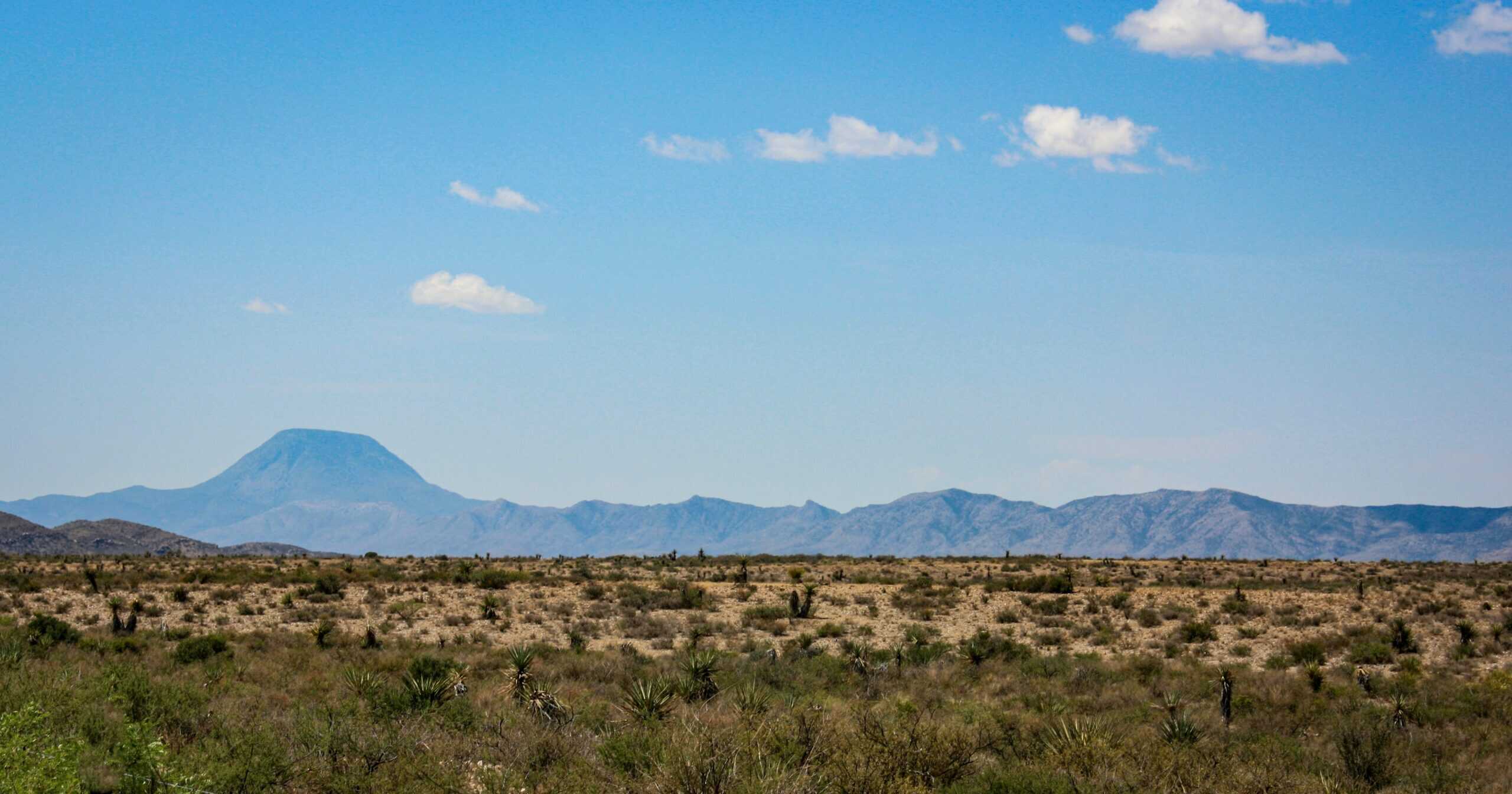
Drive from Belgrade to Manhattan, and you can see the shift: fields still stretch out beside the road, but new subdivisions and warehouses are appearing. Land that held hay and barley is being converted to housing. The valley is slowly losing the open space that made it famous.
Local land trusts and conservation easements are trying to protect farmland, and some fields remain working agricultural land. As a visitor, you can support that effort by buying local food, visiting farm stands and respecting private property.
Timing Your Visit Around the Growth
Seasons still matter even in a growing valley. Summer, from late June through August, is busiest, with Yellowstone traffic, weddings and festivals filling hotels. The Sweet Pea Festival in August is one example of an event that draws crowds. Winter brings skiers to Bridger Bowl and Big Sky, and holiday weeks are the most expensive. Spring, in April and May, can be muddy, but rates drop and the valley is green. September and early October offer warm days, cooler nights, golden cottonwoods and fewer visitors.
If you can pick your dates, mid-September is a strong choice. Lodging is easier to find, trails are open, and roads are less crowded than in July.
What Locals Say About the Change
Many locals describe a mix of pride and strain. They are proud of the valley’s growth, schools and economy, and frustrated by housing prices, traffic and the sense that long-time residents are being priced out. Some wish for slower growth, and others see opportunity. Whichever view you encounter, it is a fair reminder that you are visiting a place under pressure.
If you want to help, be patient with service in busy places, tip well, and book direct with local businesses when you can.
The Bottom Line
A Gallatin Valley trip today is more than a Bozeman weekend. Growth has pushed up prices and traffic, and it has made Belgrade and Manhattan more useful as bases or stops. Book early, plan your drives around rush hour, and use the smaller towns to your advantage. The valley is still beautiful, and seeing it as it changes is part of the experience.