The Appalachian Trail Crosses 14 States—Here’s How a Trail Town Works When You Reach One
We may earn money or products from the companies mentioned in this post. This means if you click on the link and purchase the item, I will receive a small commission at no extra cost to you ... you're just helping re-supply our family's travel fund.
The Appalachian Trail crosses 14 states, from Georgia to Maine, and along the way it passes through or near dozens of small towns that hikers depend on. An Appalachian Trail town is where a hiker eats a real meal, washes a week of sweat out of their clothes and picks up a box of food. If you reach one, whether on foot or by car, knowing how it works makes the visit better for everyone.
How an Appalachian Trail Town Works
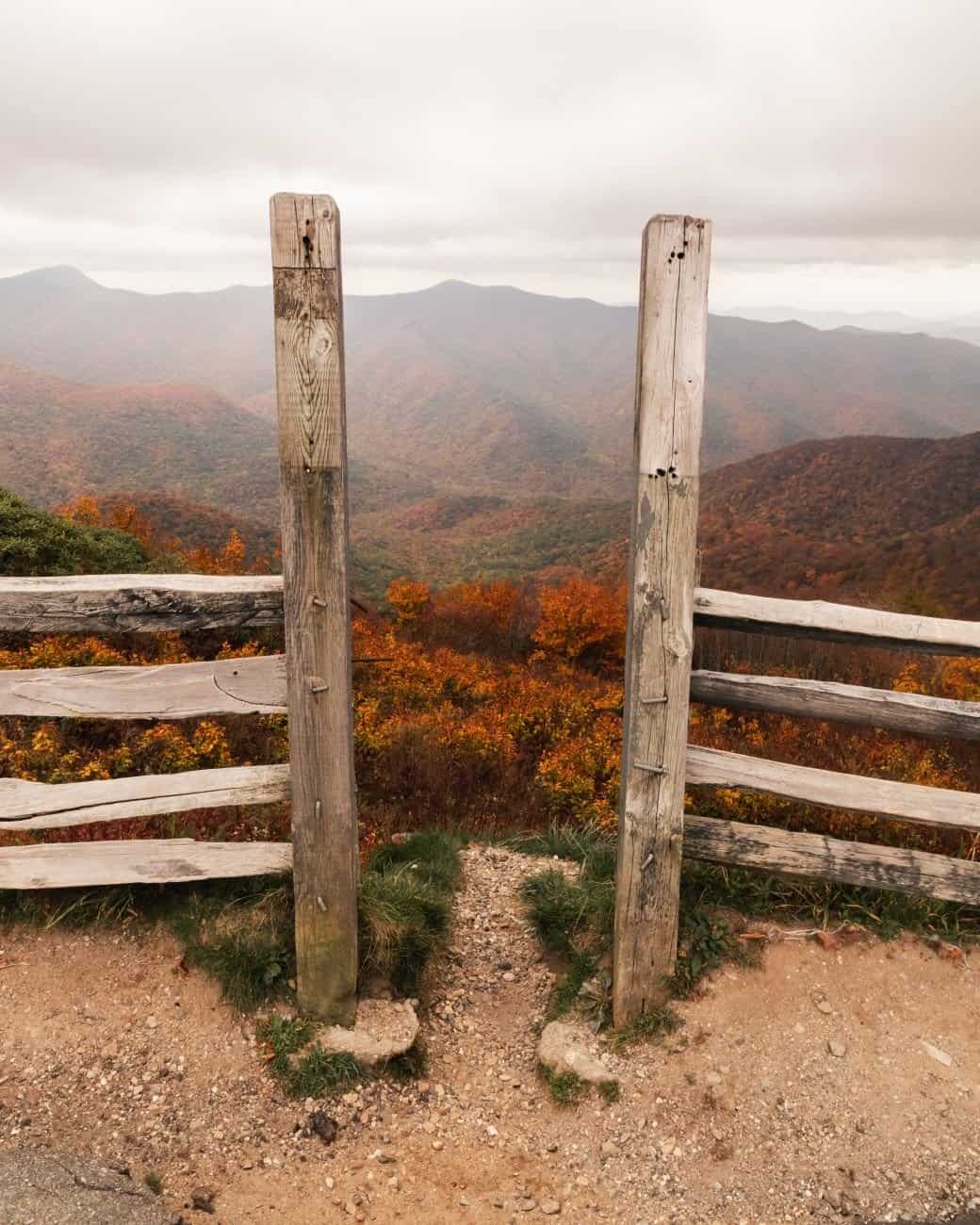
Here is the basic idea. The trail itself runs about 2,190 miles through Georgia, North Carolina, Tennessee, Virginia, West Virginia, Maryland, Pennsylvania, New Jersey, New York, Connecticut, Massachusetts, Vermont, New Hampshire and Maine. Most of it is far from stores, so hikers leave the woods every few days to resupply. The towns that sit close enough to the trail, or that the trail passes through, have organized themselves around that rhythm. Hostels, outfitters, restaurants, laundromats and shuttle drivers all serve a steady flow of hikers, especially from March through June when northbound thru-hikers move through the South.
Some towns, such as Hot Springs, North Carolina, are literally on the trail. In others, hikers walk a mile or two, or hitch a ride, to get in. Either way, the town and the trail depend on each other: hikers bring business, and the town gives them a place to rest.
What a Hiker Does in a Trail Town
A typical stop follows a routine, which is useful to know if you are visiting and want to understand what is going on around you:
- Hikers arrive tired, hungry and often a little dirty, and head for a meal first.
- They check into a hostel, motel or campground and shower.
- They do laundry, often in a borrowed outfit or wrapped in a towel while their clothes wash.
- They buy food for the next stretch, from a grocery, outfitter or a box mailed ahead.
- They repair or replace gear, such as boots, filters, stoves or trekking poles.
- They call home, charge devices and sleep in a real bed.
- A day off the trail is called a zero day, a day with a short hike is a nero.
Expect hikers to eat huge amounts. After days of long miles, many consume 4,000 to 6,000 calories a day, which is why all-you-can-eat breakfasts and pizza are trail town staples.
Trail Towns Worth Knowing
The trail has dozens of communities that welcome hikers. Here are some of the best known, spread across several states.
Hot Springs, North Carolina
The trail runs right down the main street, marked with metal blazes in the sidewalk. Hot Springs is a small town of about 500 people on the French Broad River, with a long history as a spa town. Hikers come for hostels such as Elmer’s Sunnybank Inn, outfitters and the town’s natural mineral baths. It is a favorite early stop for northbound hikers.
Damascus, Virginia
Damascus calls itself Trail Town USA and hosts Trail Days each May, a festival that draws thousands of hikers, former hikers and visitors. Several long trails meet here, including the Virginia Creeper Trail, a popular bike route. The town has hostels, outfitters and restaurants, and its small size makes it easy to walk everywhere.
Harpers Ferry, West Virginia
Harpers Ferry is home to the Appalachian Trail Conservancy’s headquarters, and thru-hikers often stop to have their photo taken for the Conservancy’s records. The town is also a national historical park, with preserved buildings from the Civil War and John Brown’s raid. It is a good place for visitors who want history and trail culture together.
Duncannon, Pennsylvania
Duncannon is a small town on the Susquehanna River with a classic hiker hotel and bars that have served trail travelers for generations. It marks a milestone for many hikers heading north, who have entered the rocky, challenging sections of Pennsylvania.
Monson, Maine
Monson is the last town before the 100-Mile Wilderness, the longest stretch of the trail without road access. Hikers resupply heavily here, and local hostels such as Shaw’s have a reputation for large breakfasts and friendly hosts. Monson is a very small community with limited services, so it is easy to see how much the town relies on hikers.
Where the 14 States Fit In
The trail changes character from state to state, and so do its towns. In Georgia, North Carolina and Tennessee, towns such as Hiawassee, Franklin, Hot Springs and Erwin serve hikers just after the start, when many are still adjusting to life on the trail. Virginia holds more trail miles than any other state, roughly a quarter of the total, and has the greatest number of trail communities, including Damascus, Troutville, Waynesboro and Front Royal. West Virginia and Maryland offer a short stretch with Harpers Ferry at its center.
Pennsylvania’s rocky ridges lead to towns such as Boiling Springs and Duncannon, and the halfway point falls near Pine Grove Furnace State Park, where tradition calls for hikers to try eating a half gallon of ice cream. In New Jersey and New York, the trail passes within reach of big-city suburbs, and a train stop near Pawling, New York, lets hikers reach New York City in about an hour and a half. New England adds villages such as Great Barrington in Massachusetts, Manchester Center in Vermont, Hanover in New Hampshire and, at the end, Monson and Millinocket in Maine. Each state gives a hiker a slightly different version of the same bargain: shelter, food and a welcome.
What Visitors Should Know If They Aren’t Hiking
You don’t have to carry a pack to enjoy a trail town. If you arrive by car, you will usually find a welcoming main street, local cooking and a strong sense of community. A few things help.
- Expect to share space. Restaurants and laundromats may be busy with hikers during peak season, so be patient.
- Be ready for a casual dress code. Many hikers wear the same clothes for days, and locals are used to it.
- Ask before you photograph people. Hikers are used to cameras but it is polite to ask.
- Listen to stories. Many hikers love to talk about where they started and what they have seen, and you may learn something.
- Consider day-hiking a section. Many trail towns have short sections of the trail that visitors can walk in a few hours, with parking at the trailheads.
Etiquette for Everyone
Trail towns run on goodwill, and a few simple habits keep it going:
- Spend money locally. Trail towns are small, and hikers and visitors keep the businesses open.
- Don’t take from a hiker box unless you are a hiker. These free boxes hold leftover food and gear for people on the trail.
- Don’t leave trash in public spaces, and follow Leave No Trace principles.
- Respect private property. Not every field or yard is an official campsite.
- Drive carefully, since hikers often walk along roadsides.
- Don’t treat hikers like attractions. They are people working hard to finish a long journey.
Costs You Can Expect
Prices vary widely, so treat these as ranges and check ahead. Hostel bunks commonly cost $25 to $50 a night, with private rooms and motel stays costing more, often $90 to $180 in popular towns during the busy season. A big breakfast might run $10 to $18, laundry a few dollars, and resupply for a few days $50 to $100 depending on appetite. Shuttles to or from the trail may cost $10 to $30 or more depending on distance.
Rides, Shuttles and Mail Drops
Getting between trail and town is part of the system. Where a road crossing is several miles from a town, hostels and local drivers run shuttles, often for a small fee or a donation. Some hikers hitchhike, a practice that varies in safety and legality by state, and many trail towns have informal rules to help hikers find rides. Others walk in.
Mail drops are another trail town tradition. Hikers send themselves boxes of food, gear and maps to post offices and hostels in advance, and the post office holds them under the hiker’s name. A small post office in a trail town may handle hundreds of these parcels a year, which can be a real contribution to the local economy and a source of local stories.
When to Visit
Timing changes the experience. The peak for northbound hikers in the southern states is March through May, and Trail Days in Damascus in mid-May is the busiest weekend of the year. The northern states see the most hikers in summer and early fall, when the trail finishes at Katahdin in Maine. Fall foliage season brings many day visitors to places like Harpers Ferry and the Berkshires. Winter is quiet, and some hostels close, so check hours.
Why These Towns Matter
For many small communities, trail traffic is a lifeline. Hikers support hostels, shuttle drivers and restaurants through the year, and the trail brings in day-trippers and tourism dollars. In some towns, trail culture shapes civic life, with volunteers maintaining sections of the trail and organizing festivals. The relationship isn’t always simple, because crowds can strain housing and parking, but most trail towns see hikers as part of their identity.
The trail itself is run largely by volunteers, with the Appalachian Trail Conservancy and local clubs maintaining shelters, bridges and blazes. A visit to a trail town is also a chance to see how that volunteer network supports hikers.
How to Plan a Trail Town Visit
If you want to visit a trail town by car, a short plan helps:
- Pick one or two towns within a day’s drive, and avoid crowded festival weekends unless that’s your goal.
- Book lodging early for Trail Days and fall foliage weekends.
- Pack layers and a rain jacket if you plan to walk any section of the trail.
- Bring cash, since a few small businesses prefer it.
- Check trail conditions before you set out, because storms and maintenance can close sections.
The Bottom Line
An Appalachian Trail town is a small place with a big job: feeding, sheltering and supporting people on a long journey. Understanding how it works helps you be a better guest and see why the trail matters to the communities along it. Whether you walk in or drive in, spend locally, stay respectful and let the town show you what a long trail is really like.