Peoria, Illinois Has a Caterpillar Visitors Center, a Riverfront, and 110,000 People. Here’s What the Town Behind the Cliché Looks Like
We may earn money or products from the companies mentioned in this post. This means if you click on the link and purchase the item, I will receive a small commission at no extra cost to you ... you're just helping re-supply our family's travel fund.
Peoria, Illinois has about 110,000 residents, a Caterpillar Visitors Center downtown and a long riverfront on the Illinois River. For decades the city has been a punch line, thanks to the old vaudeville question of whether something would play in Peoria. The real place is a mid-sized river city with a working-class history, a growing health care economy and more going on than the joke suggests.
What Peoria, Illinois Looks Like Behind the Cliché
Peoria is the largest city on the Illinois River and the center of a metro area of roughly 400,000 people in central Illinois, about 160 miles southwest of Chicago and 170 miles northeast of St. Louis. The 2020 census counted about 113,000 people in the city proper, and estimates since then run around 110,000. It is a place of older neighborhoods, bluffs above the river, big hospitals and a downtown that has been reinventing itself.
The cliché comes from the vaudeville era, when performers used Peoria as a test of whether an act would appeal to ordinary Americans. The phrase, “Will it play in Peoria?” stuck in politics and marketing for a century. Understanding the real city means looking at what it is built on: manufacturing, a river and a lot of hospitals.
The Caterpillar Story
Caterpillar, the maker of earthmoving equipment, traces its roots to the Peoria area, where the companies that merged to form it were based in the early 1900s. The company grew into one of the largest employers in central Illinois, with factories in Peoria and East Peoria and a large share of the region’s well-paid jobs. Caterpillar moved its corporate headquarters out of Peoria to the Chicago suburb of Deerfield in 2017, and later to Irving, Texas, in 2022, which was a symbolic blow to the city. The company still operates a significant presence in the area, including manufacturing, research and engineering.
For visitors, the Caterpillar Visitors Center in downtown Peoria is a good introduction. It features exhibits on the company’s machines and history, including large equipment you can climb on or look at up close. Tours of factories in the area have varied over time, so check the company website and call ahead before you plan around one.
The Riverfront
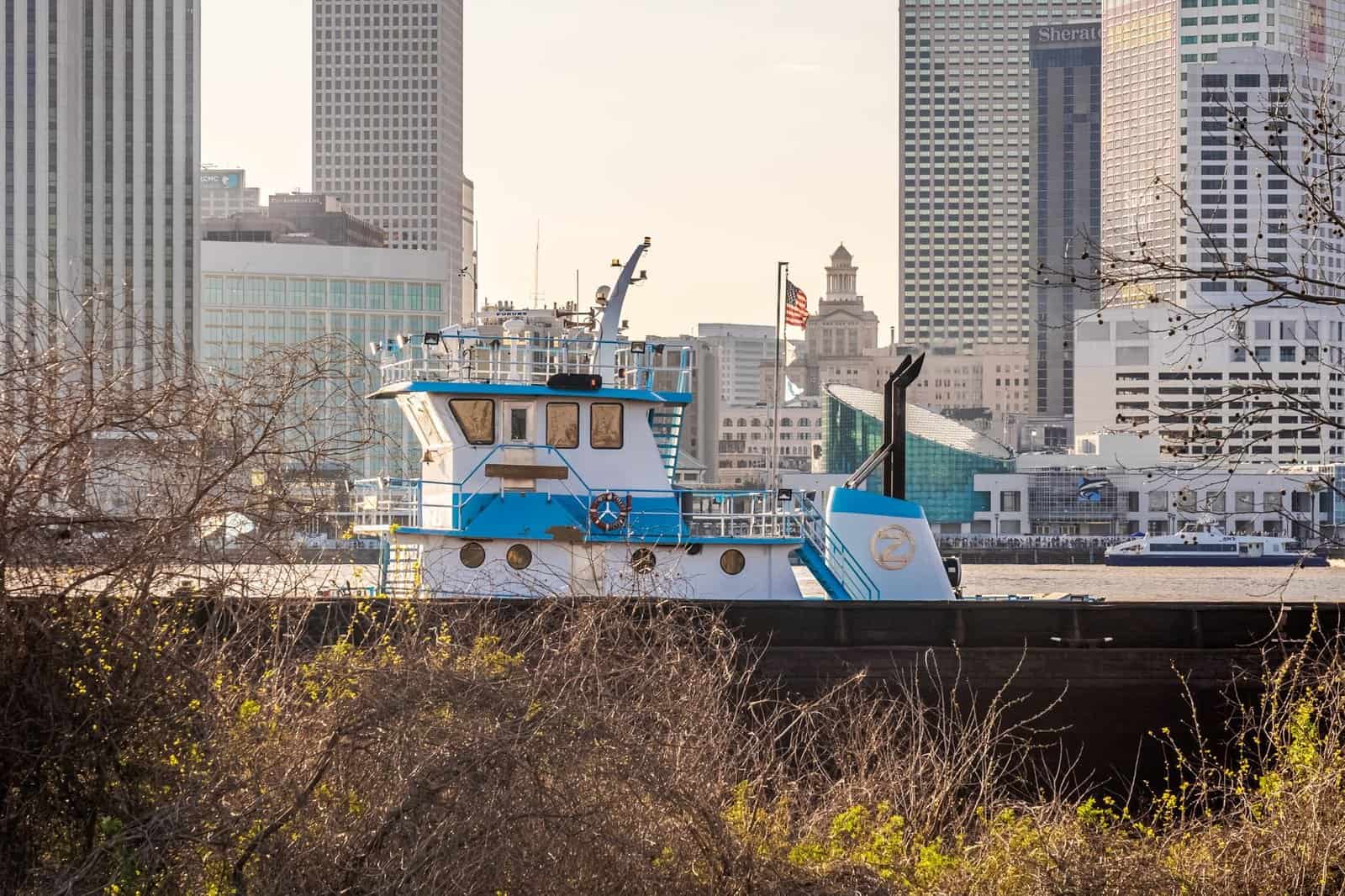
Peoria’s riverfront is the part of the city most likely to surprise visitors. The Illinois River widens here into Peoria Lake, and the downtown sits on a bluff above the water. The city has spent years improving the waterfront with parks, a riverwalk, public art and an entertainment district. Dining spots and bars with views of the river stay busy in warm weather, and the Spirit of Peoria, a riverboat, has offered cruises in season.
The Peoria Riverfront Museum, which opened in 2012, houses art, science and history exhibits, a planetarium and an IMAX-style theater. It is a good rainy-day option and a sign of the investment in downtown. Nearby, the Peoria Chiefs, a minor league baseball team, play at Dozer Park, named for the Caterpillar bulldozer, where tickets are inexpensive and the atmosphere is relaxed.
A Health Care Economy
The biggest shift in the past two decades is the rise of health care. OSF HealthCare and UnityPoint Health run large hospitals and training programs, and the University of Illinois College of Medicine has a campus in Peoria. Those institutions employ thousands of people and attract patients from across central Illinois. OSF Saint Francis Medical Center is a major regional hub and is home to a nationally known simulation and innovation center.
That change matters for the city’s identity. Peoria is less of a factory town and more of a medical and professional center, even though manufacturing remains important. It has also made the city more stable than many Rust Belt peers, though population has slipped slowly for decades.
A Quick History
Peoria is one of the oldest European settlements in Illinois, founded as a French trading post in the 1600s, and the city later grew into a hub for river trade and industry. In the 1800s it became famous for distilling, with a large number of distilleries along the river and a reputation as a whiskey capital. Prohibition ended that era, but the legacy lives on in local lore and a few small craft distilleries and breweries today.
Later industries included agricultural equipment, steel and food processing, and the city’s railroads and highways kept it connected. The decline of heavy manufacturing in the late 20th century left scars, with plant closures and job losses, which shaped the city’s character: practical, a bit wary and proud of its toughness.
Neighborhoods and Drives
A few places show the character of the city:
- Grandview Drive, a scenic road along the bluffs above the river, is often described as one of the most beautiful drives in the state and offers views across the valley.
- The Warehouse District in downtown has been revived with restaurants, breweries, apartments and offices in old industrial buildings.
- The Peoria Heights area, just north, has a small business district with local shops and eateries.
- Bradley University, a private school founded in 1897, anchors a leafy neighborhood on the hill.
- The Rock Island Greenway and other trails give runners and cyclists a way to move through the city.
What to Eat
Peoria’s food scene reflects a mix of Midwestern comfort and immigrant traditions. Look for old-fashioned supper clubs, tavern-style pizza, Italian-American places, and steak and seafood spots. Local breweries and distilleries serve craft drinks, and downtown has newer restaurants with outdoor tables near the river. Prices are modest compared with Chicago, and a good dinner for two often runs $40 to $80 without alcohol. Check hours, because smaller restaurants may close on Sunday or Monday.
Visiting Peoria: A Simple Itinerary
If you have a weekend, here is one way to spend it:
- Day one morning: Visit the Caterpillar Visitors Center and walk downtown.
- Day one afternoon: Explore the Peoria Riverfront Museum and the riverwalk.
- Day one evening: Eat at a restaurant in the Warehouse District and catch a baseball game in summer at Dozer Park.
- Day two morning: Drive Grandview Drive and stop at a lookout.
- Day two afternoon: Visit Wildlife Prairie Park, a zoo and nature park with native animals in a large wooded setting, about 15 minutes outside the city.
The best seasons are late spring through early fall, when the river is lively and events are in full swing. Winters can be cold and gray.
The Neighborhood Economy
Peoria’s recent growth stories are mostly small. Old industrial buildings in the Warehouse District have turned into apartments and restaurants. The city’s riverfront parks host concerts and festivals through the summer, including events that draw people from across the region. Small manufacturers, food producers and breweries have opened in former factory spaces, and the East Bluff and West Bluff neighborhoods, with their older houses and tree-lined streets, attract buyers who want character at lower prices than in Chicago.
At the same time, some neighborhoods on the south side face vacant lots and disinvestment, and city leaders talk openly about how to spread the benefits of downtown investment more widely. A visitor staying downtown will see the best side of Peoria, and a short drive through other neighborhoods shows the full picture.
Events Through the Year
The calendar gives visitors reasons to plan around specific weekends. Summer is full of concerts and riverfront festivals. Peoria Chiefs baseball runs from spring to early fall. Fall brings high school and college sports, with Bradley University basketball a winter favorite at Carver Arena. The Peoria Civic Center hosts touring shows, hockey and conventions. Check local calendars before you go, because event dates change from year to year.
What Locals Say About the City
Many residents describe Peoria as a good place to raise a family, with affordable housing, good medical care and a reasonable cost of living. They are proud of the riverfront and of the city’s resilience. They also acknowledge challenges: population decline, uneven opportunity across neighborhoods, crime concerns in certain areas and the loss of corporate headquarters.
The cliché still annoys some locals, and others embrace it with humor. A visitor who shows real interest, asking about neighborhoods, food and history, is usually welcomed.
A Few Practical Notes
Peoria sits in the central time zone and is flat in most places except the bluffs, so a bicycle or a walk along the riverfront is easy. Downtown is compact enough to cover on foot, but the best neighborhoods are spread out and require a car. Weather matters: summers are hot and humid, with temperatures in the 80s and 90s, and winters are cold and windy with occasional snow. Spring and fall are the most comfortable seasons. Bring a light jacket in the evening, even in summer, because river breezes can cool things down.
Getting There and Around
Peoria is served by the General Wayne A. Downing Peoria International Airport, with flights to hubs such as Chicago, Dallas and Charlotte. Driving from Chicago takes about two and a half to three hours on I-55 and I-74, and from St. Louis about three hours. There is no passenger rail service, so a car is the practical option. Downtown parking is generally easy and inexpensive compared with larger cities.
Lodging ranges from chain hotels to a few boutique options downtown, with rates commonly around $100 to $180 a night depending on season and events. Check availability on weekends when concerts or sporting events are scheduled.
Why It Matters
Peoria offers a view of a type of American city that rarely gets much attention: a mid-sized place that has lost some of its industrial base but kept its institutions and its sense of identity. It’s a place where health care, manufacturing, education and small business coexist. Seeing it up close challenges the lazy stereotype.
The Bottom Line
Peoria is more than a punch line. It is a river city with about 110,000 people, a real downtown, a big hospital economy and a manufacturing legacy that still shapes its identity. If you give it a weekend, you will find good food, a pleasant waterfront and a city with a story that is more interesting than the cliché.