Chicago’s Outer Neighborhoods Aren’t One Housing Market—These 3 Areas Show Why the Difference Matters
We may earn money or products from the companies mentioned in this post. This means if you click on the link and purchase the item, I will receive a small commission at no extra cost to you ... you're just helping re-supply our family's travel fund.
Chicago outer neighborhoods housing is not one market. People who say the city’s edges are cheaper, quieter, and more suburban are describing a mix of places that vary a lot in price, building type, and how they connect to downtown. Three areas show why: Edison Park on the far northwest side, Beverly on the far southwest side, and Hegewisch on the far southeast side.
Each has a different history, a different housing stock, and a different way of reaching the Loop. This guide covers all three, with approximate price ranges drawn from commonly reported data. Prices change, so check before you buy, rent, or visit.
Three Areas That Show Chicago Outer Neighborhoods Housing Differs
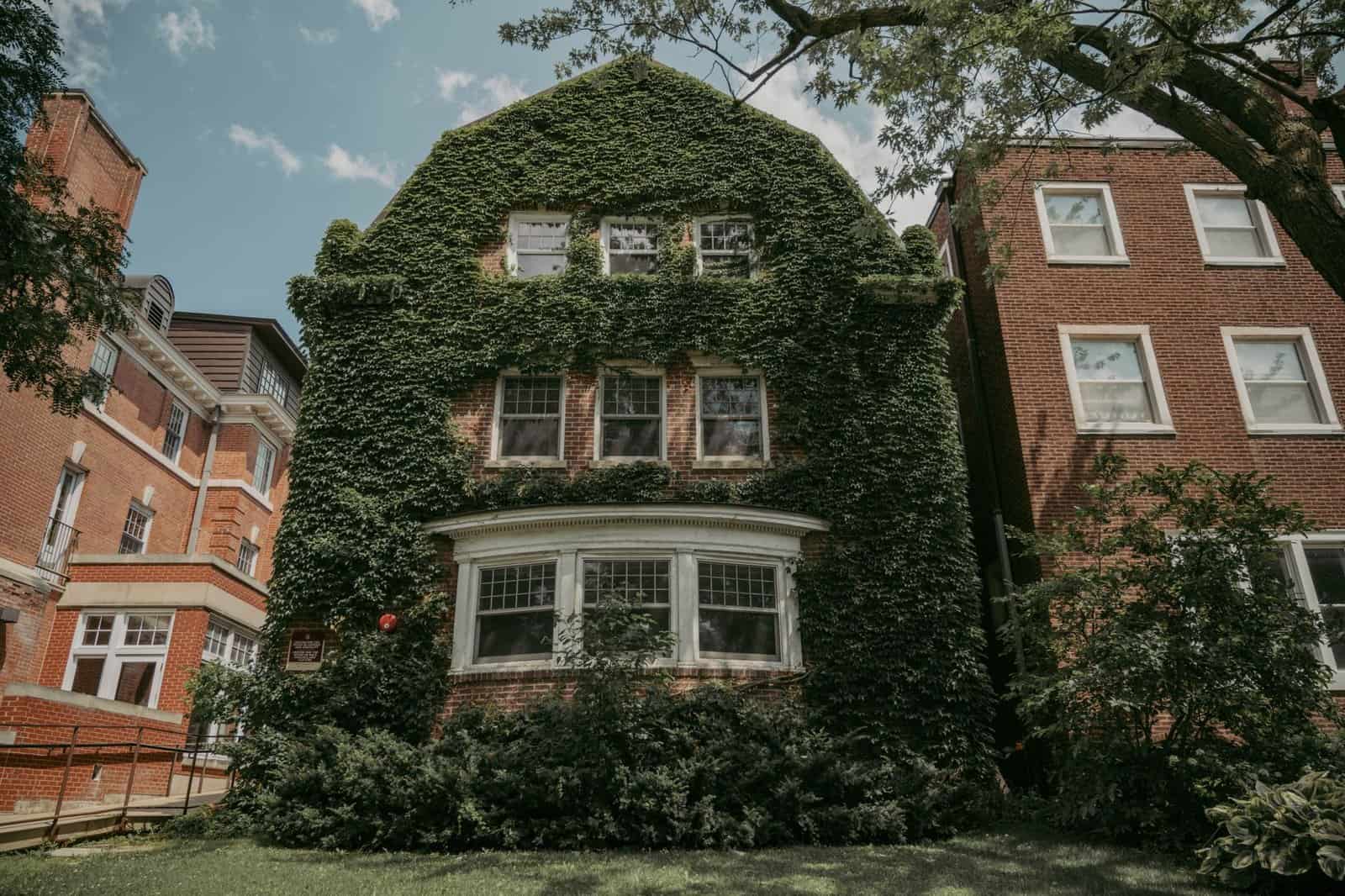
Chicago has 77 community areas, and the outer ones often feel like small towns inside a big city. Many have single-family homes, tree-lined streets, and local main streets. But the details differ. Some are close to Metra commuter rail, some depend on buses, and some are far from any train. Some have a mix of bungalows and Georgian brick homes, and others have large Victorian houses or small frame workers’ cottages.
1. Edison Park: Northwest Side Village Feel
Edison Park sits at the northwestern edge of the city, near the suburbs of Park Ridge and Harwood Heights, with about 11,000 residents. It has a walkable commercial strip along Northwest Highway, a Metra station on the Union Pacific Northwest line, and a mix of brick bungalows, Georgian homes, and some larger houses. Many residents are city workers such as firefighters, police officers, and teachers, as well as families with long ties to the area.
Housing costs are above the city’s outer-area median. Typical single-family homes often sell in the range of about 400,000 to 550,000 dollars, according to commonly cited listings and estimates, and prices have risen steadily in recent years. Condos and apartments are fewer, so rental options are limited, and one-bedroom units commonly rent for about 1,300 to 1,800 dollars when available. Property taxes are significant, as in much of Cook County.
What it feels like: a suburban pace within the city limits. There are parks, a local library branch, strong neighborhood associations, and annual events like a summer festival. Commuting by Metra to downtown takes around 25 to 35 minutes, depending on the train, and the O’Hare airport is close. Visitors can stroll the Northwest Highway shops and cafes and visit nearby forest preserves. The trade-off is limited nightlife, a higher cost for a house, and car dependence for many errands.
2. Beverly: Leafy Southwest Side With Big Houses
Beverly, on the far southwest side, is known for its hills, large trees, and architecturally varied homes. It has about 20,000 residents and a strong community identity, with a mix of Irish American heritage and growing diversity. Beverly’s streets include Prairie-style, Queen Anne, and Tudor homes, many on generous lots, and the neighborhood is one of the few in Chicago with a noticeable rise in elevation along the Blue Island Ridge.
Prices are lower than in many similar-looking suburbs, but have been rising. Typical homes often sell in the range of about 300,000 to 450,000 dollars, with large historic houses reaching higher. Rents for apartments are modest, and one-bedroom units commonly cost about 1,000 to 1,500 dollars. Like Edison Park, property taxes are an important part of ownership costs.
What it feels like: a village-like neighborhood with a commercial district along Western Avenue and 103rd Street, a Metra Rock Island line with multiple stations, and strong local institutions, including churches, schools, and the Beverly Arts Center. The Metra ride to downtown takes about 25 to 35 minutes. Beverly hosts the South Side Irish Parade each March, which is one of the largest St. Patrick’s Day events in the city, and the neighborhood’s gardens and historic homes draw tours. The trade-offs include car use for some errands and debates about the city’s residency rules and local services.
3. Hegewisch: Far Southeast Side Industrial Roots
Hegewisch lies at the far southeast corner of the city, near the Indiana border, with about 9,000 residents. It grew around steel mills and rail yards, and still has a working-class character, with modest frame houses and small brick homes. The area is surrounded by industrial land, the Calumet River, and wetlands, and it has a small commercial strip along Commercial Avenue. It is served by the Metra Electric South Chicago branch and the South Shore Line commuter train, which connects to downtown Chicago and Northwest Indiana.
Housing costs are significantly lower than in Edison Park and Beverly. Typical homes often sell in the range of about 150,000 to 250,000 dollars, and rents for one-bedroom apartments commonly range from around 800 to 1,200 dollars. The lower prices reflect distance from downtown, an industrial setting, and decades of economic change after steel mills closed. Some areas have vacant lots, while others have well-kept blocks with long-time residents.
What it feels like: a tight-knit neighborhood with a strong sense of community and pride. It has access to nature, including the Calumet area’s wetlands and birding sites, along with local taverns and diners. The commute downtown by train takes about 40 to 50 minutes. Trade-offs include air quality concerns from industrial activity, fewer shops and services, and environmental debates over industrial uses nearby.
Why the Differences Matter
Seeing the three together shows what a single “outer neighborhoods” label hides.
- Price: the typical home price in Edison Park can be two to three times that of Hegewisch.
- Housing type: bungalows and Georgians in one place, large Victorians in another, and small frame homes in a third.
- Transit: each has commuter rail, but frequency and travel times differ.
- Economy: city workers and professionals, mixed professionals and families, and blue-collar and industrial workers.
- Environment: parks and forest preserves, tree-lined hills, and industrial surroundings.
- Identity: each has a distinct history and cultural life.
For buyers and renters, this means that “outer Chicago” is a collection of markets and not one. For visitors, it means that a day trip can feel like visiting three different small towns.
How to Compare Neighborhoods Before You Commit
If you are thinking of moving or investing, use a checklist.
- Look at several months of listings and recent sales, not just averages.
- Check property tax bills, which can vary widely by neighborhood and assessment.
- Test the commute at rush hour, and check train schedules.
- Visit on weekdays, weekends, and evenings.
- Ask about school options, since Chicago has neighborhood, selective, and charter schools.
- Review crime maps from the Chicago Police Department and talk to residents.
- Consider flood risk and insurance, since some low-lying areas see basement flooding.
- Think about daily errands, such as grocery stores and medical care.
Visiting the Outer Neighborhoods
A day trip can be easy. Take Metra to Edison Park and walk Northwest Highway, then head to Beverly by Metra Rock Island and explore Western Avenue and the historic homes, and finish by taking the South Shore Line or Metra Electric to Hegewisch for a visit to the Calumet wetlands. Allow plenty of time for transfers, and check schedules before you go.
Eating is part of the experience. You will find Irish pubs, Polish restaurants, family-owned Italian places, taquerias, and classic Chicago hot dog stands. Meals typically cost 10 to 25 dollars at casual spots.
Property Taxes and Other Hidden Costs
In Chicago, the sticker price of a home tells only part of the story. Cook County property taxes are a major expense, and assessments have shifted in recent reassessment cycles. Two homes with similar prices can have different tax bills depending on the neighborhood, exemptions, and assessment appeals. Buyers should look at the most recent tax bill and ask a local professional about expected changes.
Other costs also vary. Homeowners insurance may be higher in areas with older homes or flood risk. Basement flooding is a concern in some parts of the city, and sewer backups can lead to costly repairs. Heating older houses can be expensive in winter, and many buyers budget for updates to windows, boilers, and roofs. City sticker fees, parking permits, and wheel taxes add to the cost of living.
Renting in the Outer Areas
Renters will find fewer large apartment buildings in the outer neighborhoods and more two-flats, three-flats, and basement units. Many landlords are small owners who live in the building. Rents can be lower than near the lakefront, but apartments are limited, and good ones turn over quickly. Having references, proof of income, and a flexible move-in date helps.
How Transit Shapes Prices
Access to the Loop is one of the biggest drivers of housing prices. Neighborhoods near Metra stations with frequent service often command higher prices than those that rely on buses. Edison Park and Beverly benefit from multiple Metra stops and decent frequency, especially at rush hour. Hegewisch has fewer trains and longer travel times, which helps keep prices lower.
CTA buses and the L connect many outer neighborhoods, but trips can be long. If you work downtown, test the commute at your actual time of day. If you work from home or in the suburbs, a car may matter more than a train line.
What Visitors Can Do
Outer neighborhoods rarely appear in guidebooks, but they offer a different view of the city.
- In Edison Park, walk the shops along Northwest Highway and visit a local bakery.
- In Beverly, tour the historic homes, stop at the Beverly Arts Center, and have lunch on Western Avenue.
- In Hegewisch, visit the nearby Calumet wetlands, go birdwatching, and eat at a local diner.
- Use public transit when possible, and check schedules before you go.
- Spend money in local businesses, and be respectful in residential areas.
Questions People Ask
Why Are Outer Neighborhoods Cheaper Than Near the Lake?
Prices reflect distance from downtown, transit access, amenities, and demand. The lakefront and nearby neighborhoods have more apartments, restaurants, and cultural options, and they command higher prices per square foot. Outer areas offer more space and quieter streets.
Do Residency Rules Matter?
Chicago requires many city employees, including police officers and firefighters, to live within the city limits. That is one reason some outer neighborhoods have many public employees, which influences housing demand.
Is It Better to Buy or Rent?
That depends on your finances, plans, and the market. Buying can offer stability and equity, while renting offers flexibility. Compare monthly costs and long-term goals.
The Takeaway
Chicago outer neighborhoods housing is a patchwork. Edison Park, Beverly, and Hegewisch show how prices, housing types, and daily life can differ across the city’s edges. If you are buying, renting, or just exploring, treat each neighborhood on its own terms, and check current prices and schedules before you go.