In Alabama’s Wiregrass, Peanuts and Visitors Set the Pace—Here’s What Travelers Notice First
We may earn money or products from the companies mentioned in this post. This means if you click on the link and purchase the item, I will receive a small commission at no extra cost to you ... you're just helping re-supply our family's travel fund.
In the southeast corner of Alabama, flat fields, pine woods, and red clay roads carry a name that comes from a native grass. The Alabama Wiregrass region is peanut country, home to the largest Army aviation training installation, and a place where small towns still measure the year by harvests and festivals. Travelers usually notice a handful of things first, and each says something about how the region works.
This guide covers what those first impressions are and what is behind them. Details change, so check hours and dates before you go.
What Travelers Notice First in the Alabama Wiregrass Region
The Wiregrass covers a group of counties in Alabama’s southeast, including Houston, Dale, Geneva, Henry, Coffee, and Barbour counties, and extends into parts of Georgia and the Florida panhandle. The region takes its name from wiregrass, a tough native grass that once covered the longleaf pine forests. Today its identity comes from agriculture and the military.
Peanut Fields Everywhere
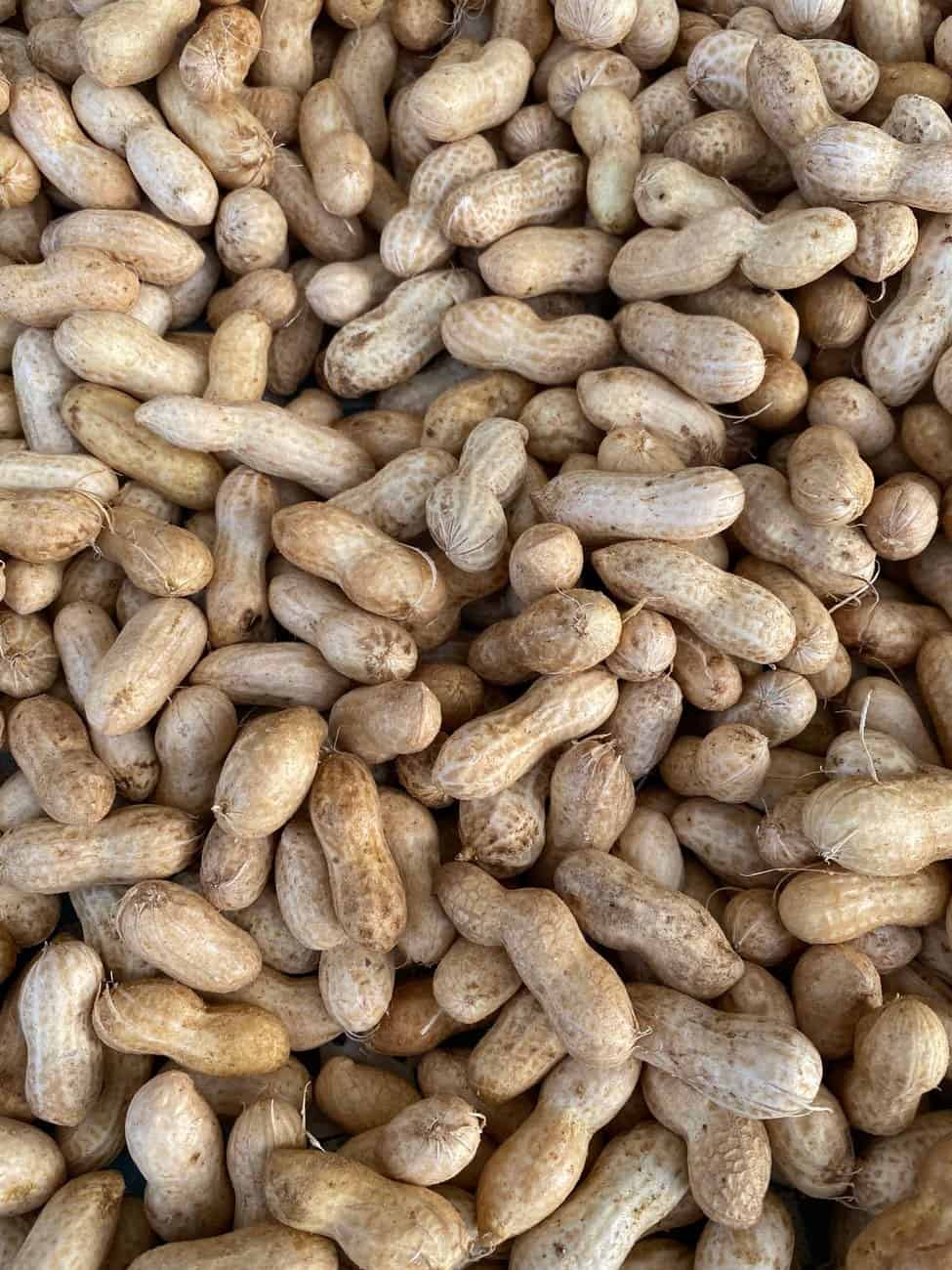
The first thing most visitors see is farmland. Dothan, the largest city, calls itself the Peanut Capital of the World, and the surrounding counties grow a major share of Alabama’s peanuts. Alabama is among the top peanut-producing states in the country, along with Georgia and Texas. In late summer, fields are green with low plants, and in early fall farmers dig the plants and let them dry in rows before combines pick them up. Trucks piled with peanuts move to shelling plants and processing mills, and the air can smell sweet and earthy.
Peanuts also appear on menus. Boiled peanuts, a Southern roadside staple, are sold at stands and gas stations. Peanut butter, brittle, and peanut-flavored pies and sauces appear in local restaurants. If you visit in the fall, you may see roadside stands selling fresh-dug peanuts.
Cotton, corn, soybeans, and timber are also important, and poultry and cattle operations contribute. The region’s economy leans on agriculture, though it has diversified into manufacturing, health care, and military jobs.
The National Peanut Festival
Each fall, usually in late October to early November, Dothan hosts the National Peanut Festival, a ten-day event with a parade, fair rides, livestock shows, concerts, and food. It attracts visitors from across the Southeast and gives the city a strong seasonal rhythm. Hotels fill, and local organizations rely on festival income. Dates and ticket prices vary, so check before you go.
The festival is a good example of how visitors and peanuts set the pace: crowds and traffic peak at the same time as harvest, and the area’s identity is on display.
Military Aviation
The second big impression is the sound of helicopters. Fort Novosel, formerly known as Fort Rucker, near Daleville and Enterprise, is the home of Army aviation and trains helicopter pilots. The Army Aviation Museum on the post displays a large collection of helicopters and aircraft, and it is open to the public with free admission, though entry rules for the base can change, so check before you go. The installation is one of the region’s largest employers, and military families are a large part of the community.
Enterprise and Ozark, the nearby towns, reflect that presence with American flags, support for veterans, and businesses that serve soldiers and families. Local events often tie to the military calendar, such as graduation ceremonies and Veterans Day observances.
The Boll Weevil Monument
In Enterprise, a statue of a woman holding a giant boll weevil stands in the middle of Main Street. It is a monument to the insect that destroyed cotton crops in 1915 and forced farmers to diversify into peanuts. Erected in 1919, it is often described as the first monument to an agricultural pest. The story is central to the region’s identity, because it shows how a disaster led to a more resilient economy.
Friendly Downtowns
Visitors also notice the people. Small-town downtowns have courthouses, antique shops, diners, and murals. In Dothan, the historic downtown has been revitalized with restaurants and a mural trail, the Wiregrass Museum of Art, and a farmers market. Landmark Park, a historical farm and nature park, shows rural life as it was in the early twentieth century, with a farmstead, a one-room school, and a planetarium. Hospitality is strong, and strangers often greet you with a smile and a “y’all.”
Quiet Roads and Slow Pace
The region is flat and rural, with long stretches of two-lane road. Traffic is light outside of town, and the pace is relaxed. Church life and high school sports are central, and Friday night football fills stadiums. Visitors may find that businesses close early or on Sundays.
Planning a Visit
A trip can be built around a few stops.
- Dothan: the largest city, with Landmark Park, the Wiregrass Museum of Art, and a downtown with restaurants. Lodging and chain restaurants are plentiful.
- Enterprise: the Boll Weevil Monument, a historic downtown, and access to Fort Novosel.
- Ozark: a small city with a historic courthouse square and ties to the Army aviation community.
- Geneva and Samson: smaller towns with river access and outdoor recreation.
- Fort Novosel: the Army Aviation Museum and, on certain days, public events.
- Peanut stands and farm stores: look for fresh or boiled peanuts in season.
Many visitors stop in the Wiregrass on the way to the Gulf Coast beaches of Alabama and Florida, which are about two hours south. Making an overnight stop adds a taste of the inland region.
When to Go
Fall is the most active time. Harvest runs from September through November, and the peanut festival draws crowds. Weather is warm but less humid than summer. Spring is mild, with blooming trees and wildflowers, and the area is green. Summers are hot and humid, with thunderstorms. Winters are mild, with occasional freezes.
What to Eat
Food is Southern at its best. Try boiled peanuts, barbecue, fried catfish, fried chicken, and meat-and-three plates with vegetables such as collards, butter beans, and cornbread. Local bakeries make pies, and many diners offer sweet tea by the gallon. Casual meals commonly cost 8 to 20 dollars per person, and prices vary.
A Little History
The region was settled mostly by small farmers, in contrast to the plantation-dominated Black Belt to the north. Cotton was the main crop until the boll weevil arrived early in the twentieth century. Diversification followed, and George Washington Carver’s work at Tuskegee Institute on peanut crops helped promote the crop as a cash and rotation plant. Over time, farms grew bigger and more mechanized, and many families left agriculture, though family farms remain.
Being a Good Guest
Be courteous, since small towns notice manners. Slow down for tractors and farm trucks on narrow roads. Respect private farmland and do not pick crops. Ask before taking photos at the military post, and follow base rules. Tip well, support local businesses, and consider buying peanut products from small producers.
How Peanuts Move From Field to Shelf
Seeing the peanut economy in action explains the landscape. Peanuts grow underground, which is why the plants look low and leafy. Farmers plant in spring, and the crop takes about five months to mature. In early fall, machines dig the plants and flip them upside down to dry in the field for a few days. Then combines separate the pods from the vines, and trucks haul the harvest to buying points. At shelling plants, machines remove the shells, sort the nuts by size and quality, and prepare them for roasting, peanut butter, or candy.
Peanut farming involves risk. Drought, disease, and prices can swing outcomes, and growers rotate crops to keep soil healthy, which is where cotton, corn, and other crops come in. Many farmers also sell to cooperatives. Understanding this makes a drive through fields more interesting, and it explains why local businesses plan around the harvest.
Peanuts and Visitors
The festival, farm tours, and roadside stands link the farm economy to visitors. Some farms offer agritourism, such as fall events, corn mazes, and farm tours. Others sell directly at farmers markets. If you want to support growers, buy peanuts or products labeled as locally grown, and ask at stands where the peanuts come from.
Beyond the Big Names
The Wiregrass has quieter attractions that fill out a trip.
- Geneva State Lake and Dale County State Lake for fishing and picnicking.
- The Choctawhatchee and Pea rivers for paddling and fishing, with calm stretches and wildlife.
- Small-town museums and historical societies that tell local stories.
- Historic courthouses and squares in Ozark, Geneva, and Abbeville.
- Murals in Dothan and other towns that depict local history.
- Birding and wildlife viewing at nearby wildlife management areas.
These places are low-key, which is part of the appeal. Locals are often happy to point you toward a favorite fishing spot or diner.
The Military Connection in Depth
Fort Novosel trains Army aviators and employs thousands of soldiers, civilians, and contractors. Its presence affects local housing, schools, and shops, and the region’s population includes many military retirees. The base also hosts events and ceremonies, and the aviation museum draws visitors interested in helicopter history, from early models to modern aircraft. The museum’s collection includes helicopters used in the Vietnam War and later conflicts, along with exhibits on Army aviation history. Check before you go for museum hours and base entry rules, which can change.
The base was renamed in 2023 as part of a federal process to rename installations, honoring Army Medal of Honor recipient Michael Novosel, a helicopter pilot in Vietnam. You may still hear people use the old name.
Traveling With Kids
Families will find a lot to like. Landmark Park offers hands-on history, a farm with animals, and a planetarium. The aviation museum is free and fascinating for kids who like helicopters. Festivals have rides and games, and parks and lakes provide places to run and fish. Meals are affordable, and many restaurants are family-friendly. Bring sun protection and bug spray in warm months.
The Takeaway
The Alabama Wiregrass region is a place where peanuts, helicopters, and festivals set the rhythm, and where small-town hospitality is easy to feel. Notice the fields, the monument, the festival crowds, and the sound of aircraft overhead, and you will understand how the region works. Check dates, hours, and base access before you go.