The Bitterroot Valley Beside the Montana-Idaho Border Is One of the Most Beautiful Places in America. Here’s What Moving There Actually Costs
We may earn money or products from the companies mentioned in this post. This means if you click on the link and purchase the item, I will receive a small commission at no extra cost to you ... you're just helping re-supply our family's travel fund.
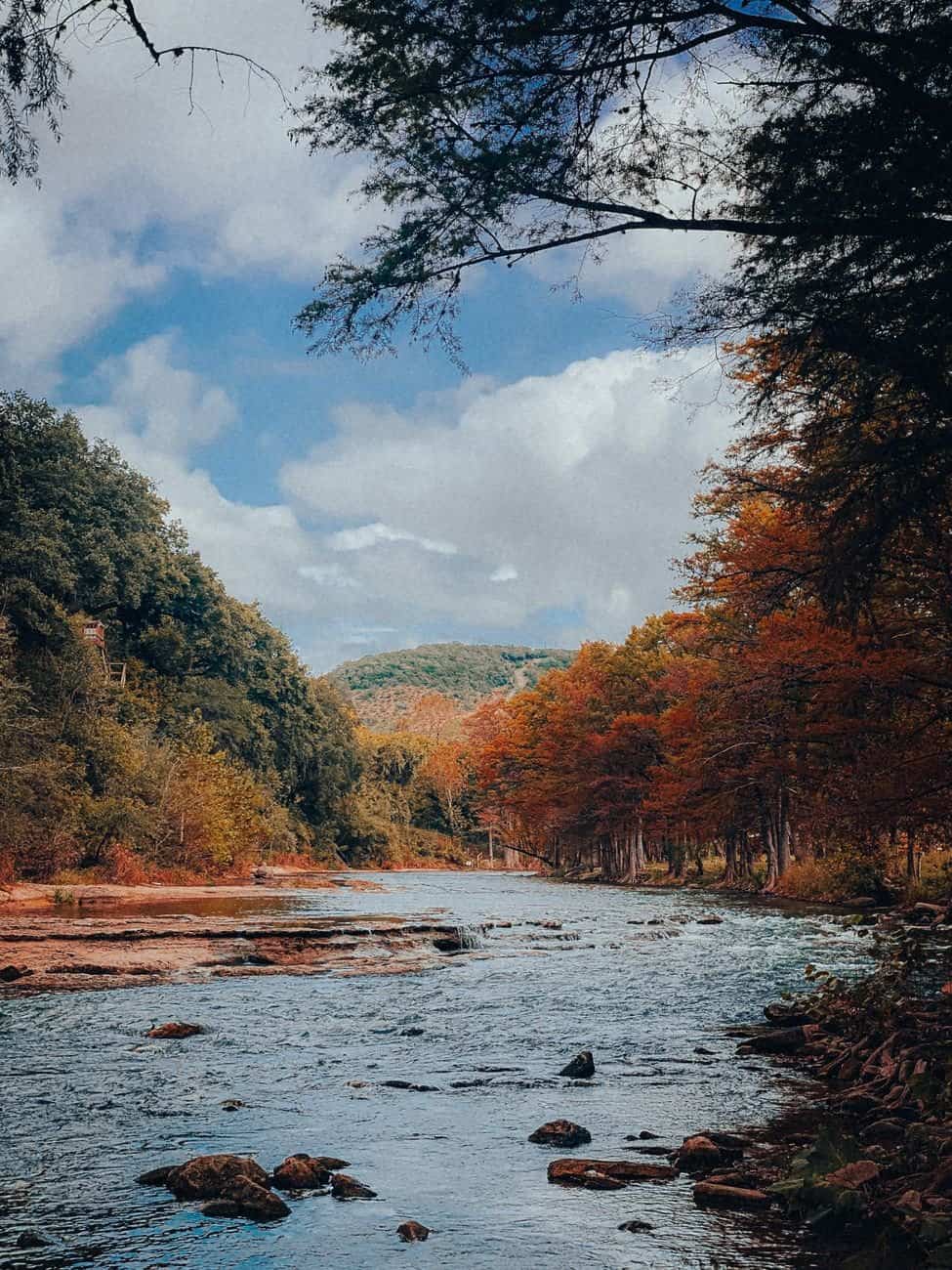
The Bitterroot Valley is what many people picture when they imagine Montana: a wide river valley, a wall of granite peaks along the Idaho line, orchards and ranches, and a small downtown with a bookstore and a good diner. It is also expensive. Moving to Bitterroot Valley now costs far more than the postcard prices of a decade ago, and local wages have not kept up.
Typical home values in Ravalli County, which covers most of the valley, were about $600,000 in 2026 according to Zillow’s county data, well above the Montana median and far above the US median. Here is what the move actually costs, from the house to the heating bill.
What Moving to Bitterroot Valley Actually Costs

The Bitterroot Valley runs south from Missoula along the Bitterroot River, through Lolo, Florence, Stevensville, Victor, Corvallis, Hamilton, and Darby. It sits entirely in Montana, with the Bitterroot Mountains forming the border with Idaho. About 45 minutes from Hamilton to Missoula on US-93 puts jobs, a regional airport, and larger hospitals within commuting range for some residents.
The numbers below are typical ranges based on public data and market reports, not quotes. Real estate shifts quickly, so check current listings. The pattern is clear: housing is the big expense, and the rest of the budget is shaped by rural distances and mountain weather.
Buying a Home
County-wide, typical home values are roughly $600,000, and the median sale price has hovered in the mid-$500,000s to $600,000s depending on the data source and month. Prices vary by town. Hamilton, the county seat, tends to be a bit cheaper than the north valley, with typical values around $500,000 to $550,000. Stevensville and Corvallis tend to be higher, and the northern end near Florence and Lolo, which are commuter towns for Missoula, can climb well above $600,000.
Land and acreage cost more. A home on several acres, with a view of the mountains and room for horses or a shop, can run $700,000 to well over $1 million. Over the five years through 2025, a federal house-price index showed Ravalli County prices rising by more than 70 percent, a jump that has priced out many longtime residents.
Local median household income, by contrast, is in the range of roughly $70,000 to $80,000 for the county, and much lower in some towns. That gap is the core of the affordability problem.
- Starter home or condo in Hamilton or Darby: roughly $350,000 to $500,000.
- Typical single-family home in the valley: roughly $500,000 to $650,000.
- Acreage with a home and views: roughly $700,000 to $1 million and up.
- Closing costs and moving expenses: budget about 2 to 4 percent of the price for closing, plus moving costs.
Renting
Rentals are limited. The valley has fewer apartments than a city, and many rentals are houses, mobile homes, or units on rural property. Census data shows median gross rent in Hamilton around $950 to $1,000 in recent estimates, but that figure reflects older leases. New listings for a house or larger unit often fall in the $1,500 to $2,500 range, and finding one can take months.
If you plan to rent first, ask about winter heating costs, well and septic systems, and whether the landlord handles snow removal. Short-term rentals in the valley reduce supply, and some residents report difficulty finding year-round housing.
Property Taxes and Insurance
Montana’s property taxes are moderate compared with many states, but because values are high, the bill can still be significant. Census figures show median real estate taxes in Hamilton in the neighborhood of $2,000 to $2,500 a year, though a new buyer of a $550,000 home will usually pay more because the assessed value reflects the current price. Check the county’s tax estimate for any property you consider.
Insurance is a growing concern. Wildfire risk in western Montana has led to higher premiums for homes near forests, and some insurers have restricted coverage in high-risk areas. Get quotes early, especially for rural properties or homes with wood-shake roofs and heavy vegetation. Flood insurance may be needed near the river.
Utilities and Heating
Winter is long. Heating costs depend on the fuel, the age of the house, and the size of the home. Many valley homes use electricity, propane, wood, or a combination. A typical household might spend $200 to $400 a month on energy in the coldest months, with lower bills in summer. Rural properties may have wells and septic systems, which avoid city water bills but carry maintenance costs. Internet availability varies, and fiber is expanding, but some areas still rely on slower service. Ask about speed before buying.
Getting Around
Public transit is minimal, so most residents drive. A reliable vehicle with good tires, and often four-wheel drive, is a practical need. Winter driving on US-93 and valley roads requires caution. Commutes to Missoula can mean 45 to 60 minutes each way, which adds fuel and wear costs. Plan for at least one vehicle per adult. Fuel prices in Montana are often a bit higher than in larger markets, and trips to Costco, specialist medical care, or the airport add up.
Health Care and Services
Hamilton has Marcus Daly Memorial Hospital and local clinics, which cover many everyday needs. For specialists, major surgeries, and trauma care, residents often travel to Missoula, about 45 minutes north. For retirees and anyone with chronic conditions, this distance matters. Check which providers accept your insurance and whether there are wait times for primary care. Emergency response times in remote parts of the valley can be longer than in towns.
Food and Everyday Spending
Grocery prices in rural Montana are often higher than the national average because of shipping distances. A family may find that regular shopping trips to Missoula for bulk goods help. Local farm stands, farmers markets, and ranch beef shares offer fresh food and can save money. Restaurant meals in Hamilton and Stevensville generally cost $12 to $25 per person for casual meals.
The Cost of the Move
Moving to Montana from far away is a significant expense. A professional move across several states typically costs $5,000 to $15,000 or more depending on distance and volume. A rental truck for a DIY move can be cheaper but requires time and labor. Plan for temporary housing, storage, and travel. If you are moving from a state with income taxes, remember that Montana has a state income tax with modest rates and no general sales tax, which can influence your overall budget.
Living Costs Compared With Nearby Towns
Context helps. Missoula, 45 minutes north, has a larger job market, a university, and more housing options, but prices there are also high. Median listing prices in several Missoula neighborhoods run between roughly $450,000 and $800,000 depending on the area. Farther south, Darby and Sula offer somewhat lower prices but fewer services and longer drives. Across the mountains, Idaho’s Salmon River communities can be cheaper in some cases but are far from the valley’s hospital and airport links.
The point is that the Bitterroot is not the only place to find mountains and small-town life, but it is one of the more accessible. Its mix of a regional hospital, a short drive to an airport, and a real downtown helps explain the price.
Jobs and Income
The local economy blends agriculture, health care, construction, retail, and government. Hamilton is home to Rocky Mountain Laboratories, a federal research facility run by the National Institutes of Health, and to other scientific and medical employers. Many residents work in Missoula or work remotely. Wages for local service jobs often fall short of what is needed to buy a typical home, so the gap between income and housing cost is wide.
- Remote workers can often keep big-city salaries and benefit most from lower tax burdens elsewhere.
- Retirees bring equity and savings, which supports local services but pushes prices up.
- Local workers in retail, hospitality, and agriculture often rely on rentals or older homes bought long ago.
Knowing where you fit helps you decide whether the numbers can work.
Who the Valley Works For
The Bitterroot is a good fit for people with remote income, retirement savings, or equity from selling a house elsewhere. It is harder for families depending on local wages, which tend to be lower than in Missoula or larger cities. That is why many longtime residents have seen their children move away or rent far from where they grew up.
Newcomers should also think about community. Longtime residents often have strong feelings about growth, development, and the shifting culture. Learning local history, supporting local businesses, and joining community groups helps newcomers fit in. It also helps to avoid showing up with big plans to change what drew you here in the first place.
A Realistic First-Year Budget
Here is a rough sketch of what a first year could look like for a household buying a $550,000 home with a 20 percent down payment.
- Down payment: about $110,000.
- Closing costs and moving: about $15,000 to $30,000.
- Mortgage payment: depending on rates, perhaps $2,700 to $3,300 a month for principal and interest on the remaining $440,000.
- Property taxes and insurance: about $400 to $700 a month combined.
- Utilities and internet: about $250 to $500 a month.
- Vehicles, fuel, and maintenance: about $500 to $900 a month for two vehicles.
Those figures can shift, so run the numbers with a lender and an insurance agent before you commit. Even so, the pattern holds: the sticker price of the valley is mostly housing, and the day-to-day costs of rural living add on top.
Before You Decide
Visit in more than one season. Summer is glorious, but winter can mean subzero temperatures, short days, and icy roads. Spring brings runoff and mud. Fall brings smoke some years from wildfires. Spend time in Hamilton, Stevensville, and Darby, and talk to locals, real estate agents, and neighbors. Ask about water rights, road maintenance, and access.
The Bitterroot Valley is beautiful, and the cost of living there reflects that. Price out the house, the commute, and the winters before you sign. If the numbers work, you will get the mountain views and the small-town life people are paying for. If they do not, nearby towns such as Darby, or farther afield, may offer a more affordable version of the same Montana dream.