Secrets of the Hoover Dam: 12 Surprising Stories You’ll Tell Together
We may earn money or products from the companies mentioned in this post. This means if you click on the link and purchase the item, I will receive a small commission at no extra cost to you ... you're just helping re-supply our family's travel fund.
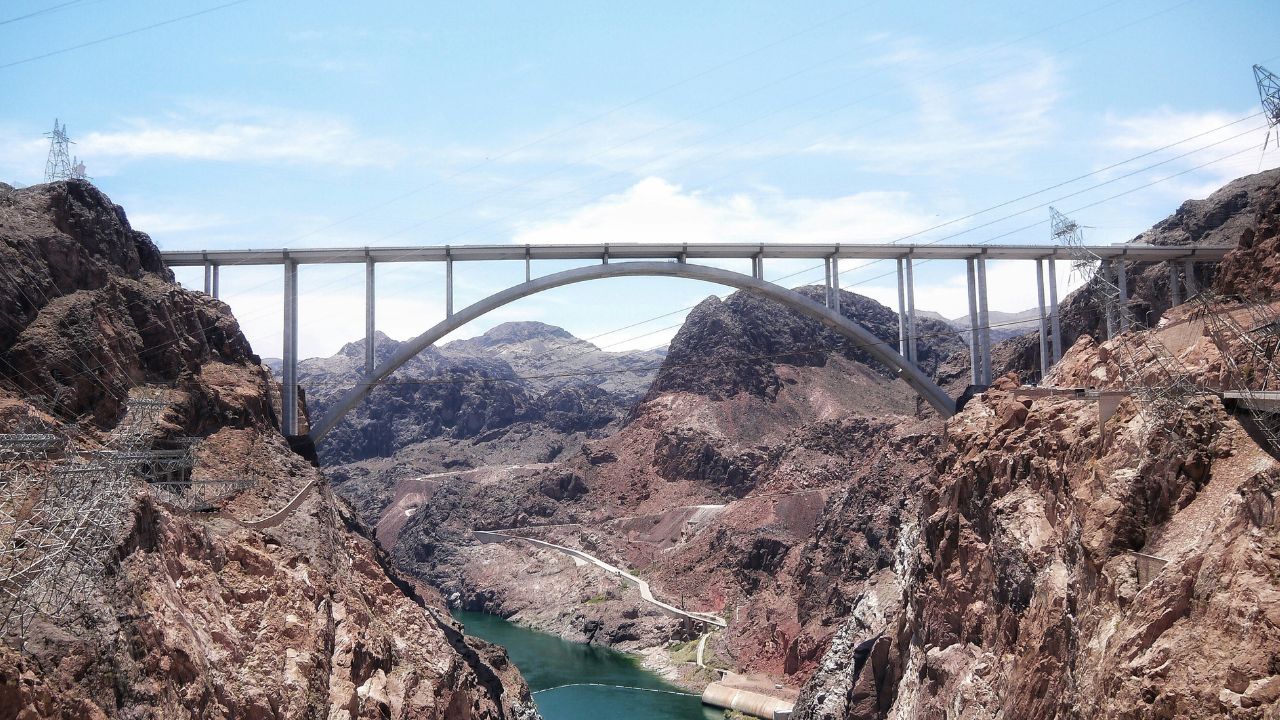
The Hoover Dam is more than an engineering marvel. Built during the Great Depression, it stands as a symbol of determination and skill. Beyond its massive structure lie intriguing stories of danger, history, and mystery. From false myths of workers buried in concrete to secret rooms and WWII plots, the dam is full of surprising facts that most visitors never hear. Here are 12 captivating stories that add depth to this iconic American landmark.
No Bodies Buried in the Concrete
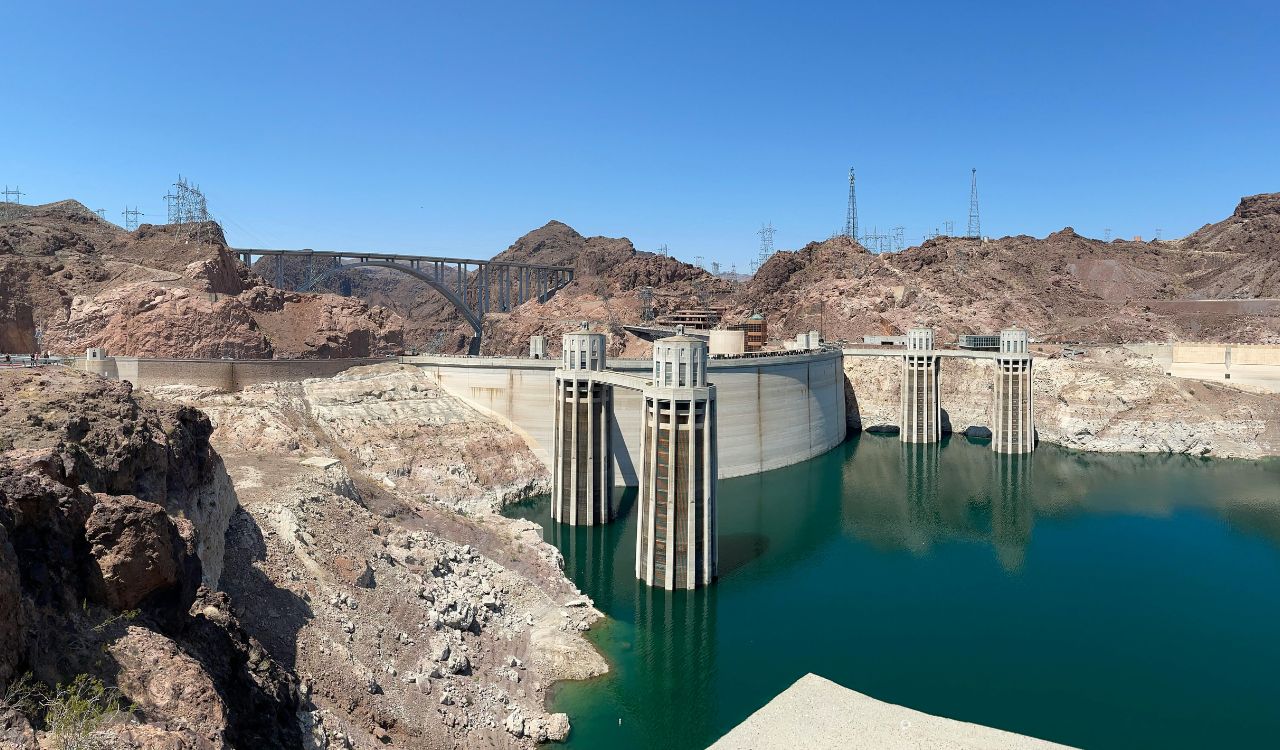
The myth that workers were buried inside the dam is untrue. Concrete was poured in small sections, making it impossible. While many workers died during construction, none were encased in the dam itself. This persistent story adds an eerie twist to its history but ultimately remains a piece of fiction, often shared among visitors and guides despite being debunked by historical records.
Carbon Monoxide Poisoning
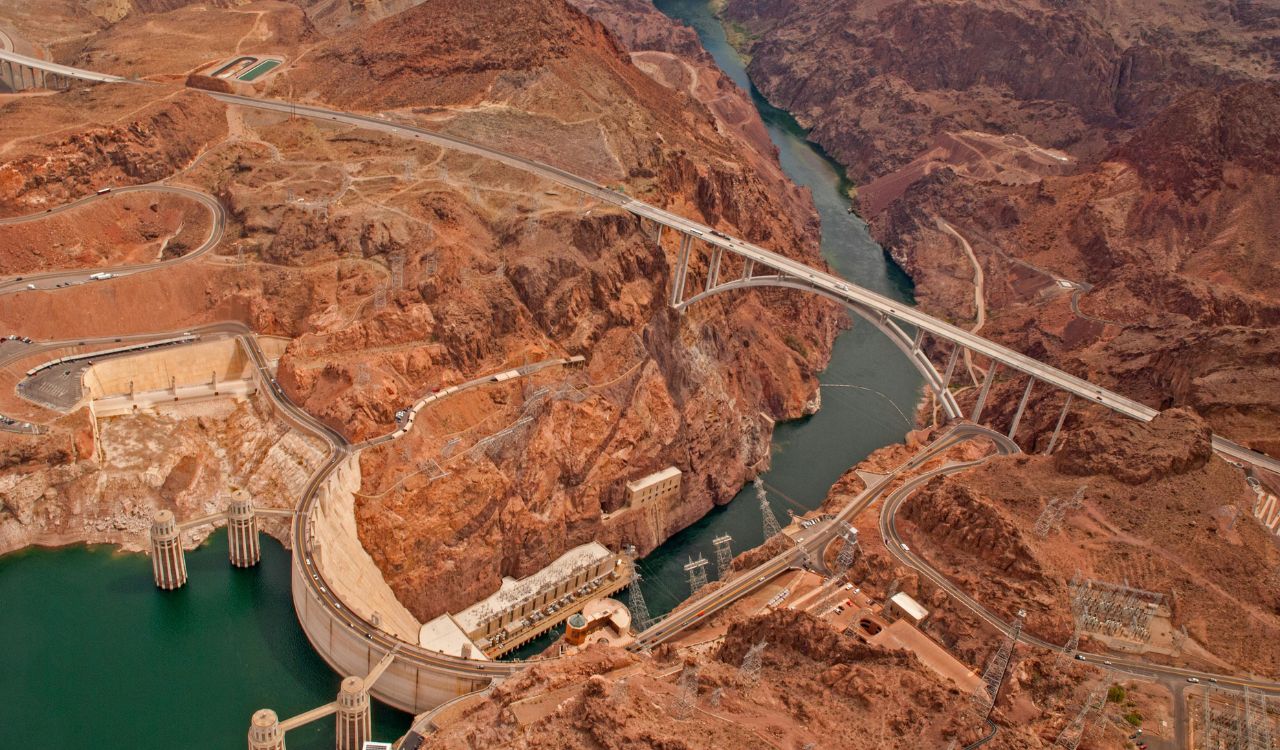
Many deaths during construction were officially listed as pneumonia, but historians now believe carbon monoxide poisoning played a significant role. Poor ventilation in tunnels exposed workers to dangerous fumes from vehicles and equipment. This overlooked hazard highlights how dangerous building the dam truly was. These conditions, paired with extreme heat and grueling labor, show the human cost of completing this monumental project.
A Secret Room Inside the Dam
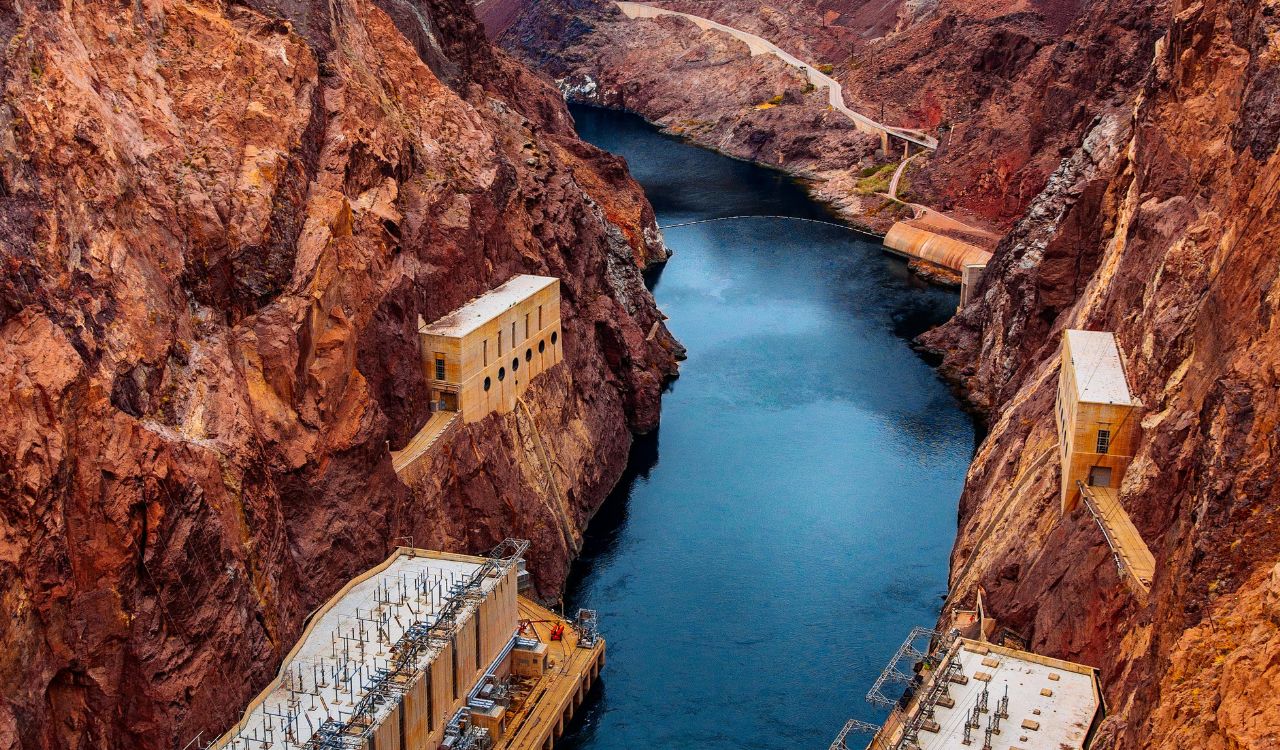
Hidden inside the Hoover Dam is a room adorned with colorful murals celebrating the region’s history and the dam’s construction. This chamber is not included in standard tours, adding to its mystique. Though rarely seen by the public, it stands as a reminder of the artistry and pride woven into this colossal project. It’s one of the dam’s most fascinating and lesser-known features.
Farmers Paid to Stop Growing Alfalfa
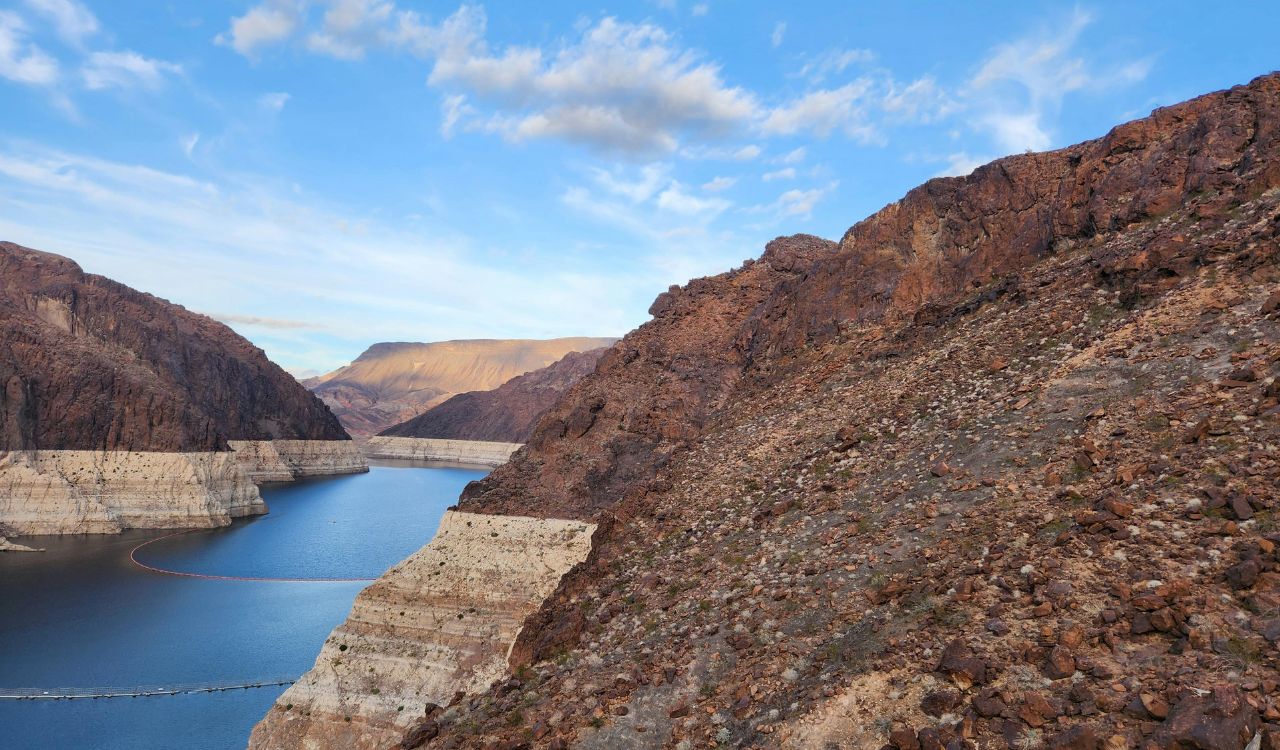
During the dam’s construction, water demand was high. Local farmers were paid to reduce alfalfa cultivation and limit water use. This unusual arrangement ensured enough water was available for both construction needs and the growing population in the area. It reflects how building the dam reshaped not only the land but also the local economy, intertwining agriculture and infrastructure in unexpected ways.
Boulder City Built for Workers
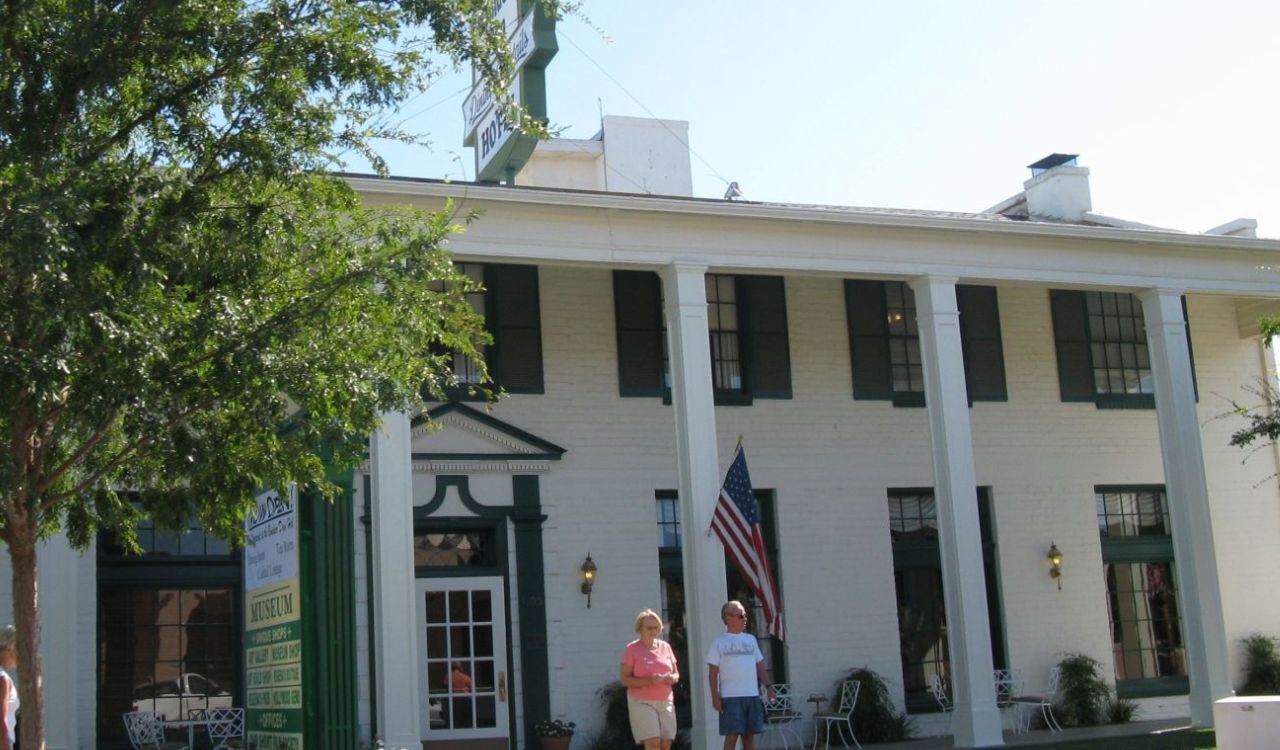
Boulder City was created specifically to house dam workers and their families. It provided safe housing and services during the construction era. Interestingly, it remains one of the few Nevada towns where gambling is banned, a holdover from its origins as a government-controlled city. Walking its streets today gives visitors a glimpse of life during the 1930s and the community built around this historic project.
A Nazi Plot to Blow It Up
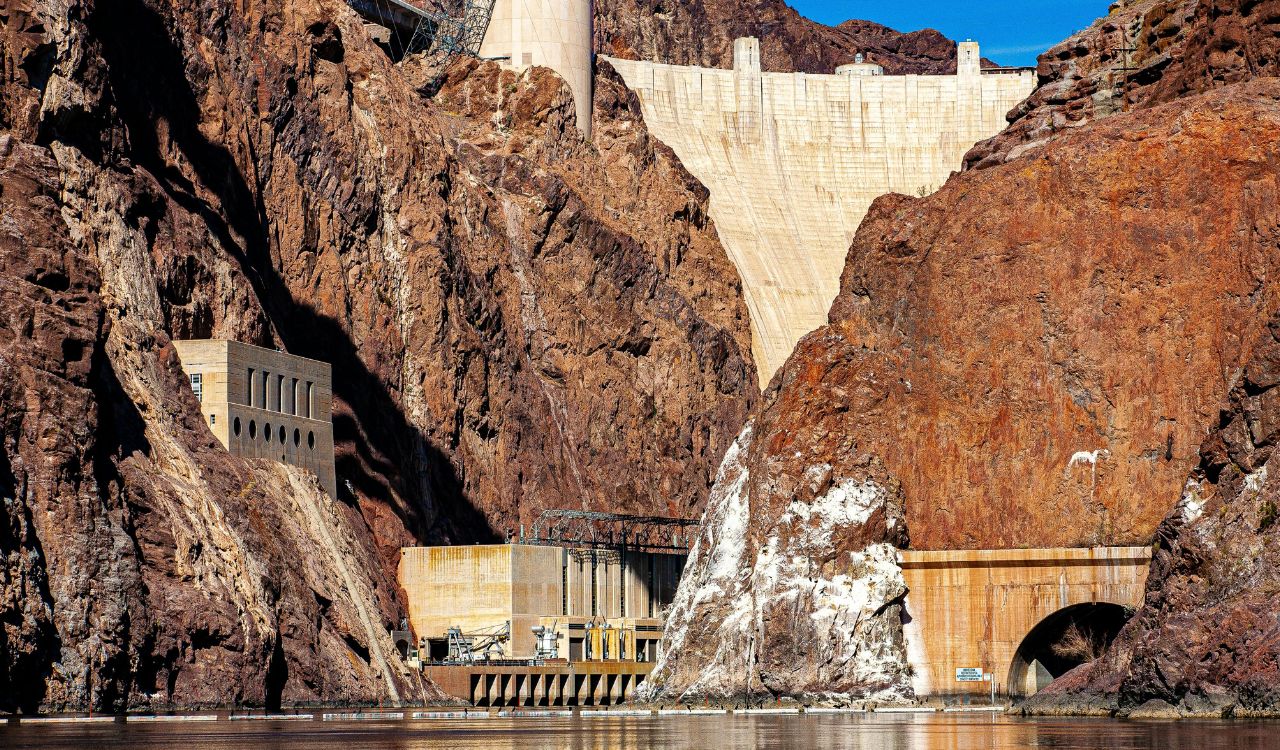
During World War II, the Hoover Dam’s importance as a power source made it a potential Nazi target. Military patrols and increased security protected it from sabotage. The fear of attack underscored how vital the dam was to the nation’s infrastructure and wartime industry. This little-known chapter reveals how the dam was not only an engineering wonder but also a strategic asset.
High Scalers and Dangerous Work
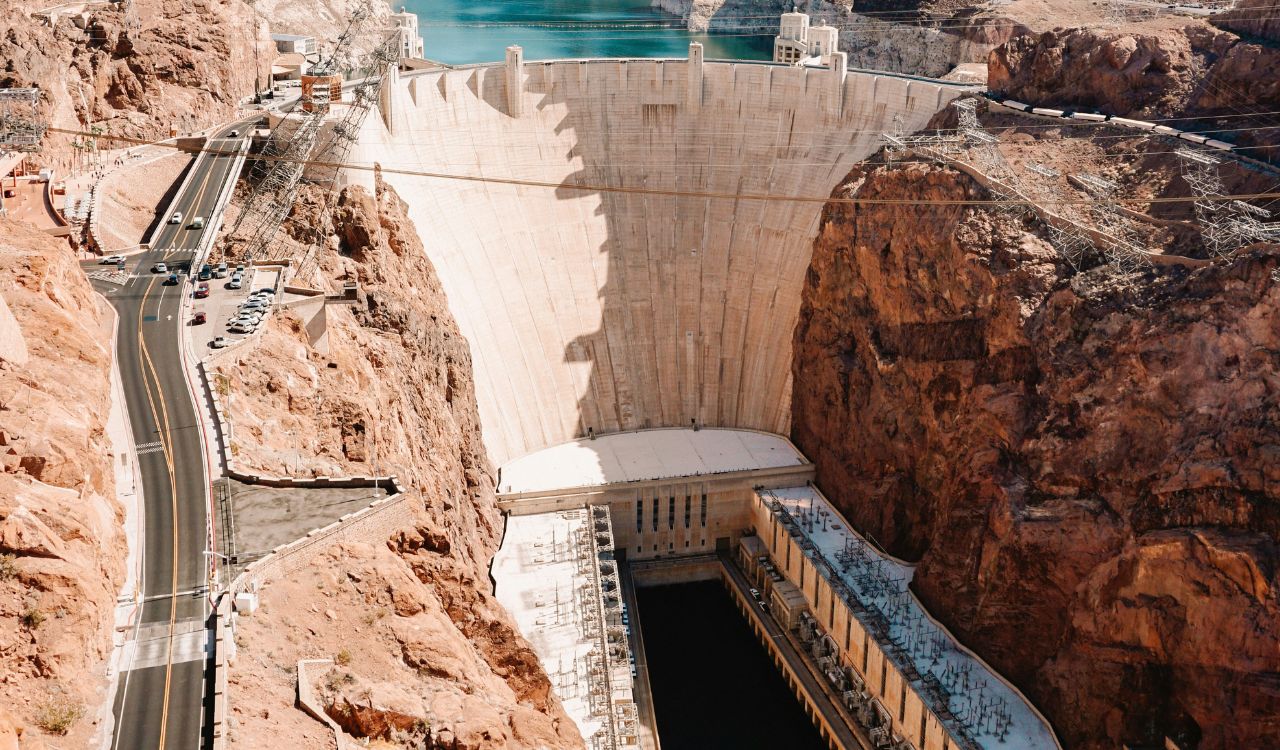
High scalers were fearless workers who dangled from ropes to clear loose rock along the canyon walls. Many were Native Americans known for their climbing skills. They worked hundreds of feet above the river with little protection, facing constant danger. Their daring efforts were crucial in preparing the site for construction and remain one of the most thrilling and perilous stories linked to the dam’s history.
Not All the Concrete Went Into the Dam
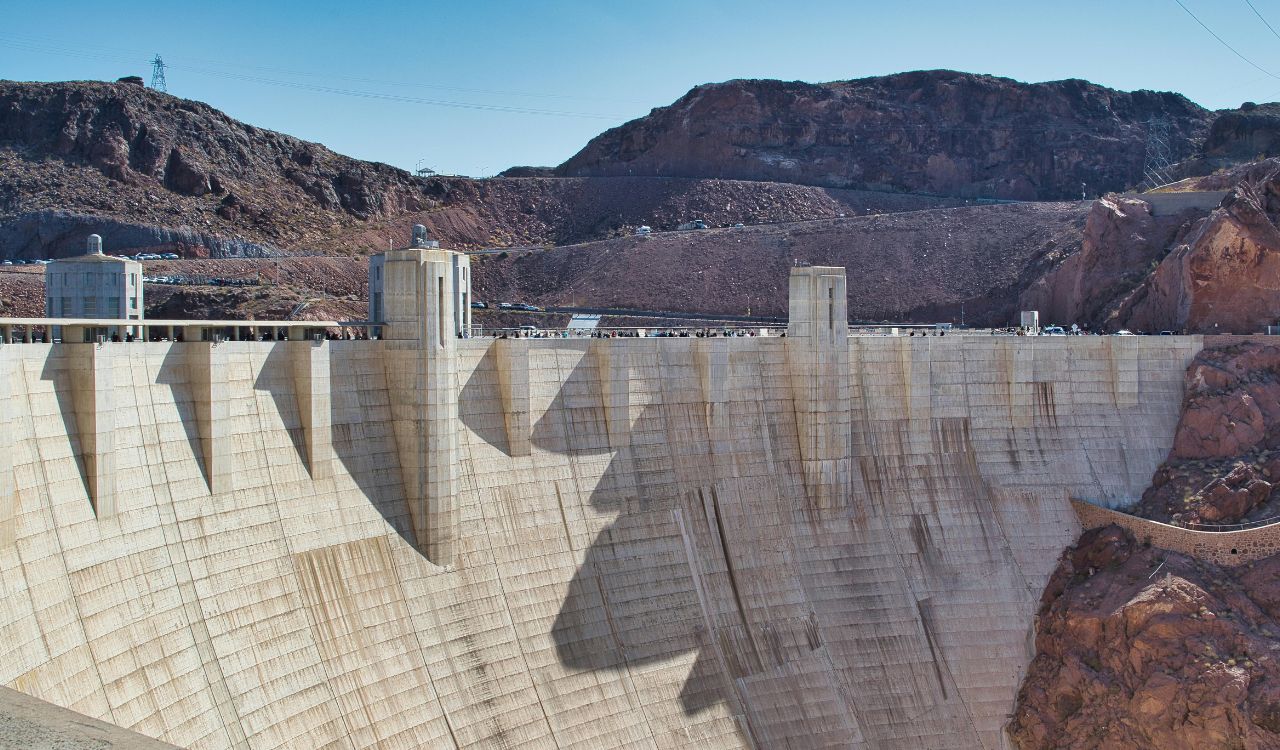
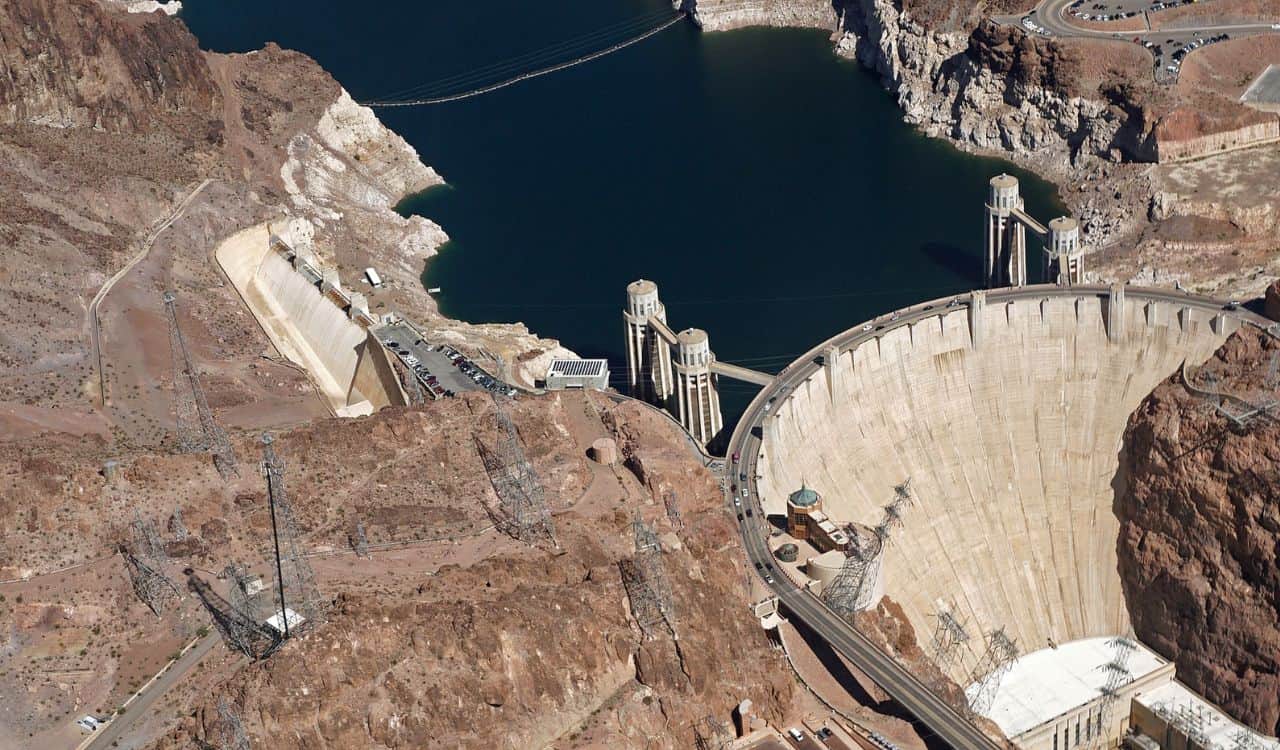
The dam’s construction used enough concrete to build a road stretching from New York to San Francisco. However, not all of it was poured into the dam itself. Large portions went into supporting structures like power plants and intake towers. This fact underscores the immense scale of the project and the broader infrastructure built to support it, all essential to its successful completion.
The Dam Cooled One Pour at a Time
Concrete at Hoover Dam couldn’t cure naturally without cracking from internal heat, so engineers devised an ingenious cooling system. Pipes carrying chilled river water were embedded into each block, pulling heat away until the cement hardened safely. Once cooled, the pipes were left in place and sealed forever. This step-by-step approach prevented structural failure and proved that thoughtful engineering, not brute force, made the project possible.
Spillways Used Only Twice
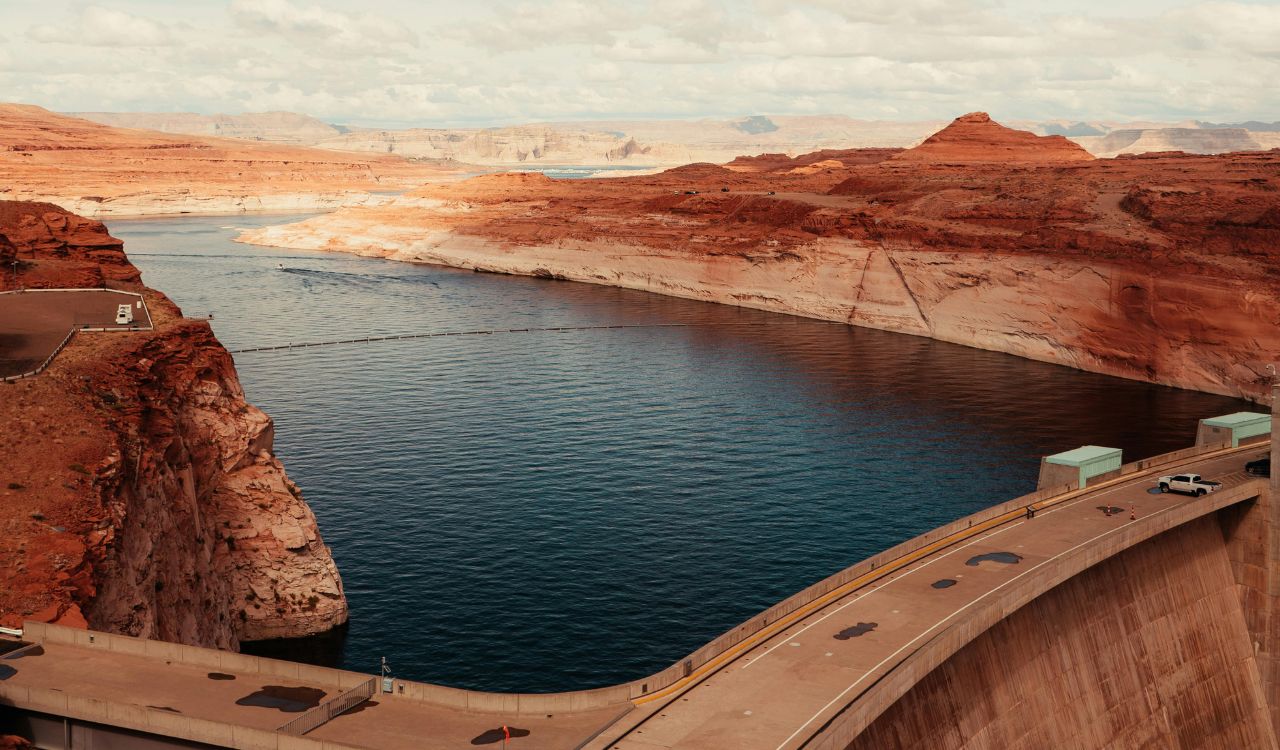
The dam’s spillways are capable of handling water flows greater than Niagara Falls, yet they have only been used twice since the dam was built. Their rarity demonstrates how effectively the dam manages the Colorado River. When opened, they create an awe-inspiring sight of water surging down the channels. These seldom-used features add to the dam’s reputation for strength and precision.
Haunted by the Paranormal
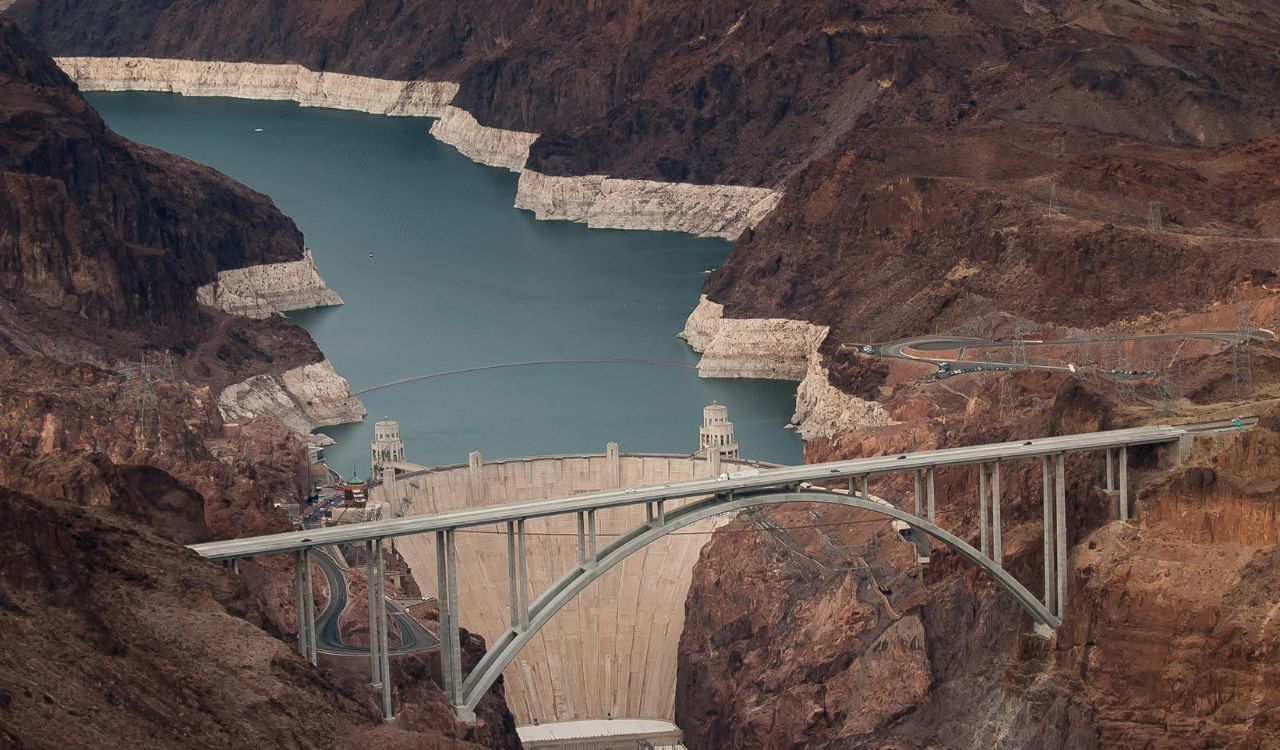
Some visitors and workers claim the Hoover Dam is haunted by the spirits of those who died during its construction. Reports of strange noises, shadowy figures, and eerie sensations have fueled ghost stories for decades. While unproven, these tales add a chilling layer to the dam’s history. For those who enjoy the paranormal, they offer another reason to view the dam with fascination.
Lake Mead’s Revealed Secrets
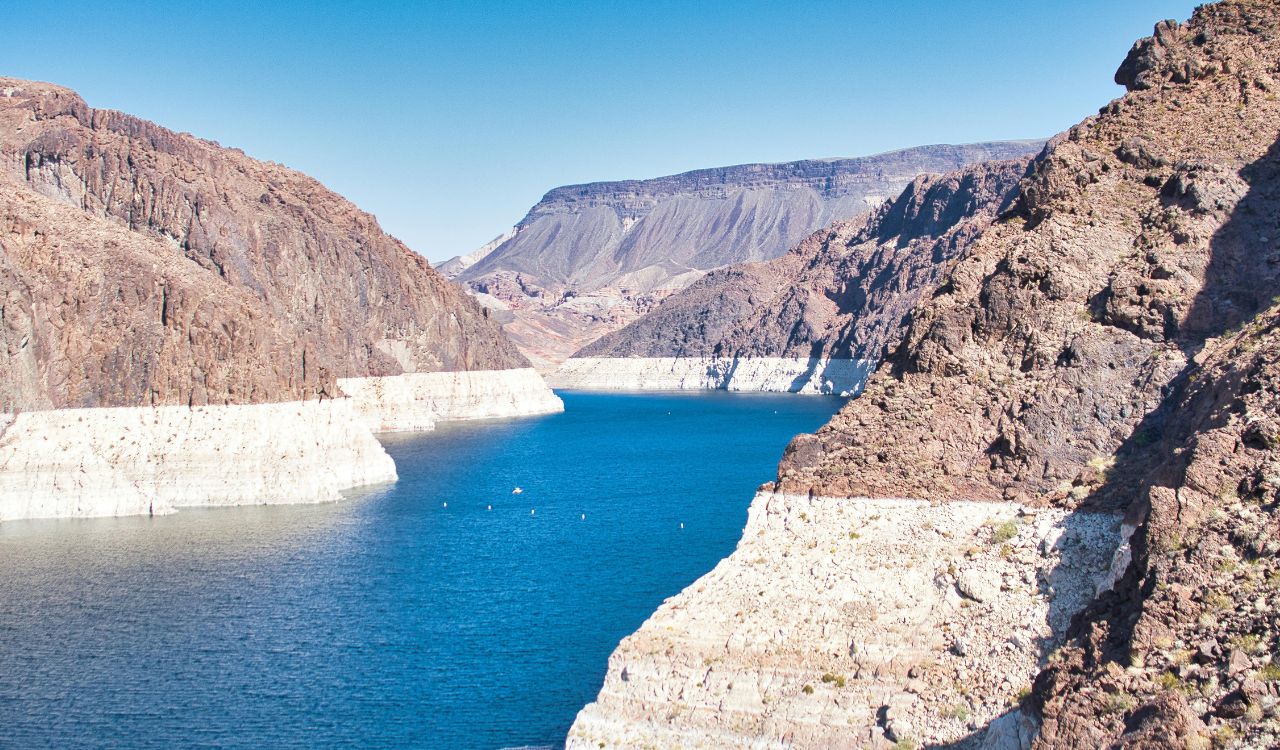
Lake Mead, formed by the Hoover Dam, has revealed hidden artifacts as its water levels drop. Items like old boats, tools, and even human remains have emerged from its depths. These discoveries provide glimpses into the past and remind visitors of the ever-changing nature of this region. Each revelation adds more intrigue to the Hoover Dam’s legacy and its lasting influence on the area.