Colorado Historic Sites That Bring the Frontier Days Back to Life
We may earn money or products from the companies mentioned in this post. This means if you click on the link and purchase the item, I will receive a small commission at no extra cost to you ... you're just helping re-supply our family's travel fund.
Did you know over 500 ghost towns dot the high-altitude valleys of Colorado? I’ve spent years exploring the American West, and Colorado’s rugged landscapes are unmatched. Here, the past comes alive, showing what life was like when survival was everything.
This article is your guide to the most genuine historic sites in Colorado. We’ll dive deeper than the usual postcards to uncover the true stories of those who settled here. These Colorado heritage sites hold the grit and glory of the frontier, alive today.
Get ready to explore the Wild West’s hidden corners. We’ll uncover the essence of our Colorado heritage sites. These historic sites in Colorado await those ready to discover them.
Key Takeaways
- Discover the remnants of over 500 ghost towns scattered across the state.
- Explore authentic locations that capture the true spirit of the American frontier.
- Learn the untold stories of the pioneers who shaped the region.
- Gain practical insights for visiting preserved landmarks and cultural zones.
- Experience the raw, rugged beauty of the West through its most significant monuments.
Discovering the Rich History of Colorado
Colorado is more than mountains. It’s a mix of gold fever, ancient traditions, and pioneer grit. To really understand Colorado, look beyond the tourist spots. Explore the historic sites in Colorado that show survival and ambition.
The Impact of the Gold Rush
The gold rush in the mid-19th century changed everything. It drew thousands of dreamers to the Rockies. Overnight, quiet valleys became chaotic mining camps.
This era shaped Colorado’s identity. It left behind boom-and-bust towns that are part of the landscape today.
Native American Heritage
Before the prospectors came, the land was home to diverse tribes. They had a deep connection to the mountains. Visiting Colorado heritage sites shows the cultures that thrived here for centuries.
Settlements and Early Pioneers
Boggsville, established in 1866, was a place where worlds met. It was the first permanent outpost in southeastern Colorado. It was a rare place of harmony between Native American, Hispanic, and Anglo people.
| Influence | Primary Contribution | Legacy |
|---|---|---|
| Native American | Land stewardship | Cultural preservation |
| Gold Miners | Economic expansion | Infrastructure growth |
| Early Pioneers | Agricultural trade | Community building |
These early foundations shape Colorado’s identity. By exploring Colorado heritage sites, you see how diverse groups built a life in the high desert. It’s a gritty, honest look at historic sites in Colorado that refuses to fade.
A Journey Through Colorado’s Territorial Past
I’ve always been drawn to the rugged outposts that once stood as the last line against the wild West. These Colorado historic landmarks show a time of big change. The lure of gold and land met the harsh reality of the high plains.
The territorial era was tough. Walking through these sites, I feel the pioneers’ struggles. They risked everything to make a life in the dust.
Exploring Old Forts
Old forts were key to the frontier. They were military bases and trade centers. They stood as a thin line between order and chaos, giving a sense of safety in a vast, indifferent land.
These structures are more than stone and timber. They show a government’s effort to control a vast, tough territory. Visiting these famous historic sites in Colorado lets you touch the walls that guarded the state’s future.
The Significance of Railroads
If forts were the shield, the railroad was the heart of the frontier. The iron horse’s arrival changed everything. It brought mining camps closer to the world.
Exploring classic American road trips around historic train towns is the best way to see this change. These routes show how tracks shaped every major settlement.
Without rail lines, many Colorado historic landmarks would have vanished. The railroad brought supplies, people, and commerce. It turned a wild territory into a thriving state.
Iconic Landmarks in Denver
Denver is a city with a rich history. It’s not just a modern city; it’s built on the dreams of the gold and silver rushes. Exploring these Colorado historic landmarks shows us that the city’s roots are in the hopes of those who sought fortune.
The Colorado State Capitol
Visiting the Colorado State Capitol is like stepping back in time. The building’s grand design shows the wealth and ambition of the era. It honors the men who shaped a state from the wilderness.
The gold-leaf dome is striking. It symbolizes the mining boom. It’s one of the most famous historic sites in Colorado, showing the state’s gold-based beginnings.
Union Station: A Historic Hub
Union Station is the heart of Denver. It has transformed from a busy transit center to a preserved landmark. It’s a place where old meets new, feeling both nostalgic and modern.
Today, it’s a lively spot where history meets today. It’s not just a monument; it’s a living, breathing example of Denver’s history and progress. Whether you’re having a drink or watching people, you feel the past.
The Wild West Spirit in Durango
Durango is a town that brings raw history to life. It’s not just a place on the map; it’s a living piece of history. The mining boom that once shook the San Juan Mountains left a lasting mark here. Among all the Colorado historical places I’ve seen, Durango stands out as the most real.
The Durango & Silverton Narrow Gauge Railroad
For a true taste of the frontier, visit the Durango & Silverton Narrow Gauge Railroad. Riding this steam engine takes you back to the 1880s. It’s loud, dirty, and absolutely magnificent.
“The past is never dead. It’s not even past.”
Most Colorado historical tours focus on museums. But this journey is different. You see the same landscapes that prospectors did a century ago. It’s a rare chance to see history through the eyes of pioneers.
Historic Main Avenue
Historic Main Avenue shows how to keep the Old West spirit alive. It’s not a cheap imitation but a genuine look at the past. Walking here, you can almost hear horse-drawn carriages and miners’ laughter.
The buildings here are remarkably preserved. They connect us to a time when the West was being shaped. It’s a reminder that some of the best Colorado historical places are those that are part of everyday life. You’re not just seeing history; you’re walking through it.
Ghost Towns: Echoes of the Past
I’m drawn to the remains of towns that once promised gold. There’s something hauntingly beautiful about these forgotten places. The silence is only broken by the wind through old timber. These Colorado historical places show the rise and fall of frontier dreams.
Cripple Creek: A Gold Mining Town
Cripple Creek is a study in survival. It’s seen more development than other camps but keeps its rugged feel. Walking its streets, I feel the energy of the prospectors who risked everything for gold.
St. Elmo: Preserved Beauty
St. Elmo is a frontier frozen in time. I’ve spent hours imagining the lives of families who lived here. It’s one of the best-preserved sites, a highlight of Colorado historical tours.
These sites connect us to our heritage. Whether you love history or just want to feel the West’s soul, they offer a deep connection. Here’s what you can expect when visiting these unique places.
| Location | Primary Vibe | Accessibility |
|---|---|---|
| Cripple Creek | Active & Rugged | Year-round |
| St. Elmo | Quiet & Eerie | Seasonal |
| Ghost Towns | Historical Insight | Varies |
Historic Sites in Colorado Springs
Colorado Springs is a place of deep history and gold rush excitement. It’s where ancient silence meets the unapologetic grit of the frontier. Exploring through historic tours in Colorado shows how cultures have shaped this land over time.
The Manitou Cliff Dwellings
The Manitou Cliff Dwellings connect us to the Ancestral Puebloans. Walking through these structures, I’m amazed by the ingenuity and resilience of their builders. It’s a reminder that this land has been home for much longer than we think.
Old Colorado City
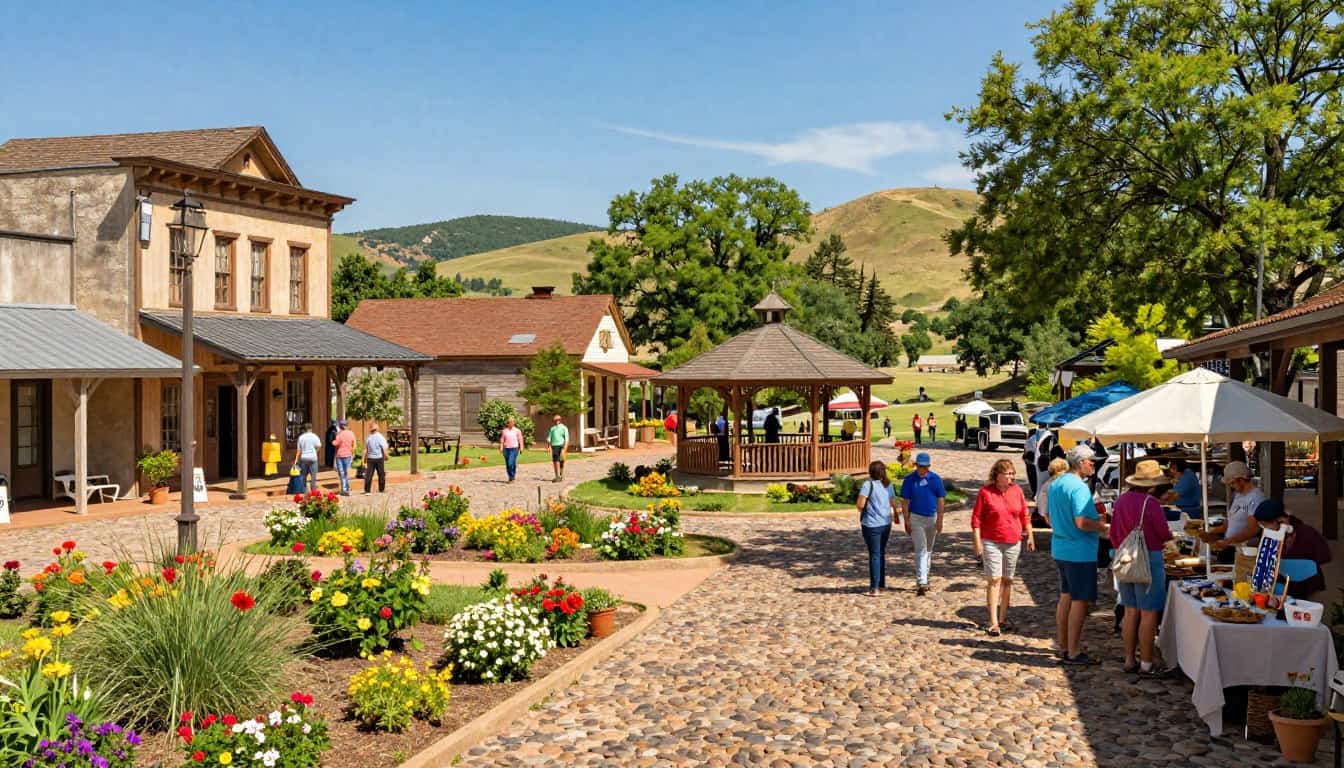
Old Colorado City is a short walk away. It was the first capital of the Colorado Territory. The area’s Victorian charm from the late 19th century is alive today.
The rapid growth after the railroad made it a bustling center. Today, preserved storefronts give us a glimpse into the lives of early settlers. Whether exploring alone or on a historic tour in Colorado, the contrast between the cliff dwellings and the town’s history is captivating.
Ranching Heritage: The Heart of the West
To really get Colorado, you must look beyond its mountains. The frontier was built on hard work, not just gold. Authentic experiences come from historic tours in Colorado that show the cowboy’s true traditions.
The National Historic Trails Center
The National Historic Trails Center is a must-see. It connects us to the past, showing the tough journeys of pioneers. You can almost hear the wagons and animals that shaped the West.
This place is more than artifacts. It shows the resilience of the human spirit. It helps us understand how the West changed. It’s a key stop for those who admire our ancestors’ strength.
The Barbecue at Local Ranches
Nothing beats a ranch barbecue after a day of exploring. It’s where the West’s real work happens. Here, the community shares stories over slow-cooked brisket. It’s unpretentious, honest, and deeply satisfying.
Want to connect with this heritage? Try these:
- Join guided historic tours in Colorado that visit working cattle ranches.
- Participate in seasonal roundups to see traditional horsemanship.
- Go to local ranch-to-table events that celebrate regional food history.
These activities are more than meals. They connect us to a life that refuses to disappear. You’ll leave with a deeper understanding of the land and its people.
Museums that Preserve the Frontier Era
I’ve spent years exploring dusty archives and polished galleries. I’ve uncovered the real stories of Colorado. Museums are the quiet guardians of our collective memory, holding the keys to the frontier era. They are among the best historic sites in Colorado for those who want to dive into the past.
The History Colorado Center
The History Colorado Center in Denver is a storytelling masterclass. It goes beyond the usual glass-case displays. Here, immersive exhibits highlight the state’s diverse populations. You’re not just looking at history; you’re stepping into the lives of those who lived it.
“History is a set of lies agreed upon.”
I always recommend this spot for its nuanced portrayal of the frontier. It shows the struggles and triumphs of early arrivals. It’s one of the best historic sites in Colorado for a real connection to the past.
Buffalo Bill Museum and Grave
For a glimpse into the man who created the Wild West myth, visit Lookout Mountain. The Buffalo Bill Museum and Grave is a personal favorite. It offers a raw look at William F. Cody, the showman who made the frontier famous.
The collection here is impressive, with personal items and artifacts. When you visit, look out for these highlights:
- Original show posters that defined the Wild West aesthetic.
- Personal firearms and saddles used by Cody himself.
- The panoramic views from the gravesite that remind you why he chose this spot.
Exploring these collections gives a deeper understanding of the best historic sites in Colorado. It’s not just about the buildings; it’s about the legends who walked through them.
Journey into the Mountains: Idaho Springs
Idaho Springs is raw and honest, unlike the polished tourist spots. It proudly shows its industrial past. It’s one of the best historic sites in Colorado for those who want to see the true frontier.
The Argo Gold Mine and Mill
The Argo Gold Mine and Mill stands tall over the valley. Its engineering is absolutely staggering. It’s amazing how it was built with old tools and tech.
This site reminds us of the hard work that built the state’s economy. If you’re looking for the best historic sites in Colorado, this is a must-see. You can almost hear the old machinery and the men who worked here.
The History of the Mining Boom
The mining boom was about more than gold. It was about people chasing dreams in the high country. It was a time of high risks and big dreams.
The wealth from these mines helped Denver grow. It changed the American West forever. The human cost of this boom is hard to forget. The men who worked these mines faced harsh conditions every day.
| Feature | Mining Era | Modern Perspective |
|---|---|---|
| Primary Goal | Resource Extraction | Historical Preservation |
| Labor Type | Manual/Dangerous | Educational/Guided |
| Economic Impact | High Volatility | Tourism Revenue |
| Site Status | Active Industry | Cultural Landmark |
Events That Revive Frontier Life
I believe history is more than old artifacts. It’s a living experience. When you move from museums to festivals, you get the real story of Colorado’s founders. These Colorado historic attractions let you see history come alive.
Living History Days
Watching traditions come to life is deeply moving. The Morning Star American Indian Village at Cheyenne Frontier Days is a prime example. It has a sunken dance arbor for honoring Plains tribes’ culture.
These events mix storytelling, dance, and hands-on learning. They connect past and present. Colorado historic attractions make history interactive, not just static.
Frontier Days in local towns
Smaller, community-led events capture the West’s true spirit. These local celebrations show the frontier’s heart. They often include:
- Authentic reenactments of daily life.
- Demonstrations of traditional skills like blacksmithing and weaving.
- Community feasts that highlight regional culinary heritage.
From small parades to big festivals, these events keep history alive. They show the frontier was more than a map. It was a dynamic way of life. For the best Colorado historic attractions, look for events that let you join in.
Architectural Wonders from the Past
The true soul of Colorado lies in its weathered walls and grand halls. The architecture here tells a story of elegance and survival. It connects the past’s beauty with our modern needs. These Colorado historic attractions give us a peek into the lives of those who lived in the Rockies’ shadow.
The Stanley Hotel’s Haunted Legacy
The Stanley Hotel in Estes Park is more than a place to stay; it’s a monument to ambition. Its Colonial Revival style contrasts with the rugged mountains. It’s famous for ghosts, but I admire its structural strength against harsh winters.
In the grand lobby, you can almost hear the echoes of the early twentieth-century elite. It’s a top Colorado historic attraction for those interested in luxury on the frontier. The building has been kept in its original charm for all curious travelers.
Historic Churches Across the State
The heart of Colorado is in its humble churches. These structures dot the rural landscape, built with local stone or timber. They were the social anchors for early pioneers, providing a space for worship and community.
I’m always moved by these sites. They show a different side of Colorado historic attractions, one of faith and community resilience. Many have been repurposed, yet they keep the quiet dignity of their original purpose.
| Site Name | Primary Material | Architectural Style | Current Status |
|---|---|---|---|
| The Stanley Hotel | Concrete/Wood | Colonial Revival | Active Hotel |
| St. Elmo Church | Timber | Frontier Gothic | Preserved Landmark |
| Old Stone Church | Native Granite | Romanesque | Community Center |
Exploring a grand hotel or a small chapel, these sites are key Colorado historic attractions. They show us history is not just in books, but in the walls that stand today.
Tips for Touring Colorado’s Historic Sites
Visiting these sites is like stepping into a living story. The best way to feel the American West’s soul is to slow down. Look beyond the surface of these places.
Planning Your Route
Planning your trip needs grit and preparation. Many historic sites in Colorado are hidden in high mountain passes or quiet towns. They’re far from main highways.
Check the mountain road’s seasonal access before you go. A good plan lets you enjoy places like mining camps or ghost towns. You won’t feel rushed.
Respecting Historical Integrity
Every time you visit, you’re a guest in history’s house. Treat every structure and artifact with care. This way, future generations can see this legacy.
Take time to learn about each site’s history. This turns a road trip into a meaningful journey. Protecting these sites keeps the pioneers’ stories alive in our landscape.