The Buffalo River Looks Untouched—These Two Arkansas Towns Keep the Corridor’s Tourism Economy Moving
We may earn money or products from the companies mentioned in this post. This means if you click on the link and purchase the item, I will receive a small commission at no extra cost to you ... you're just helping re-supply our family's travel fund.
The Buffalo National River looks like a place that runs itself: limestone bluffs, clear green water, elk in the pasture, and a canoe drifting past a gravel bar. Behind that picture, a small number of towns do the actual work. Jasper and Harrison are the two Arkansas towns that keep the Buffalo River tourism economy moving, and they do it in very different ways. One is a tiny mountain hamlet that feeds and houses people in the heart of the canyon country. The other is a regional hub where the supplies, the hospital, and the paychecks live.
Buffalo River Tourism Economy: Why Two Towns Matter
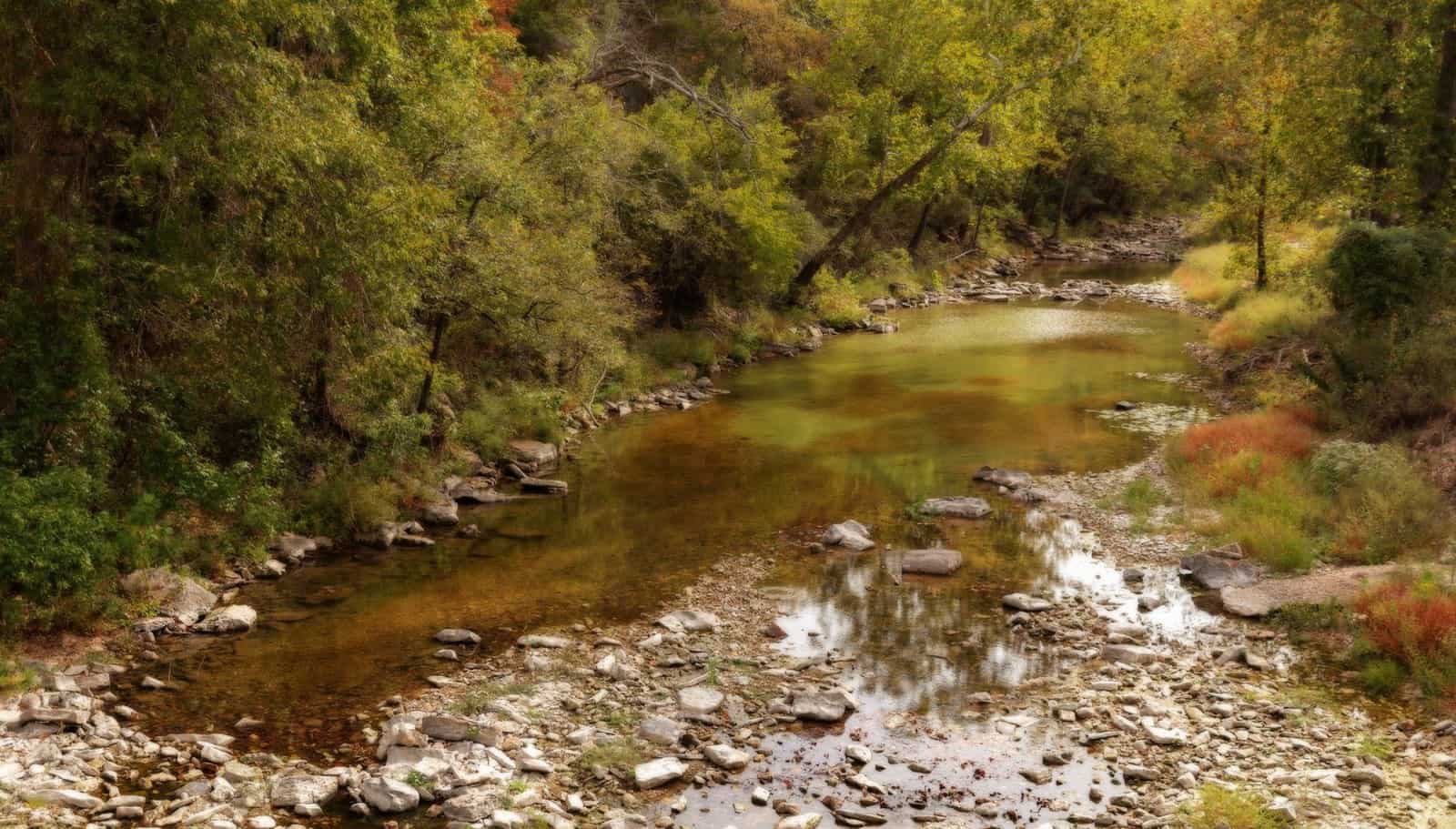
The Buffalo became the first national river in the country in 1972, and it runs about 135 miles through the Ozark highlands of northern Arkansas. It is one of the few large rivers in the lower 48 states without a dam along its main stem, and the National Park Service reports visitation of well over a million people a year. Most of the visitors arrive on two-lane roads through some of the least populated counties in the state. Newton County, where the upper river and its most photographed spots sit, has only about 7,000 residents, and Boone County, home to Harrison, has several times that.
That mismatch is the key to the Buffalo River tourism economy. The land around the river is beautiful and mostly empty. Visitors want a bed, a meal, a shuttle, a canoe, and a hospital within reach. The parts of the economy that provide those things cluster in a few towns, and two of them matter most.
Two Towns, Two Jobs
1. Jasper: The Canyon Country Front Door
Jasper is the Newton County seat, and it has a population of about 500 people. It sits on Highway 7, which is a designated scenic byway, and it is roughly 15 miles from the Ponca area, where many visitors begin their trips. In a typical summer or fall weekend, the town’s role is to feed, fuel, and equip people heading into the canyons.
What Jasper does for the corridor:
- Lodging and food. Small cabins, bed-and-breakfasts, and a handful of restaurants serve visitors. The Ozark Cafe, which has operated for more than a century, anchors the courthouse square, and diner-style meals are cheap compared with a city, typically $10 to $18 for lunch.
- Outfitting. Canoe and kayak outfitters operate along the upper river, with shuttles to put-in and take-out points. Rentals run roughly $60 to $100 per canoe for a day, depending on the stretch and the season.
- Seasonal timing. The big seasons are spring float season, from about April through early June when water levels are best, and fall, when the leaves turn and the elk gather in Boxley Valley. Summer is slower on the water because levels drop.
- Local identity. Jasper is where visitors learn the rhythm of an Ozark county. The courthouse square, the local festivals, and the high school football games draw locals and visitors.
The tradeoff is that the economy is seasonal. A town with fewer than 1,000 residents cannot support year-round tourism employment on the numbers of a weekend crowd. Many businesses close or cut hours from late fall to early spring. Housing is also tight, because cabins and short-term rentals compete with places for people who work there.
2. Harrison: The Hub Behind the Scenery
Harrison, in Boone County, is a town of roughly 13,000 and it sits near the northern edge of the Buffalo’s watershed. It is not on the river in the way Jasper is, but it is the closest place with a full range of services. It has major grocery stores, a regional hospital, a community college, motels, chain restaurants, and a broader base of jobs than tourism alone.
What Harrison does for the corridor:
- Medical care. If someone is hurt on the river, a hospital within reach matters. Harrison has the nearest regional medical center for many visitors on the northern reaches.
- Lodging and dining. Hotel rooms tend to be cheaper than in the canyon, often $90 to $150 in a busy season, and there is a wider selection of restaurants.
- Supplies. Visitors buy groceries, fuel, camping gear, and ice there before they head into the park.
- Year-round jobs. Manufacturing, healthcare, retail, and education keep the town running when tourism slows. That stability supports the workforce that staffs the seasonal economy, since many people live in Harrison and drive to jobs in the corridor.
The tradeoff is that Harrison captures a lot of the spending without having the river in its backyard. Visitors who stay in Harrison can drive an hour or more to reach popular trailheads on the upper river, which cuts into mornings and evenings.
What the Corridor’s Tourism Economy Is Made Of
Put together, these towns show how a place without big resorts or theme parks earns money from a natural river.
1. Lodging. A mix of campgrounds, cabins, motels, and short-term rentals. The park’s own campgrounds are cheap, roughly $20 to $30 a night, and the privately operated cabins can be several times that. 2. Outfitting and guiding. Canoe rentals, shuttle services, guided hikes, and trail rides. 3. Food service. Cafés, general stores, and the occasional restaurant with a bar. 4. Retail. Gear shops, souvenir stores, and the general stores at trailheads. 5. Public jobs. National Park Service staff, county government, and schools.
What the economy does not produce is high wages. Many positions are seasonal, part-time, and paid close to the minimum. That is one reason housing and healthcare are common concerns across the region.
What the Seasonal Swings Look Like
The year in the corridor follows the water and the weather. Early spring brings the first floaters and wildflowers. Late April through May is peak canoeing, with the busiest weekends around Memorial Day. By midsummer the river can be shallow in places, and the focus shifts to swimming and camping. September and October bring cooler weather and the fall color, and the elk rut draws wildlife watchers to Boxley Valley and the Ponca area. Winter is quiet, with fewer open businesses and fewer services, though the bluffs and frozen waterfalls draw a small but loyal crowd.
For a visitor, that means timing affects prices and availability. You will find the best selection of rentals and rooms in April, May, and October, and you will find the most solitude in the shoulder periods around them.
How to Visit Without Overloading the System
A few habits help the places that keep the corridor running.
- Book early for peak weekends. The best cabins and campsites fill months ahead.
- Spend money locally. Buy groceries or ice in Jasper or Harrison, eat at a local café, and rent from a local outfitter.
- Respect the river. Pack out trash, stay on trails, and keep to marked access points.
- Check water levels. The National Park Service posts river conditions, and floating in low water is slow and frustrating.
- Plan for limited cell service. Download maps and confirm shuttle times before you leave town.
- Know where help is. Note the nearest hospital and keep the park’s contact number handy.
A Simple Two-Town Itinerary
A weekend that uses both towns works well. Stay one night in Harrison to stock up and get a hot meal, then drive south on Highway 7 into the canyon country, with a stop at the Boxley Valley to look for elk. Spend a day on the upper river with a canoe, hike to Hawksbill Crag, then eat in Jasper before heading out. If you have another day, drive the Scenic Byway to the south and see how quickly the landscape changes.
A Rough Cost Snapshot for a Weekend
Prices shift by season, but a typical weekend for two people in the corridor looks something like this.
- Lodging: $20 to $30 a night for a park campsite, $90 to $150 for a motel in Harrison, and $150 to $300 for a cabin near Ponca or Jasper on a peak weekend.
- Canoe rental with shuttle: about $60 to $100 per canoe for a day trip on the upper river.
- Food: $10 to $18 for a café lunch, $15 to $30 per person for dinner, and less if you cook.
- Fuel: budget extra, since services are spread out and hill driving uses more gas than you expect.
These are planning ranges, not quotes. Rates change, and outfitters often set minimums on busy weekends, so call ahead.
Why the Corridor Feels Fragile
The same features that make the Buffalo appealing also make its economy fragile. A single flood can close low-water bridges and wipe out a month of income. A drought can leave the river too low to float. A change in short-term rental rules, a cut in park staffing, or a closed clinic can ripple through a county of 7,000 people. Residents often say the corridor is rich in landscape and thin in margins.
That is why a short stop in the right place matters. A visitor who buys gas in Jasper, a sandwich at a local café, and a few hours of shuttle service adds to a small economy that has few other sources of cash. And a visitor who stays in Harrison supports a regional hub that makes the rest possible.
The Takeaway
The Buffalo River tourism economy rests on a few small places. Jasper is the front door for people who want to be in the canyon, and Harrison is the hub behind it. Understanding the roles helps you plan a trip, spend money where it matters, and see the corridor as a working landscape and not just a postcard.