Bozeman Has Two Very Different Types of Buyers Competing for the Same Houses. Here’s Who They Are and Who Gets Squeezed
We may earn money or products from the companies mentioned in this post. This means if you click on the link and purchase the item, I will receive a small commission at no extra cost to you ... you're just helping re-supply our family's travel fund.
The Bozeman housing market has two groups of buyers who want the same limited stock of houses, and they rarely meet in the same price range. One group arrives with equity from a sale in a bigger or more expensive market, or with a remote job that pays on a national scale. The other group works in Bozeman, often at Montana State University, the hospital, a school, or a local business, and earns a local paycheck. When both bid on the same three-bedroom house, the local paycheck loses. Here is who the buyers are, why they collide, and who feels it first.
Inside the Bozeman Housing Market
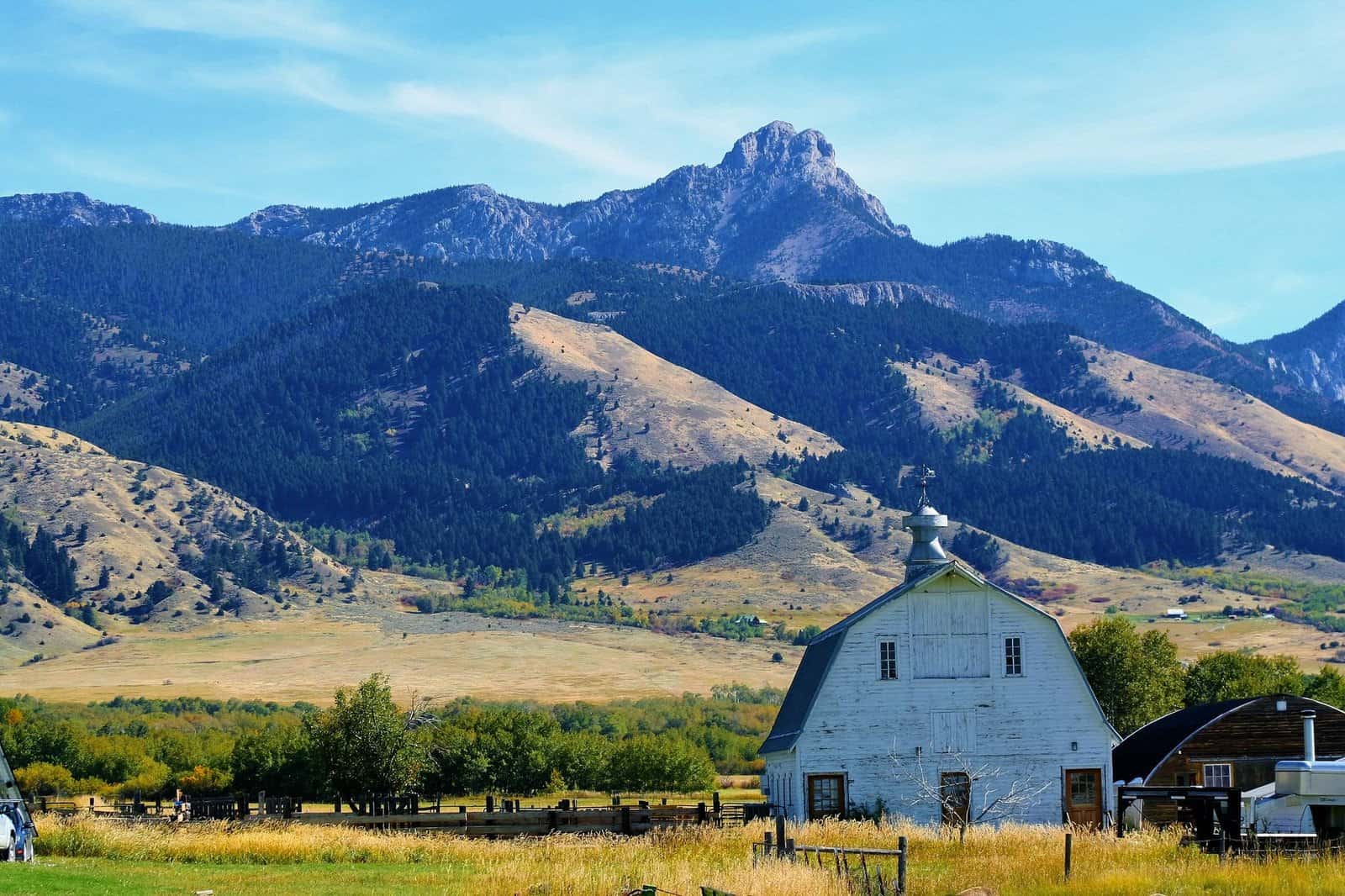
Bozeman is the largest city in Gallatin County, and it has been one of the fastest-growing small cities in the country for more than a decade. The population of the city is now well above 55,000, up sharply from about 37,000 in 2010, and the county has grown even faster. Montana State University enrolls roughly 16,000 students, and the area has become an outdoor-recreation and tech hub, with Big Sky, Bridger Bowl, the Gallatin River, and Yellowstone within easy reach.
The result is a housing market that costs far more than the rest of the state. Median single-family prices in Bozeman have been well above $700,000 in recent years, while the median for Montana as a whole sits far lower, and local household incomes are not high enough to keep pace. Check current figures from the Gallatin Association of Realtors or the local assessor for exact numbers, since they change month to month.
That gap is where the two buyer groups meet.
Buyer Group One: Equity-Rich Newcomers
The first type of buyer comes from somewhere else. Many are from California, Washington, Colorado, Texas, or the Northeast, and they have specific advantages:
- Equity from a previous home. A seller from a pricey metro can often buy a Bozeman house outright or with a large down payment.
- Remote or high-paying jobs. Software, finance, and consulting salaries do not depend on the Gallatin Valley economy.
- Second-home or retirement goals. Some buyers want a place near the ski hill and the river, and plan to use it part of the year.
- Willingness to waive conditions. Cash offers and fewer contingencies are attractive to sellers.
The point is not that these buyers did anything wrong. They are responding to a market in which a Bozeman house looks cheap next to a coastal one. The effect is that they set the price floor for everyone else.
Buyer Group Two: Local Workers and First-Time Buyers
The second type of buyer lives and works in the valley, and is usually trying to buy a first or second home. They include nurses, teachers, university staff, tradespeople, restaurant managers, and small business owners.
Their situation looks different:
- Local wages. Pay is lower than in major metros, and many jobs in tourism, retail, and education do not support a $700,000 mortgage.
- Smaller down payments. Many rely on savings or family help, not equity from a previous sale.
- Need for stability. They need loans, inspections, and sale contingencies, which weaken their offers in a competitive market.
- Long commutes. Many have moved to Belgrade, Manhattan, Three Forks, or Livingston, and they drive into Bozeman for work.
Neither group is “from Montana” in a simple way, since many longtime locals are newcomers from a previous decade. The better description is that one group buys with outside money, and the other buys with local income.
Why the Two Groups Collide
The two groups collide because supply is tight and demand is high.
1. Limited land. Bozeman sits in a valley with mountains on three sides, and development often means expanding into farmland, which is controversial. 2. Zoning and construction costs. Building new homes costs more than before, and many projects aim at the top of the market. 3. Seasonal and short-term rental demand. Some owners rent to visitors or sell to investors, which reduces the stock available to year-round residents. 4. Cash advantage. A buyer who can close quickly without a loan often wins, even at the same price. 5. Interest rates. Higher mortgage rates affect local buyers more because they rely on financing.
The outcome is that some houses sell above asking price to the buyer who can move fastest, and the local worker looks to condos, townhouses, or houses in a neighboring town.
Who Feels the Squeeze First
The people who feel the pressure first are not the buyers. They are:
- Renters. If a landlord sells, a long-term renter loses a home and faces higher prices elsewhere.
- Service workers. Restaurants, hotels, and retail stores struggle to hire when staff cannot afford to live nearby.
- Teachers and health care workers. Recruiting staff is harder when a median home price is far above a typical salary.
- Young families. Many leave the valley for cheaper areas in Montana or other states.
- Longtime residents on fixed incomes. Rising property values raise assessed values and tax bills.
Local government, employers, and nonprofits have responded with affordable housing programs, deed-restricted homes, workforce housing projects, and zoning changes. The City of Bozeman has adopted housing plans aimed at adding more homes, and organizations such as Human Resource Development Council and Habitat for Humanity work on lower-cost options. Results vary, and progress is gradual.
What Visitors and Prospective Buyers Should Know
If you are visiting Bozeman, you will see some effects of the housing market without looking for them. Hotel and restaurant staff may live in neighboring towns. Rentals can be scarce. New condos and townhomes are visible near downtown and along North 19th Avenue. The town center on Main Street is lively with shops, restaurants, and breweries, which depend on a workforce that has to commute.
If you are thinking of buying, a few tips help:
- Work with a local agent who knows the neighborhoods and the competition.
- Get pre-approved before you look, and know your maximum budget.
- Consider surrounding towns like Belgrade, Manhattan, and Livingston, which often cost less.
- Check HOA rules and short-term rental restrictions before making an offer.
- Expect a competitive process in spring and summer.
A Closer Look at the Surrounding Towns
The valley’s other towns show how the market spreads outward. Belgrade, near the airport, has grown rapidly as a more affordable option for families. Manhattan, a small farming town to the northwest, has seen prices rise as commuters arrive. Livingston, about 25 miles east over Bozeman Pass, has an artsy downtown and a railroad history, and it has attracted buyers seeking lower prices than Bozeman. Each town is now seeing some of the same pressure on prices that Bozeman saw earlier.
A Tale of Two Offers
Picture a three-bedroom house on the south side of Bozeman listed in the high $600,000s to low $800,000s. The first offer comes from a couple selling a home in the Seattle or Denver area. They have a large down payment, no need for a sale contingency, and a flexible closing date. They offer a little over asking and waive the inspection. The second offer comes from a nurse and a teacher who have lived in Bozeman for six years. They have saved a down payment, they have a mortgage pre-approval, and they need an inspection and a financing contingency. The offer is at asking price.
The seller does not need to make a moral choice. They choose the first offer, because it is faster and surer. The second couple tries again on another house, and the pattern repeats. After enough rounds, many local buyers look at Belgrade or at a condo, and some leave the valley altogether.
What Changes the Balance
Several factors can shift the balance between the two groups.
- Mortgage rates. When rates are high, cash buyers have more of an edge over financed buyers. When rates fall, local buyers can compete more often.
- Remote work trends. Companies calling workers back to offices reduce the number of out-of-state buyers who can work from Montana.
- New construction. More townhomes and smaller lots add entry-level supply, though new homes often start at prices well above local incomes.
- Local programs. Down payment assistance, community land trusts, and deed-restricted housing can help buyers who would not otherwise qualify.
- Wages. Employers like Montana State University and the hospital systems compete for workers, and raises or housing help can make a difference.
Questions People Ask
Is Bozeman still growing?
Yes, though growth rates have moved around. Gallatin County has been among the fastest-growing counties in Montana for years, and the pressure on housing remains.
Are prices falling?
Prices rise and flatten with interest rates and seasons. Do not assume the city will become cheap, because the demand drivers have not gone away. Look at recent sales data, not headlines.
Is it still worth moving to Bozeman?
For some people, yes. If you have a remote income or equity from a sale, you can buy comfortably. If you plan to earn a local wage, be realistic about housing costs, and consider renting first or looking in nearby towns.
The Takeaway
The Bozeman housing market is not a simple story of locals versus outsiders. It is a collision between buyers with outside equity and buyers with local wages, in a valley with limited land and strong demand. Renters, service workers, and first-time buyers feel it first. If you plan to buy or move, understand which group you are in, budget for competition, and look beyond the city limits.