10 Ancient Temples That Have Closed Their Inner Sanctums
We may earn money or products from the companies mentioned in this post. This means if you click on the link and purchase the item, I will receive a small commission at no extra cost to you ... you're just helping re-supply our family's travel fund.
Across centuries, civilizations erected monumental temples as sacred spaces to commune with the divine. But time, conquest, natural disasters, and religious shifts have left many of these holy sites abandoned, destroyed, or repurposed. While their outer walls and majestic facades still inspire awe, the inner sanctums—once the heartbeat of spiritual activity—are silent. These 10 ancient temples are powerful reminders of how history can seal off even the most sacred spaces.
Göbekli Tepe, Turkey
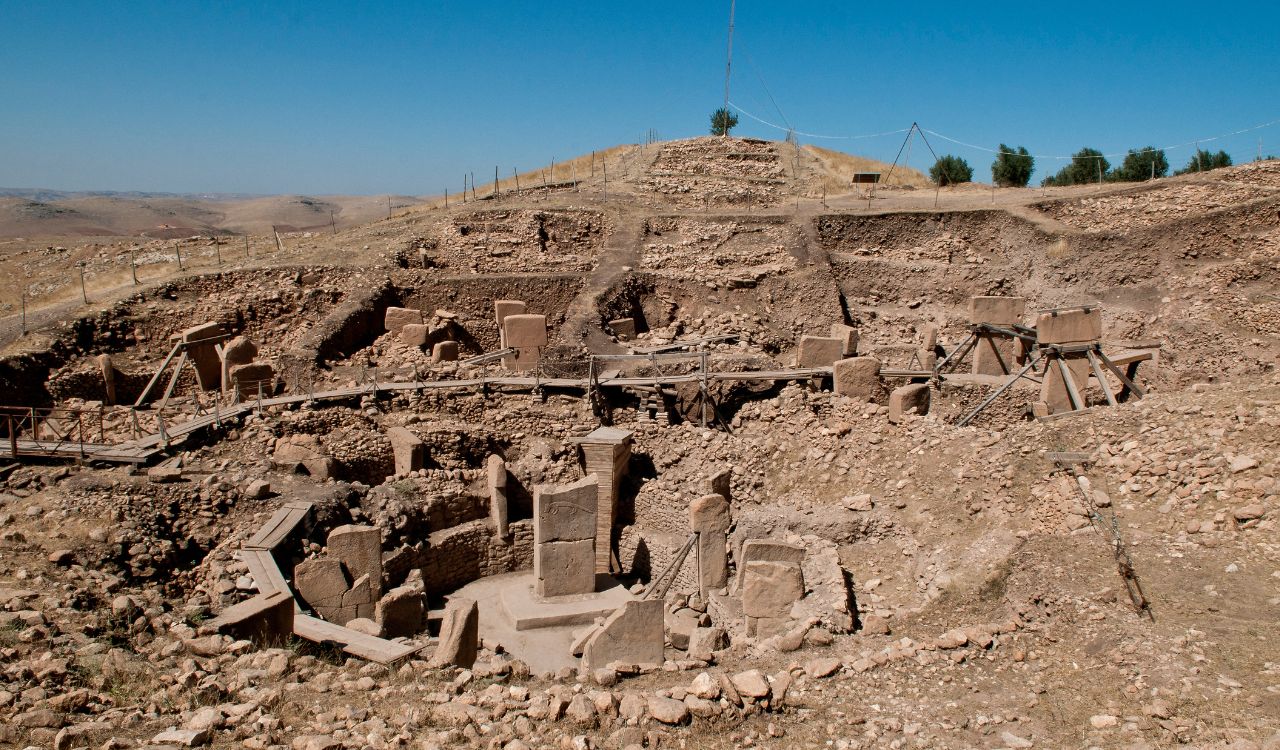
Dating back over 11,000 years, Göbekli Tepe is considered the world’s oldest known temple complex. Its ringed stone enclosures and carved T-shaped pillars suggest it was used for ritual purposes, but the exact function remains mysterious. Today, it stands as a protected archaeological site, with no modern religious function—and its inner sanctums, if they existed, are long sealed by time.
Temple of Artemis, Turkey
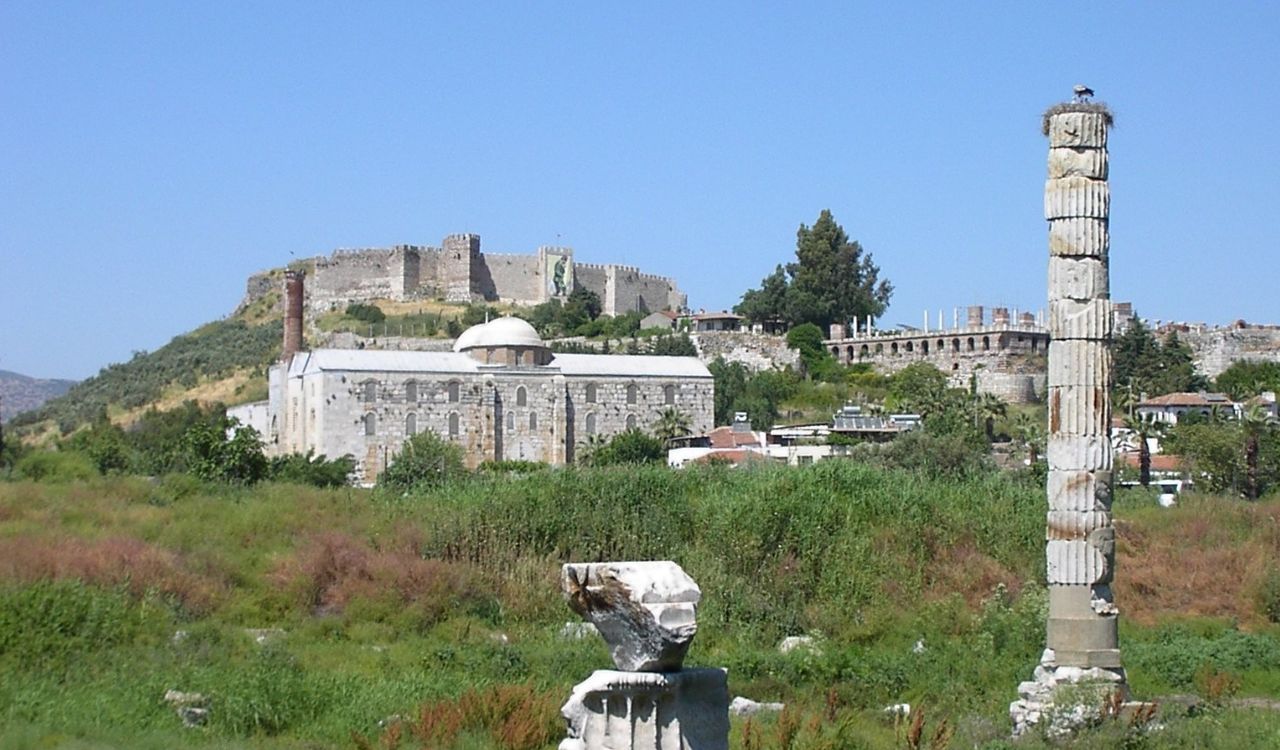
Once hailed as one of the Seven Wonders of the Ancient World, the Temple of Artemis in Ephesus was dedicated to the Greek goddess of the hunt. Ravaged by arson, plunder, and earthquakes, the temple was eventually abandoned by the 5th century A.D. Only a single column remains today. Its sacred core, where devotees once gathered in reverence, is now lost to ruin.
Temple of Jupiter, Rome, Italy
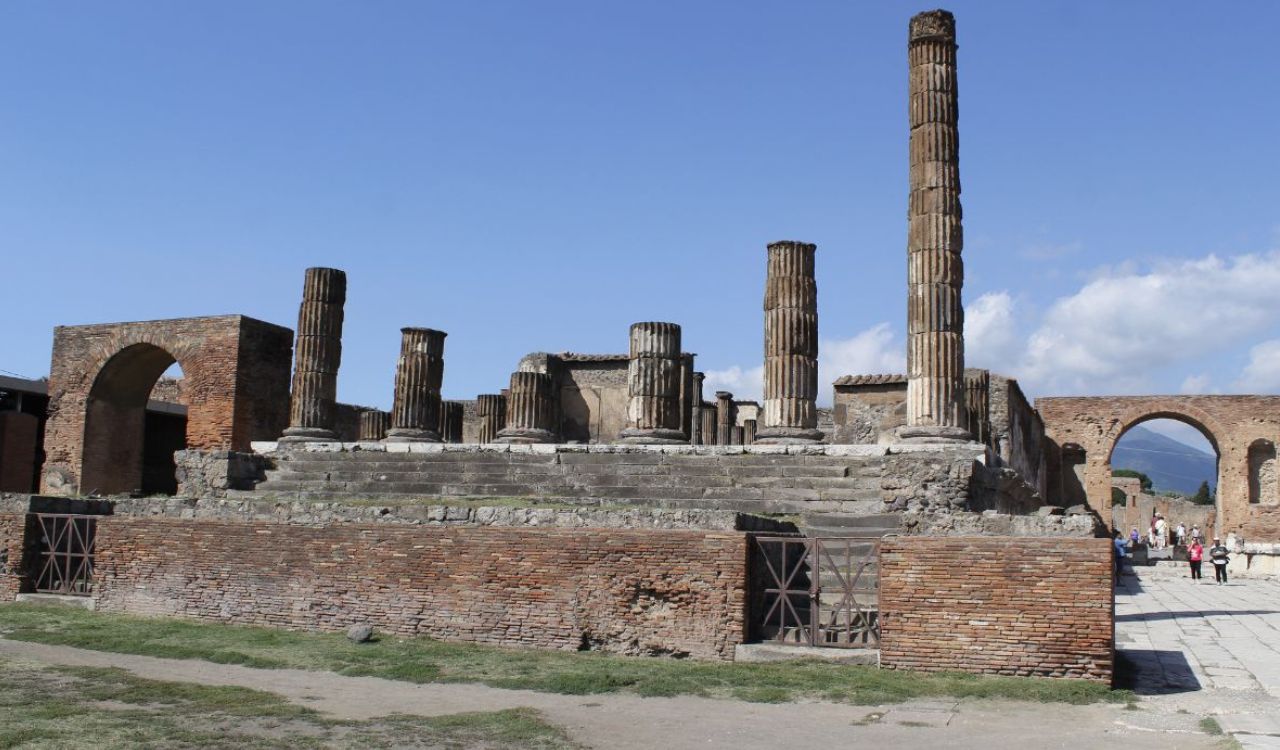
Towering over Capitoline Hill, this temple once honored Jupiter, the king of the Roman gods. Over centuries, fire and war led to repeated reconstructions—until Christianity rose to dominance and the temple fell into disuse. Today, only foundations and fragments remain. Its sanctum, once the centerpiece of Roman state religion, is long gone.
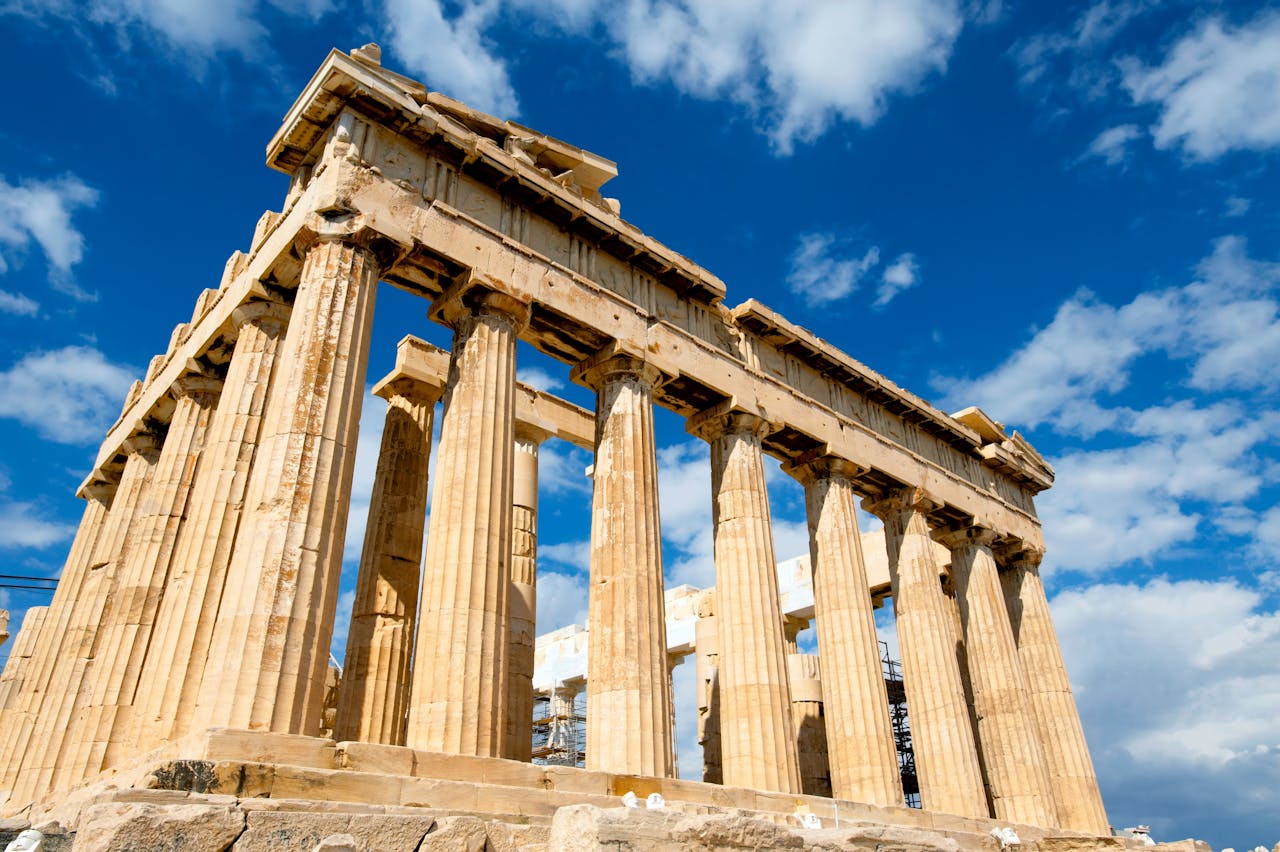
Parthenon, Athens, Greece
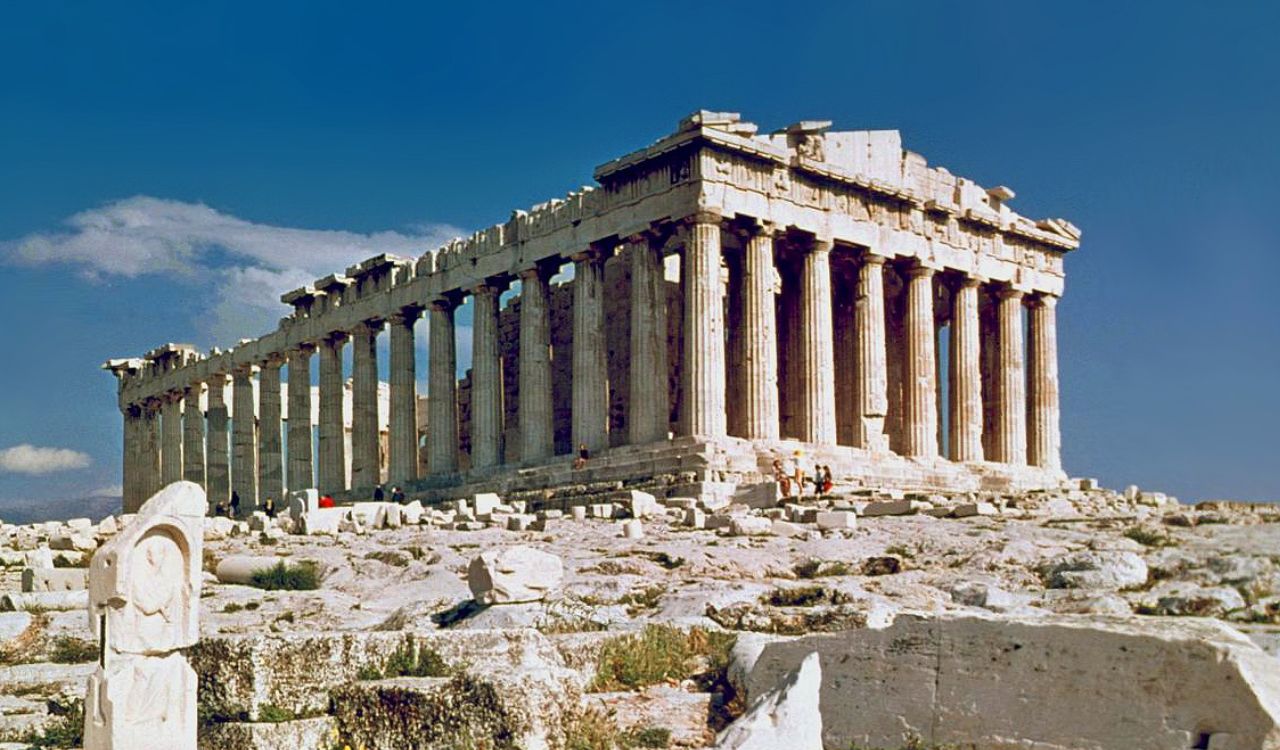
This iconic symbol of classical architecture once held a massive statue of Athena in its inner sanctum. Later converted into a church, then a mosque, and finally bombarded in war, the Parthenon now stands as a ruin. Though still stunning, it no longer functions as a temple—its sacred chamber permanently closed to worship.
Temple of the Feathered Serpent, Mexico
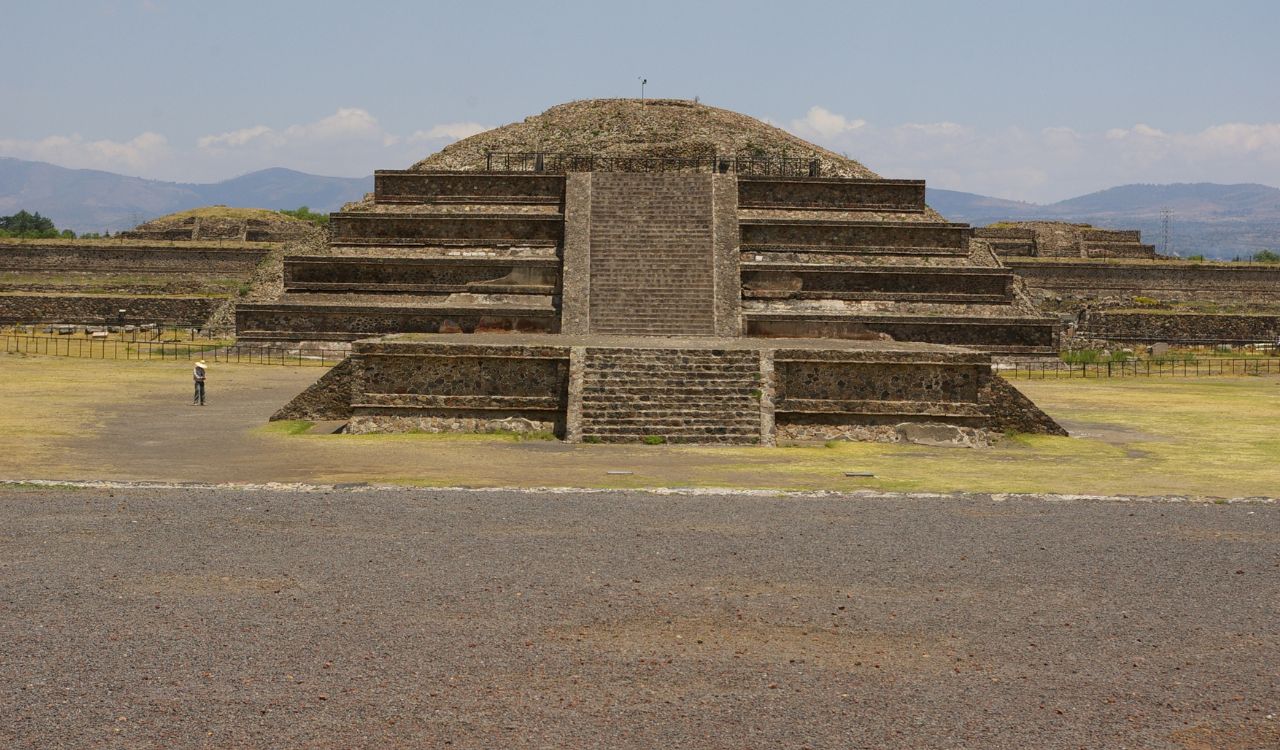
Built around the 3rd century A.D. in Teotihuacan, this pyramid is adorned with stone serpent heads and dedicated to Quetzalcoatl. The inner sanctum and burial chambers have yielded remarkable finds, but the temple has long ceased to be a place of worship. Modern visitors can admire the façade, but the spiritual heart of the site is no longer active.
Ziggurat of Ur, Iraq
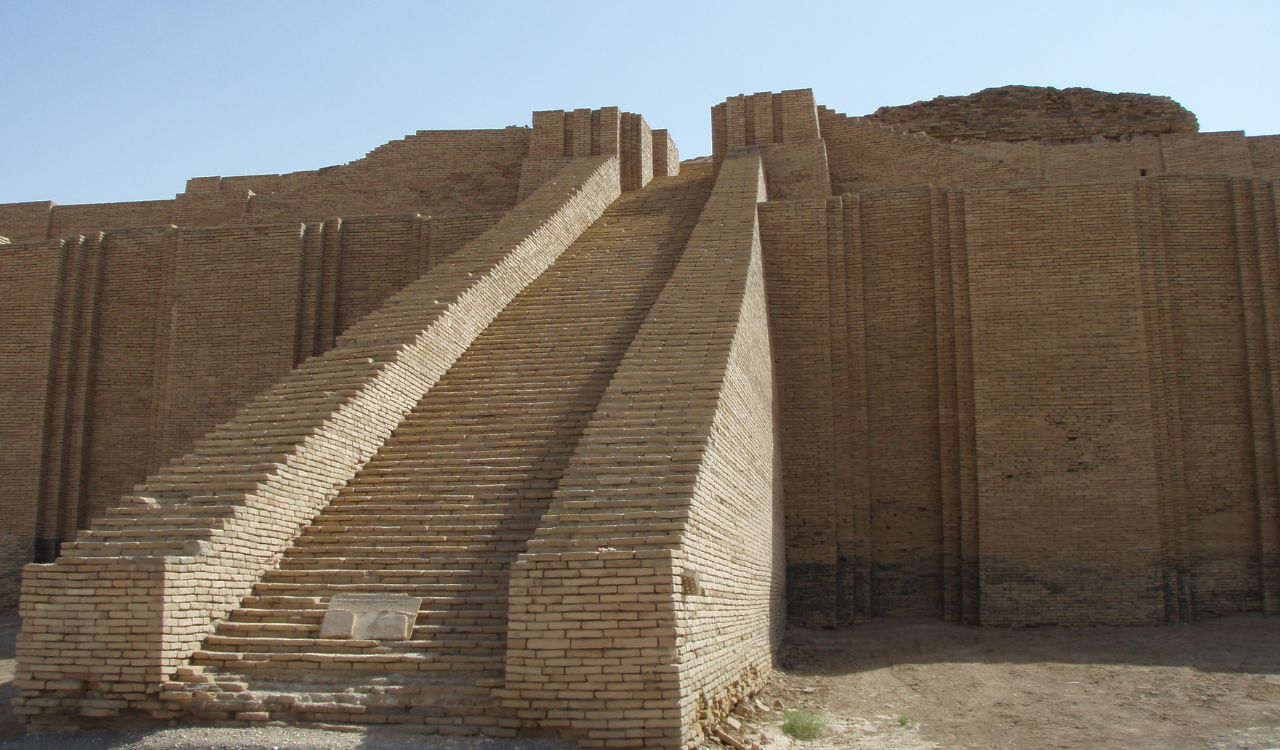
Constructed over 4,000 years ago for the moon god Nanna, the Ziggurat of Ur towered above the ancient city of the same name. A massive staircase led to the top platform, where rituals were once performed. Today, the ziggurat has been partially restored, but its temple and sanctum are inaccessible, reclaimed by history and erosion.
Coricancha, Peru
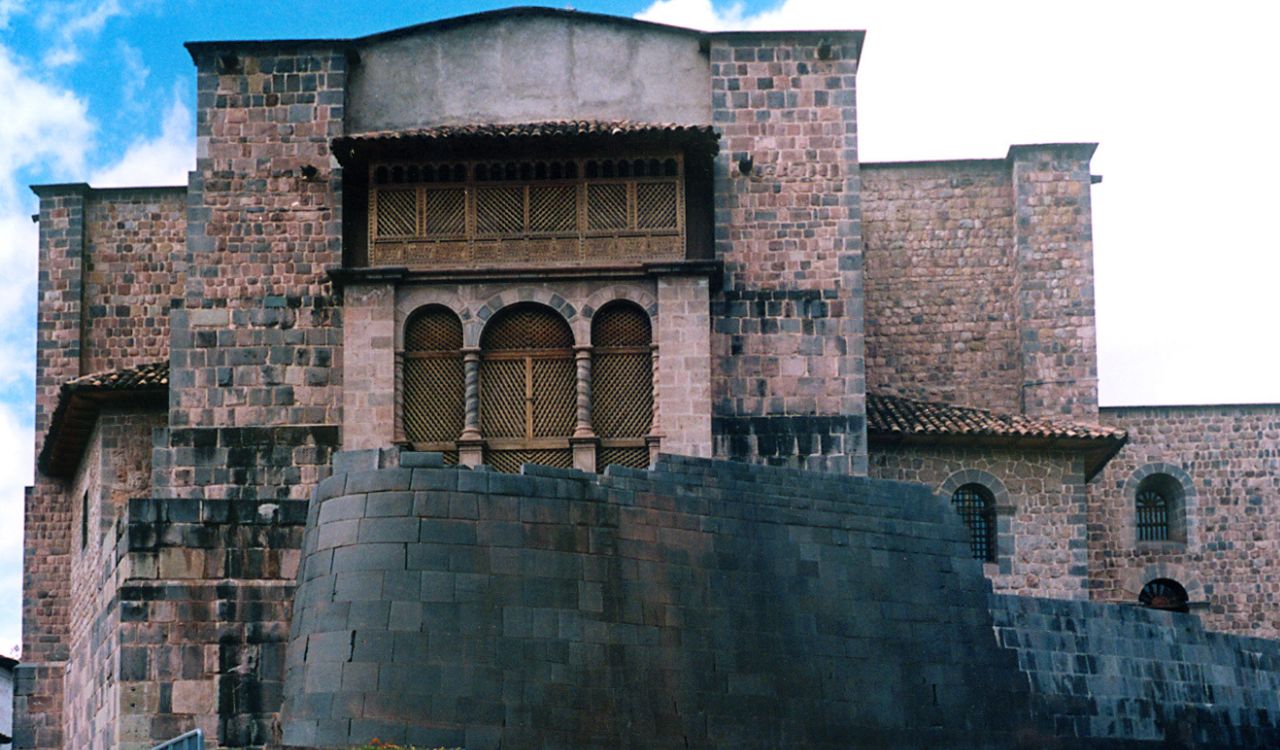
Once the most important temple in the Inca Empire, Coricancha in Cusco was dedicated to the sun god Inti. Following the Spanish conquest, much of the structure was dismantled and the Church of Santo Domingo was built atop its foundations. The temple’s sacred golden inner sanctum was looted, and spiritual access to its core was forever lost.
Tikal Temple I, Guatemala
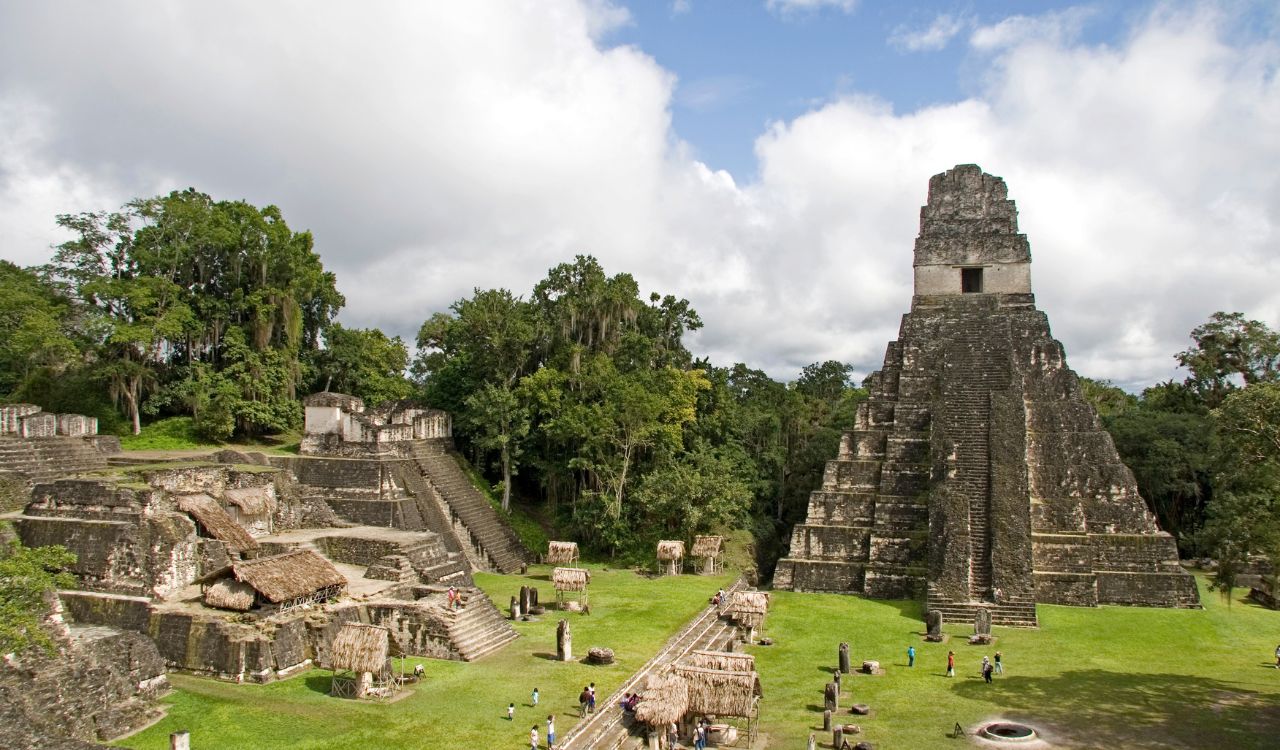
Also known as the Temple of the Great Jaguar, this towering Mayan pyramid served as a royal tomb and ceremonial site. Inside lies the crypt of King Jasaw Kaan K’awil, sealed centuries ago. While it remains one of the most iconic landmarks of Maya civilization, the temple is no longer a place of living ritual or spiritual activity.
Great Pyramid of Cholula, Mexico
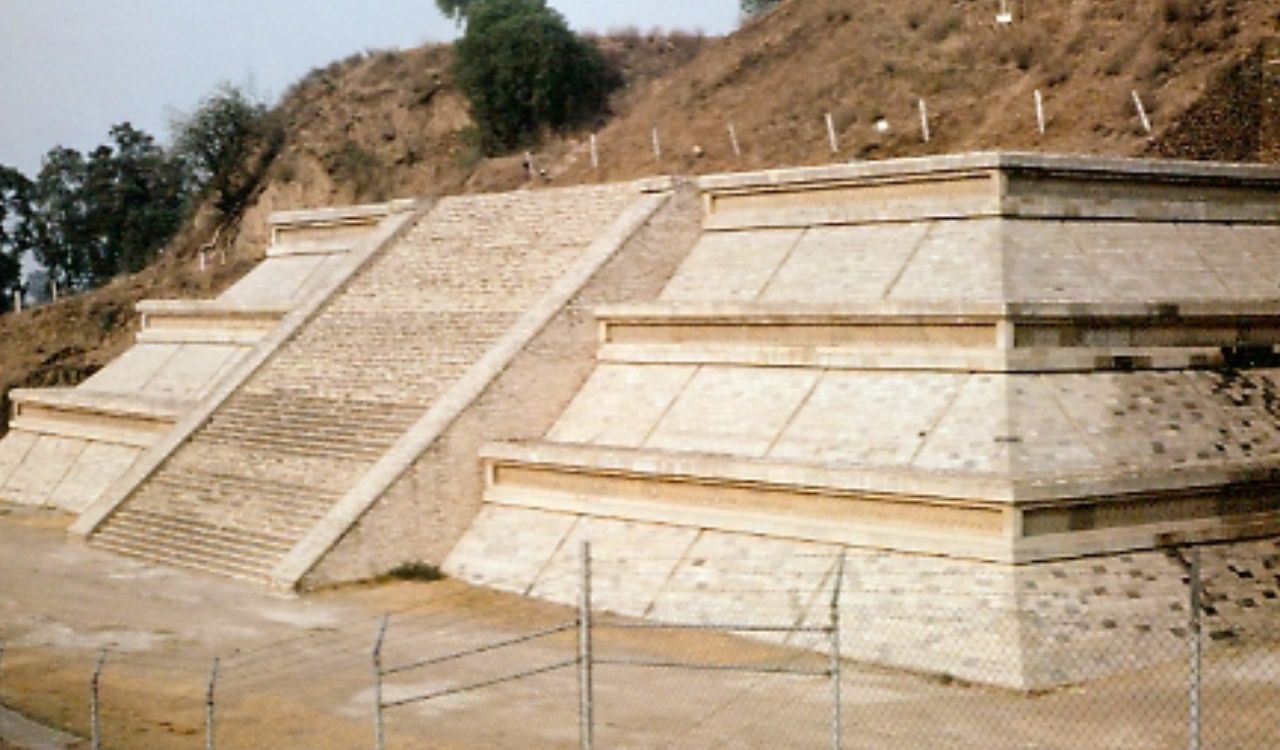
The largest pyramid in the world by volume, the Great Pyramid of Cholula was a sacred site dedicated to Quetzalcoatl. After the Spanish conquest, a church was erected atop its summit to erase indigenous worship. Today, visitors can explore tunnels within, but the original inner sanctum remains buried and replaced by colonial faith.
Sun Temple, Mesa Verde, USA
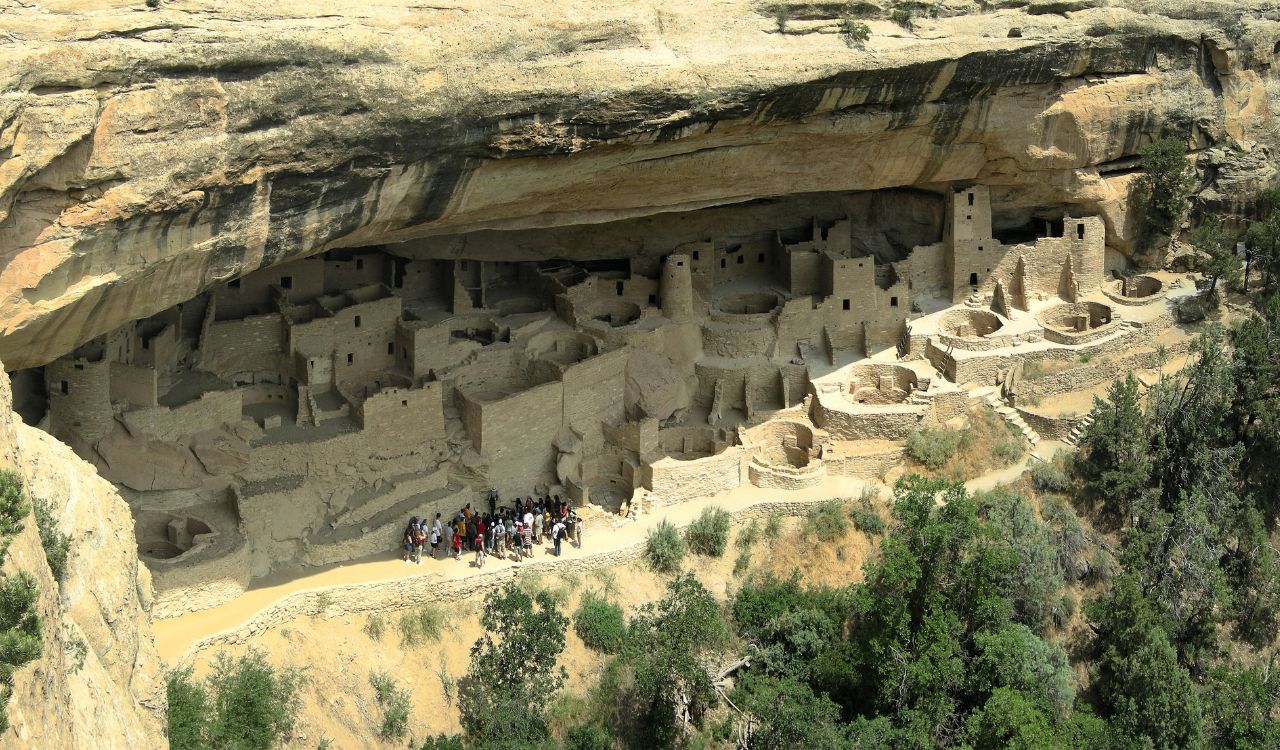
Built by the Ancestral Puebloans over 750 years ago, this D-shaped structure may have served both ceremonial and astronomical purposes. Though its precise function is debated, scholars agree that its sanctum was never completed or used extensively due to the community’s sudden decline. It stands now as a monument to what might have been—a sacred space closed before it ever fully opened.