Savannah Draws 17 Million Visitors for Every 148,000 Residents — Why Locals Are Challenging the Math
We may earn money or products from the companies mentioned in this post. This means if you click on the link and purchase the item, I will receive a small commission at no extra cost to you ... you're just helping re-supply our family's travel fund.
Savannah’s historic district, built around 22 original oak-shaded squares laid out in the city’s 1733 founding plan, draws a visitor volume wildly disproportionate to its actual population, a dynamic that has increasingly strained the same infrastructure and quality of life that made the city appealing to visitors and residents alike in the first place.
The city’s tourism economy, built substantially on its reputation for historic architecture, Southern hospitality, and a genuinely unusual concentration of antebellum and Victorian-era buildings preserved largely intact, has grown steadily for decades, but the past several years have brought a noticeably sharper local debate over how much more growth the historic district’s narrow streets and aging infrastructure can actually absorb.
Why Savannah’s Historic Layout Makes Crowding Especially Visible
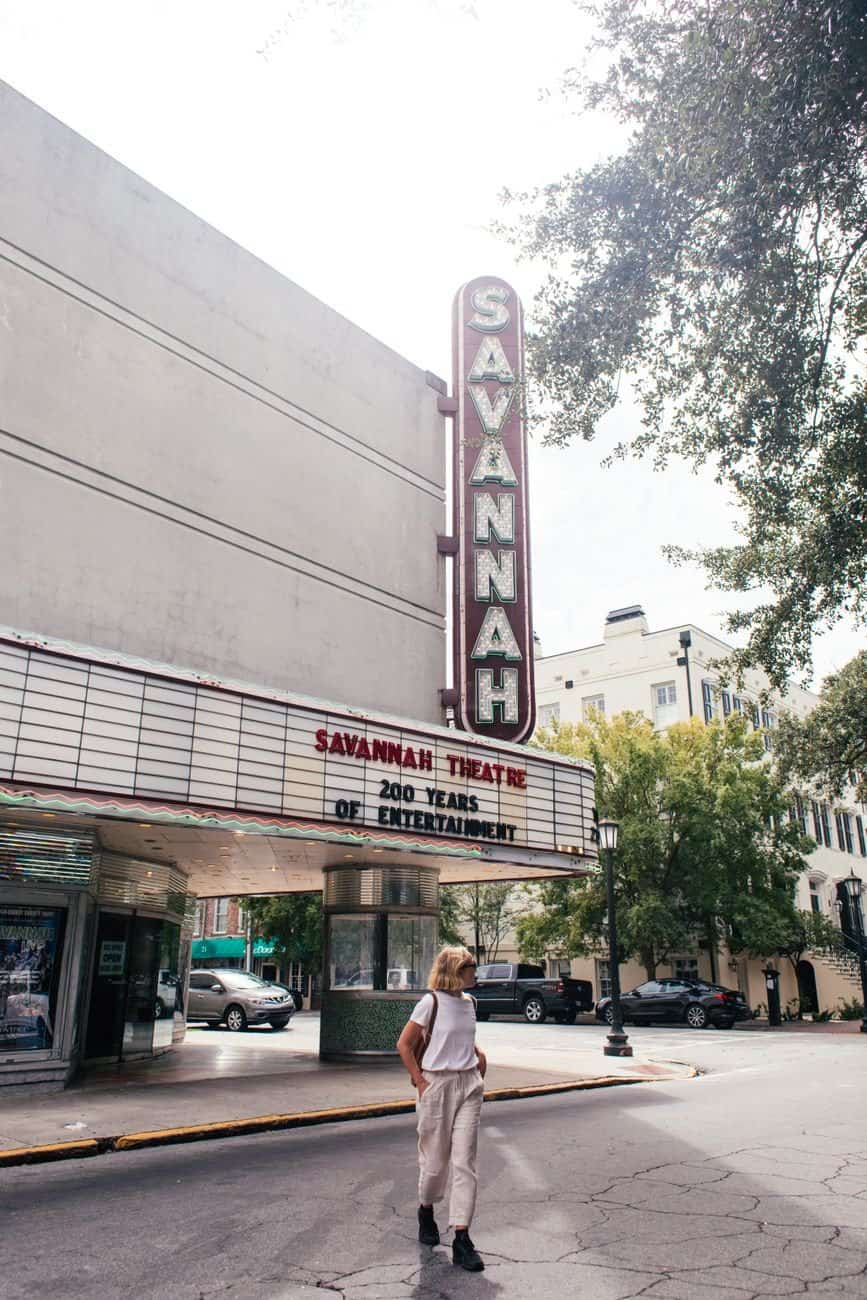
Savannah’s historic squares, while individually beautiful, were designed for a nineteenth-century city with a fraction of today’s visitor traffic, meaning even a moderate crowd of tourists can make the district’s narrow, oak-lined streets feel genuinely congested in a way that doesn’t happen in cities with wider, more modern downtown layouts built to accommodate higher volumes of both pedestrian and vehicle traffic.
Horse-drawn carriage tours and open-air trolley routes, both popular ways to see the historic district, add to street congestion during peak visitor hours, prompting periodic city council discussions about capping the number of tour operating licenses issued each year, discussions that inevitably draw pushback from a tour industry that employs a significant number of local workers.
The Short-Term Rental Fight That’s Reshaped Local Politics
Savannah implemented a cap on short-term rental permits in its historic district after years of resident complaints about noise, parking, and the conversion of long-term rental housing into vacation properties, a policy fight that pitted property owners profiting from the tourism boom against residents who felt increasingly squeezed out of neighborhoods they had lived in for generations.
The permit cap has become a genuine point of contention in local elections, with candidates regularly campaigning on either loosening or further restricting short-term rental rules, reflecting how central the tourism-versus-livability tension has become to Savannah’s broader local political identity in recent years.
What City Officials Have Tried to Manage the Volume
Savannah has invested in expanded parking infrastructure and shuttle systems specifically designed to reduce the number of personal vehicles circulating through the historic district’s narrowest streets, an infrastructure response common to historic cities nationally struggling with tourism volume that predates most of their street grids by well over a century.
Marketing efforts have shifted somewhat toward promoting Savannah’s lesser-visited neighborhoods, including the Starland District’s arts and restaurant scene, as a way to spread visitor spending and foot traffic beyond the small handful of historic squares that currently absorb the overwhelming majority of tourist attention.
How Savannah’s Situation Compares to Other Historic Southern Cities
Charleston, South Carolina faces a remarkably similar dynamic with its own historic peninsula downtown, and the two cities’ tourism boards and city planning departments have informally exchanged notes on crowd management strategies over the years, recognizing they face nearly identical structural challenges despite being separate cities with separate governments.
Both cities illustrate a broader pattern playing out across America’s most architecturally significant small historic downtowns, where the very qualities that made a place worth preserving, narrow streets, low-rise historic buildings, walkable scale, are the same qualities that make heavy tourism volume so much more disruptive than it would be in a larger, more modern city built to absorb greater density.
The Cruise Ship Debate That’s Arrived More Recently Than Expected
Savannah has seen a growing number of small cruise ships adding the city as a port stop in recent years, a development that has sparked early versions of the same resident pushback seen in more established cruise destinations like Charleston, as locals worry about an already-strained historic district absorbing yet another category of concentrated daily visitor traffic.
City council members have discussed potential limits on cruise ship size and frequency preemptively, hoping to avoid the more contentious battles other historic port cities have faced only after cruise tourism had already grown large enough to become difficult to scale back politically.
How Savannah’s Ghost Tour Industry Became Part of the Crowding Problem
Savannah’s reputation as one of America’s most haunted cities has fueled a large and growing ghost tour industry, with dozens of competing tour operators leading groups through the same historic squares each evening, adding yet another layer of foot traffic to a district already managing daytime tourist crowds and horse-drawn carriage congestion.
City officials have periodically discussed licensing caps for ghost tour operators similar to the restrictions already placed on carriage tours, reflecting how thoroughly tourism-related congestion concerns now extend across nearly every category of Savannah’s visitor economy, not just its most obvious daytime attractions.
The city’s tourism board has acknowledged the tension directly in recent public statements, describing an ongoing effort to balance continued economic benefit from tourism against a genuine risk of degrading the historic character that draws visitors in the first place.
Some ghost tour operators have voluntarily begun coordinating start times and routes with each other specifically to reduce the evening bottlenecks that had become a recurring complaint from residents living along the most heavily toured squares.
Local officials have described this kind of operator-led self-regulation as a promising sign that at least some parts of the tourism industry are willing to manage their own impact before the city government feels compelled to impose formal restrictions.
Whether that kind of voluntary industry cooperation proves durable over time will likely determine whether the city government ultimately needs to step in with more formal regulation of its own.
For now, the mix of voluntary industry self-regulation and periodic city council debate appears to be the working, if imperfect, compromise keeping Savannah’s tourism economy and its historic district in an uneasy but functional balance.