Your Airline Seat Is Nearly 2 Inches Narrower Than It Was in the 1990s — and Passenger Comfort Wasn’t the Priority
We may earn money or products from the companies mentioned in this post. This means if you click on the link and purchase the item, I will receive a small commission at no extra cost to you ... you're just helping re-supply our family's travel fund.
Average economy seat width on U.S. airlines has narrowed from roughly 18.5 inches in the 1990s to closer to 17 inches or even less on some carriers today, a shift that has occurred gradually enough across the entire industry that most passengers experienced it as a slow, barely perceptible change rather than a single dramatic shift, even though the cumulative difference over three decades is genuinely substantial.
Airlines have consistently framed these changes as necessary responses to fuel costs and ticket price competition, but the underlying business math reveals a more specific and more deliberate strategy: narrower seats and tighter seat pitch allow airlines to add additional rows to the same aircraft fuselage, directly increasing the number of paying passengers a single flight can carry.
The Simple Math Behind Shrinking Seats
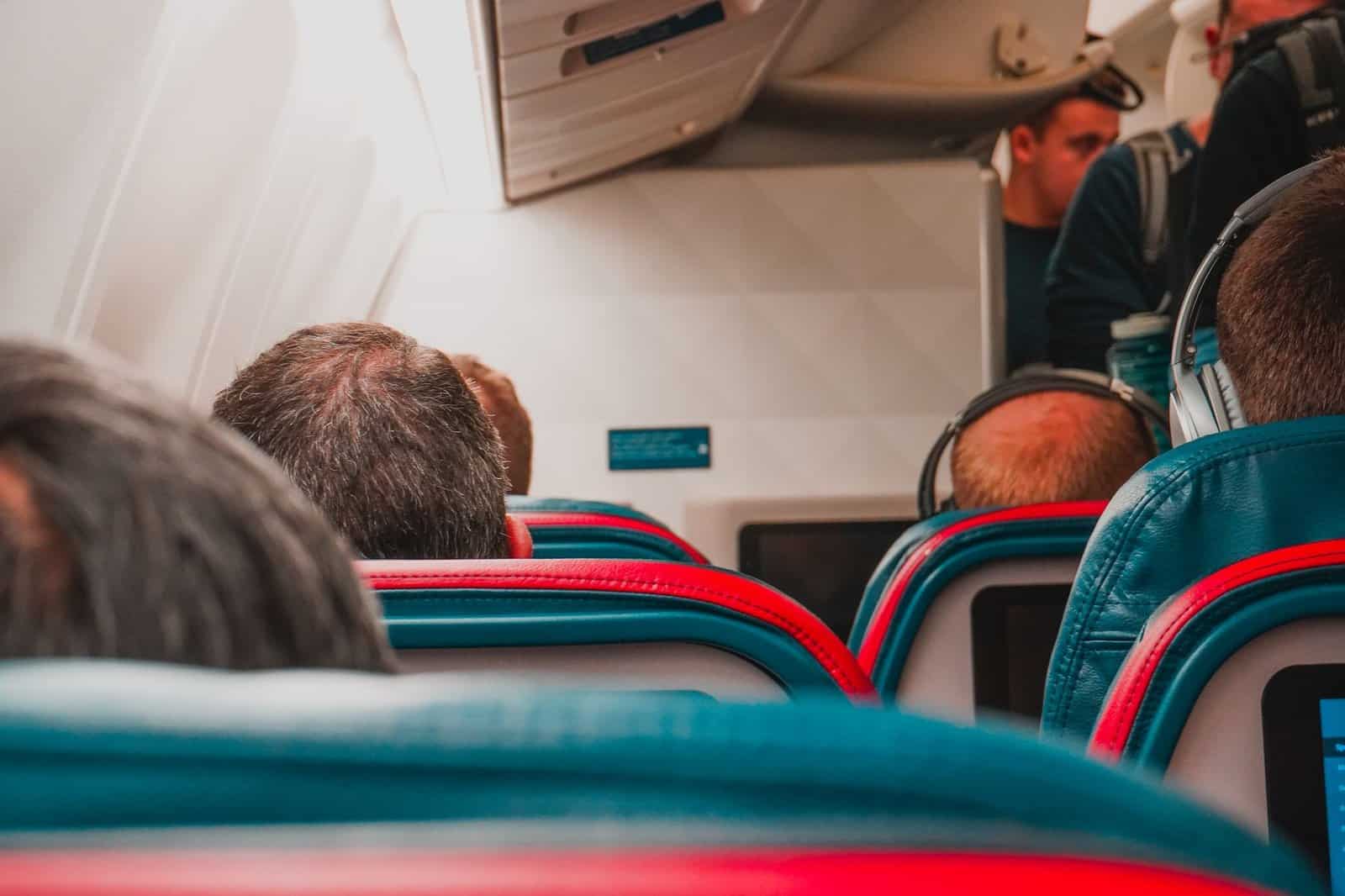
Adding even a single additional row of seats to a narrow-body aircraft translates directly into additional ticket revenue on every single flight that plane operates for the rest of its service life, often twenty years or more, meaning even a seemingly small reduction in seat pitch produces a compounding financial benefit that airlines have found difficult to resist in an industry famous for razor-thin profit margins.
Airlines have also increasingly segmented seating into multiple tiers, standard economy, extra-legroom economy, and premium economy, a strategy that effectively monetizes the very space reduction happening in standard seating, since passengers uncomfortable with shrinking legroom can simply pay extra for the legroom that used to come standard in economy class a generation ago.
Why Regulators Have Been Slow to Act
The Federal Aviation Administration has studied minimum seat size requirements primarily through the lens of emergency evacuation safety rather than passenger comfort, and its research to date has not established that current seat dimensions create an evacuation safety risk, a finding that has repeatedly undercut congressional efforts to mandate minimum seat sizes through legislation.
Consumer advocacy groups have argued that evacuation testing methodology fails to account for the actual demographics of modern air travel, including larger average passenger body sizes and a higher proportion of older or mobility-limited travelers than the relatively narrow test population used in most official evacuation simulations, though this argument has not yet produced binding regulatory change.
How Passengers Have Adapted to the Shrinking Space
A specific subset of frequent travelers now book premium economy or extra-legroom seats as a routine default rather than an occasional splurge, effectively accepting a higher standard ticket price as the practical cost of maintaining the comfort level that used to come with standard economy seating a generation ago.
Airlines have simultaneously invested heavily in seat design engineering, thinner cushioning materials, slimmer seatback structures, specifically to preserve a usable amount of legroom even as overall pitch has decreased, a genuine engineering achievement that has partially, though not completely, offset the physical space reduction passengers actually experience.
What This Means for How to Actually Book a Comfortable Flight Today
Seat map websites that aggregate specific aircraft configurations by airline and route have become an essential tool for travelers serious about avoiding the tightest seat configurations, since seat dimensions can vary meaningfully even within the same airline depending on which specific aircraft variant and configuration is assigned to a given route.
Budget carriers and legacy full-service airlines have converged more than most passengers realize on baseline economy seat dimensions, meaning the biggest comfort differentiator today often comes down to specific seat selection and add-on purchases rather than which airline a passenger chooses to fly in the first place.
How International Carriers Compare to U.S. Airlines
Several international carriers, particularly full-service airlines based in the Middle East and Asia, have maintained somewhat more generous economy seat dimensions than the U.S. average, a difference frequent international travelers often notice immediately when comparing a long-haul flight on a foreign carrier to a domestic U.S. route of similar duration.
Industry analysts attribute part of this gap to different competitive pressures and regulatory environments across regions, along with some carriers using more spacious economy seating as a deliberate brand differentiator in a market where premium cabin revenue matters more to overall profitability than maximizing economy seat count.
What Airlines Say Publicly Versus What Internal Data Shows
Airline public relations statements about seating changes typically emphasize passenger choice and expanded options, pointing to the growth of premium economy and extra-legroom seating tiers as evidence that airlines are responding to passenger preferences rather than simply shrinking the baseline experience, a framing consumer advocates have consistently disputed as an incomplete picture of what has actually happened to standard economy seating.
Internal airline capacity planning documents that have become public through regulatory filings and industry reporting consistently show seat count maximization as an explicit design goal for new aircraft cabin configurations, lending support to the more skeptical interpretation of why economy seating has shrunk even as airlines publicly emphasize choice and flexibility.
Passenger rights advocacy groups continue pushing for federal minimum seat size standards, though most aviation policy analysts consider new legislation unlikely to pass without a specific safety incident directly linking seat dimensions to an evacuation failure, a causal link that has not yet been clearly established in any major accident investigation.
In the meantime, most practical advice from travel experts focuses on working within the current system, selecting specific seats and aircraft configurations known to offer more space, rather than waiting for a regulatory change that may never materialize.
Until that changes, the practical reality for most travelers remains navigating an economy seating landscape shaped far more by airline revenue optimization than by any specific passenger comfort standard applied consistently across the industry.
For now, seat selection tools and careful aircraft research remain the most practical levers travelers actually have available to them within a system unlikely to change through regulation anytime soon.