Why Most Hawaii Cruises Stop in Mexico or Canada First. Blame a Law Signed in 1886
We may earn money or products from the companies mentioned in this post. This means if you click on the link and purchase the item, I will receive a small commission at no extra cost to you ... you're just helping re-supply our family's travel fund.
If you book a round-trip Hawaii cruise from Los Angeles, San Diego, or Seattle, your itinerary will almost always include a stop in Ensenada, Mexico, or a Canadian port like Victoria or Vancouver. That is not a scenic bonus. It is required by the Hawaii cruise foreign port rule that comes from a federal law signed in 1886.
The law is the Passenger Vessel Services Act of 1886. In plain terms, it says a foreign-flagged ship cannot carry passengers from one U.S. port to another U.S. port without stopping at a foreign port along the way. Almost every major cruise ship sails under a foreign flag, such as the Bahamas, Panama, Bermuda, or Malta, so cruise lines build a foreign stop into West Coast Hawaii itineraries to comply.
The result shapes everything about the trip, from its length to its route to where you can and cannot get off. Here is how the law works and what it means when you plan a Hawaii cruise.
Why Hawaii Cruises Have to Stop Abroad
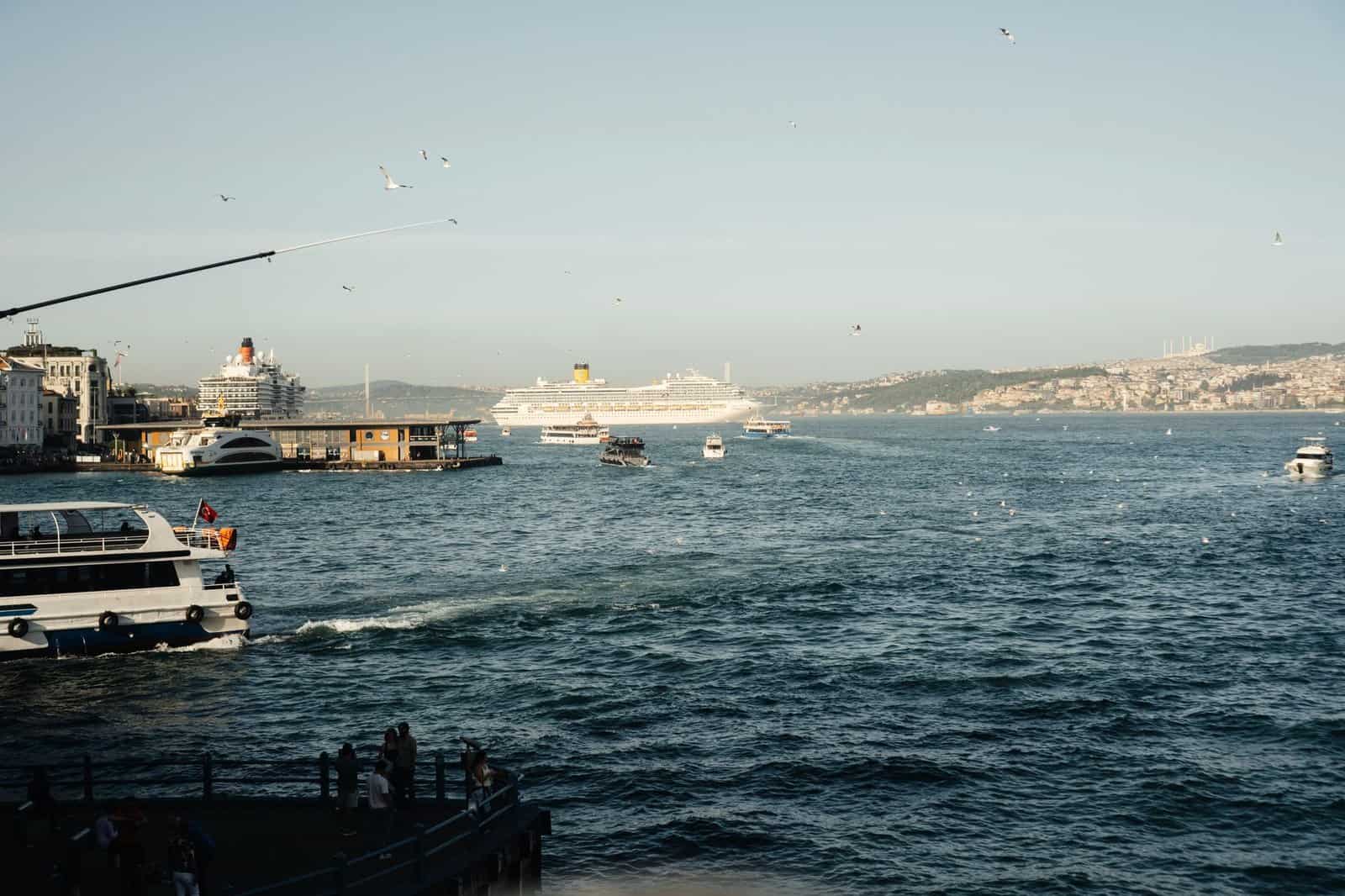
Congress passed the Passenger Vessel Services Act in 1886 to protect U.S. shipping and shipbuilding. It is related to the Jones Act of 1920, which covers cargo. Both reserve domestic shipping between U.S. points for vessels that are U.S.-built, U.S.-owned, U.S.-crewed, and U.S.-flagged.
Cruise lines mostly register ships abroad because it costs less and gives them more flexibility with crews, taxes, and regulations. That means nearly all big cruise ships are considered foreign vessels under the law. U.S. Customs and Border Protection enforces it and can impose a per-passenger penalty on cruise lines that violate it.
For Hawaii, the math works like this:
- A round-trip cruise from Los Angeles to Hawaii and back carries passengers between U.S. ports, even if it starts and ends at the same one, because passengers visit Honolulu, Maui, and other Hawaii ports along the way.
- To comply, the ship stops at a foreign port, usually Ensenada, Mexico, on itineraries from Southern California.
- Ships sailing from Seattle often stop in Victoria, British Columbia.
- Some itineraries start or end in Vancouver, which counts as the foreign port.
- One-way cruises that start in Vancouver and end in Honolulu, or the reverse, also satisfy the rules.
The Stop in Ensenada or Victoria
For many passengers, the foreign stop is an afterthought. Ensenada often comes at the very end of a round-trip from Los Angeles or San Diego, sometimes as a short call of a few hours. Victoria is similar on Seattle itineraries. Cruise lines schedule them to satisfy the law, not to deliver a full day of sightseeing.
That said, both ports have things to do. Ensenada has a waterfront fish market, a famous blowhole called La Bufadora about 45 minutes south, and wine country in the nearby Valle de Guadalupe. Victoria has its harbor, the Parliament Buildings, the Fairmont Empress hotel, and Butchart Gardens, which decorates for the holidays. If your stop is at night or very brief, staying aboard is common.
Remember that the foreign port means you need proper travel documents. On closed-loop cruises that begin and end in the same U.S. port, U.S. citizens can often use a birth certificate and government-issued photo ID, but a valid passport is recommended. Check your cruise line’s requirements.
How the Hawaii Cruise Foreign Port Rule Shapes Trip Length
Hawaii is a long way from the West Coast. Honolulu is about 2,500 miles from Los Angeles. A cruise ship crossing at typical cruising speeds takes about four to five days each way. Add four or five port days in the islands and a foreign stop, and most round-trip Hawaii cruises from California run 14 to 16 nights.
That means roughly half your trip is at sea. For some travelers, that is the appeal: long days of reading, spa visits, and shows. For others, it is a lot of ocean between islands. If you want more time in Hawaii itself, there are alternatives.
The One Ship That Does Not Need a Foreign Stop
Norwegian Cruise Line’s Pride of America is the exception. It is a U.S.-flagged ship with a U.S. crew, which means the Passenger Vessel Services Act does not apply. It sails seven-night round trips from Honolulu that stay entirely within Hawaii, with no foreign port and no long ocean crossing.
Typical Pride of America itineraries include:
- Honolulu on Oahu.
- Kahului on Maui, often with an overnight.
- Hilo and Kona on the Big Island.
- Nawiliwili on Kauai, often with an overnight.
Because the ship stays in Hawaii, you spend nearly every day in port. You also fly to Honolulu to board, which shortens the trip and puts the islands at the center of it. Fares and crew costs on a U.S.-flagged ship are typically higher, so the price per night may be higher than on a foreign-flagged ship sailing from California.
Other Ways the Law Shapes Cruises
The Hawaii rule is the best-known example, but the law affects cruises across the country.
- Alaska cruises from Seattle stop in Victoria or another Canadian port.
- Cruises that start and end in different U.S. ports, such as Los Angeles to Fort Lauderdale through the Panama Canal, must visit a “distant foreign port,” which excludes nearby places like Mexico, Canada, and most of the Caribbean. That is why some Panama Canal itineraries stop in South America.
- Cruise passengers usually cannot get off for good at a U.S. port in the middle of a foreign-flagged cruise, because that would count as transporting them between two U.S. ports.
- Some itineraries from the West Coast to Hawaii have stopped at Fanning Island, in the Republic of Kiribati, as a foreign port in the past.
Has Anyone Tried to Change the Law
Lawmakers have occasionally proposed changes, and the debate flared in 2021, when Canada closed its ports to cruise ships during the pandemic. Congress passed a temporary measure allowing Alaska cruises to skip the Canadian stop. That measure was temporary, and the core law remains in place.
Supporters say the law protects American maritime jobs. Critics say it raises costs and limits options for travelers. For now, if you book a foreign-flagged ship to Hawaii from the mainland, expect a foreign port.
What the Long Crossing Is Like in Winter
Many Hawaii cruises from the West Coast run in fall, winter, and spring, when ships reposition away from Alaska. Winter crossings of the North Pacific can bring larger swells and windy deck days, especially in the first and last days near the mainland. Weather typically warms noticeably as the ship approaches Hawaii.
Cruise lines fill sea days with lectures, Hawaiian culture programs, cooking demonstrations, and enrichment talks. Some bring lecturers who teach ukulele, hula, or Hawaiian history. If you like slow days at sea, this is a feature. If you get seasick, choose a midship cabin on a lower deck, where motion is less noticeable.
Comparing Costs Without Getting Fooled
A long West Coast round trip and a seven-night Pride of America cruise are not easy to compare on price alone. The longer cruise includes about twice as many nights, but many of them are at sea. Pride of America requires flights to and from Honolulu, while a California departure might let you drive to the port.
- Compare price per night, then price per port day.
- Add airfare, hotel nights before boarding, and transfers.
- Factor in gratuities, taxes, and port fees, which vary by line.
- Remember that shore excursions in Hawaii add up quickly.
Doing that math often reveals which option is the better fit, since the cheapest headline fare is not always the best value.
How to Choose Your Hawaii Cruise
Ask yourself what you want most.
- Sea days and a long voyage: a round trip from Los Angeles, San Diego, or Seattle with a stop in Ensenada or Victoria.
- Maximum island time: Pride of America from Honolulu.
- A one-way voyage: a repositioning cruise between Vancouver and Honolulu, often in spring or fall.
- A longer trip: cruises that pair Hawaii with Tahiti or other South Pacific islands.
What to Know Before You Book
- Check where the foreign port falls on the itinerary and how long the ship stays.
- Bring a passport even if it is not strictly required.
- Plan seasickness remedies for the long crossings, especially in winter, when Pacific swells are larger.
- Budget for shore excursions in Hawaii, which can be expensive.
- Compare per-night prices across ship types to see which option gives you better value.
A Note on Disembarking Early
Because of the same 1886 law, a foreign-flagged ship generally cannot let you end your cruise in Honolulu if you boarded in Los Angeles for a round trip, even if you want to stay in Hawaii longer. Leaving early can trigger the per-passenger penalty, which cruise lines usually pass on to the passenger. If you want extra time in the islands, book a one-way itinerary from Vancouver or fly in and take an inter-island cruise instead.
The Bottom Line
The stop in Mexico or Canada on your Hawaii cruise traces directly to a law passed in 1886. It is not a quirk of a single cruise line. It applies across the industry to foreign-flagged ships. Once you understand it, the itineraries make sense, and you can pick the type of Hawaii cruise that fits your trip.